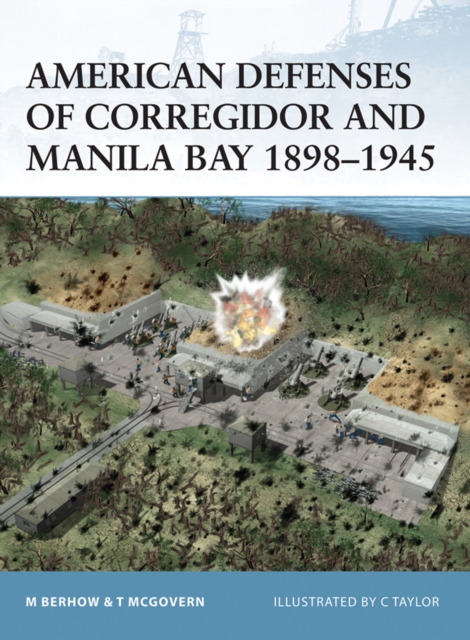
The Philippines were declared an American Territory on January 4, 1899, and fortification construction soon began on the islands in the mouth of Manila Bay.
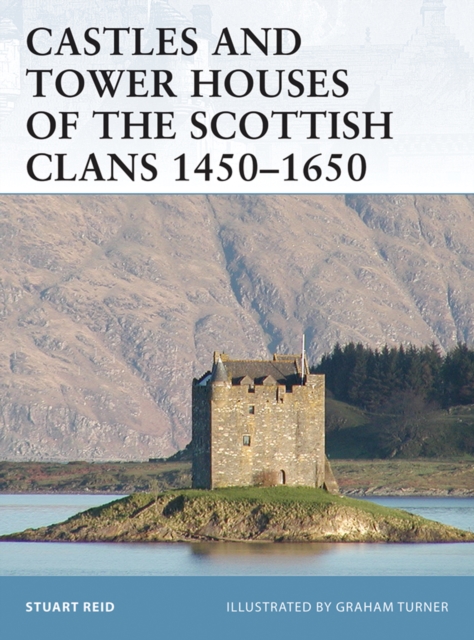
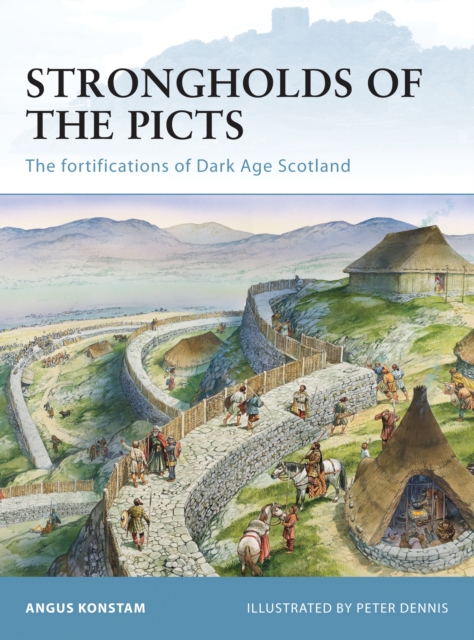
With the exception of the key royal sites, such as Stirling and Edinburgh, few Scottish castles were located at strategic points, or were intended to house garrisons required to defend or subjugate towns.
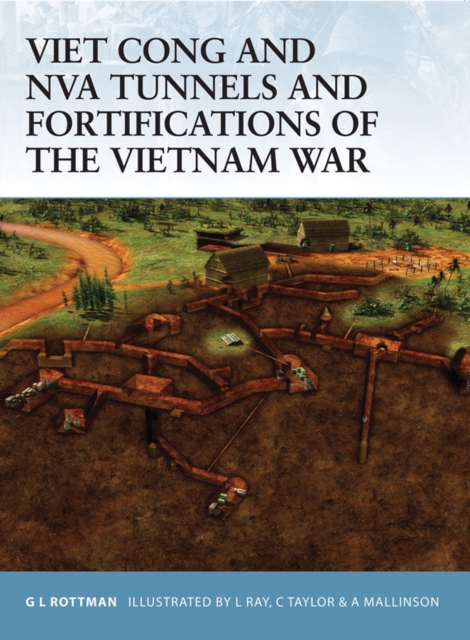
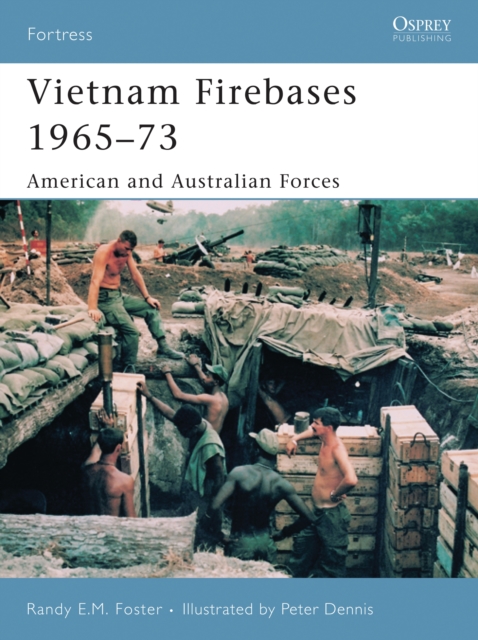
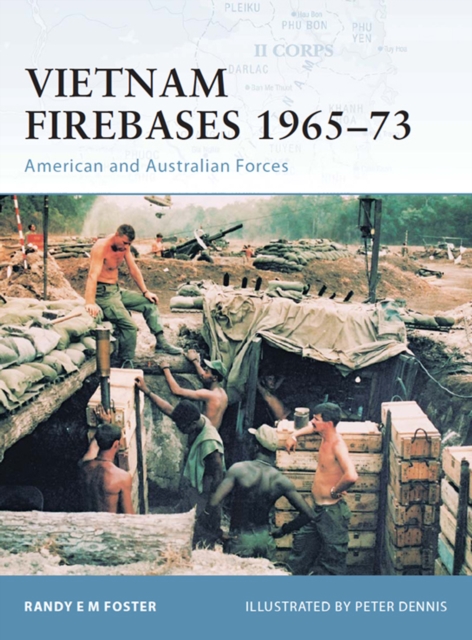
During the Vietnam War, the Viet Cong (VC) main forces and North Vietnamese Army (NVA) were forced to hide weapons and supplies underground and to dig protective shelters to counter massive US firepower.
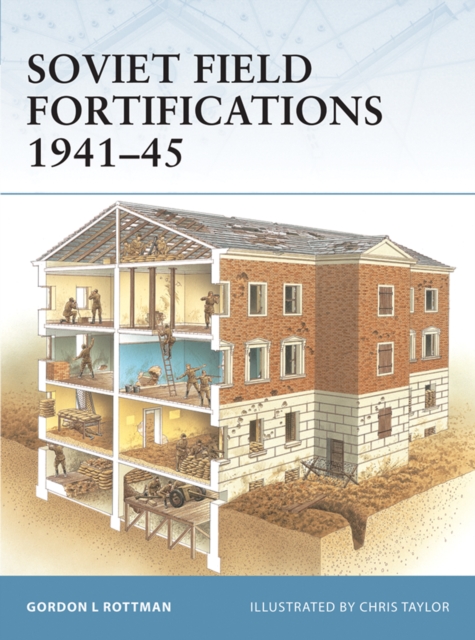
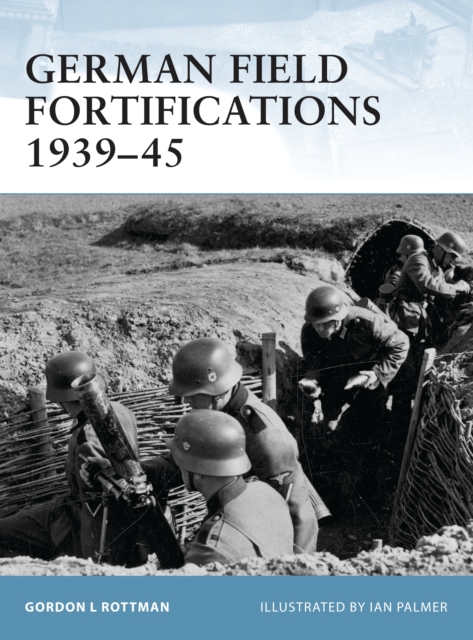
From June 1941, the Soviets were forced to undertake large-scale defensive operations in the face of the overwhelming German blitzkrieg assault, operations which ran counter to their preference for highly mobile, offensive warfare.
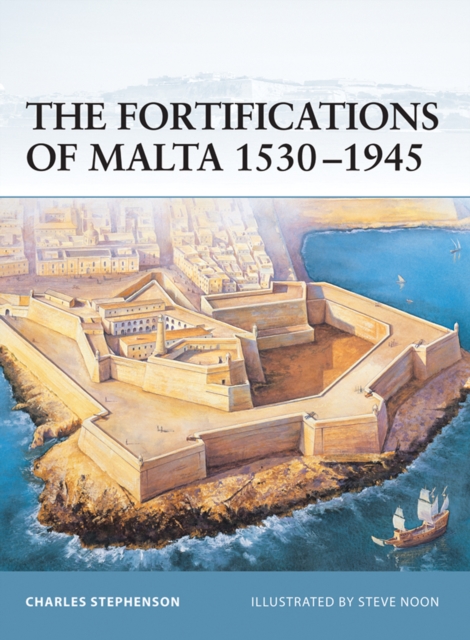
An illustrated history of the defences of this pivotal position in the Mediterranean, an outpost between North Africa and the soft underbelly of Europe, and one of the most fortified places in the world.
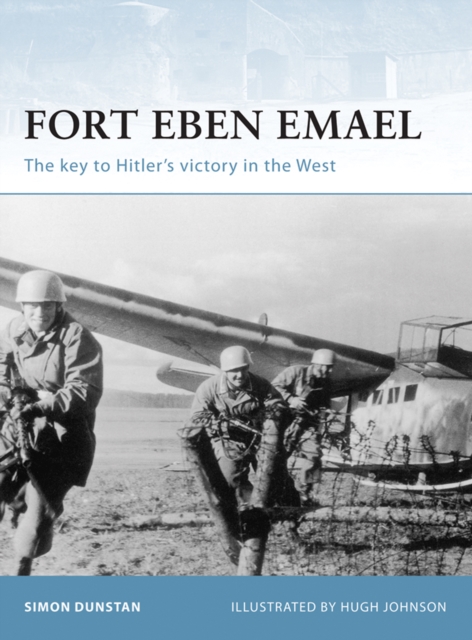
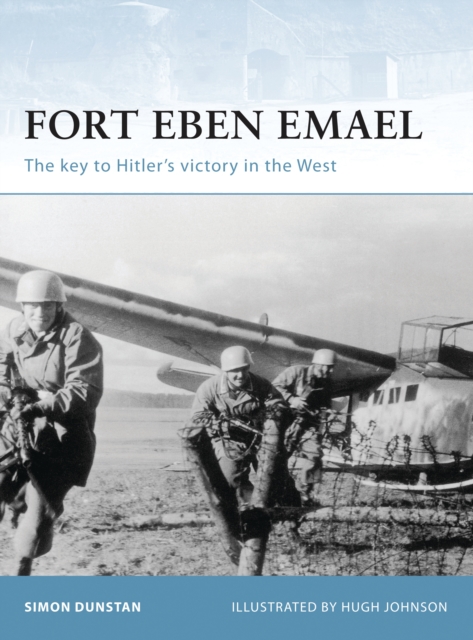
At the outbreak of World War II, Fort Eben Emael in Belgium was the strongest fortress in the world, and it lay exactly across the German invasion route of Belgium and France.
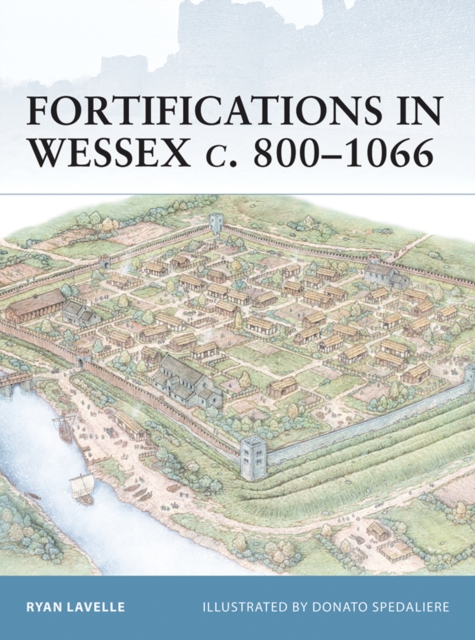
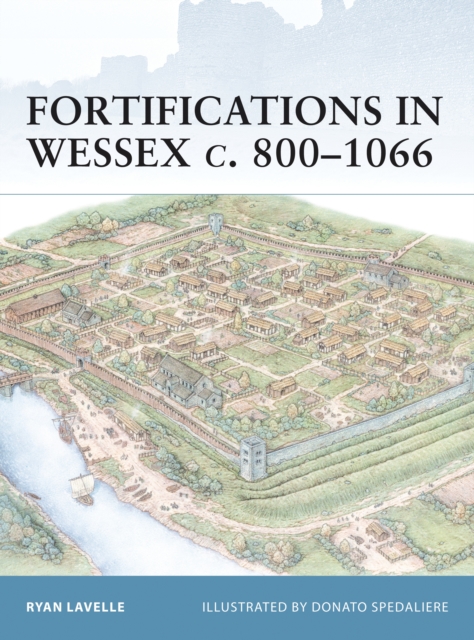
The defence of the 9th-century kingdom of Wessex under King Alfred against the 'Great Viking Army' is one of the major military achievements of Early Medieval history.
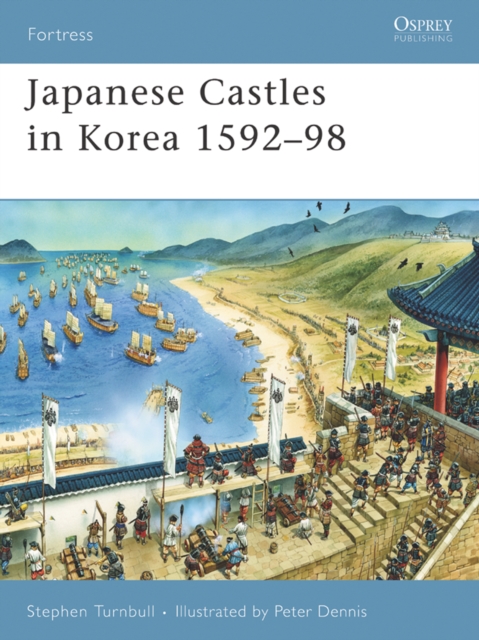
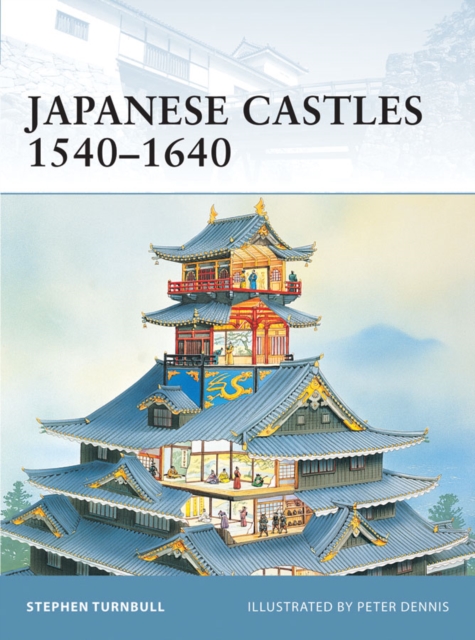
The Japanese invasion and occupation of Korea, which lasted from 1592 to 1598, was the only occasion in Japanese history when samurai aggression was turned against a foreign country.
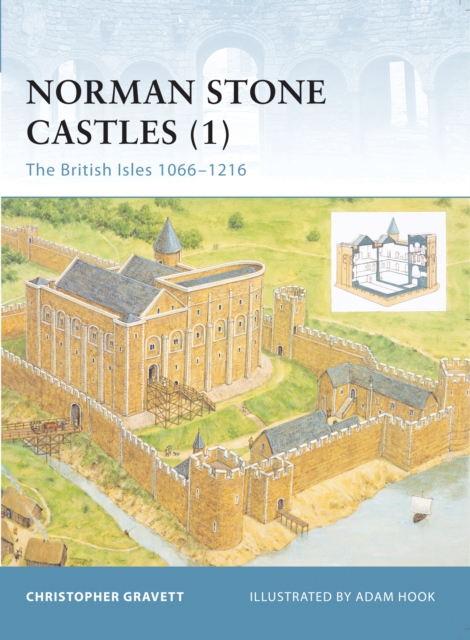
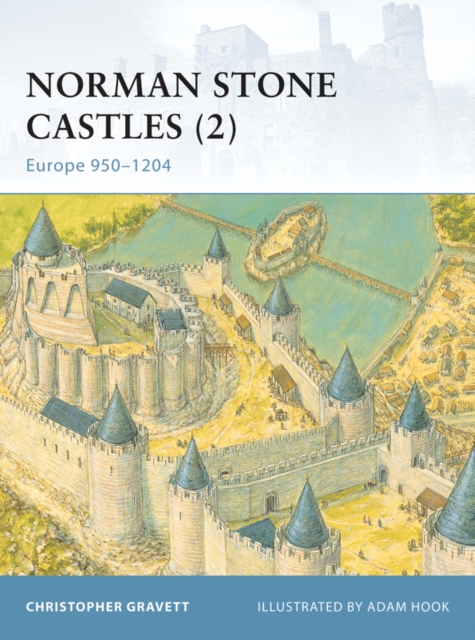
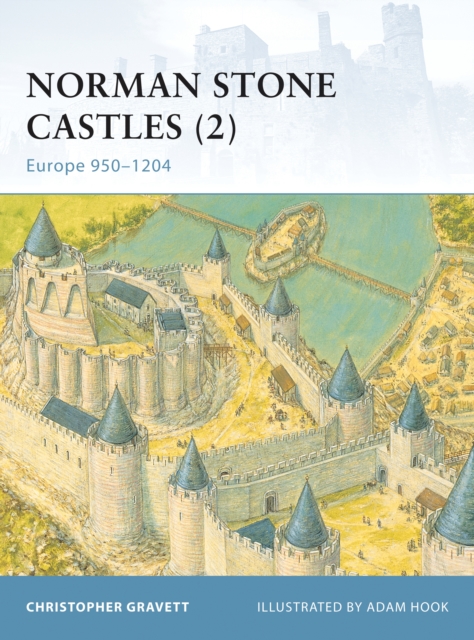
Descended from the Viking raiders who settled in Northern France under the leadership of Rollo in around 911, the Normans were amongst the most feared warriors of their time.
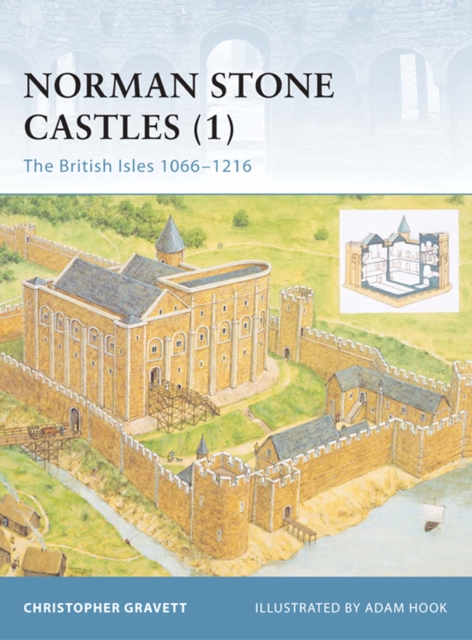
Descended from the Viking raiders who settled in Northern France under the leadership of Rollo in around 911, the Normans were amongst the most feared warriors of their time.
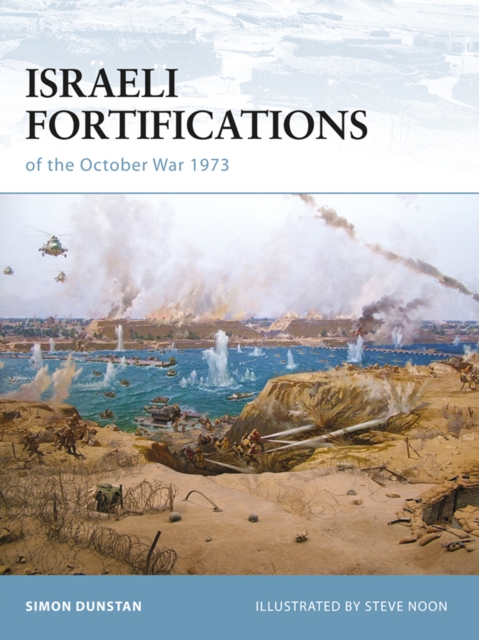
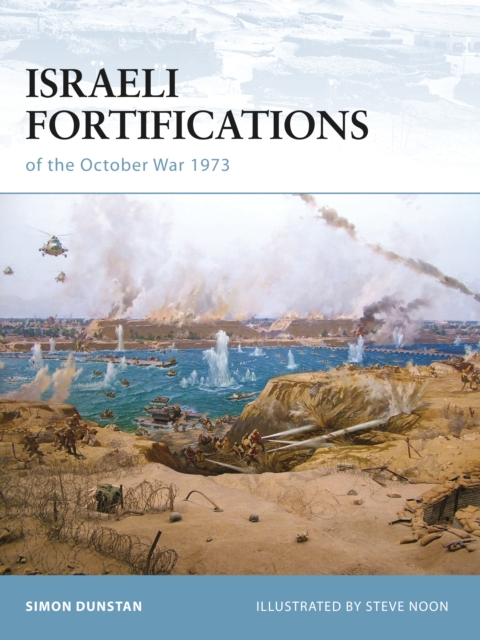
Following the Israel Defence Forces' success in the Six Day War of 1967, the IDF Chief of Staff, General Haim Bar-Lev, ordered the construction of a series of fortified positions named the Bar Lev Line.
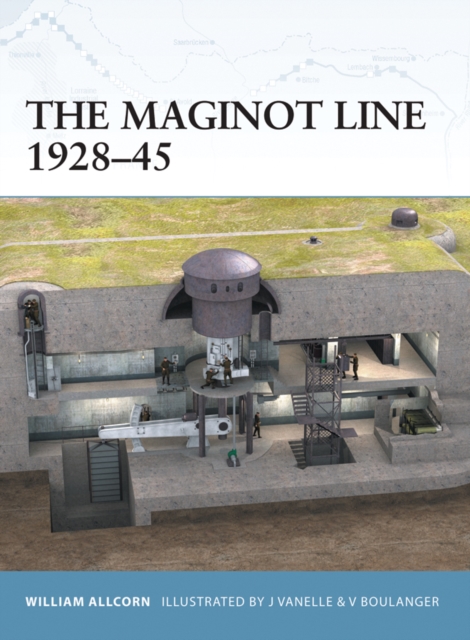
The Maginot Line, the massive series of fortifications built by France in the 1930s to defend its borders with Germany and Italy, is perhaps the most maligned collection of fortifications ever built.
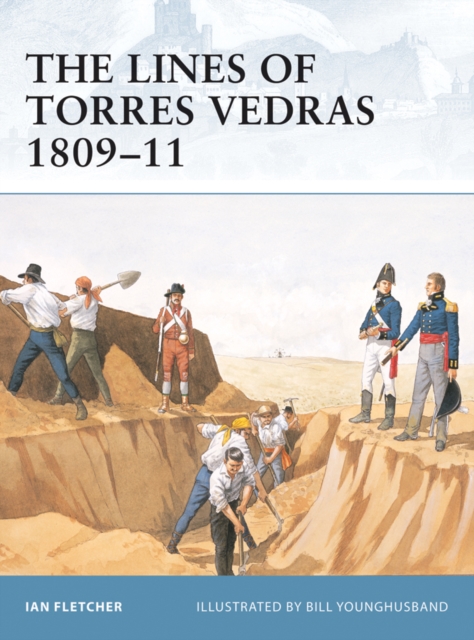
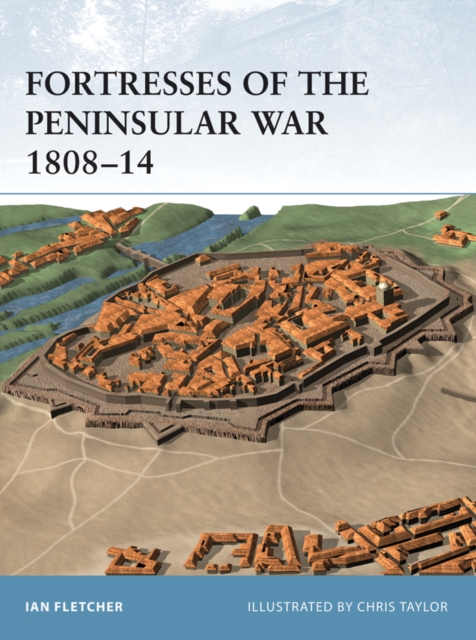
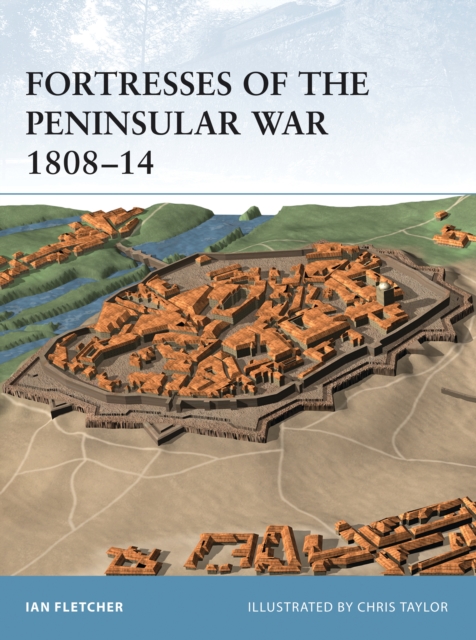
In the course of the Peninsular War, Wellington's army fought several hard battles and smaller actions, but it was the bloody sieges that troubled him more than anything else.
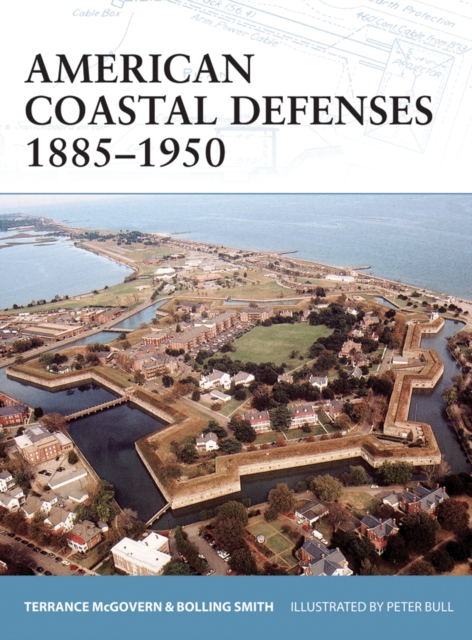
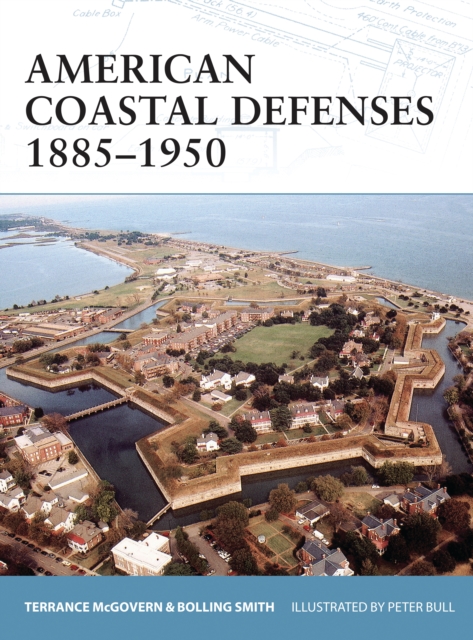
In the late-19th century, with the advances in technology and the increase in America's economic stature, a new round of fortification building began in the United States and its overseas territories.
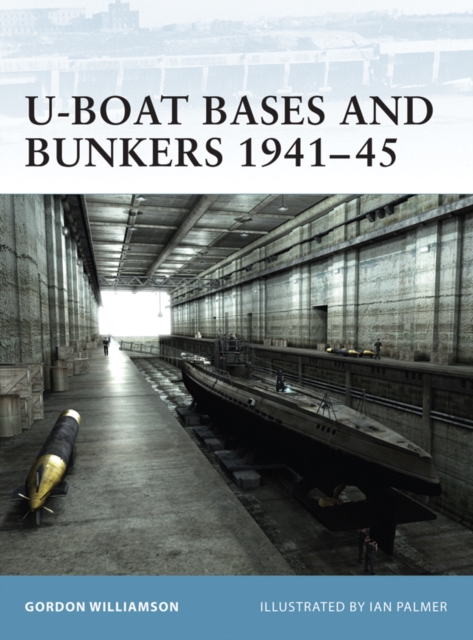
Few of the massive military structures built by Germany during World War II are as impressive as the U-Boat bases and bunkers in Germany, Norway and France.
Following the Israel Defence Forces' success in the Six Day War of 1967, the IDF Chief of Staff, General Haim Bar-Lev, ordered the construction of a series of fortified positions named the Bar Lev Line.
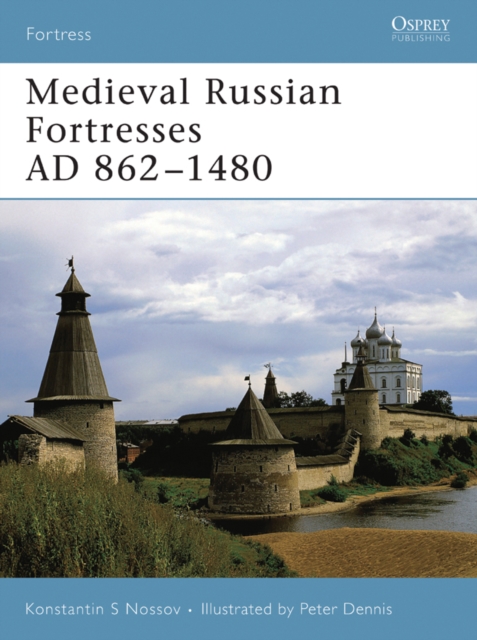
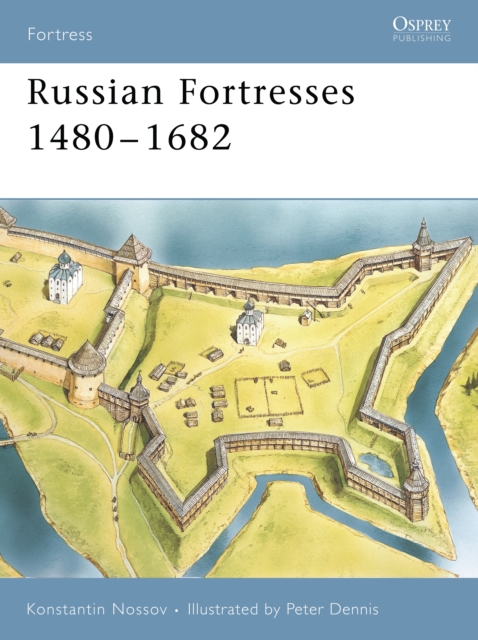
A history of the key fortresses that dominated the landscape of medieval Russia from its legendary foundations in the 9th century to its conquest by the Mongols and the eventual rise to power of the principality of Muscovy.
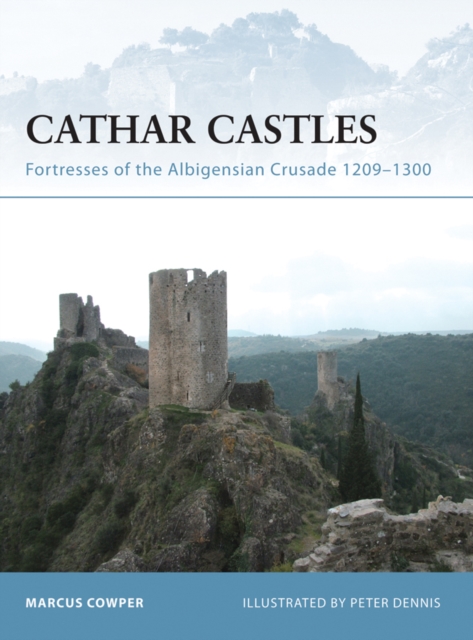
During the early 13th century the north of what is now France went to war with the south in a bloody crusade aimed at destroying the heretical sect known as the Cathars.
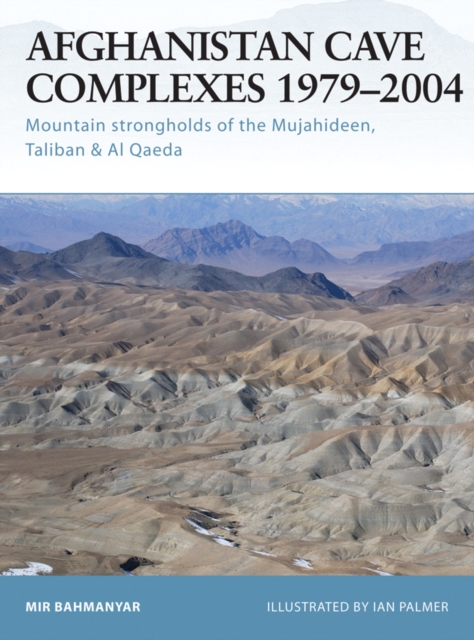
Following the Soviet invasion in 1979, the Mujahideen defenders of Afghanistan developed and reinforced many natural cave systems to use as supply bases and defensive positions.
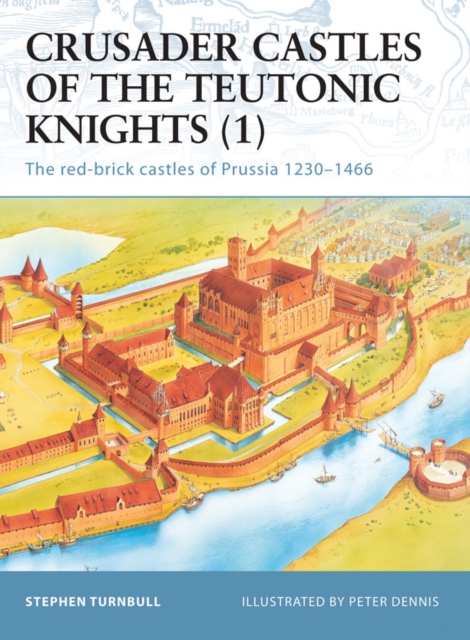
Throughout their stormy history the Teutonic Knights of Germany have always been the most controversial brotherhood ever to call themselves 'Knights of Christ'.
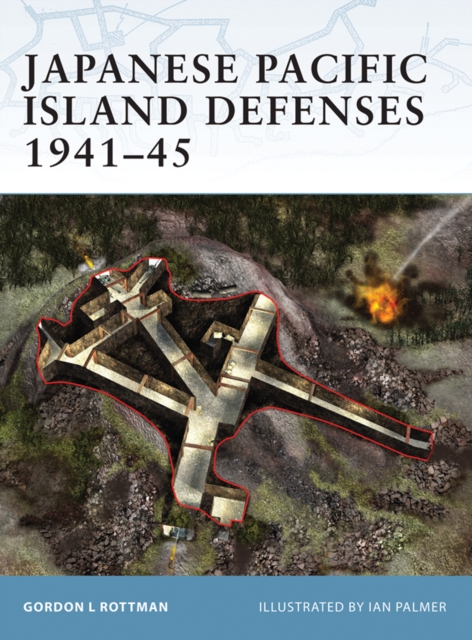
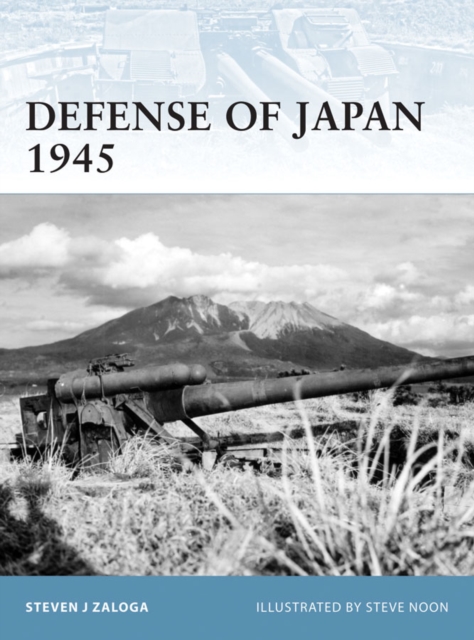
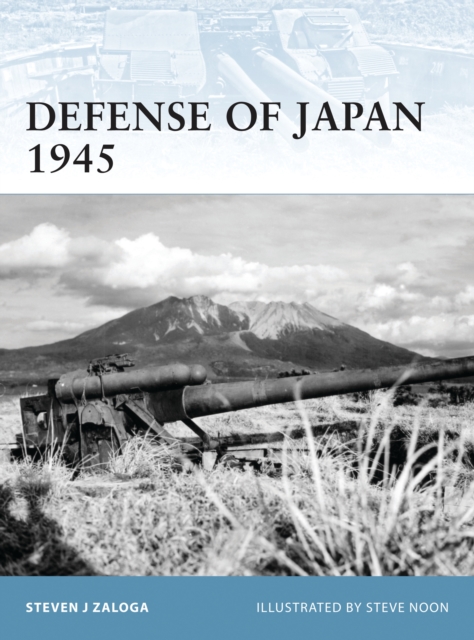
In 1945, with her fleet destroyed and her armies beaten, the only thing that stood between Japan and an Allied invasion was the numerous coastal defence positions that surrounded the islands.
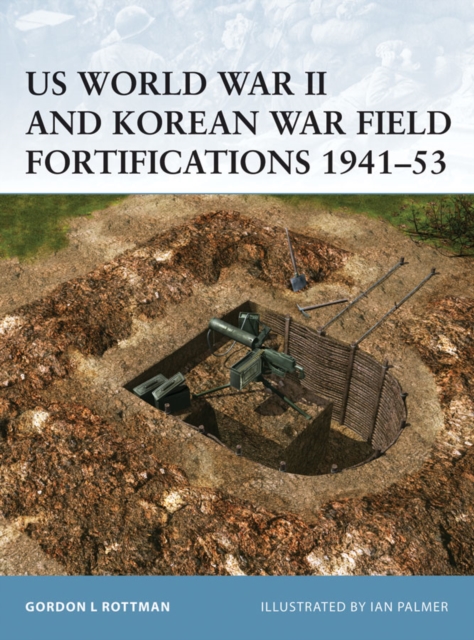
Gordon L Rottman explores the design development and combat history of the US Army's field fortifications during these two major wars, alongside illustrations and diagrams throughout.
In 1945, with her fleet destroyed and her armies beaten, the only thing that stood between Japan and an Allied invasion was the numerous coastal defence positions that surrounded the islands.
In the late-19th century, with the advances in technology and the increase in America's economic stature, a new round of fortification building began in the United States and its overseas territories.
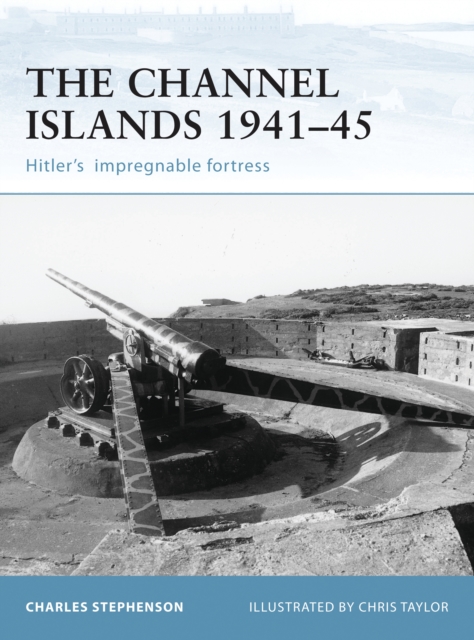
Following the fall of France and the surrender of Paris on 14 June 1940, the British Government announced that the Channel Islands had no strategic importance and would not be defended.
The defence of the 9th-century kingdom of Wessex under King Alfred against the 'Great Viking Army' is one of the major military achievements of Early Medieval history.
In the course of the Peninsular War, Wellington's army fought several hard battles and smaller actions, but it was the bloody sieges that troubled him more than anything else.
At the outbreak of World War II, Fort Eben Emael in Belgium was the strongest fortress in the world, and it lay exactly across the German invasion route of Belgium and France.