This original collection examines how architectural ideas, social models and building forms circulate round the world and become mediated and adapted to local conditions.
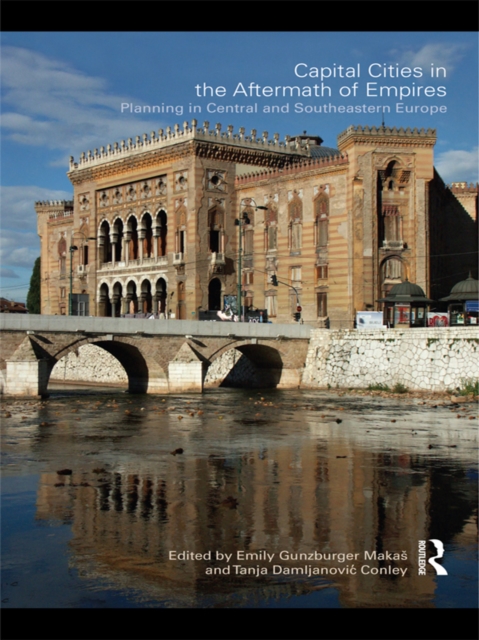
This book explores the planning and architectural histories of the cities across Central and Southeastern Europe transformed into the cultural and political capitals of the new nationstates created in the late nineteenth and early twentieth centuries.
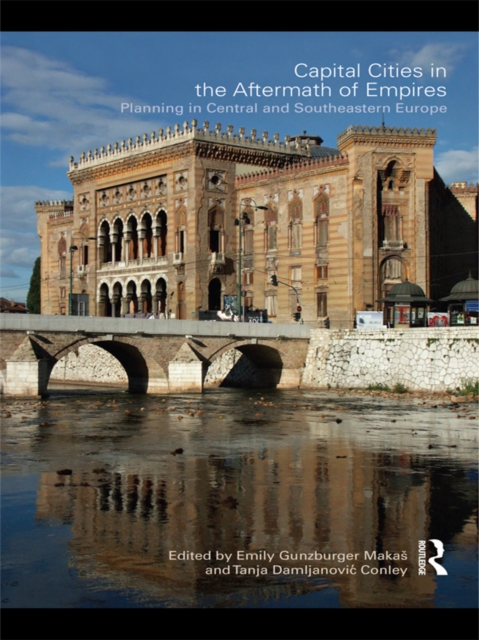
This book explores the planning and architectural histories of the cities across Central and Southeastern Europe transformed into the cultural and political capitals of the new nationstates created in the late nineteenth and early twentieth centuries.
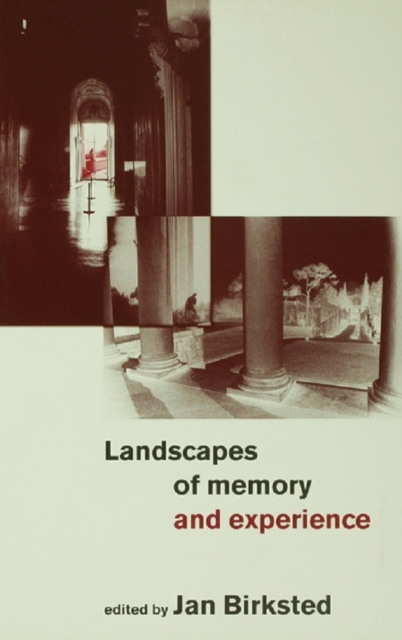
It has been argued that the history of landscape and of gardens has been marginalized from the mainstream of art history and visual studies because of a lack of engagement with the theories, methods and concepts of these disciplines.
It has been argued that the history of landscape and of gardens has been marginalized from the mainstream of art history and visual studies because of a lack of engagement with the theories, methods and concepts of these disciplines.
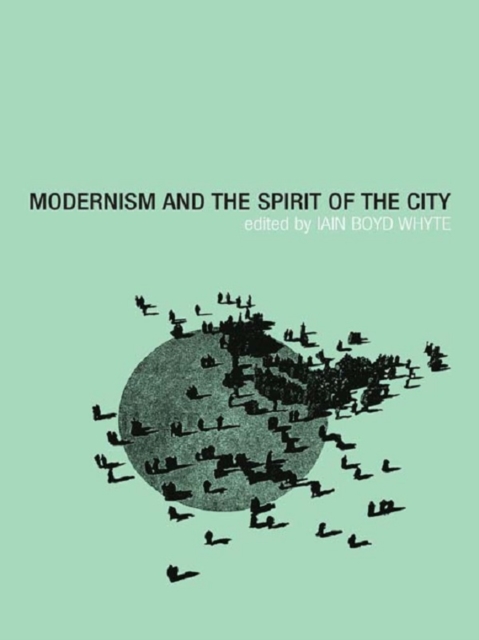
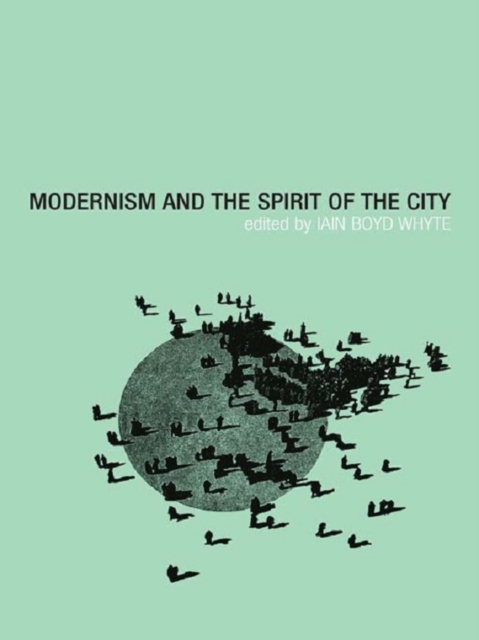
Modernism and the Spirit of the City offers a new reading of the architectural modernism that emerged and flourished in Europe in the first half of the twentieth century.
Modernism and the Spirit of the City offers a new reading of the architectural modernism that emerged and flourished in Europe in the first half of the twentieth century.
Bio-Architecture studies the natural principles of animal and human constructions from several different perspectives, and presents a great part of the knowledge that gives origin and shape to built form.
Bio-Architecture studies the natural principles of animal and human constructions from several different perspectives, and presents a great part of the knowledge that gives origin and shape to built form.
The role of the home, the domestic sphere and the intimate, ethno-cultural identities that are cultivated within it, are critical to understanding the polemical constructions of country and city; tradition and modernity; and regionalism and cosmopolitanism.
The role of the home, the domestic sphere and the intimate, ethno-cultural identities that are cultivated within it, are critical to understanding the polemical constructions of country and city; tradition and modernity; and regionalism and cosmopolitanism.
Providing a concise and accessible introduction to the work of the celebrated twentieth century German philosopher, Hans-Georg Gadamer, this book focuses on the aspects of Gadamer's philosophy that have been the most influential among architects, educators in architecture, and architectural theorists.
Providing a concise and accessible introduction to the work of the celebrated twentieth century German philosopher, Hans-Georg Gadamer, this book focuses on the aspects of Gadamer's philosophy that have been the most influential among architects, educators in architecture, and architectural theorists.
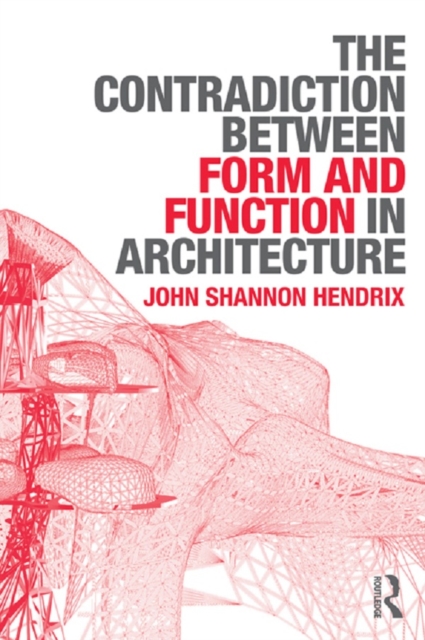
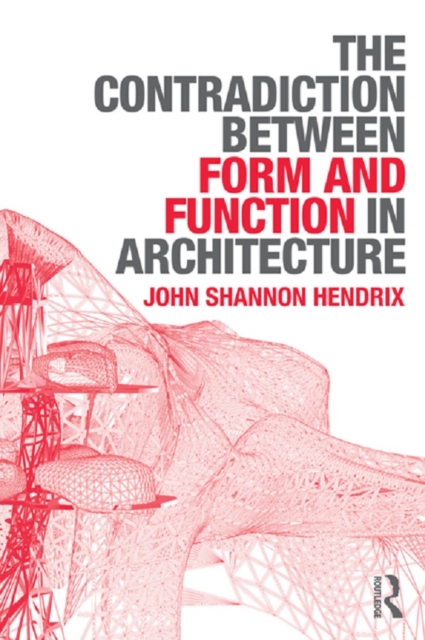
Continuing the themes that have been addressed in The Humanities in Architectural Design and The Cultural Role of Architecture, this book illustrates the important role that a contradiction between form and function plays in compositional strategies in architecture.
Continuing the themes that have been addressed in The Humanities in Architectural Design and The Cultural Role of Architecture, this book illustrates the important role that a contradiction between form and function plays in compositional strategies in architecture.
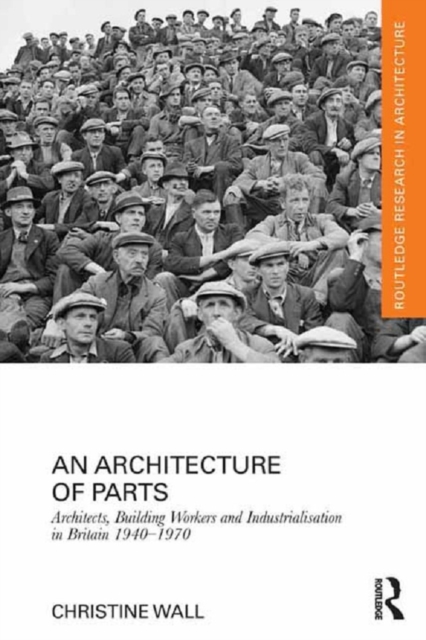
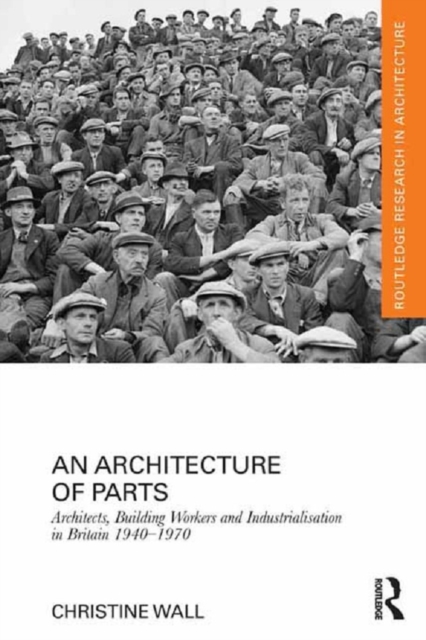
This book is unique in describing the history of post war reconstruction from an entirely new perspective by focusing on the changing relationship between architects and building workers.
This book is unique in describing the history of post war reconstruction from an entirely new perspective by focusing on the changing relationship between architects and building workers.
This book presents a critical vision of the role of architecture and design in constantly changing cities, territories and societies from a Latin American perspective.
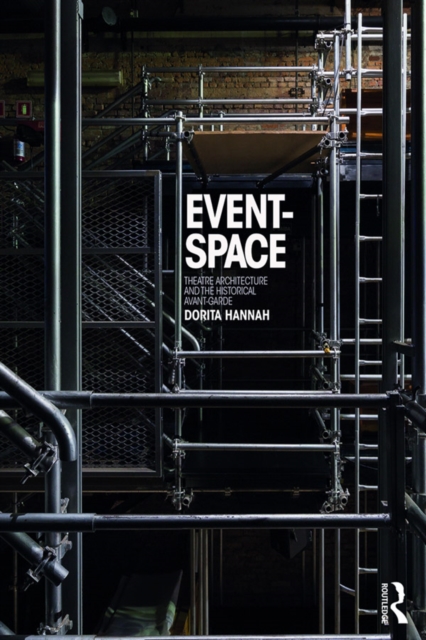
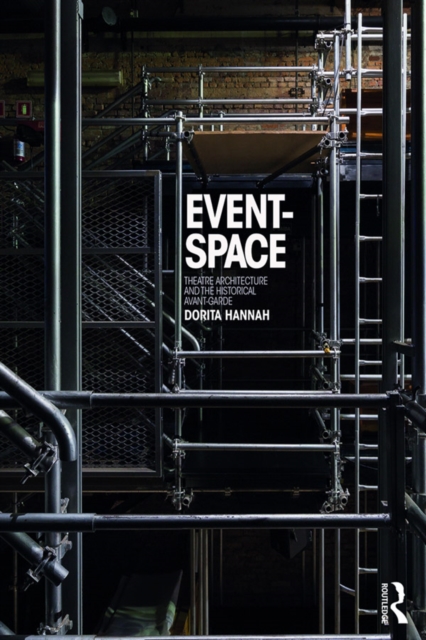
As the symbolists, constructivists and surrealists of the historical avant-garde began to abandon traditional theatre spaces and embrace the more contingent locations of the theatrical and political 'event', the built environment of a performance became not only part of the event, but an event in and of itself.
As the symbolists, constructivists and surrealists of the historical avant-garde began to abandon traditional theatre spaces and embrace the more contingent locations of the theatrical and political 'event', the built environment of a performance became not only part of the event, but an event in and of itself.
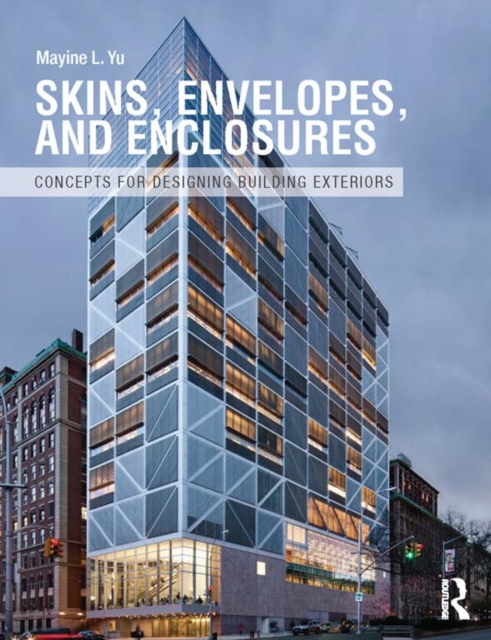
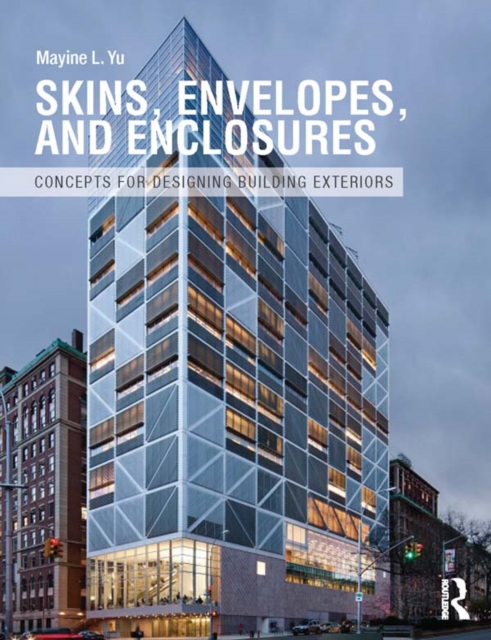
Integrate the best building envelope construction methods, materials science, and structural principles in your work using this book as a resource to help you.
Integrate the best building envelope construction methods, materials science, and structural principles in your work using this book as a resource to help you.
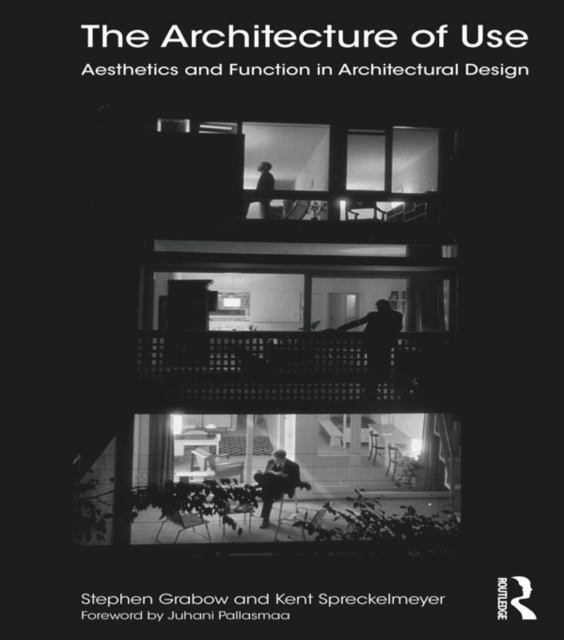
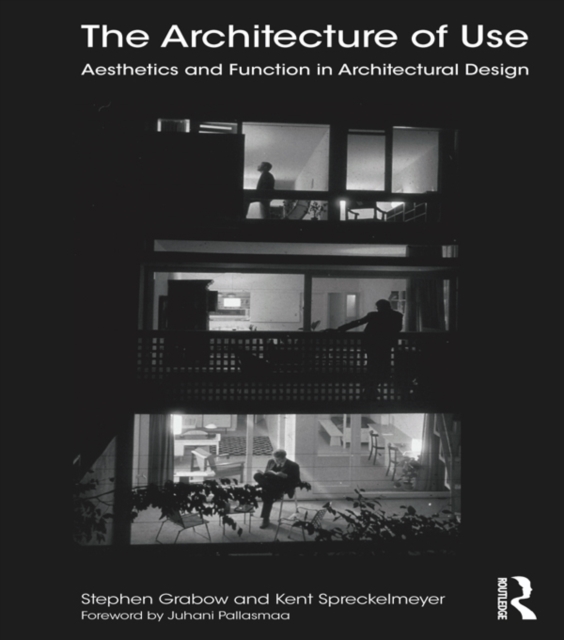
By analyzing ten examples of buildings that embody the human experience at an extraordinary level, this book clarifies the central importance of the role of function in architecture as a generative force in determining built form.
By analyzing ten examples of buildings that embody the human experience at an extraordinary level, this book clarifies the central importance of the role of function in architecture as a generative force in determining built form.
Offering an in-depth consideration of the impact which humanities have had on the processes of architecture and design, this book asks how we can restore the traditional dialogue between intellectual enquiry in the humanities and design creativity.
Offering an in-depth consideration of the impact which humanities have had on the processes of architecture and design, this book asks how we can restore the traditional dialogue between intellectual enquiry in the humanities and design creativity.
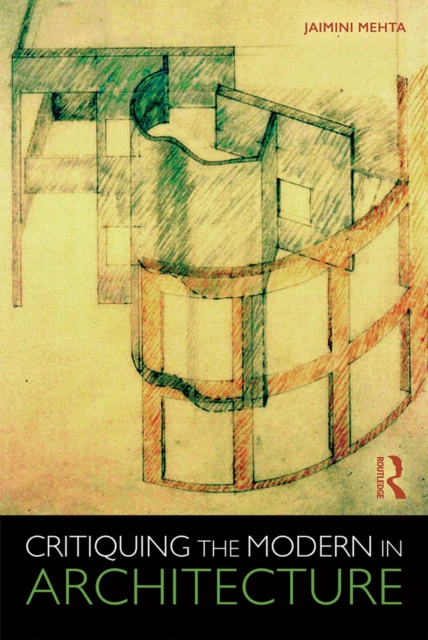
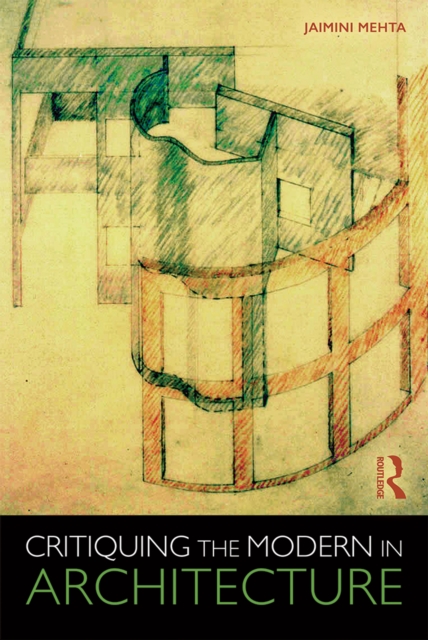
Written over four decades, Critiquing the Modern in Architecture is a collection of essays exploring the ideological and metaphysical core of modern architecture.
Written over four decades, Critiquing the Modern in Architecture is a collection of essays exploring the ideological and metaphysical core of modern architecture.
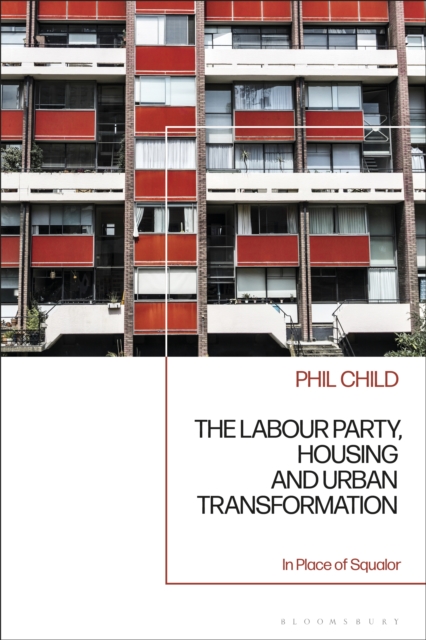
The Labour Party, Housing and Urban Transformation explores how the urban transformation of Britain between 1945 and 1970 was understood politically by the Labour Party.
This Dictionary gives a comprehensive survey of the whole range of ancient Near Eastern architecture from the Neolithic round huts in Palestine to the giant temples of Ptolemaic Egypt.
This Dictionary gives a comprehensive survey of the whole range of ancient Near Eastern architecture from the Neolithic round huts in Palestine to the giant temples of Ptolemaic Egypt.
In this fresh and authoritative account John Macarthur presents the eighteenth century idea of the picturesque - when it was a risky term concerned with a refined taste for everyday things, such as the hovels of the labouring poor - in the light of its reception and effects in modern culture.
In this fresh and authoritative account John Macarthur presents the eighteenth century idea of the picturesque - when it was a risky term concerned with a refined taste for everyday things, such as the hovels of the labouring poor - in the light of its reception and effects in modern culture.
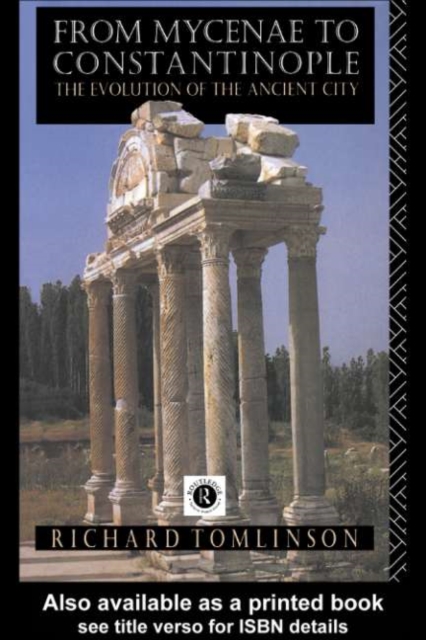
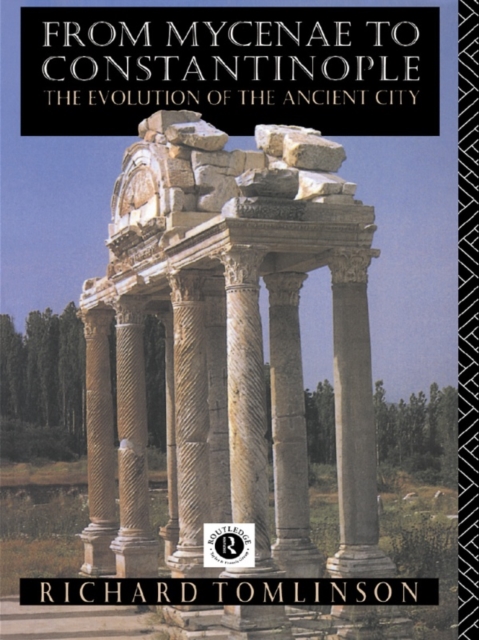
Tomlinson presents studies of selected ancient cities, ranging from the earliest development of urban architecture in Europe to the imperial cities of Rome and Constantinople.
Tomlinson presents studies of selected ancient cities, ranging from the earliest development of urban architecture in Europe to the imperial cities of Rome and Constantinople.
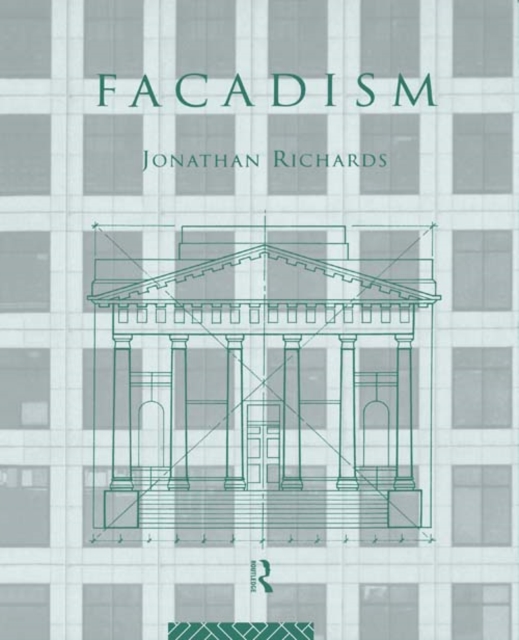
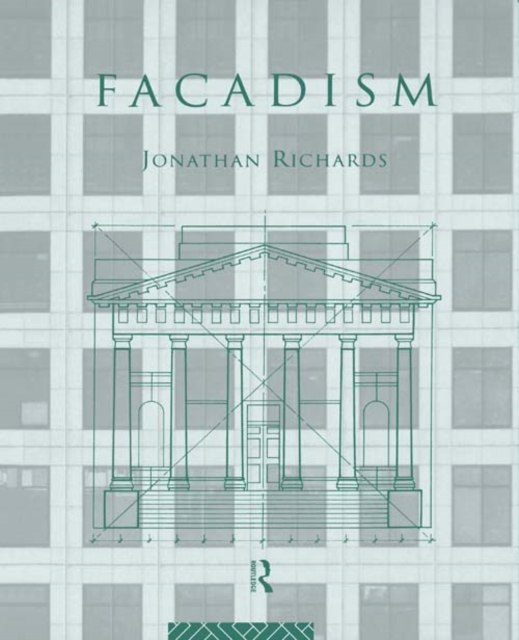
Facadism - the preservation of historic facades, the creation of facsimiles in front of new buildings and the decorative exercises of postmodernism - is accused of destroying architectural innovation, of divorcing the interior and exterior of buildings and of reducing townscapes to theatre sets.
Facadism - the preservation of historic facades, the creation of facsimiles in front of new buildings and the decorative exercises of postmodernism - is accused of destroying architectural innovation, of divorcing the interior and exterior of buildings and of reducing townscapes to theatre sets.