This book constitutes the refereed proceedings of the Third International Conference on HCI in Mobility, Transport, and Automotive Systems, MobiTAS 2021, held as part of the 23rd International Conference, HCI International 2021, held as a virtual event, in July 2021.
ISRR, the "e;International Symposium on Robotics Research"e;, is one of robotics pioneering Symposia, which has established over the past two decades some of the field's most fundamental and lasting contributions.
This book answers the question of how to design a sharing system that can promote sustained, meaningful, and socially constructive sharing practices in today's cities.
This book explores the moving qualities of mountains by utilising theories, ideas and processes which contribute to a larger understanding of these geological forms.
Market: architects; engineers; project managers; general contractors; cost estimators; property and real estate managers; facility managers; property developersInternational appeal: includes 25 project profiles from the US, Canada, United Kingdom, Australia, Spain, China, and IndiaThirty key players share their experiences and lessons learned from working on green building projects
An evocative chronicle of the power of solitude in the natural worldI'm often asked, but have no idea why I chose Iceland, why I first started going, why I still go.
How the science of urban planning can make our cities healthier, safer, and more livableThe design of every aspect of the urban landscape-from streets and sidewalks to green spaces, mass transit, and housing-fundamentally influences the health and safety of the communities who live there.
An unprecedented history of Brooklyn, told through its places, buildings, and the people who made them, from the early seventeenth century to todayAmerica's most storied urban underdog, Brooklyn has become an internationally recognized brand in recent decades-celebrated and scorned as one of the hippest destinations in the world.
This essential book offers suggestions for how cities and spaces can be planned and designed to reduce the impact of stress, provide opportunities for recovery, and promote the resilience of individuals in urban communities.
Rugged Embedded Systems: Computing in Harsh Environments describes how to design reliable embedded systems for harsh environments, including architectural approaches, cross-stack hardware/software techniques, and emerging challenges and opportunities.
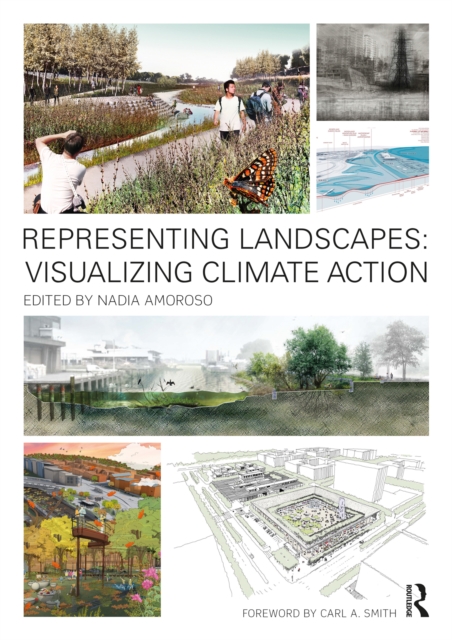
This book provides an in-depth overview of graphic and visual communication styles for conveying climate change and climate action within the landscape architectural profession and in academia.
This two-volume set LNCS 12212 and 12213 constitutes the refereed proceedings of the Second International Conference on HCI in Mobility, Transport, and Automotive Systems, MobiTAS 2020, held as part of the 22nd International Conference on Human-Computer Interaction, HCII 2020, in Copenhagen, Denmark, in July, 2020.
This book includes the results from the 5th International Conference on Deep Learning, Artificial Intelligence and Robotics (ICDLAIR), held in National Institute of Technology, Kurukshetra, on December 07-09, 2023, which brought together visionaries, researchers, and industry leaders at the forefront of technological innovation.
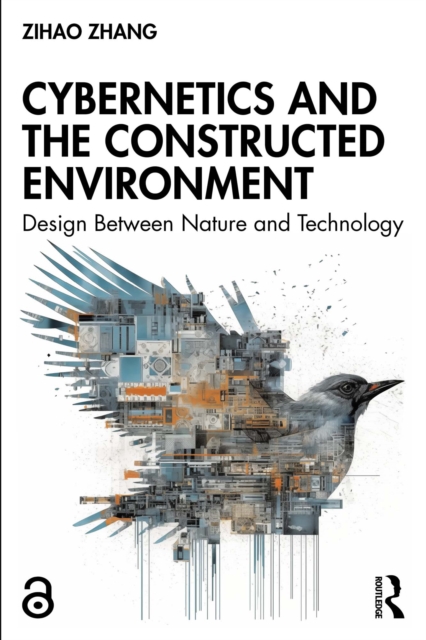
Grounded in contemporary landscape architecture theory and practice, Cybernetics and the Constructed Environment blends examples from art, design, and engineering with concepts from cybernetics and posthumanism, offering a transdisciplinary examination of the ramifications of cybernetics on the constructed environment.
This book explores the concept of livable cities, where people enjoy living and being, and examines indicators of citizens' well-being in relation to the urban environment.
Extreme weather events, droughts, floods, shifts in precipitation and temperature patterns, melting glaciers, sea-level rise, water salinization, and more generally, changes in the water cycle remind us that the climate crisis is mostly a water crisis.
In May 2019, the United Nations released the Global Assessment Report on Biodiversity and Ecosystem Services which warned that human activities will drive nearly one million species to extinction in a few decades.
This publication explores how extreme heat is emerging as a growing risk factor and planning consideration across the United States, and how the real estate industry is responding with design approaches, technologies and new policies to mitigate the impacts and help protect human health.
Landscript 1: Landscape Vision Motion explores the change of visual thinking that has occurred through film and video setting new spatial dynamics in motion.
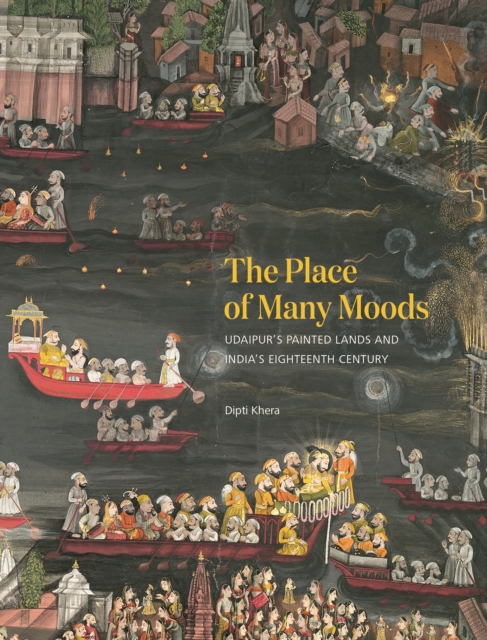
A look at the painting traditions of northwestern India in the eighteenth century, and what they reveal about the political and artistic changes of the eraIn the long eighteenth century, artists from Udaipur, a city of lakes in northwestern India, specialized in depicting the vivid sensory ambience of its historic palaces, reservoirs, temples, bazaars, and durbars.
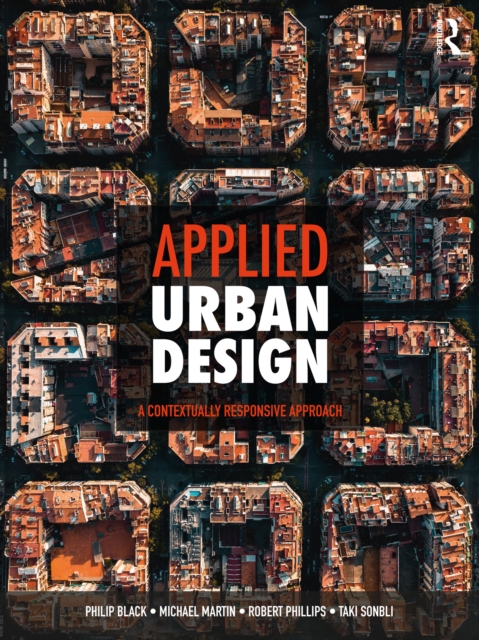
Applied Urban Design combines 'why' we design and 'who' we design for, with 'how' we design, by providing the reader with a comprehensive and accessible bespoke framework for both understanding and practicing urban design in a contextually responsive manner from appraisal to design delivery.
If data is the greatest collective treasure of a digital society, basic material for business and politics: Why are the places where it is stored still so invisible?
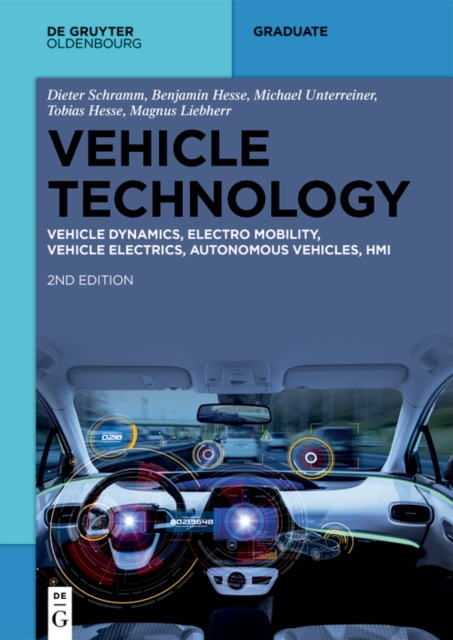
The motor vehicle technology covered in this book has become in the more than 125 years of its history in many aspects an extremely complex and, in many areas of engineering science .
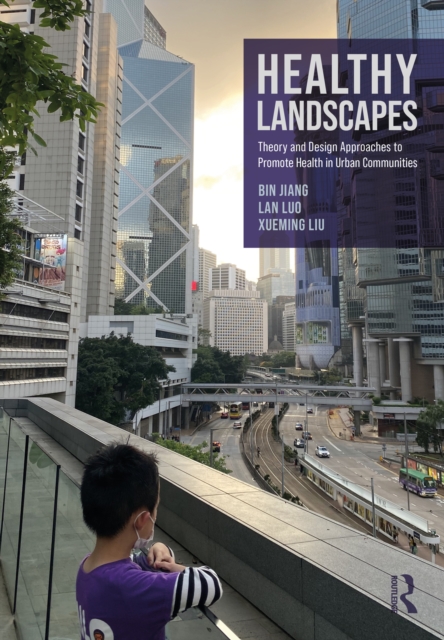
This book responds to the need for a comprehensive and detailed theoretical framework and systemic design approaches to improve mental, physical, social, behavioral, and ecological health in urban environments.
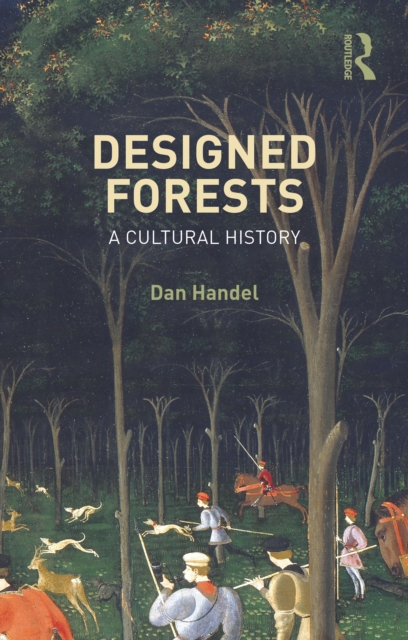
Designed Forests: A Cultural History explores the unique kinship that exists between forests and spatial design; the forest's influence on architectural culture and practice; and the potentials and pitfalls of "e;forest thinking"e; for more sustainable and ethical ways of doing architecture today.
La expresión "ciudad latinoamericana" remite hoy con exclusividad a las grandes metrópolis que crecen sin control, escenarios amenazantes de violencia e inseguridad.
¿Por qué, en pleno siglo XXI, seguimos creyendo en algo o alguien superior, llámese Dios, meditación trascendental, espiritualidad o sentido de la vida?