From Noah''s Ark to Diller + Scofidio''s “Blur” Building, a distinguished art historian maps new ways to think about architecture''s origin and development.
How architecture can move beyond the contemporary enthusiasms for the technically sustainable and the formally dazzling to enhance our human values and capacities.
A vision of architecture that transcends concerns of form and function and finds the connections between the architect''s wish to design a beautiful world and architecture''s imperative to provide a better place for society.
Reflections on architecture and the exchange of information in the spaces and places of the city, from the necessity of skyscrapers in an age of Web sites to cities as talent magnets, from architectural bling to the neo-minimalism of the new MoMA.
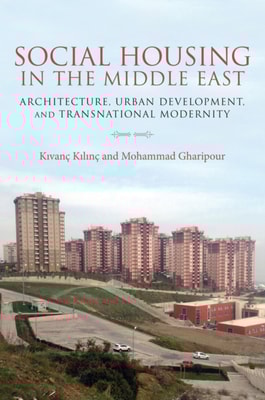
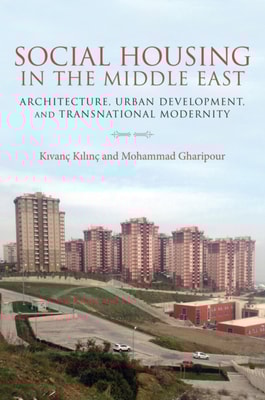
As oil-rich countries in the Middle East are increasingly associated with soaring skyscrapers and modern architecture, attention is being diverted away from the pervasive struggles of social housing in those same urban settings.
As oil-rich countries in the Middle East are increasingly associated with soaring skyscrapers and modern architecture, attention is being diverted away from the pervasive struggles of social housing in those same urban settings.
This book, first published in Finnish in 1985 under the title Aalto, is a critical introduction to Finnish architect Alvar Aalto (1898-1976), written by one of Aalto's Finnish architectural contemporaries, Kirmo Mikkola (1934-1986).
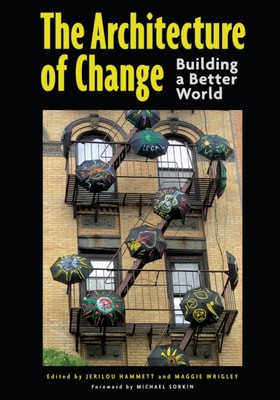
The Architecture of Change: Building a Better World is a collection of articles that demonstrates the power of the human spirit to transform the environments in which we live.
A guide to critical thinking in the 'post-truth' era, from the author of Sunday Times best-seller The Organized Mind We live in a world of information overload.
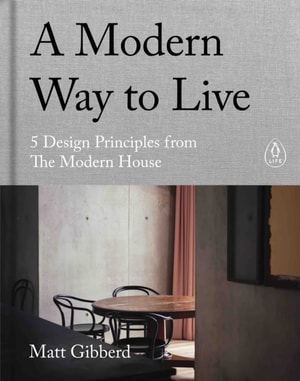
Beautifully designed and featuring breathtaking photography, this book from the creator of The Modern House makes the perfect coffee table book and is the ultimate gift for home design enthusiasts 'A source of fascination, inspiration and fantasy' GuardianIn 2005, childhood friends Matt Gibberd and Albert Hill set out to convince people of the power of good design and its ability to influence our wellbeing.
Discover and explore the most incredible statues, monuments, temples, bridges, and ancient cities with this unparalleled survey of the most famous buildings and structures ever created by humans.
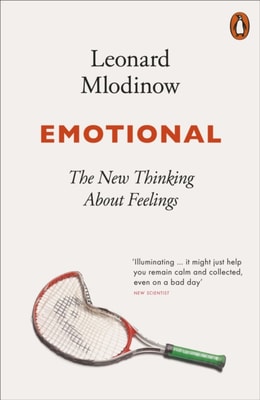
'Both a brilliant scholar and a great writer, Leonard Mlodinow guides us through the fascinating science of what we feel, and why - and what we can do about it.
From one of our leading thinkers, a dazzling philosophical journey through virtual worldsIn the coming decades, the technology that enables virtual and augmented reality will improve beyond recognition.
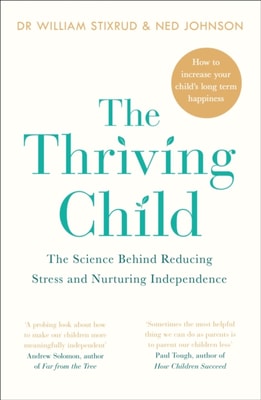
As parents we all want the best for our children, but so often over-manage every aspect of their lives, leaving them overwhelmed, lacking motivation, and at risk of mental health problems as adults.
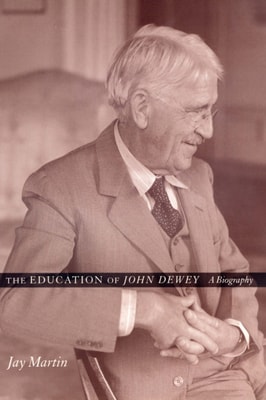
During John Dewey's lifetime (1859-1952), one public opinion poll after another revealed that he was esteemed to be one of the ten most important thinkers in American history.
The story of how the concept of a pantheon, a building honouring great individuals, spread across Revolutionary Europe and interacted with socio-political and cultural changes.
This book argues that architecture and the city and their processes can be better understood by drawing categories from disciplines that exceed the architectural and urban cultural context.
This important new book is the first of a series of volumes collecting the essential articles by the eminent and highly influential philosopher Saul A.
Situated at the crossroads of the foreign and the vernacular, Quito-the capital of Ecuador, with its world-famous yet understudied built environment-stands as a testament to architectural in-betweenness.
This important new book is the first of a series of volumes collecting the essential articles by the eminent and highly influential philosopher Saul A.
All buildings are ultimately the products of building cultures--complex systems of people, relationships, rules, and habits in which design and building are anchored.
Peter Unger's provocative new book poses a serious challenge to contemporary analytic philosophy, arguing that to its detriment it focuses the predominance of its energy on "e;empty ideas.
Peter Unger's provocative new book poses a serious challenge to contemporary analytic philosophy, arguing that to its detriment it focuses the predominance of its energy on "e;empty ideas.
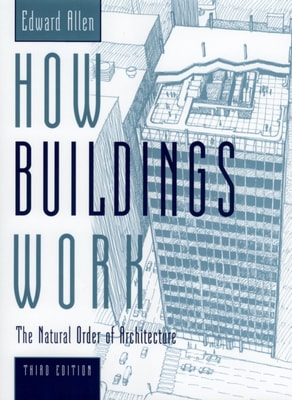
Illustrated with hundreds of illuminating line drawings, this classic guide reveals virtually every secret of a building's function: how it stands up, keeps its occupants safe and comfortable, gets built, grows old, and dies--and why some buildings do this so much better than others.
Containing over 6,000 entries from Aalto to Zwinger and written in a clear and concise style, this authoritative dictionary covers architectural history in detail, from ancient times to the present day.
The current phase of capitalist development manifests itself through a very diverse range of spatial byproducts: data centers, warehouses, container terminals, logistics parks, and many others.