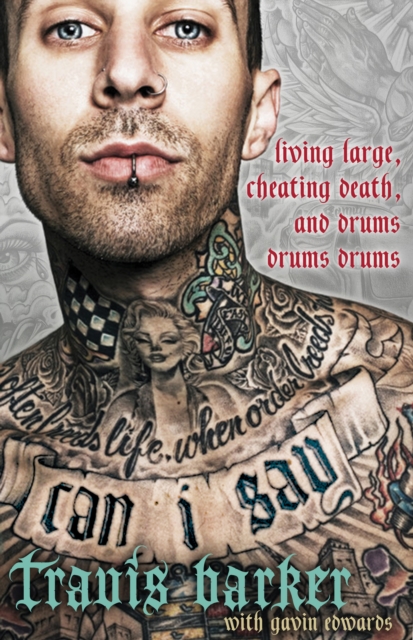
Travis Barkers soul-baring memoir chronicles the highlights and lowlights of the renowned drummers art and his life, including the harrowing plane crash that nearly killed him and his traumatic road to recoverya fascinating never-before-told-in-full story of personal reinvention grounded in musical salvation and fatherhood.
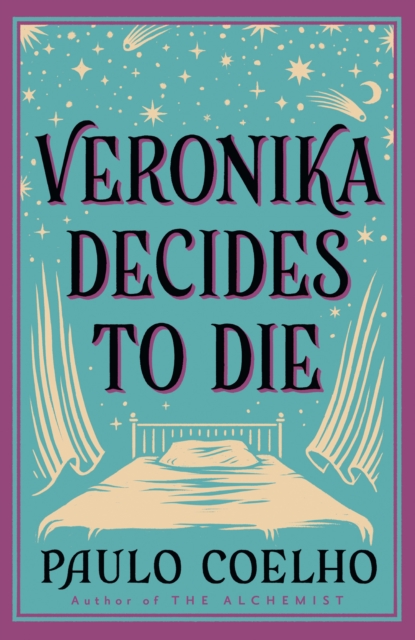
A novel from internationally acclaimed author Paulo Coelho - a dramatic story of love, life and death that shows us all why every second of our existence is a choice we all make between living and dying.
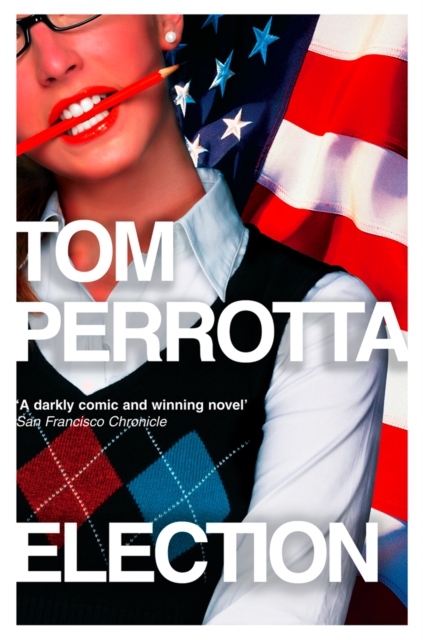
A brilliantly funny novel from the author of 'The Abstinence Teacher' and 'Little Children', made into an acclaimed film starring Reece Witherspoon and Matthew Broderick.
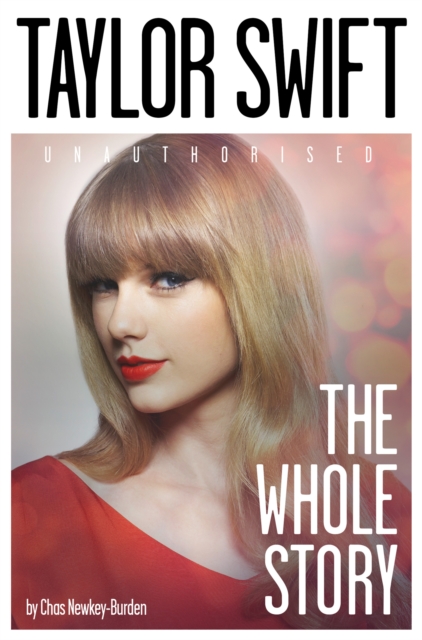
The #1 New York Times BestsellerAs Taylor releases her 11th album, THE TORTURED POET'S DEPARTMENT, catch up on the full story of Taylor Swift's stratospheric rise to fame; all any dedicated Swifty needs to know about the pop superstar who's taking over the worldA small-town girl with incredible talent - and the strength and determination to realise her dream - Taylor Swift has gone from America's sweetheart to global megastar.
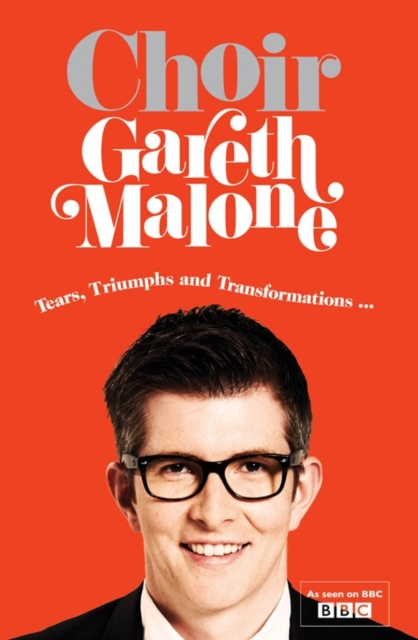
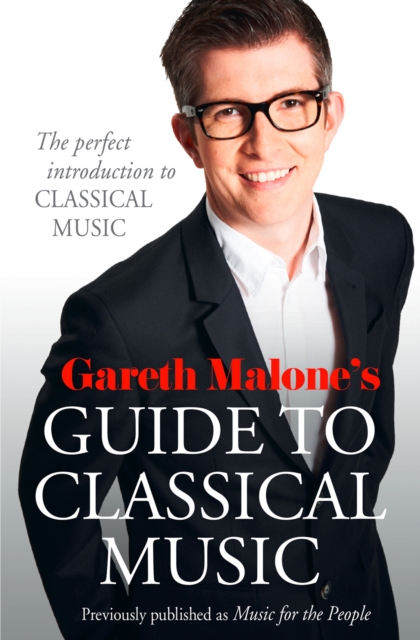
The hugely popular Gareth Malone recounts the heart-warming stories and transformations behind the award-winning BBC2 series The ChoirFor the first time, Gareth reveals everything he has learned from working with so many groups of memorable people, including the record-breaking Military Wives and latest series of The Choir being shown this Autumn.
Carl Dahlhaus here treats Nietzsche's youthful analysis of the contradictions in Wagner's doctrine (and, more generally, in romantic musical aesthetics); the question of periodicization in romantic and neo-romantic music; the underlying kinship between Brahms's and Wagner's responses to the central musical problems of their time; and the true significance of musical nationalism.
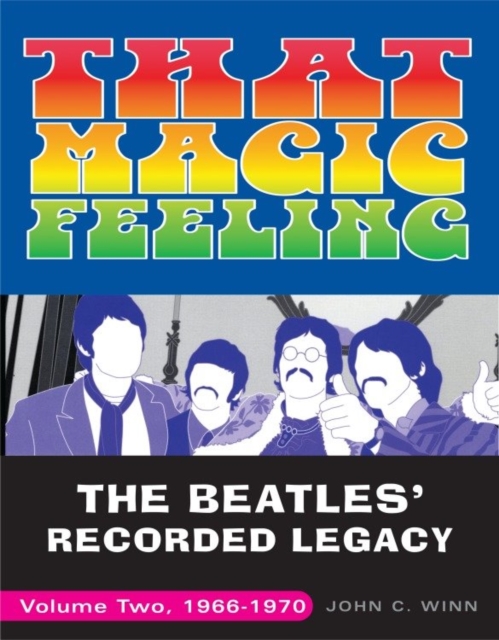
From Revolver to Let It Be, That Magic Feeling: The Beatles Recorded Legacy, Volume Two, 1966—1970, continues the chronicle of the group’s spectacular career from its creative zenith to its irrevocable split
As the Beatles moved into the mid and late 1960s, their collective and individual musical talent and innovations evolved at an unparalleled pace.
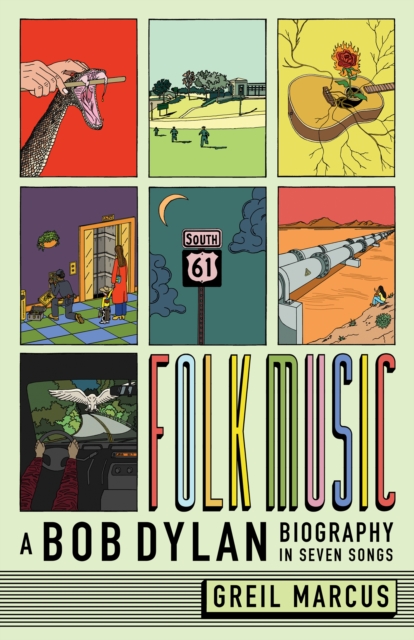
Acclaimed cultural critic Greil Marcus tells the story of Bob Dylan through the lens of seven penetrating songs"e;Marcus delivers yet another essential work of music journalism.
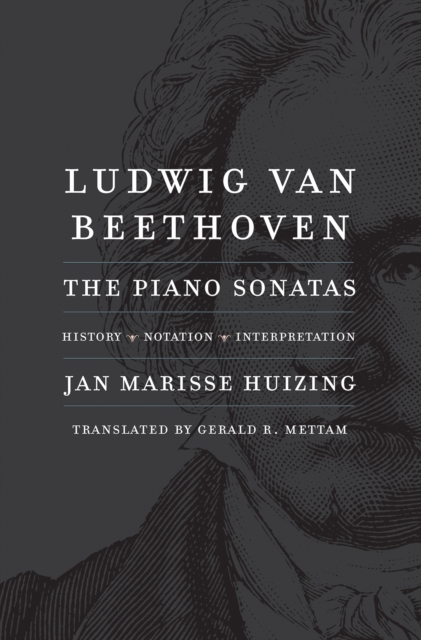
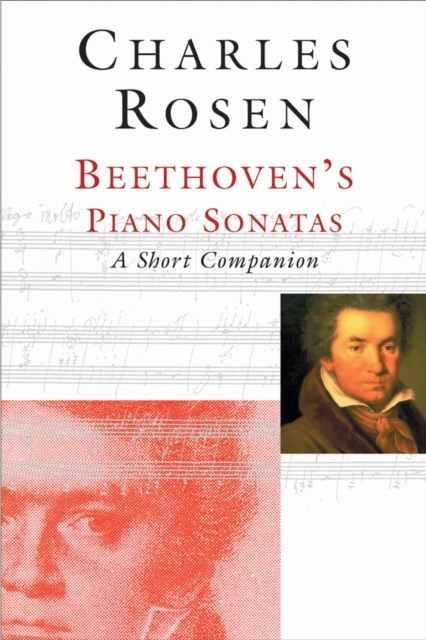
A comprehensive and immersive survey of thirty-five Beethoven piano sonatasBeethoven's piano sonatas are among the iconic cornerstones of the classical music repertoire.
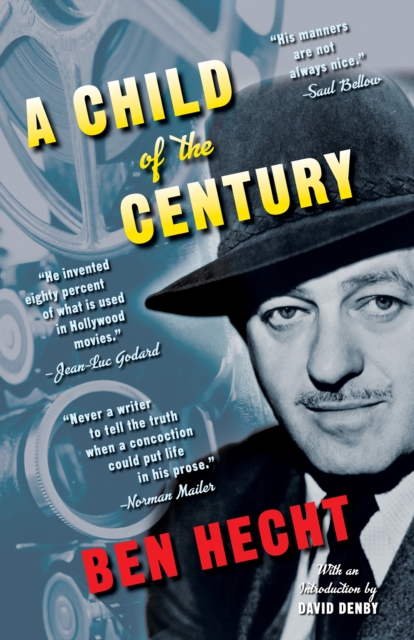
Ben Hecht’s critically acclaimed autobiographical memoir, first published in 1954, offers incomparably pungent evocations of Chicago in the 1910s and 1920s, Hollywood in the 1930s, and New York during the Second World War and after.
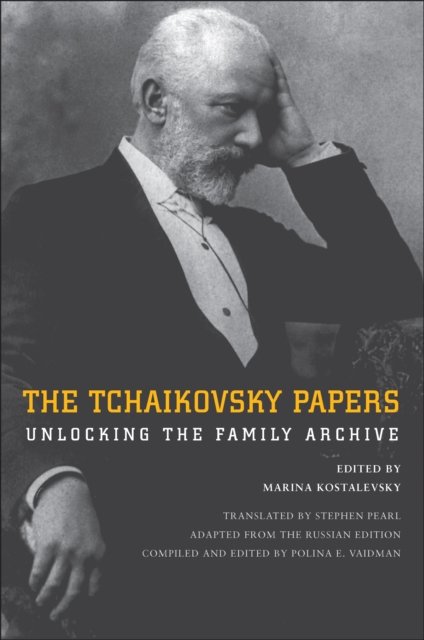
This fascinating collection of letters, notes, and miscellanea from the archives of the Tchaikovsky State House-Museum sheds new light on the world of Pyotr Ilyich Tchaikovsky.
Hermann Abert's classic biography, first published in German more than eighty years ago and itself based on the definitive mid-nineteenth century study by Otto Jahn, remains the most informed and substantial biography of Mozart in any language.
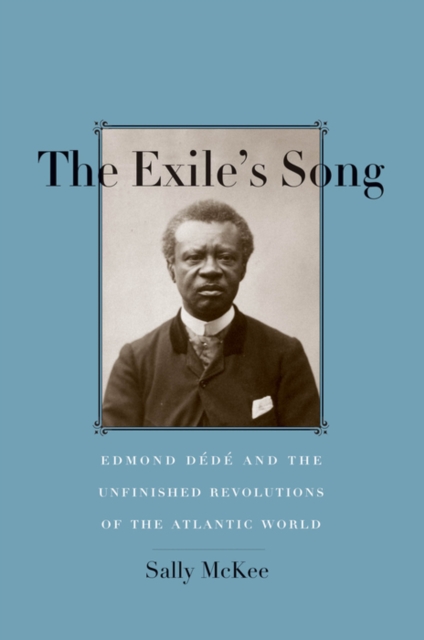
The extraordinary story of African American composer Edmond Dédé, raised in antebellum New Orleans, and his remarkable career in France In 1855, Edmond Dédé, a free black composer from New Orleans, emigrated to Paris.
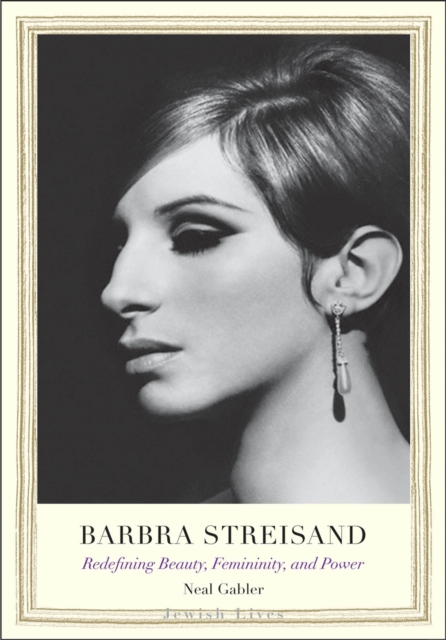
From the prizewinning Jewish Lives series, an enthralling appreciation of the monumentally gifted popular artist and cultural icon who challenged Hollywood’s standards of beauty and glamour Barbra Streisand has been called the “most successful.
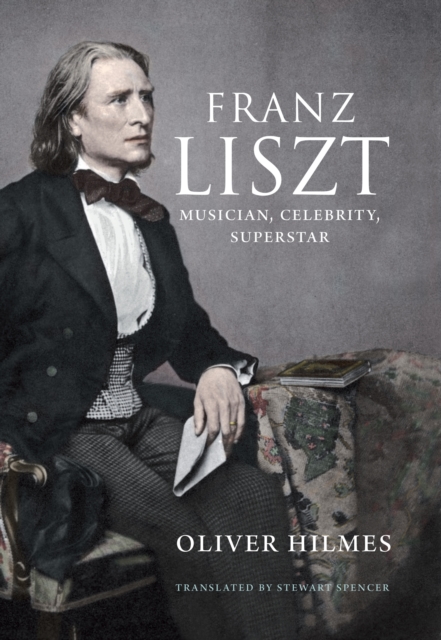
An engrossing new biography of the musical revolutionary who was the world’s first international megastar Hungarian composer Franz Liszt (1811–1886) was an anomaly.
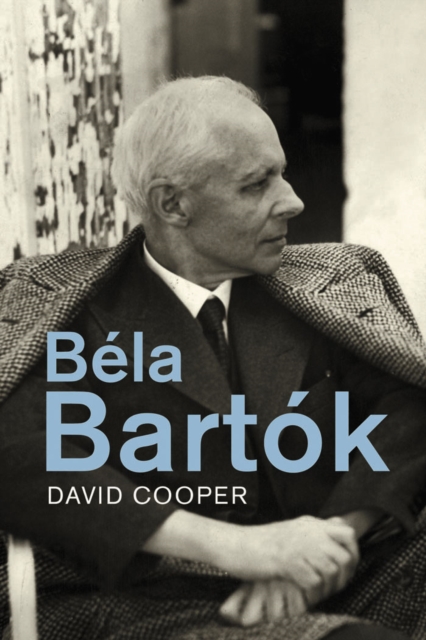
The definitive account of the life and music of Hungary’s greatest twentieth-century composer This deeply researched biography of Béla Bartók (1881–1945) provides a more comprehensive view of the innovative Hungarian musician than ever before.
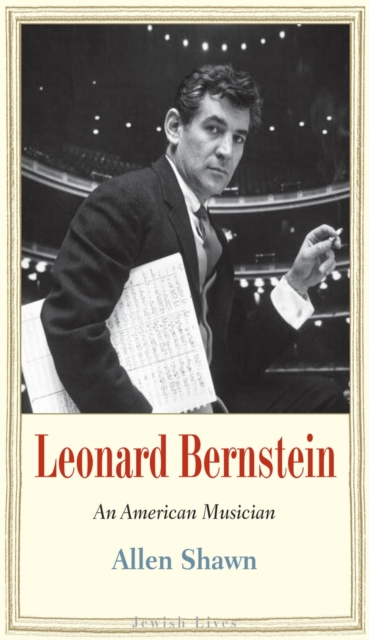
From the prizewinning Jewish Lives series, a fresh appreciation of the great musical figure that gives him his due as composer as well as conductor Leonard Bernstein stood at the epicenter of twentieth-century American musical life.
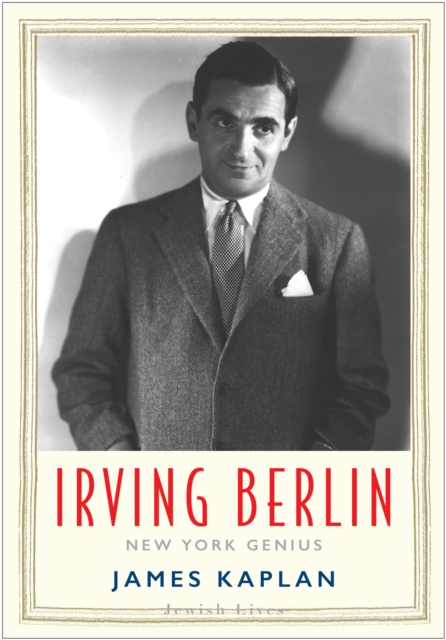
From the prizewinning Jewish Lives series, a fast-moving, musically astute portrait of arguably the greatest composer of American popular music Irving Berlin (1888–1989) has been called—by George Gershwin, among others—the greatest songwriter of the golden age of the American popular song.
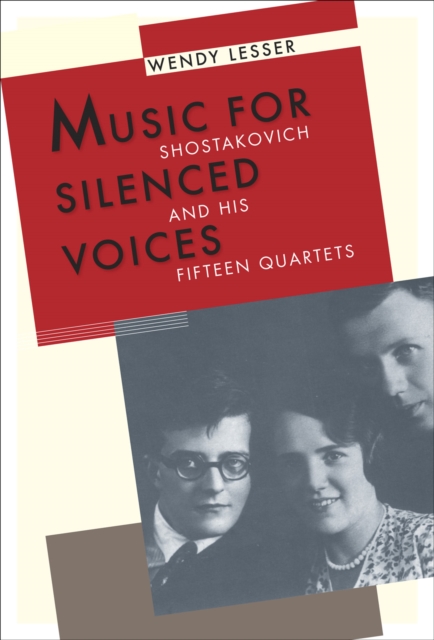
A new biography of Shostakovich that views him through the intimate music of his string quartets Most previous books about Dmitri Shostakovich have focused on either his symphonies and operas, or his relationship to the regime under which he lived, or both, since these large-scale works were the ones that attracted the interest and sometimes the condemnation of the Soviet authorities.
Bob Dylan is an iconic figure in American musical and cultural history, lauded by Time magazine as one of the hundred most important people of the twentieth century.
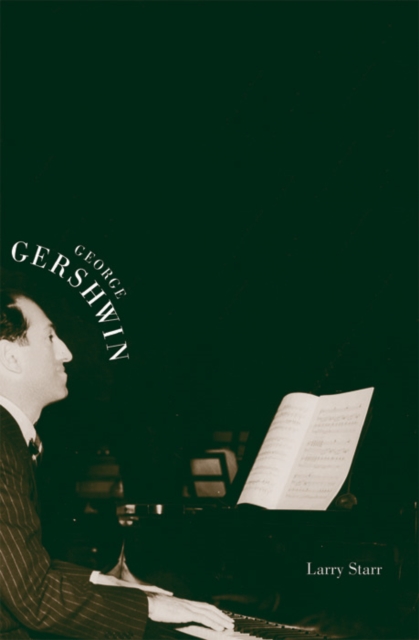
In this welcome addition to the immensely popular Yale Broadway Masters series, Larry Starr focuses fresh attention on George Gershwin’s Broadway contributions and examines their centrality to the composer’s entire career.
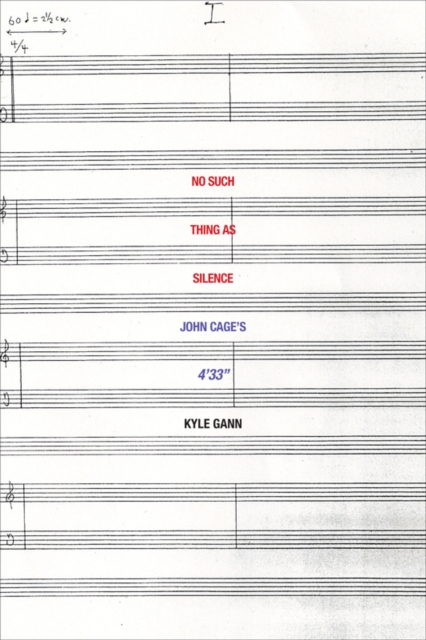
First performed at the midpoint of the twentieth century, John Cage's 4'33"e;, a composition conceived of without a single musical note,is among the most celebrated and ballyhooed cultural gestures in the history of modern music.
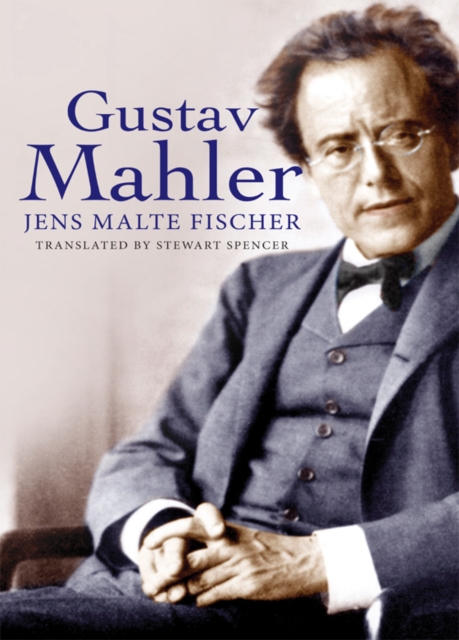
The definitive biography of the celebrated composer, published in English to coincide with the centenary of his death A best seller when first published in Germany in 2003, Jens Malte Fischer's Gustav Mahler has been lauded by scholars as a landmark work.
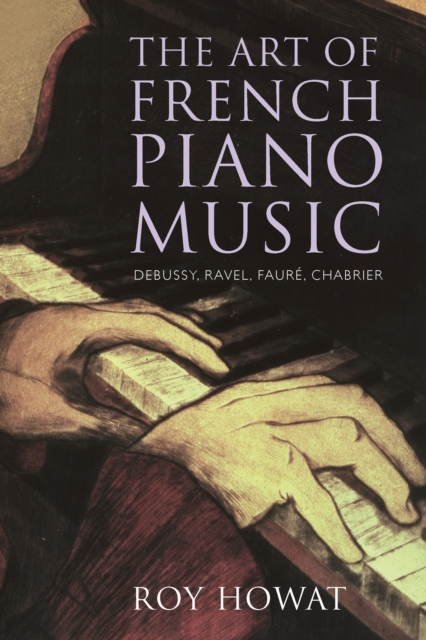
An essential resource for scholars and performers, this study by a world-renowned specialist illuminates the piano music of four major French composers, in comparative and reciprocal context.
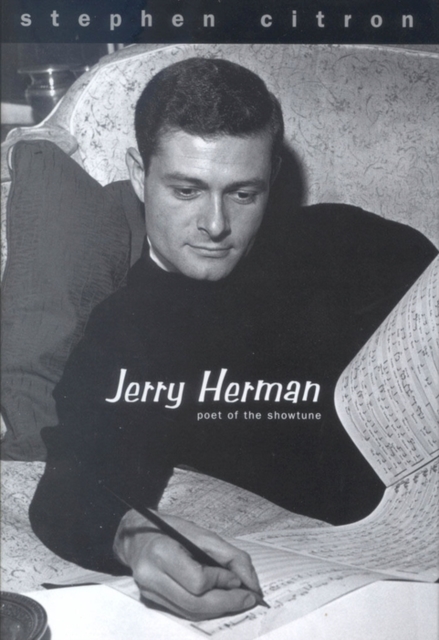
This revealing and comprehensive book tells the full story of Jerry Herman’s life and career, from his early work in cabaret to his recent compositions for stage, screen, and television.
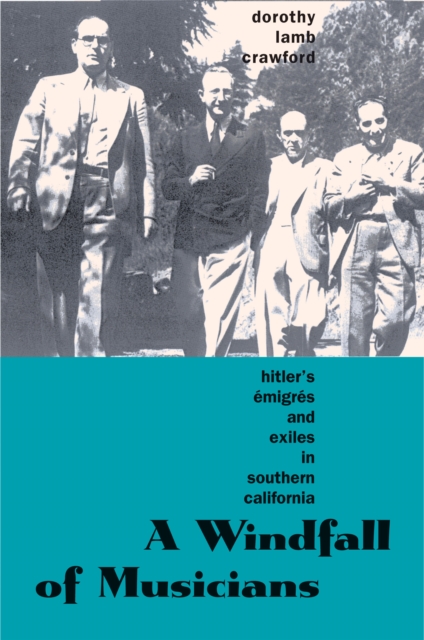
This book is the first to examine the brilliant gathering of composers, conductors, and other musicians who fled Nazi Germany and arrived in the Los Angeles area.