Richard Rodgers was an icon of the musical theater, a prolific composer whose career spanned six decades and who wrote more than a thousand songs and forty shows for the American stage.
Arnold Schoenberg’s close involvement with many of the principal developments of twentieth-century music, most importantly the break with tonality and the creation of twelve-tone composition, generated controversy from the time of his earliest works to the present day.
Igor Stravinsky and George Balanchine, among the most influential artists of the twentieth century, together created the music and movement for many ballet masterpieces.
Beethoven’s Ninth Symphony, a masterpiece that has influenced virtually every Western composer since its premiere, has become associated with the marking of momentous public occasions.
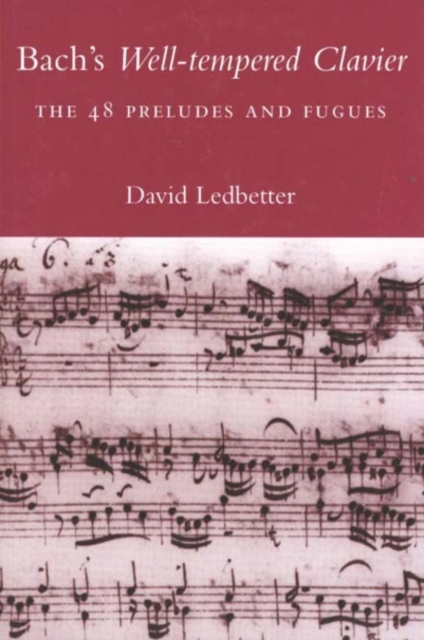
Bach’s Well-tempered Clavier (or the 48 Preludes and Fugues) stands at the core of baroque keyboard music and has been a model and inspiration for performers and composers ever since it was written.
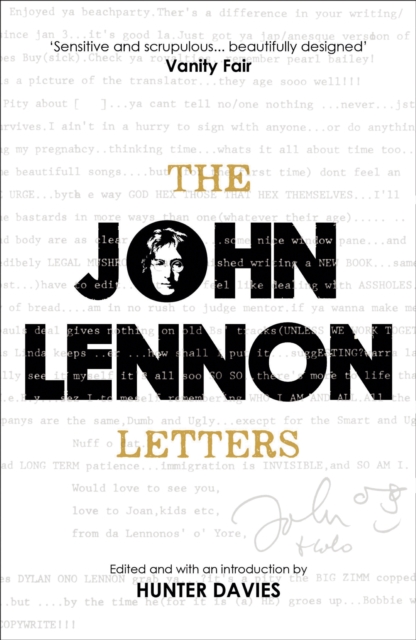
A lifetime of letters, collected for the first time, from the legendary The Beatles musician and songwriter John LennonJohn Lennon is one of the world's greatest-ever song writers, creator of 'Help!
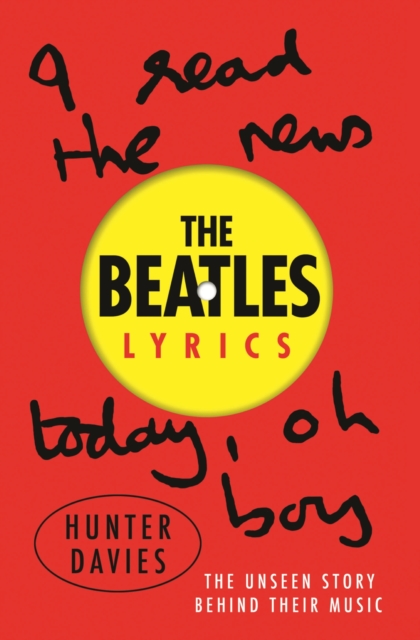
Many books have appeared over the years about the Beatles lyrics -- about the words of those songs which the whole world knows and sings, and will sing for ever, as long as we have the breath to hum the tunes.
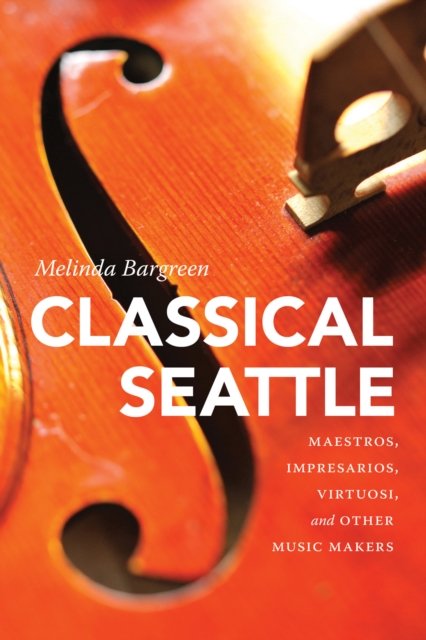
The past 50 years have seen a tremendous arts boom in Seattle, which has given the city not only internationally recognized classical music institutions but also great performance halls to showcase their work and that of visiting artists.
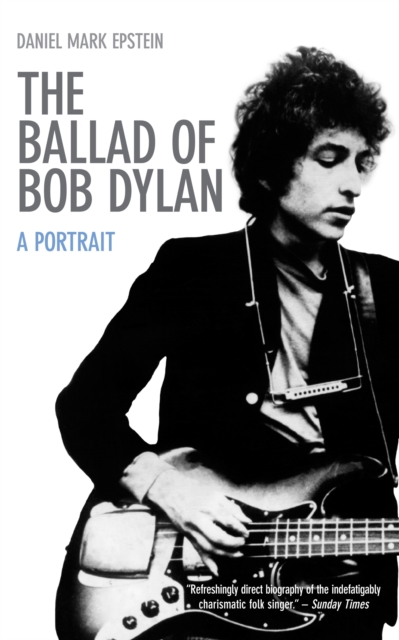
Dylan's songs sound as if they have been part of the folk music tradition for centuries The Ballad of Bob Dylan examines the influences behind his songs.
'Essential reading for anyone interested in the heady, vulgar, marvellous miasma of British music and culture in the nineties' - Irving Welsh'A true believer in the power of music and more importantly a believer in the people that make music.
From a council house in Kent to her first home in the Hollywood hills, from being told she was too big to model to becoming an inspiration for curvy girls everywhere, Kelly's life has taken many unexpected turns.
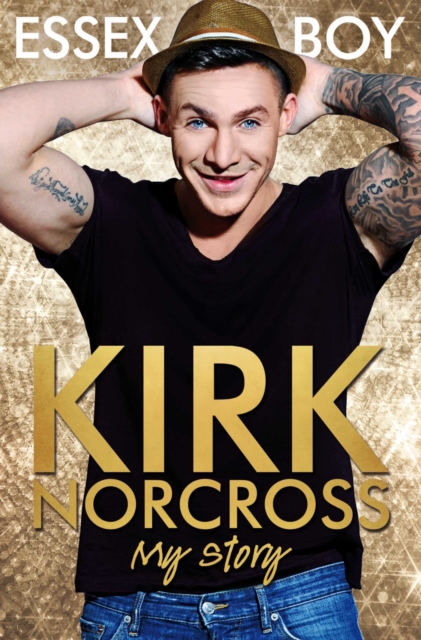
One of the original cast members of the award-winning reality series The Only Way is Essex, Kirk is often portrayed as the good-looking rich kid, splashing out thousands on bottles of champagne and dating glamorous women like Amy Childs and Lauren Pope.
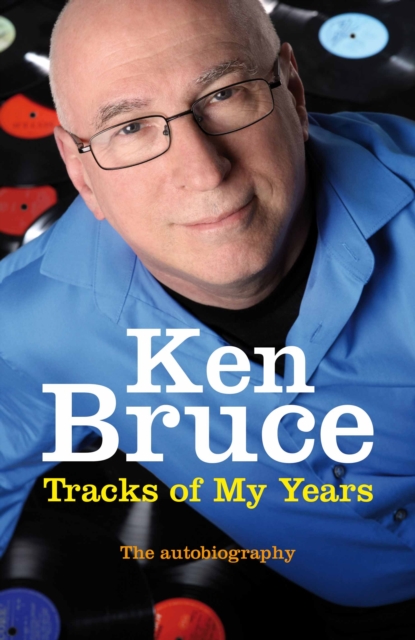
From his childhood in 1950s Glasgow, when he was affectionately known to his older brothers as 'the wee bastard', to his wildnerness years as an accountant when he longed to achieve his dream and join the BBC, Tracks of My Years tells the story of Ken Bruce's remarkable career.
From the prizewinning Jewish Lives series, a fresh appreciation of the great musical figure that gives him his due as composer as well as conductor Leonard Bernstein stood at the epicenter of twentieth-century American musical life.
This long-awaited, authoritative account of Bartok's compositional processes stresses the composer's position as one of the masters of Western music history and avoids a purely theoretical approach or one that emphasizes him as an enthusiast for Hungarian folk music.
When Igor Stravinsky's ballet Le Sacre du printemps (The Rite of Spring) premiered during the 1913 Paris season of Sergei Diaghilev's Ballets Russes, its avant-garde music and jarring choreography scandalized audiences.
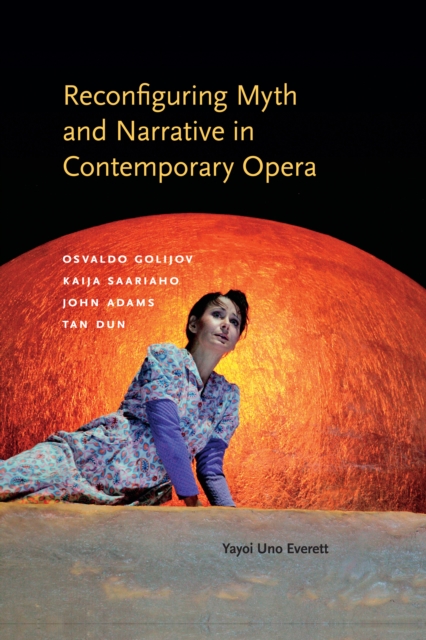
Yayoi Uno Everett focuses on four operas that helped shape the careers of the composers Osvaldo Golijov, Kaija Saariaho, John Adams, and Tan Dun, which represent a unique encounter of music and production through what Everett calls "e;multimodal narrative.
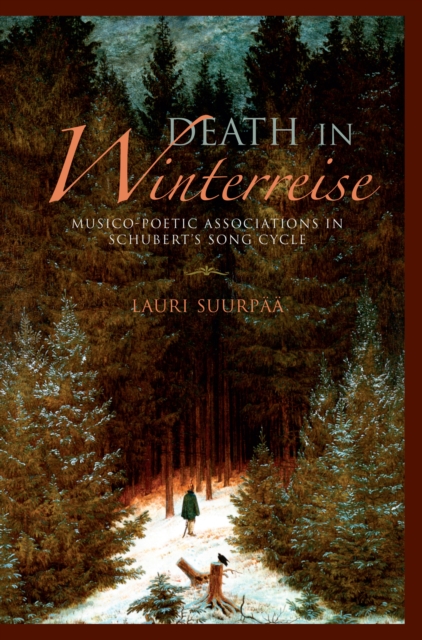
Lauri Suurpaa brings together two rigorous methodologies, Greimassian semiotics and Schenkerian analysis, to provide a unique perspective on the expressive power of Franz Schubert's song cycle.
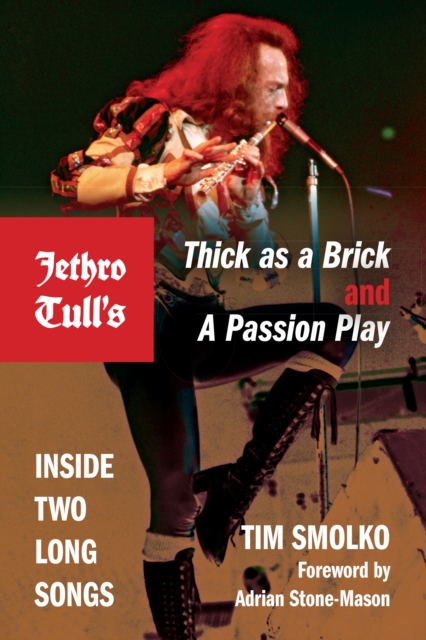
Since the 1960s, British progressive rock band Jethro Tull has pushed the technical and compositional boundaries of rock music by infusing its musical output with traditions drawn from classical, folk, jazz, and world music.