Edited by prominent musician and scholar Leonard Brown, John Coltrane and Black America's Quest for Freedom: Spirituality and the Music is a timely exploration of Coltrane's sound and its spiritual qualities that are rooted in Black American music-culture and aspirations for freedom.
In Meeting Jimmie Rodgers, the first book to explore the deep legacy of "e;The Singing Brakeman"e; from a twenty-first century perspective, Barry Mazor offers a lively look at Rodgers' career, tracing his rise from working-class obscurity to the pinnacle of renown that came with such hits as "e;Blue Yodel"e; and "e;In the Jailhouse Now.
During the years preceding the composition of Tristan and Isolde, Wagner's aesthetics underwent a momentous turnaround, principally as a result of his discovery of Schopenhauer.
William Kinderman's detailed study of Parsifal, described by the composer as his "e;last card,"e; explores the evolution of the text and music of this inexhaustible yet highly controversial music drama across Wagner's entire career, and offers a reassessment of the ideological and political history of Parsifal, shedding new light on the connection of Wagner's legacy to the rise of National Socialism in Germany.
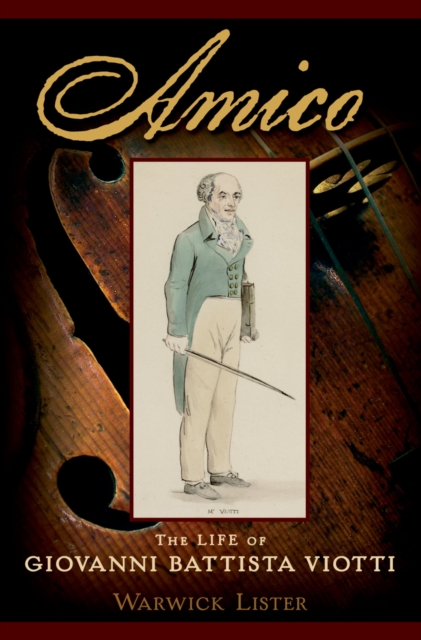
This is the first full-length biography in English of Giovanni Battista Viotti (1755-1824), one of the great violinist-composers in the history of music, and arguably the most influential violinist who ever lived.
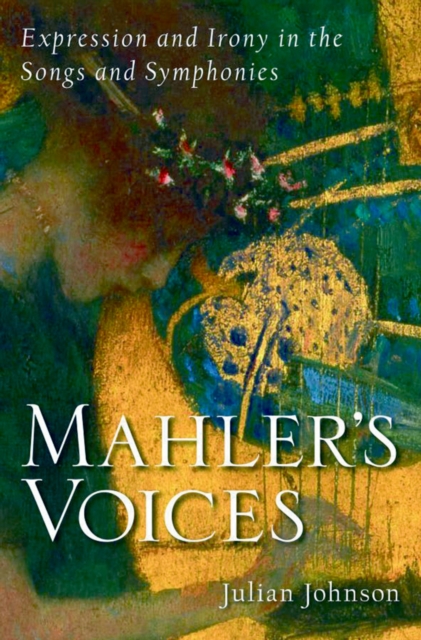
Mahler's Voices brings together a close reading of the renowned composer's music with wide-ranging cultural and historical interpretation, unique in being a study not of Mahler's works as such but of Mahler's musical style.
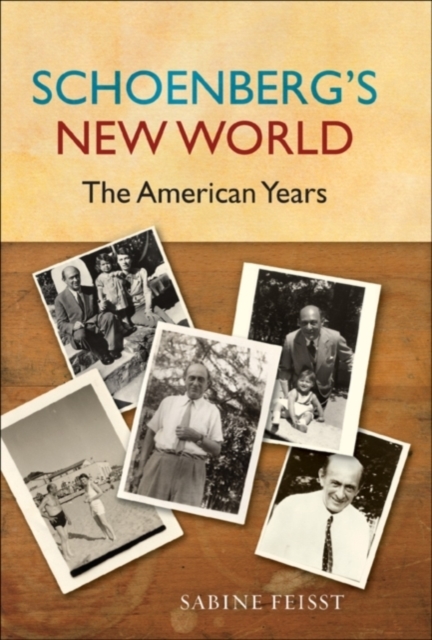
Arnold Schoenberg was a polarizing figure in twentieth century music, and his works and ideas have had considerable and lasting impact on Western musical life.
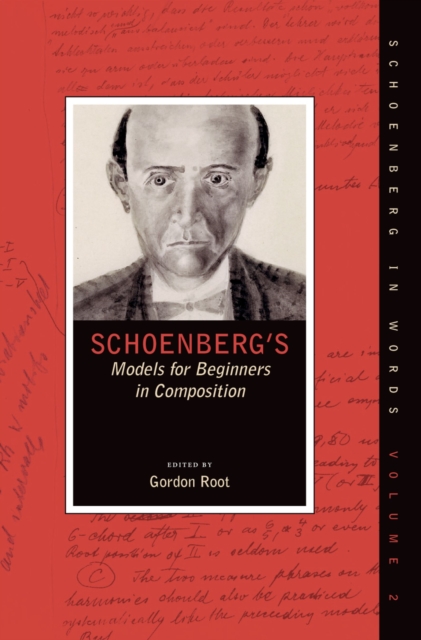
Originally published in 1943, Models for Beginners in Composition represents one of Arnold Schoenberg's earliest attempts at reaching a broad American audience through his pedagogical ideas.
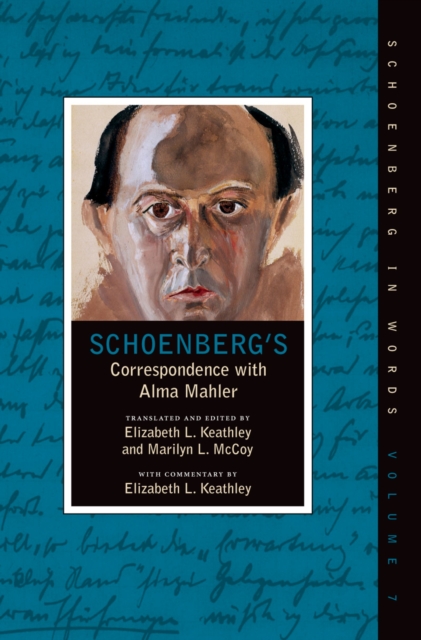
A fresh perspective on two well-known personalities, Schoenberg's Correspondence with Alma Mahler documents a modern music friendship beginning in fin-de-siecle Vienna and ending in 1950s Los Angeles.
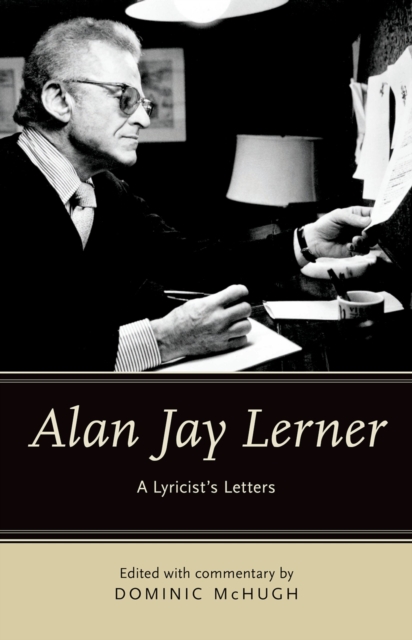
The man behind "e;I Could Have Danced all Night"e; and "e;Almost Like Being in Love"e;, lyricist Alan Jay Lerner (1918-1986) is widely regarded as one of the most important figures of the American musical stage.
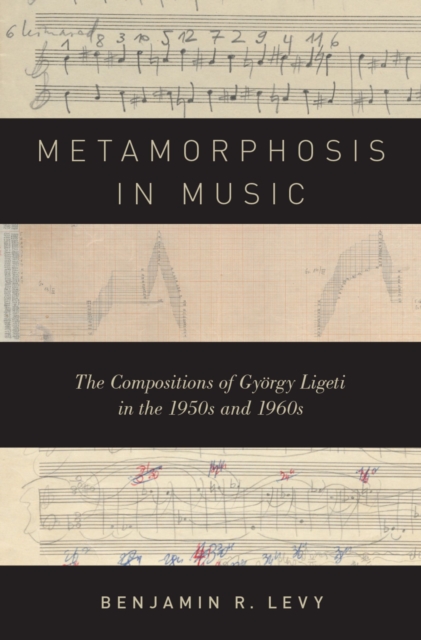
From the mid-1950s through the 1960s, Hungarian composer Gyorgy Ligeti went through a remarkable period of stylistic transition, from the emulation of his fellow countryman Bela Bartok to his own individual style at the forefront of the Western-European avant-garde.
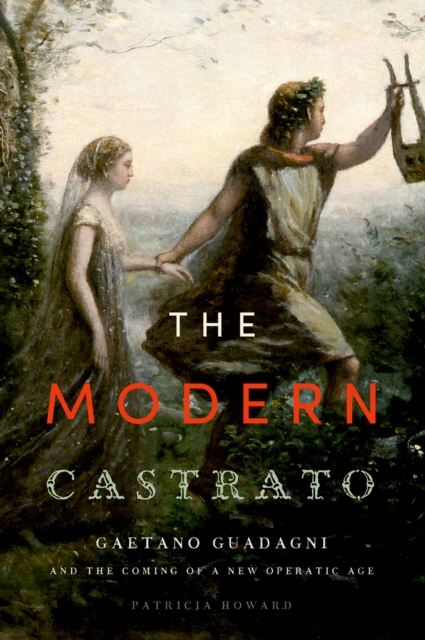
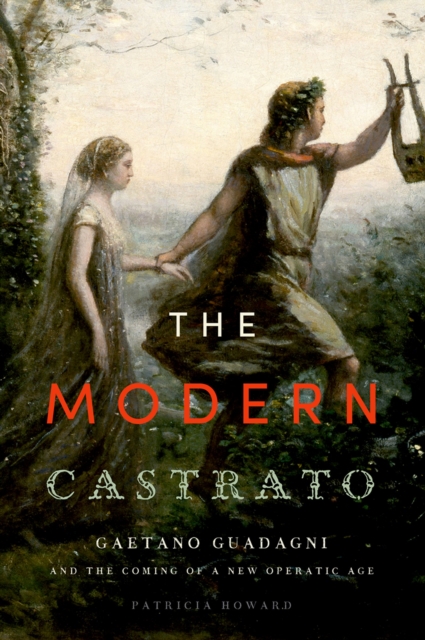
The Modern Castrato: Gaetano Guadagni and the Coming of a New Operatic Age chronicles the career of the most significant castrato of the second half of the eighteenth-century.
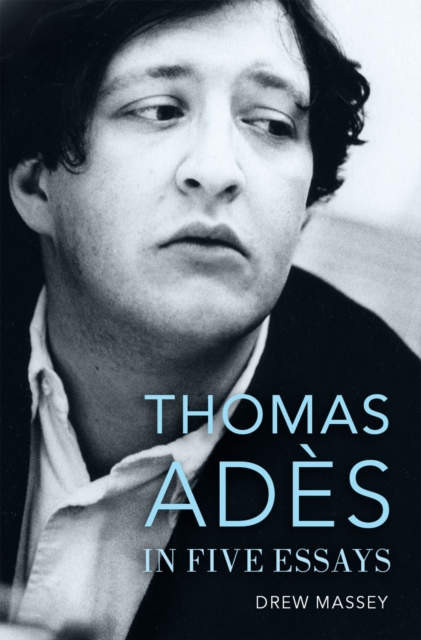
The British composer, conductor, and pianist Thomas Ades has achieved a level of recognition and celebrity within the world of classical music today that is almost unmatched.
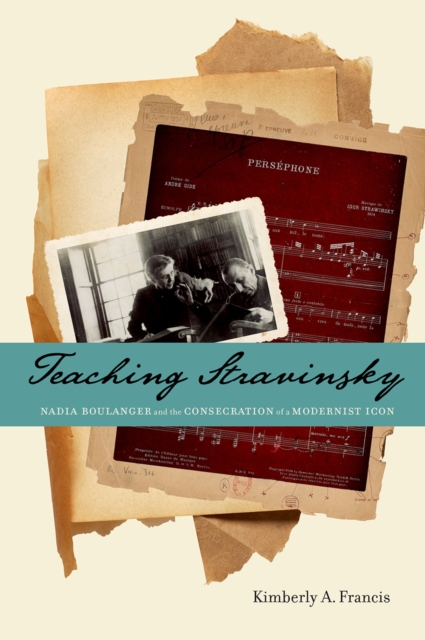
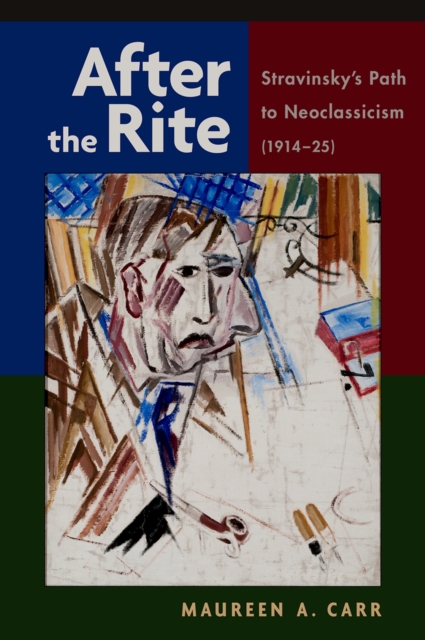
The riot that erupted during the 1913 debut of Igor Stravinsky's The Rite of Spring at the Theatre des Champs-Elysees in Paris has long been one of the most infamous and intriguing events of modern musical history.
The Modern Castrato: Gaetano Guadagni and the Coming of a New Operatic Age chronicles the career of the most significant castrato of the second half of the eighteenth-century.
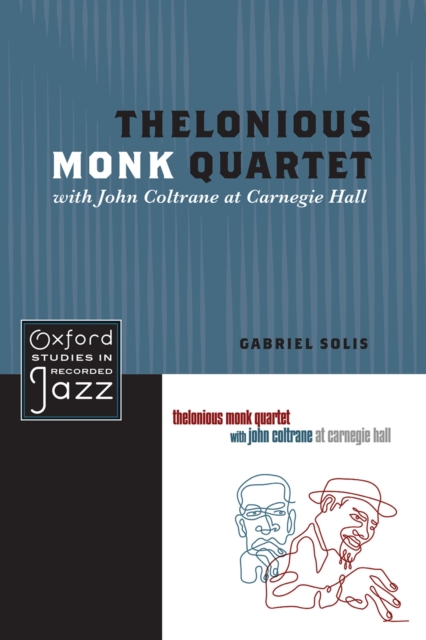
In early 2005, an engineer at the Library of Congress accidentally discovered, in an unmarked box, the recording of Thelonious Monk's and John Coltrane's performance at a 1957 benefit concert at Carnegie Hall.
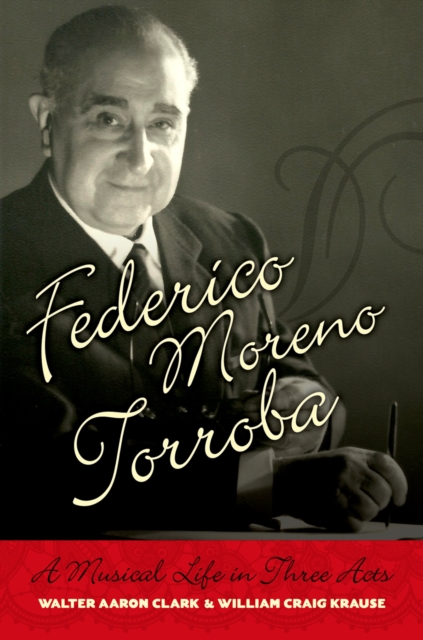
The last of the Spanish Romantics, composer, conductor, and impresario Federico Moreno Torroba (1891-1982) left his mark on virtually every aspect of Spanish musical culture during a career that spanned six decades and saw tremendous political and cultural upheavals.
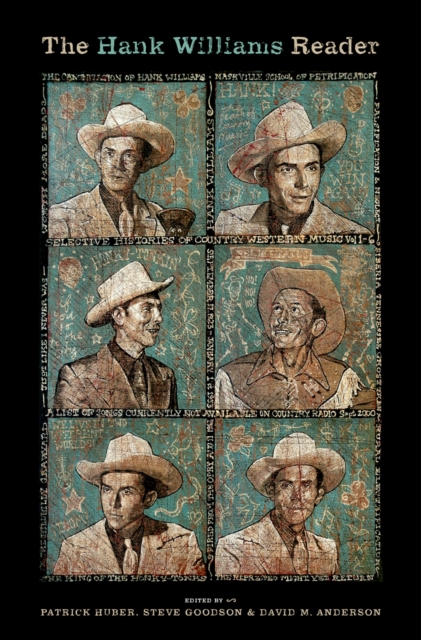
When Hank Williams died on New Year's Day 1953 at the age of twenty-nine, his passing appeared to bring an abrupt end to a saga of rags-to-riches success and anguished self-destruction.
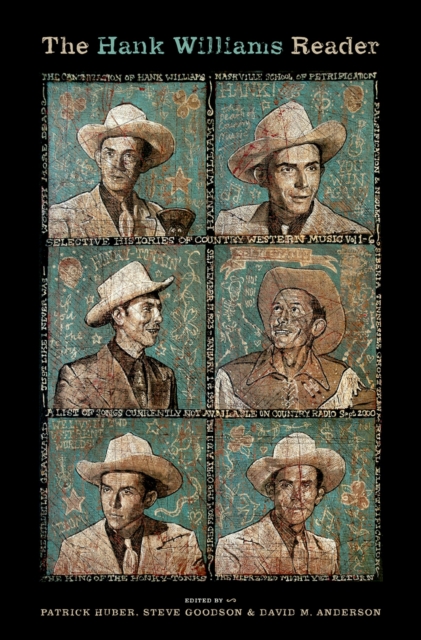
When Hank Williams died on New Year's Day 1953 at the age of twenty-nine, his passing appeared to bring an abrupt end to a saga of rags-to-riches success and anguished self-destruction.
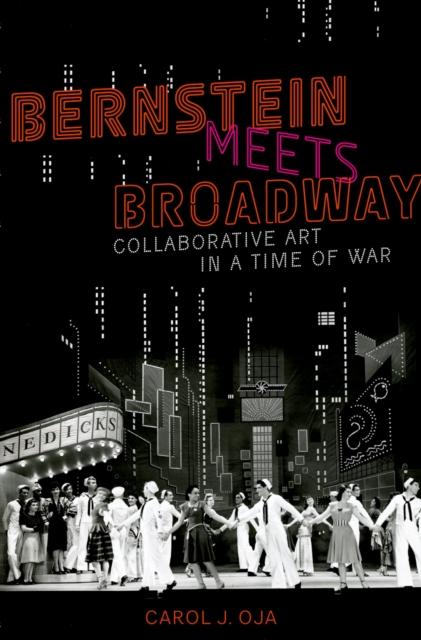
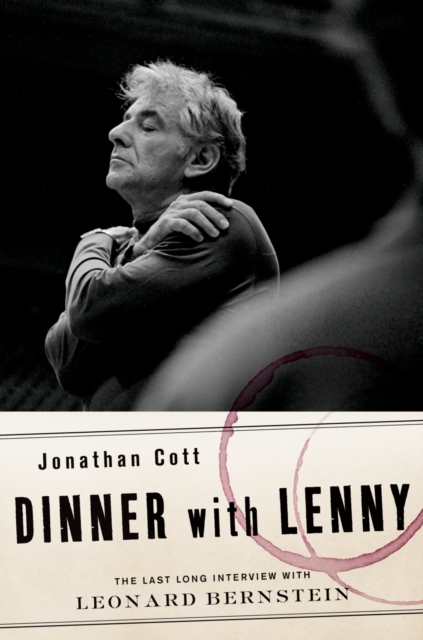
Winner of the 2015 Music in American Culture Award from the American Musicological SocietyWhen Leonard Bernstein first arrived in New York City, he was an unknown artist working with other brilliant twentysomethings, notably Jerome Robbins, Betty Comden, and Adolph Green.
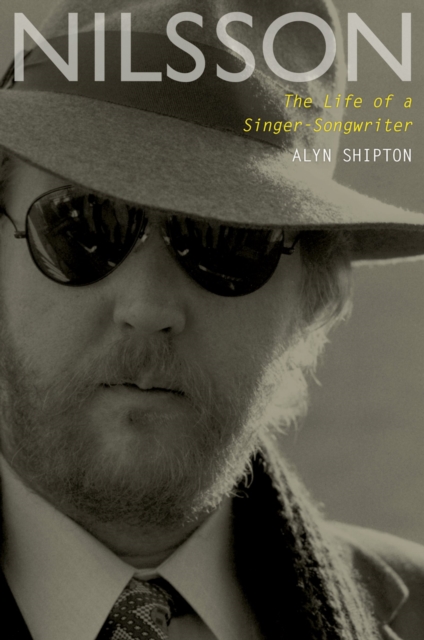
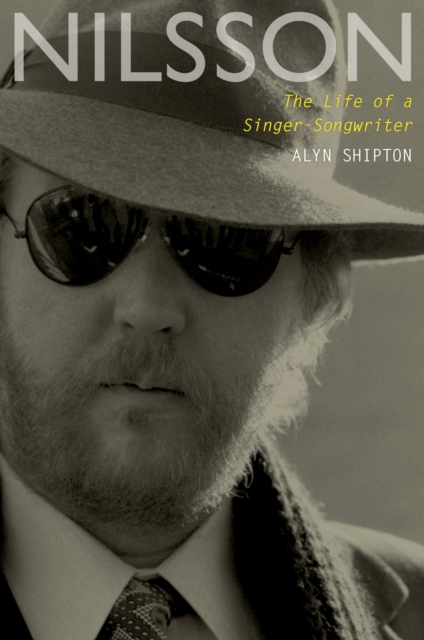
Paul McCartney and John Lennon described him as the Beatles' "e;favorite group,"e; he won Grammy awards, wrote and recorded hit songs, and yet no figure in popular music is as much of a paradox, or as underrated, as Harry Nilsson.
Paul McCartney and John Lennon described him as the Beatles' "e;favorite group,"e; he won Grammy awards, wrote and recorded hit songs, and yet no figure in popular music is as much of a paradox, or as underrated, as Harry Nilsson.
As one of the most popular classical composers in the performance repertoire of professional and amateur orchestras and choirs across the world, Gustav Mahler continues to generate significant interest, and the global appetite for his music, and for discussions of it, remains large.
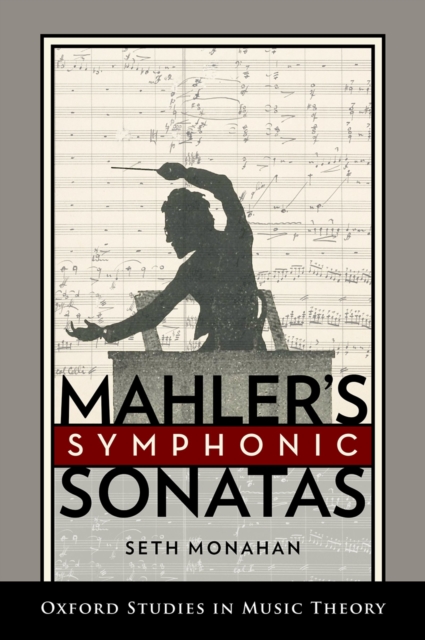
Why would Gustav Mahler (1860-1911), modernist titan and so-called prophet of the New Music, commit himself time and again to the venerable sonata-allegro form of Mozart and Beethoven?
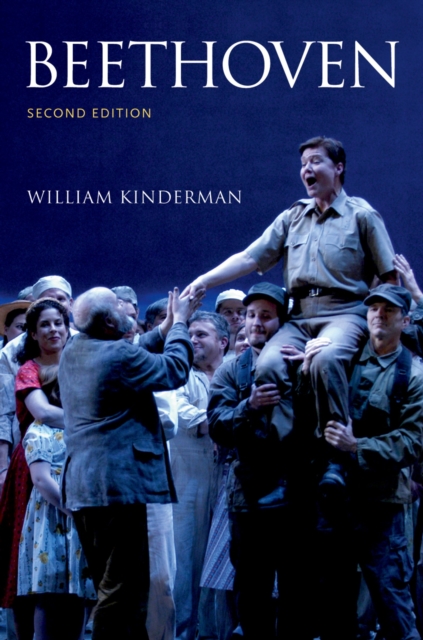
Combining musical insight with the most recent research, William Kinderman's Beethoven is both a richly drawn portrait of the man and a guide to his music.
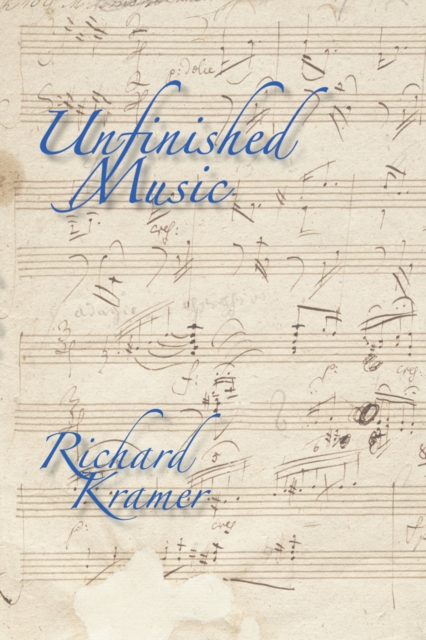
Unfinished Music draws its inspiration from the riddling aphorism by Walter Benjamin that serves as its epigraph: "e;the work is the death mask of its conception.
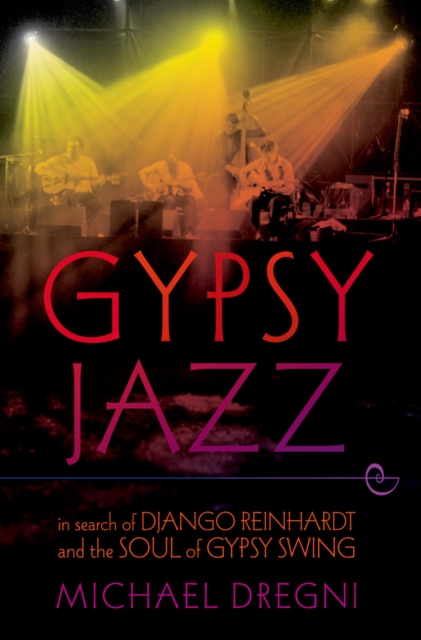
Of all the styles of jazz to emerge in the twentieth century, none is more passionate, more exhilaratingly up-tempo, or more steeped in an outsider tradition than Gypsy Jazz.
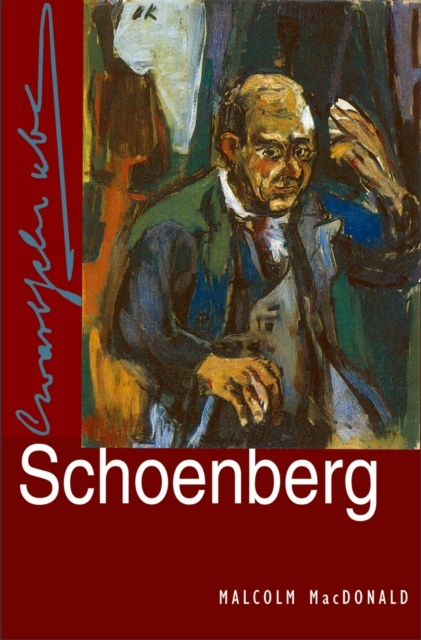
In this completely rewritten and updated edition of his long-indispensable study, Malcolm MacDonald takes advantage of 30 years of recent scholarship, new biographical information, and deeper understanding of Schoenberg's aims and significance to produce a superb guide to Schoenberg's life and work.
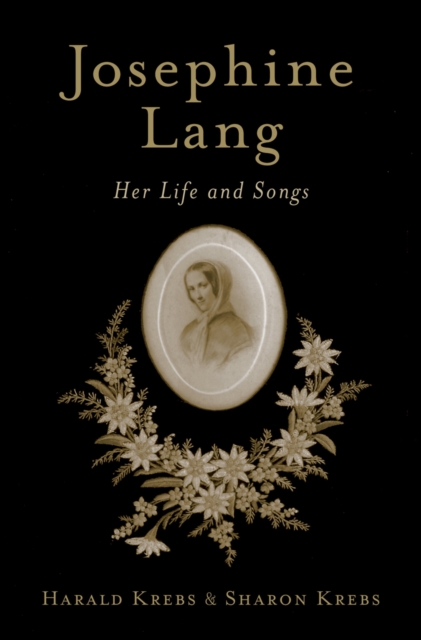
Josephine Lang (1815-80) was one of the most gifted, respected, prolific, and widely published song composers of the nineteenth century, yet her life and works have remained virtually unknown.