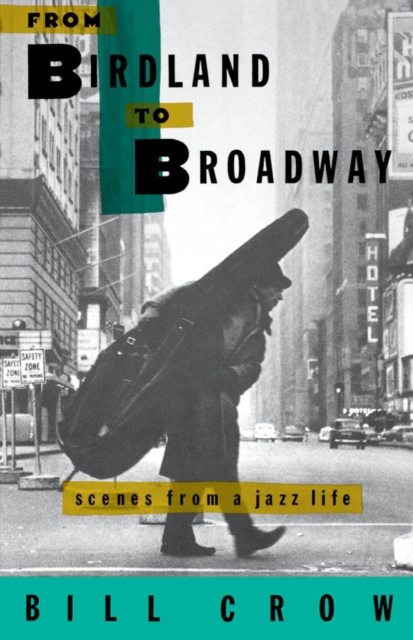
In the 1950s, New York City's Birdland was the center of the world of modern jazz--and a revelation to Bill Crow, a wet-behind-the-ears twenty-two-year-old from Washington State.
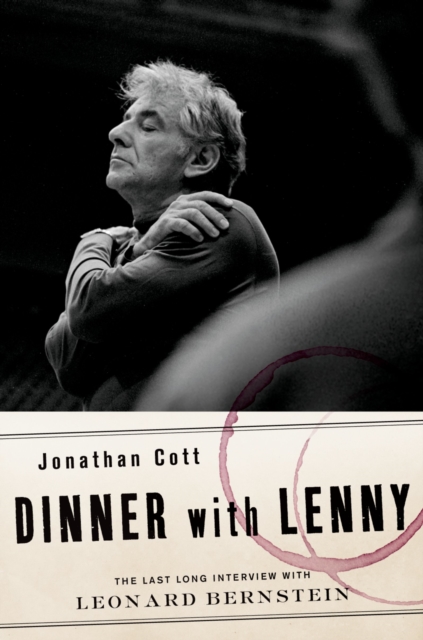
Winner of the 2015 Music in American Culture Award from the American Musicological SocietyWhen Leonard Bernstein first arrived in New York City, he was an unknown artist working with other brilliant twentysomethings, notably Jerome Robbins, Betty Comden, and Adolph Green.
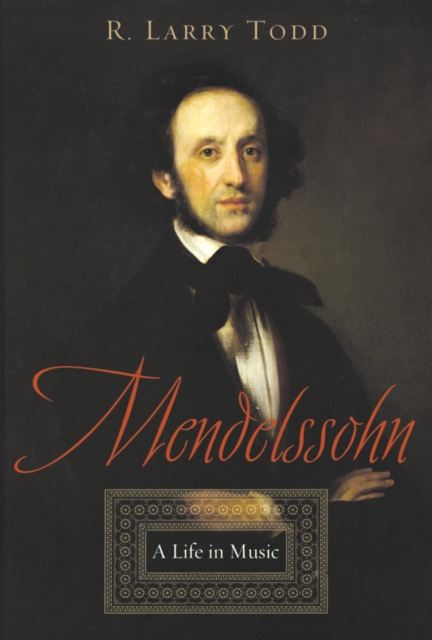
An extraordinary prodigy of Mozartean abilities, Felix Mendelssohn Bartholdy was a distinguished composer and conductor, a legendary pianist and organist, and an accomplished painter and classicist.
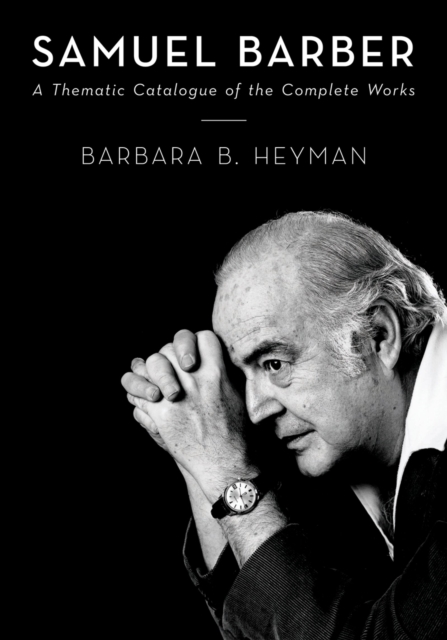
Samuel Barber: A Thematic Catalogue of the Complete Works is the first publication to list the entire musical output of Samuel Barber, one of the most beloved and frequently performed American composers.
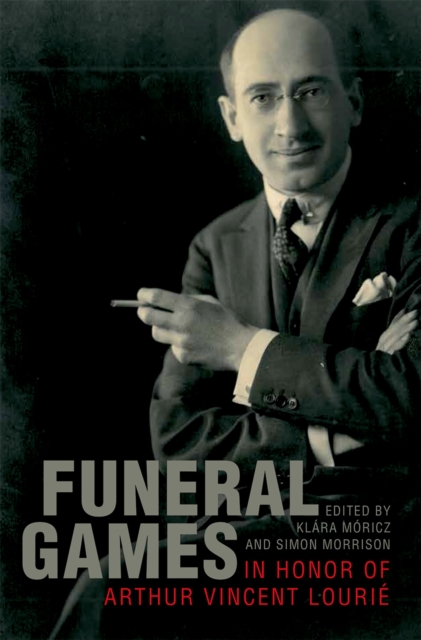
Funeral Games in Honor of Arthur Vincent Lourie explores the varied aesthetic impulses and ever-evolving personal motivations of Russian composer Arthur Lourie.
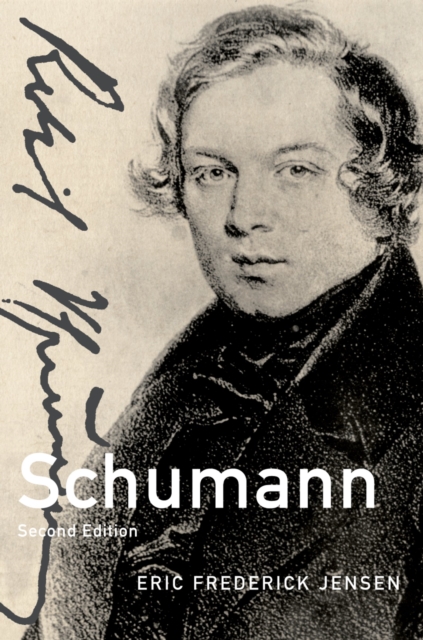
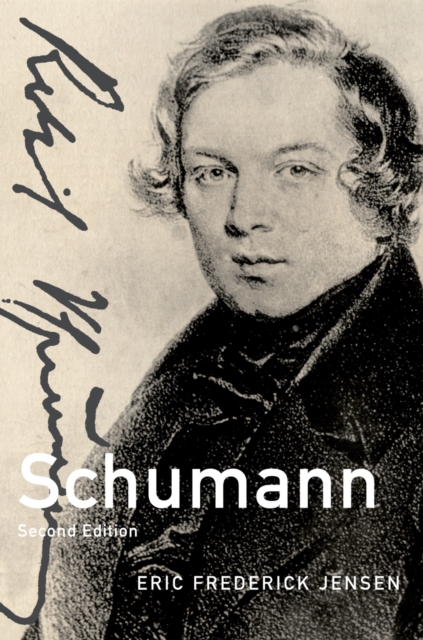
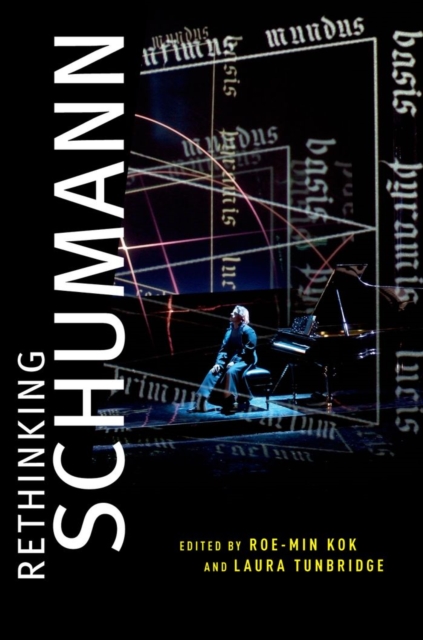
A provocative re-examination of a major romantic composer, Rethinking Schumann provides fresh approaches to Schumann's oeuvre and its reception from the perspectives of literature, visual arts, cultural history, performance studies, dance, and film.
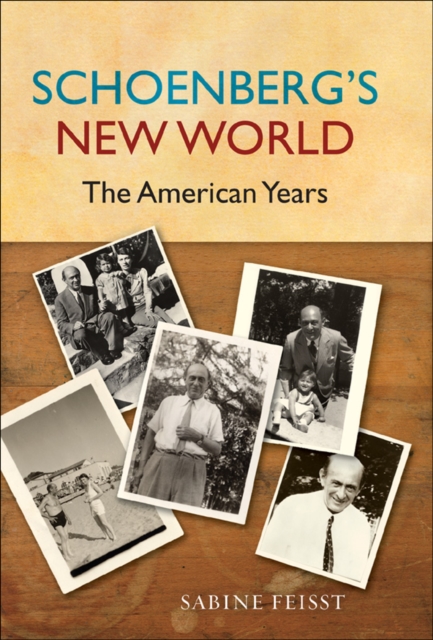
Arnold Schoenberg was a polarizing figure in twentieth century music, and his works and ideas have had considerable and lasting impact on Western musical life.
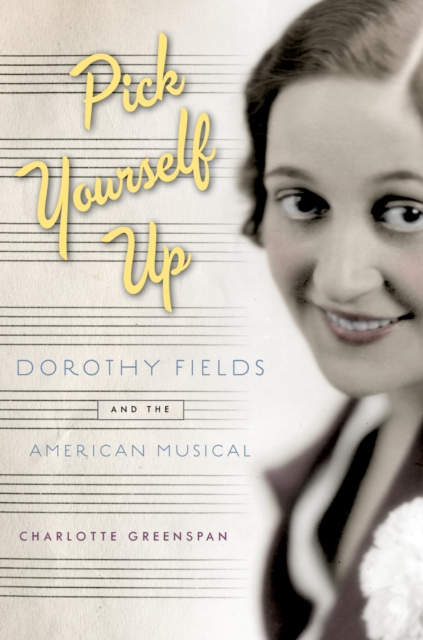
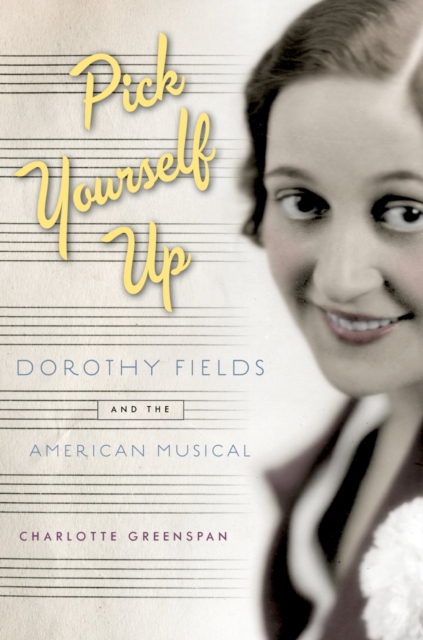
In a career that spanned nearly five decades, Dorothy Fields penned the words to more than four hundred songs, among them mega-hits such as "e;On the Sunny Side of the Street,"e; "e;I Can't Give You Anything But Love,"e; "e;The Way You Look Tonight,"e; and "e;If My Friends Could See Me Now.
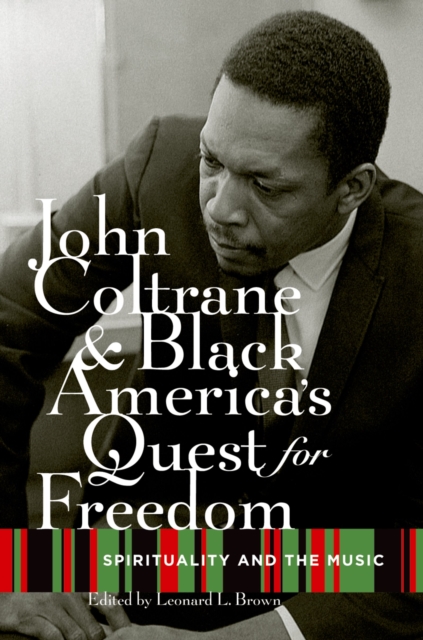
Edited by prominent musician and scholar Leonard Brown, John Coltrane and Black America's Quest for Freedom: Spirituality and the Music is a timely exploration of Coltrane's sound and its spiritual qualities that are rooted in Black American music-culture and aspirations for freedom.
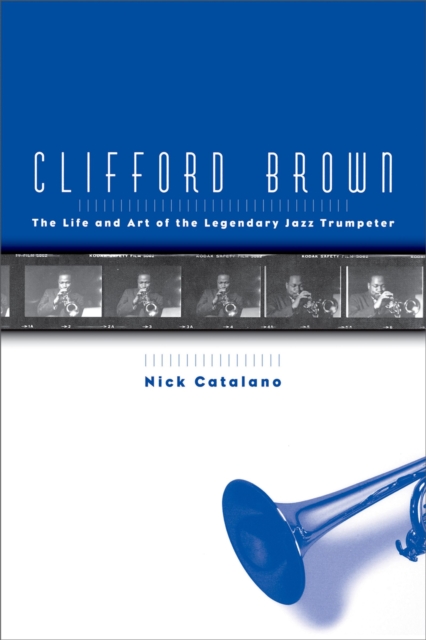
Although he died in a tragic car accident at twenty-five, Clifford Brown is widely considered one of the most important figures in the history of jazz, a trumpet player who ranks with Louis Armstrong, Dizzy Gillespie, and Miles Davis, and a leading influence on contemporary jazz musicians.
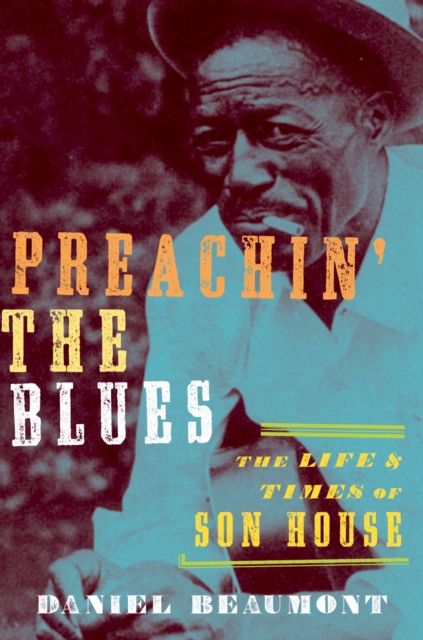
In June of 1964, three young, white blues fans set out from New York City in a Volkswagen, heading for the Mississippi Delta in search of a musical legend.
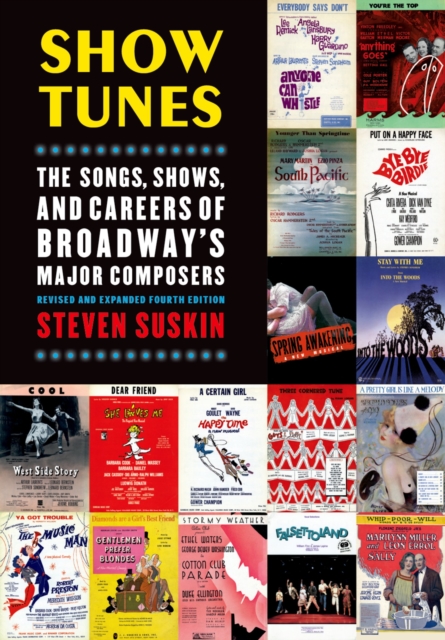
Show Tunes fully chronicles the shows, songs, and careers of the major composers of the American musical theatre, from Jerome Kern's earliest interpolations to the latest hits on Broadway.
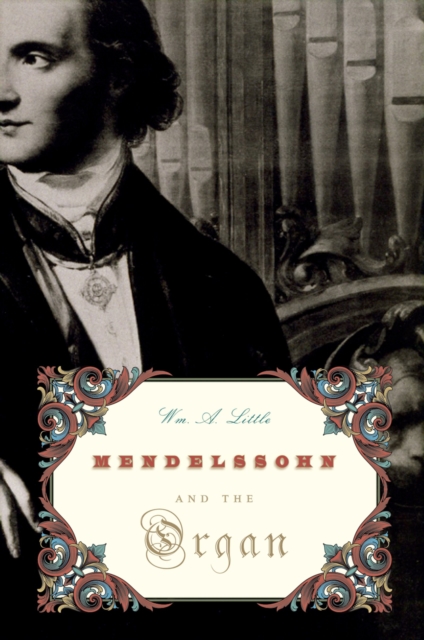
Mendelssohn and the Organ is the first comprehensive historical-critical study in any language to examine the role of the organ in Mendelssohn's personal and professional career.
Each entry in this New Grove series of composers and their operas is based on articles in The New Grove Dictionary of Opera, that feature information on the lives of individual composers, their works, their librettists and interpreters, and the places where they performed.
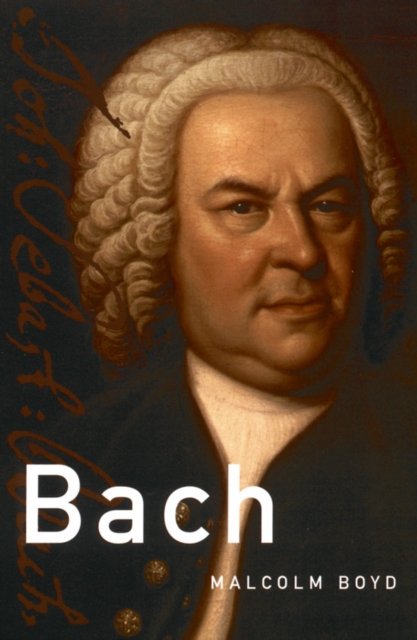
Published in its first edition in 1983, Boyd's treatment of this canonical composer is essential reading for students, scholars, and everyone interested in Baroque music.
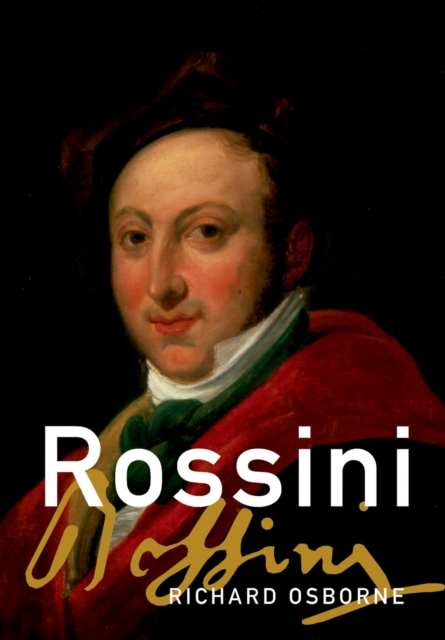
Gioachino Rossini was one of the most influential, as well as one of the most industrious and emotionally complex of the great nineteenth-century composers.
In a career that spanned nearly five decades, Dorothy Fields penned the words to more than four hundred songs, among them mega-hits such as "e;On the Sunny Side of the Street,"e; "e;I Can't Give You Anything But Love,"e; "e;The Way You Look Tonight,"e; and "e;If My Friends Could See Me Now.
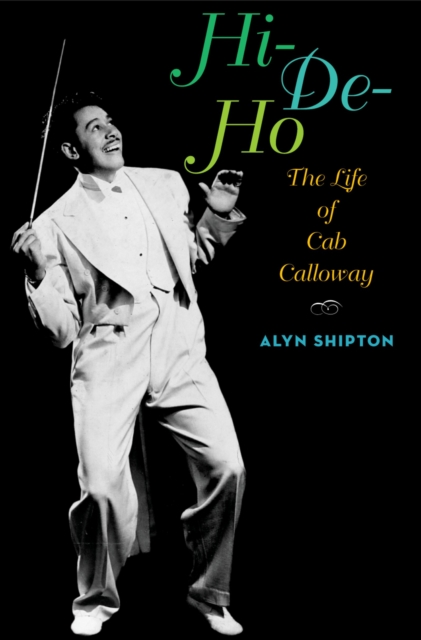
Clad in white tie and tails, dancing and scatting his way through the "e;Hi-de-ho"e; chorus of "e;Minnie the Moocher,"e; Cab Calloway exuded a sly charm and sophistication that endeared him to legions of fans.
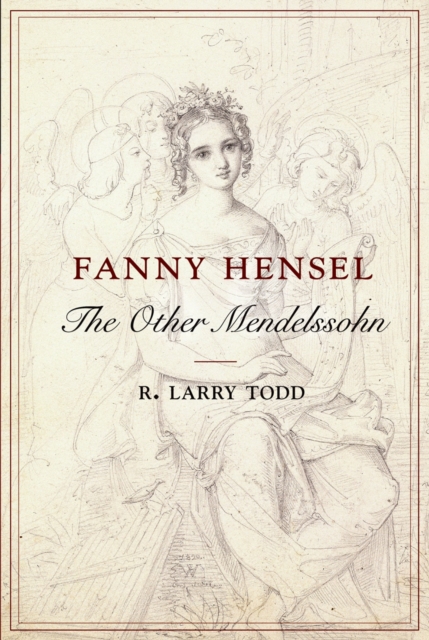
Granddaughter of the philosopher Moses Mendelssohn and sister of the composer Felix Mendelssohn Bartholdy, Fanny Hensel (1805-1847) was an extraordinary musician who left well over four hundred compositions, most of which fell into oblivion until their rediscovery late in the twentieth century.
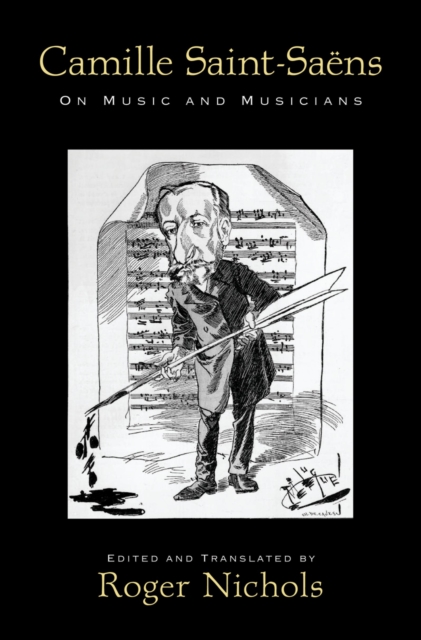
Camille Saint-Saens is a memorable figure not only for his successes as a composer of choral and orchestral works, and the eternally popular opera Samson et Dalila, but also because he was a keen observer of the musical culture in which he lived.
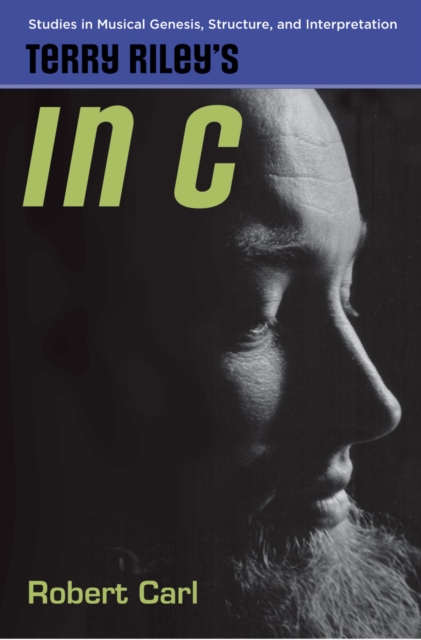
Setting the stage for a most intriguing journey into the world of minimalism, Robert Carl's Terry Riley's In C argues that the work holds its place in the canon because of the very challenges it presents to "e;classical"e; music.