Most scholars since World War Two have assumed that composer Felix Mendelssohn Bartholdy (1809-1847) maintained a strong attachment to Judaism throughout his lifetime.
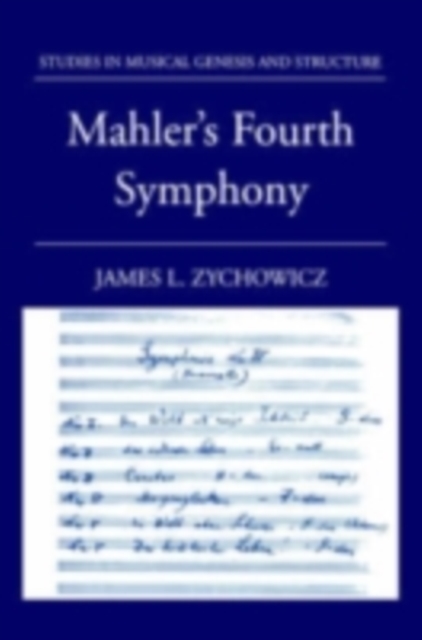
Following the earlier volumes in the Studies in Musical Genesis and Structure series, Mahler's Fourth Symphony is a study of origins of one of Mahler's most popular and accessible works.
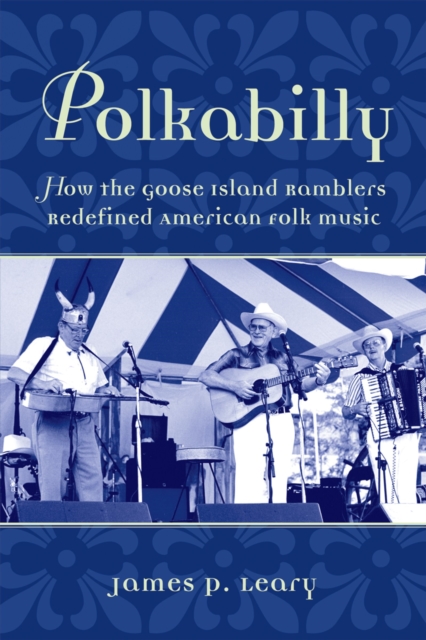
A freewheeling blend of continental European folk music and the songs, tunes, and dances of Anglo and Celtic immigrants, polkabilly has enthralled American musicians and dancers since the mid-19th century.
In this penetrating study, Russell Stinson explores how four of the greatest composers of the nineteenth century--Felix Mendelssohn, Robert Schumann, Franz Liszt, and Johannes Brahms--responded to the model of Bach's organ music.
The past ten years have seen a rapidly growing interest in performing and recording Classical and Romantic music with period instruments; yet the relationship of composers' notation to performing practices during that period has received only sporadic attention from scholars, and many aspects of composers' intentions have remained uncertain.
Bach's cantatas are among the highest achievements of Western musical art, yet studies of the individual cantatas that are both illuminating and detailed are few.
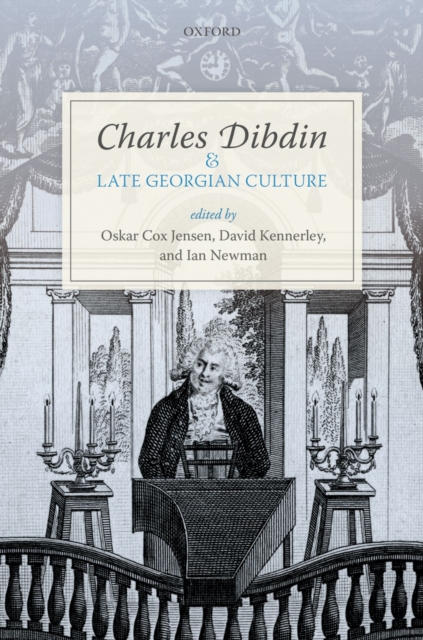
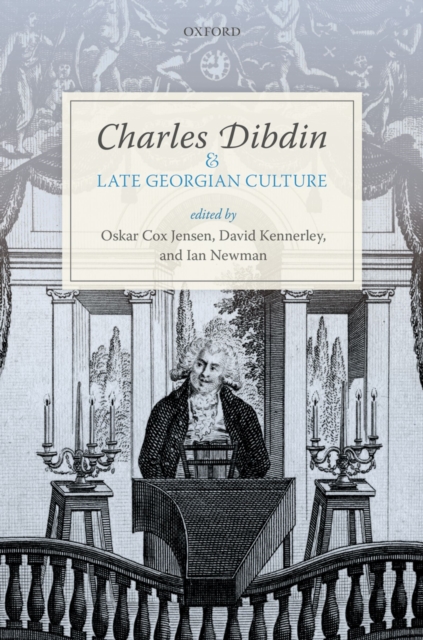
Charles Dibdin (1745-1814) was one of the most popular and influential creative forces in late Georgian Britain, producing a diversity of works that defy simple categorisation.
Charles Dibdin (1745-1814) was one of the most popular and influential creative forces in late Georgian Britain, producing a diversity of works that defy simple categorisation.
Born into one of England's best-known families, Samuel Sebastian Wesley (1810-76) was not only the foremost organist and church musician of his generation, but a vigorous campaigner for higher standards in cathedral music.
'Late style' is a critical term routinely deployed to characterise the work of selected authors, composers, and creative artists as they enter their last phase of production--often, but not only, in old age.
'Late style' is a critical term routinely deployed to characterise the work of selected authors, composers, and creative artists as they enter their last phase of production--often, but not only, in old age.
In a stretch of just seven years, the Beatles recorded hundreds of songs which tower above those of their worthy peers as both the product of cultural leadership and an artistic reflection of their turbulent age, the1960s.
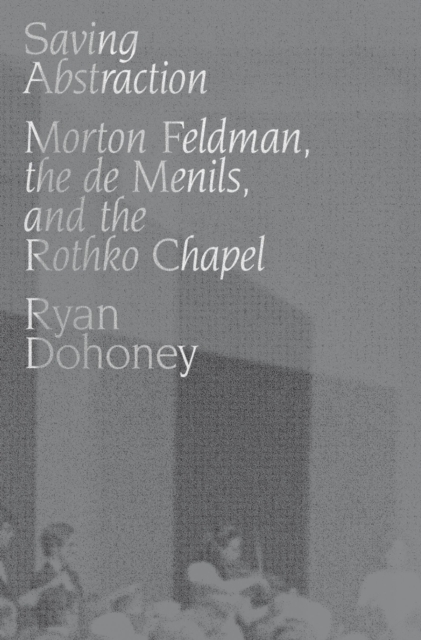
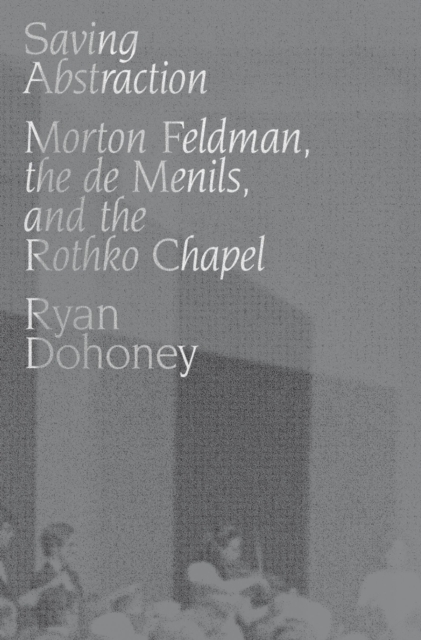
Saving Abstraction: Morton Feldman, the de Menils, and the Rothko Chapel tells the story of the 1972 premier of Morton Feldman's music for the Rothko Chapel in Houston.
Saving Abstraction: Morton Feldman, the de Menils, and the Rothko Chapel tells the story of the 1972 premier of Morton Feldman's music for the Rothko Chapel in Houston.