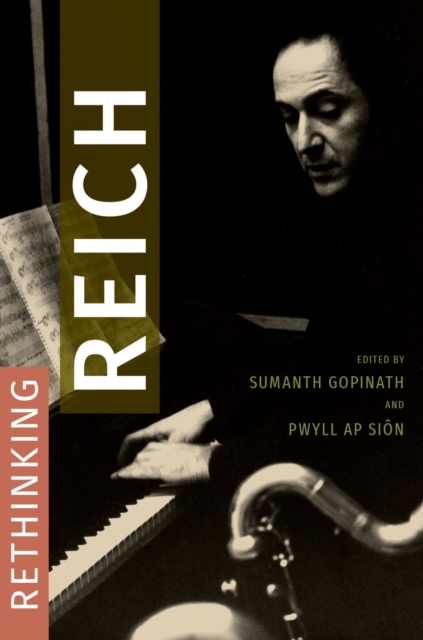
Described by music critic Alex Ross as "e;the most original musical thinker of our time"e; and having received innumerable accolades in a career spanning over fifty years, composer Steve Reich is considered by many to be America's greatest contemporary composer.
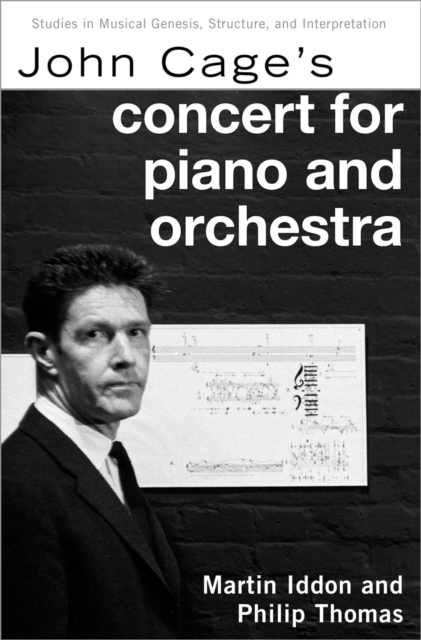
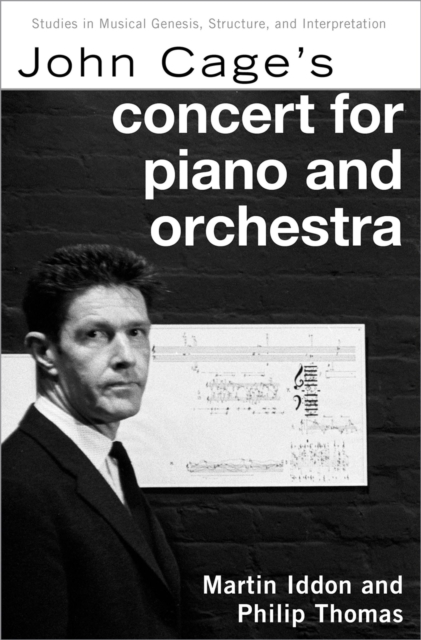
John Cage's Concert for Piano and Orchestra is one of the seminal works of the second half of the twentieth century, and the centerpiece of the middle period of Cage's output.
John Cage's Concert for Piano and Orchestra is one of the seminal works of the second half of the twentieth century, and the centerpiece of the middle period of Cage's output.
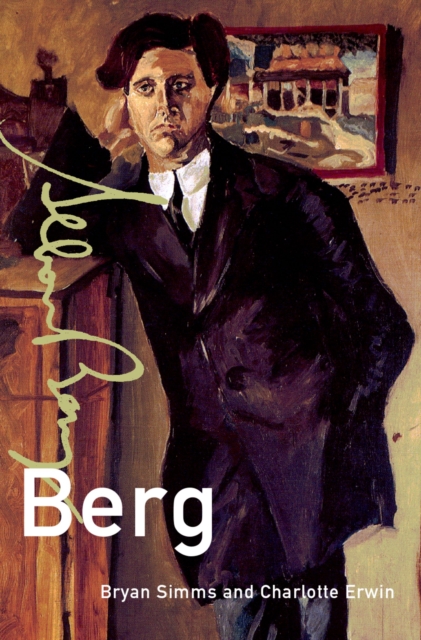
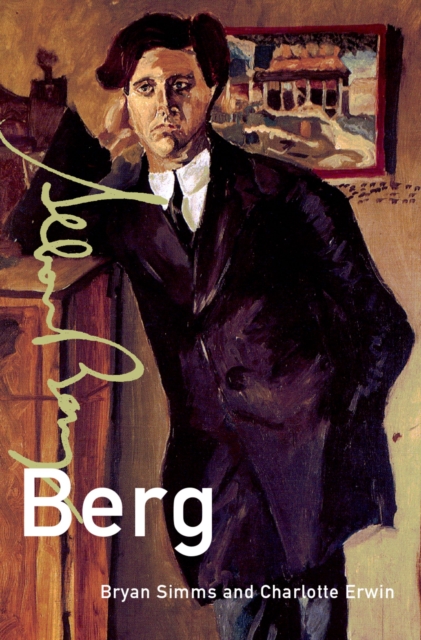
Alban Berg (1885-1935), a student of Arnold Schoenberg and one of the most prominent composers of the Second Viennese School, is counted among the pioneers of twelve-tone serialism.
Alban Berg (1885-1935), a student of Arnold Schoenberg and one of the most prominent composers of the Second Viennese School, is counted among the pioneers of twelve-tone serialism.
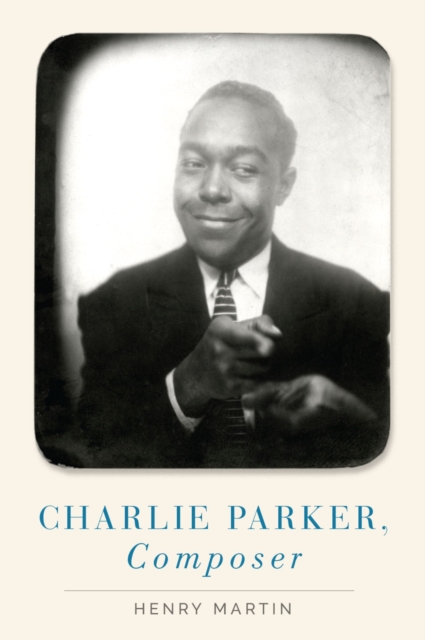
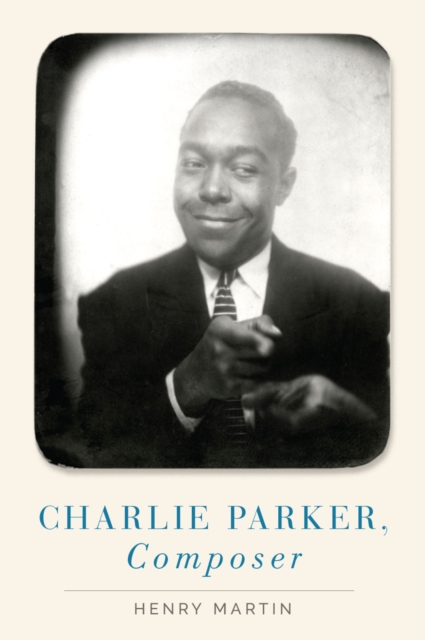
As a founding father of bebop and brilliant jazz improviser, Charlie Parker has secured a reputation and legacy second to none since his birth nearly 100 years ago.
As a founding father of bebop and brilliant jazz improviser, Charlie Parker has secured a reputation and legacy second to none since his birth nearly 100 years ago.
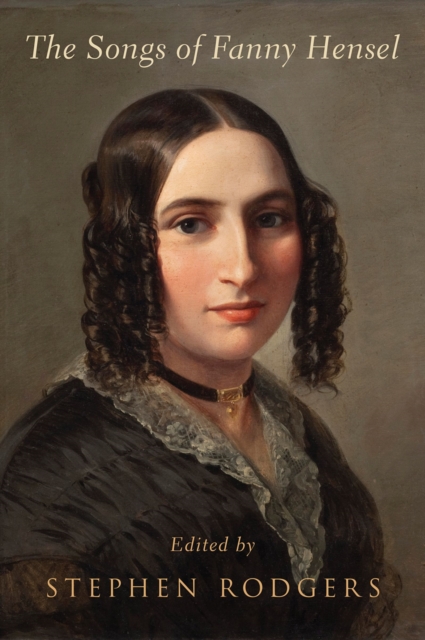
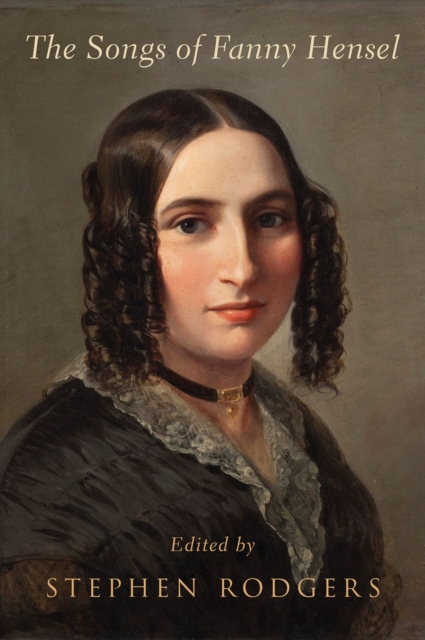
Fanny Hensel created some of the most imaginative and original music of her era, making her arguably the most gifted female composer of the nineteenth century.
Fanny Hensel created some of the most imaginative and original music of her era, making her arguably the most gifted female composer of the nineteenth century.
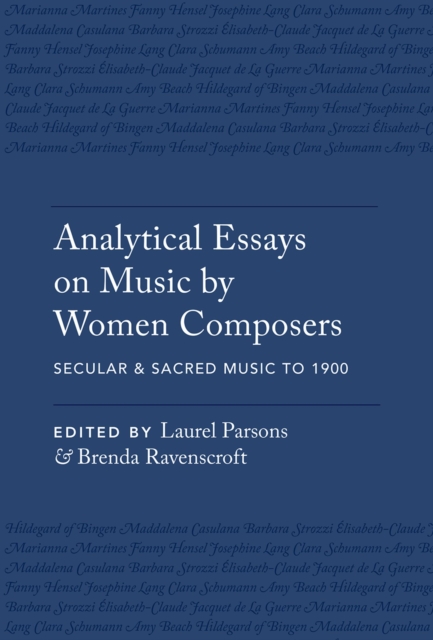
Through musical analysis of compositions written between the mid-twelfth to late nineteenth centuries, this volume celebrates the achievements of eight composers, all women: Hildegard of Bingen, Maddalena Casulana, Barbara Strozzi, Elisabeth Jacquet de la Guerre, Marianne Martines, Josephine Lang, Fanny Hensel, Clara Schumann, and Amy Beach.
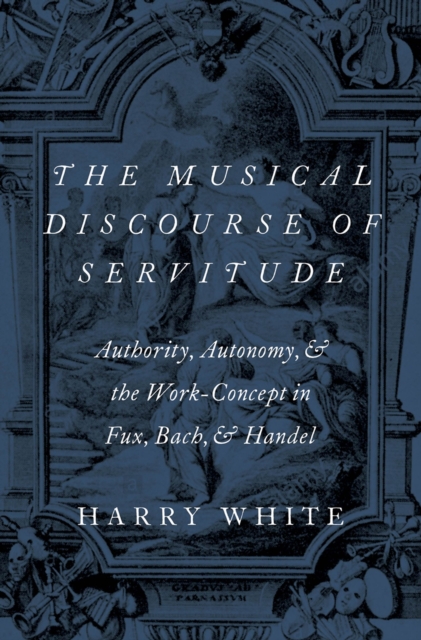
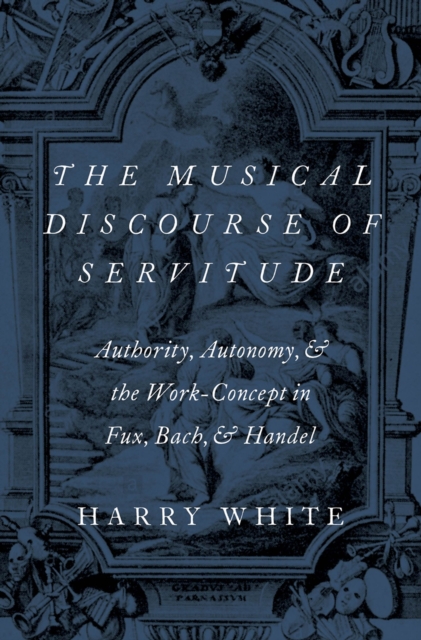
Examining, for the first time, the compositions of Johann Joseph Fux in relation to his contemporaries Bach and Handel, The Musical Discourse of Servitude presents a new theory of the late baroque musical imagination.
Examining, for the first time, the compositions of Johann Joseph Fux in relation to his contemporaries Bach and Handel, The Musical Discourse of Servitude presents a new theory of the late baroque musical imagination.
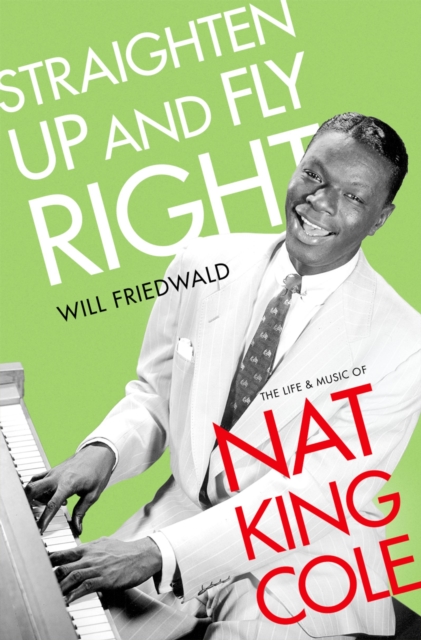
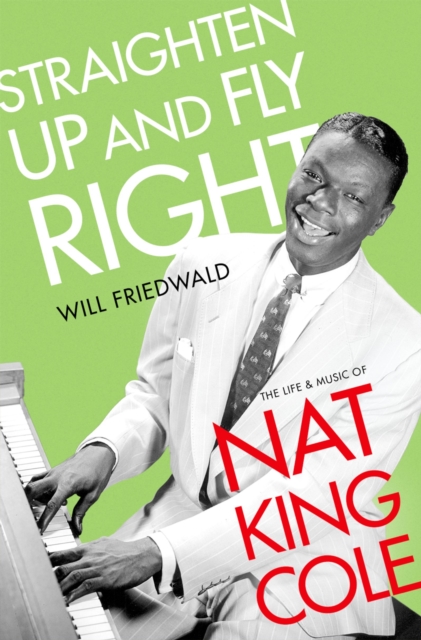
One of the most popular and memorable American musicians of the 20th century, Nat King Cole (1919-65) is remembered today as both a pianist and a singer, a feat rarely accomplished in the world of popular music.
One of the most popular and memorable American musicians of the 20th century, Nat King Cole (1919-65) is remembered today as both a pianist and a singer, a feat rarely accomplished in the world of popular music.
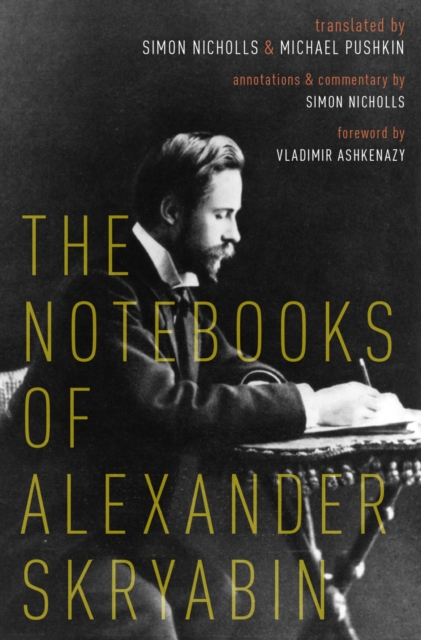
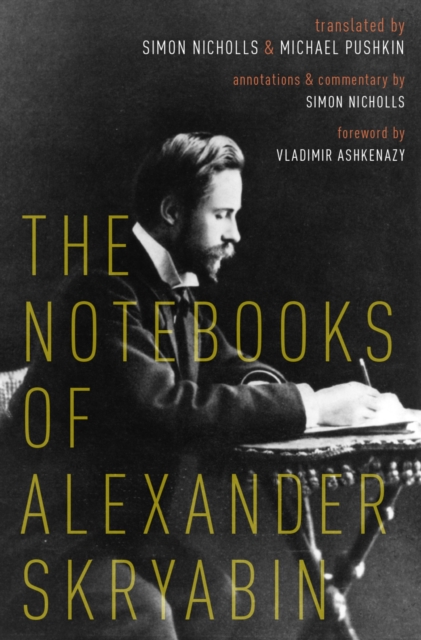
Russian composer Alexander Skryabin's life spanned the late romantic era and the momentous early years of the twentieth century, but was cut short before the end of the first world war.
Russian composer Alexander Skryabin's life spanned the late romantic era and the momentous early years of the twentieth century, but was cut short before the end of the first world war.
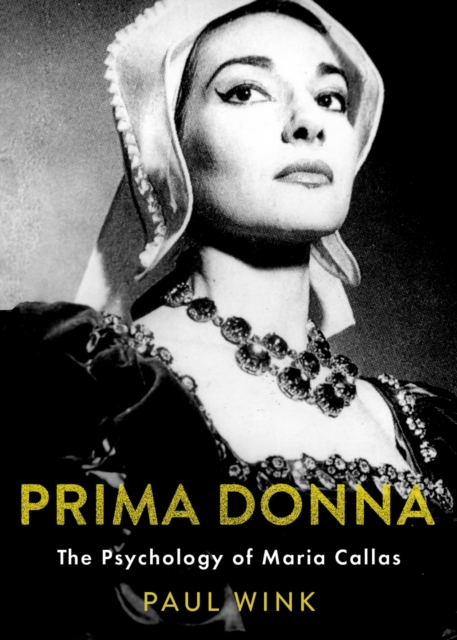
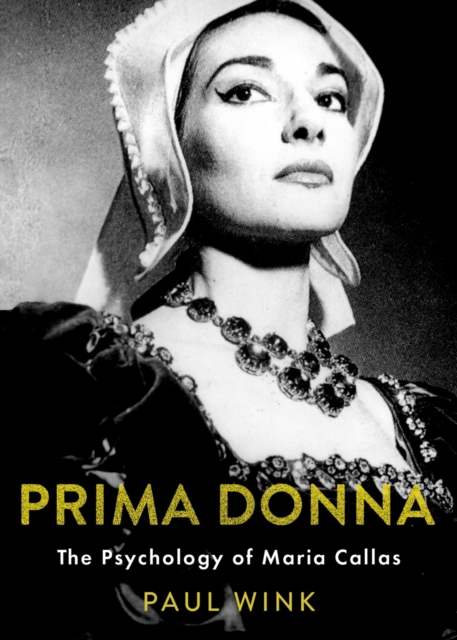
Prima Donna: The Psychology of Maria Callas explores the psychological mechanisms underlying the hypnotic power of Callas's artistry and the unfolding of her tragic life story.
Prima Donna: The Psychology of Maria Callas explores the psychological mechanisms underlying the hypnotic power of Callas's artistry and the unfolding of her tragic life story.
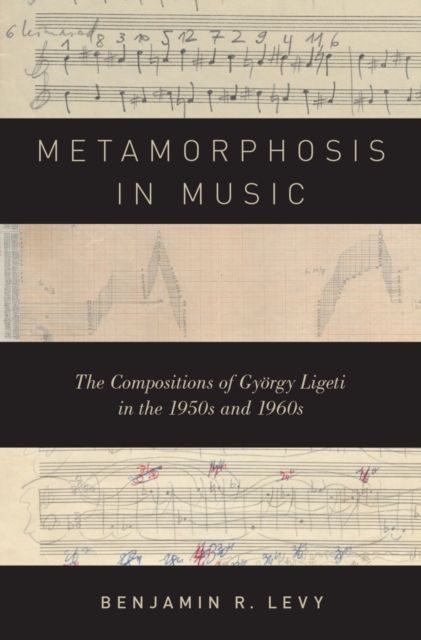
From the mid-1950s through the 1960s, Hungarian composer Gyorgy Ligeti went through a remarkable period of stylistic transition, from the emulation of his fellow countryman Bela Bartok to his own individual style at the forefront of the Western-European avant-garde.
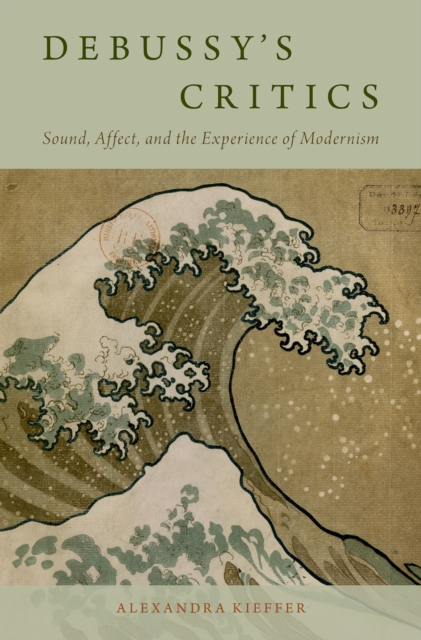
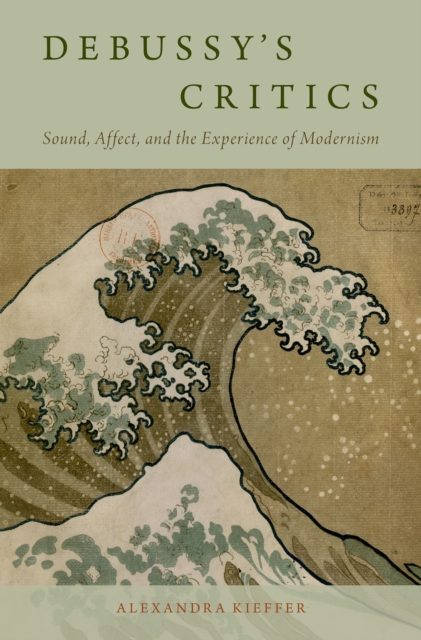
Debussy's Critics: Sound, Affect, and the Experience of Modernism explores the music of Claude Debussy and its early reception in light of the rise of the empirical human sciences in Western Europe around the turn of the twentieth century.
Debussy's Critics: Sound, Affect, and the Experience of Modernism explores the music of Claude Debussy and its early reception in light of the rise of the empirical human sciences in Western Europe around the turn of the twentieth century.
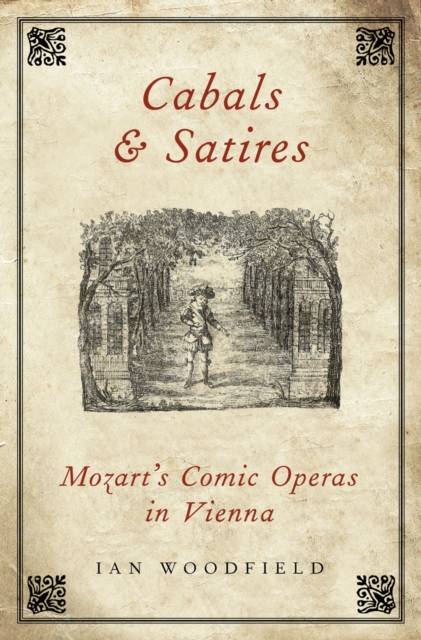
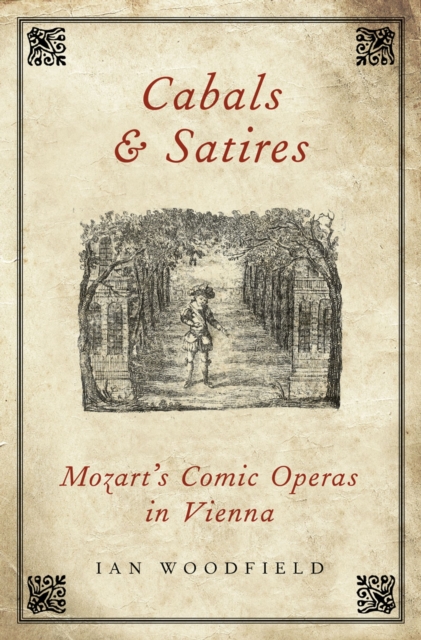
When Joseph II placed his opera buffa troupe in competition with the re-formed Singspiel, he provoked an intense struggle between supporters of the rival national genres, who organized claques to cheer or hiss at performances, and encouraged press correspondents to write slanted notices.
When Joseph II placed his opera buffa troupe in competition with the re-formed Singspiel, he provoked an intense struggle between supporters of the rival national genres, who organized claques to cheer or hiss at performances, and encouraged press correspondents to write slanted notices.
David Tudor is remembered today in two guises: as an extraordinary pianist of post-war avant-garde music who worked closely with composers like John Cage and Karlheinz Stockhausen and as a founding figure of live-electronic music.
David Tudor is remembered today in two guises: as an extraordinary pianist of post-war avant-garde music who worked closely with composers like John Cage and Karlheinz Stockhausen and as a founding figure of live-electronic music.
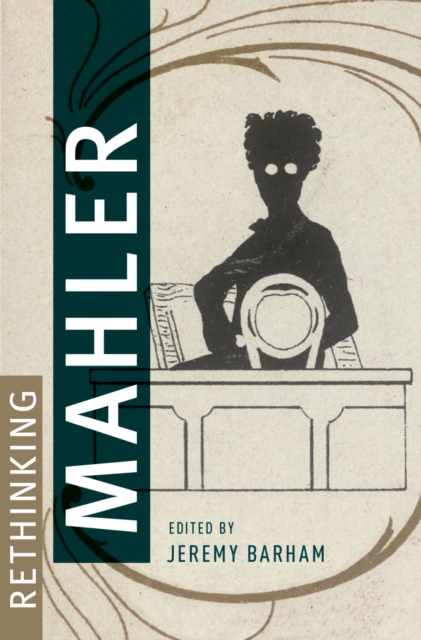
As one of the most popular classical composers in the performance repertoire of professional and amateur orchestras and choirs across the world, Gustav Mahler continues to generate significant interest, and the global appetite for his music, and for discussions of it, remains large.
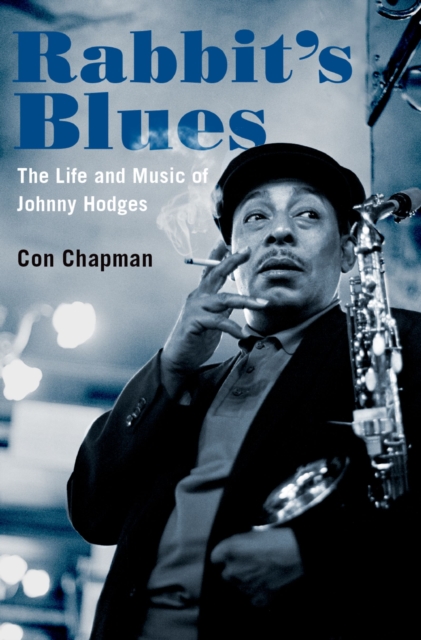
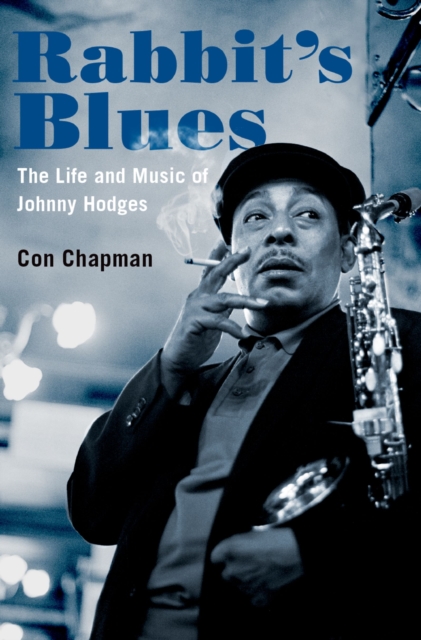
In his eulogy of saxophonist Johnny Hodges (1907-70), Duke Ellington ended with the words, "e;Never the world's most highly animated showman or greatest stage personality, but a tone so beautiful it sometimes brought tears to the eyes--this was Johnny Hodges.
In his eulogy of saxophonist Johnny Hodges (1907-70), Duke Ellington ended with the words, "e;Never the world's most highly animated showman or greatest stage personality, but a tone so beautiful it sometimes brought tears to the eyes--this was Johnny Hodges.
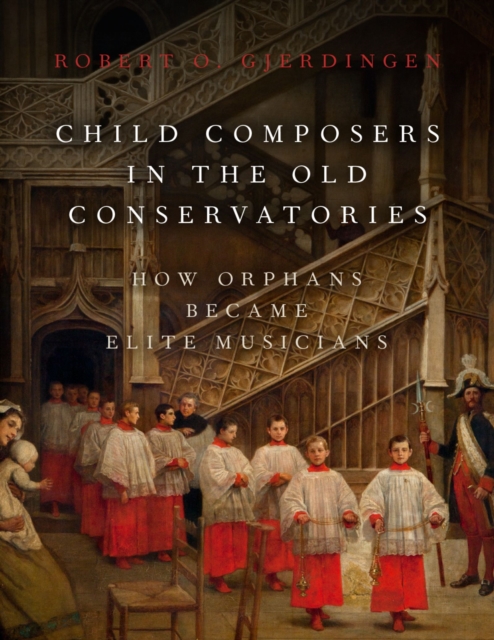
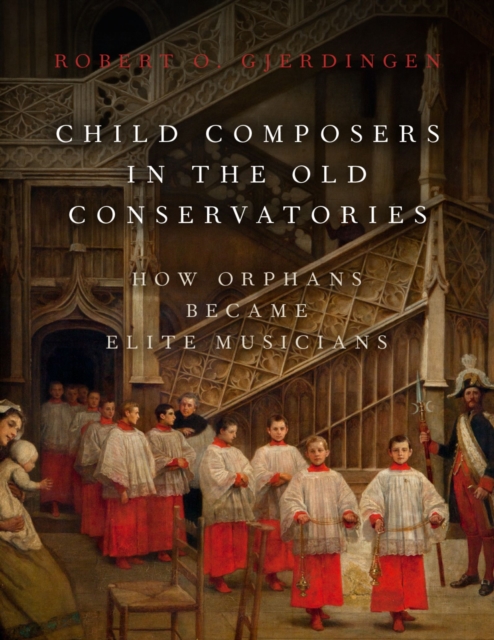
In seventeenth century Italy, overcrowding, violent political uprising, and plague led an astonishing number of abandoned and orphaned children to overwhelm the cities.
In seventeenth century Italy, overcrowding, violent political uprising, and plague led an astonishing number of abandoned and orphaned children to overwhelm the cities.