The Jesus and Mary Chain's swooning debut Psychocandy seared through the underground and through the pop charts, shifting the role of noise within pop music forever.
The Jesus and Mary Chain's swooning debut Psychocandy seared through the underground and through the pop charts, shifting the role of noise within pop music forever.
At the outset of summer in 1990, a Houston gangsta rap group called the Geto Boys was poised to debut its self-titled third album under the guidance of hip-hop guru Rick Rubin.
At the outset of summer in 1990, a Houston gangsta rap group called the Geto Boys was poised to debut its self-titled third album under the guidance of hip-hop guru Rick Rubin.
It was 1969, and Miles Davis, prince of cool, was on the edge of being left behind by a dynamic generation of young musicians, an important handful of whom had been in his band.
The Process That Is the World grapples with John Cage not just as a composer, but as a philosopher advocating for an ontology of difference in keeping with the kind posited by Gilles Deleuze.
The Process That Is the World grapples with John Cage not just as a composer, but as a philosopher advocating for an ontology of difference in keeping with the kind posited by Gilles Deleuze.
Michelangelo's developing genius is revealed as never before by the man who became Michelangelo's last apprentice an American artist and art historian whose family helped carve Mount Rushmore.
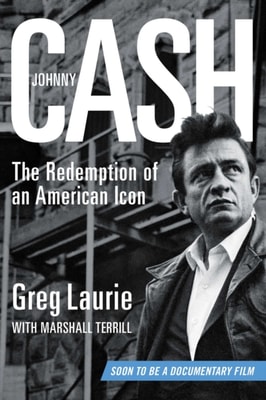
Join Greg Laurie, pastor and bestselling author of Steve McQueen: The Salvation of an American Icon, as he takes you on a personal journey into the life and legend of Johnny Cash.
One of the Huffington Post's Best Art Books of 2015"e;[Peaches] has teamed up with her longtime tour photographer Holger Talinski to look back at a brazen career that has captured the attention of outsider artists and massive pop stars alike, ranging from Michael Stipe to PJ Harvey to Iggy Pop.
"e;A moving account of the dispossessed children of Palestine, and the transformative power that music has had in giving them meaning and reason for hope.
The writer of such influential songs as ';Pancho and Lefty,' ';To Live's to Fly,' ';If I Needed You,' and ';For the Sake of the Song,' Townes Van Zandt exerted an influence on at least two generations of Texas musicians that belies his relatively brief, deeply troubled life.
Examines Mendelssohn's relationship to the past, shedding light on the construction of historical legacies that, in some cases, served to assert German cultural supremacy only two decades after the composer's death.
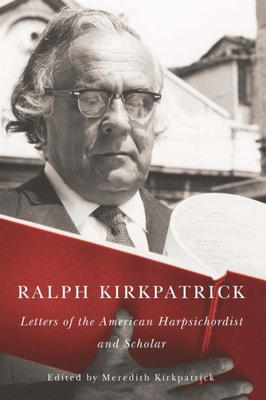
This collection of letters to and from the eminent harpsichordist, scholar, and early-music pioneer Ralph Kirkpatrick provides a portrait of the musician from the beginning of his career in Paris in the 1930s to its end in the early 1980s.
First English-language study of Anton Heiller (1923-1979), one of the twentieth-century's most influential organistsAnton Heiller is one of the twentieth century's most renowned and influential organists.
WINNER: 2017 Alan Walker Book AwardLiszt's Final Decade reveals in the composer's own words to his confidantes Carolyne von Sayn-Wittgenstein and Olga von Meyendorff how he resolved his conflicted self-image as a celebrated performer but underappreciated composer.
Book two in the Idols of Pop series, Idols of Pop: The Jonas Brothers, is an essential fan-focused guide to the latest and greatest icons in pop music: the Jonas Brothers!
From one of Britain's best-loved comedians comes this wonderfully funny, sharp and touching memoir and a celebration of the bond between man and dog - an autobidography, if you will.
The inspirational memoir from the star of OUR WELSH CHAPEL DREAM and THE GREAT POTTERY THROWDOWN Readers LOVE Boy In A China Shop: 'What a brilliant book.
Who knew that Bill Wyman (The Rolling Stones) makes an amazing Lamb Chops with Endive and Blue Cheese Salad, that Michael McDonald (The Doobie Brothers) loves Pasta with Ham and Parmesan Cheese, or that Boz Scaggs eats Tuscan Grilled Chicken?
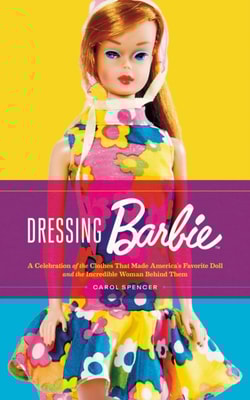
A legendary fashion designer for Barbie shares the story of her adventures working behind-the-scenes at Mattel, and spotlights the creations that transformed the worlds most famous doll into a style icon in this beautifully designed bookpublished in commemoration of Barbies sixtieth anniversaryillustrated with 100 full-color photographs, including many never-before-seen images of rare and one-of-a-kind pieces from the authors private archive.
Actress, director, entertainer Joely Fisher's touching, down-to-earth memoir filled with incredible, candid stories about her life, her famous parents, and how the loss of her unlikely hero, sister Carrie Fisher, ignited the writer in her.
Carrie Underwood's instant New York Times bestseller on honoring your body, fueling your soul, and getting strong-a great gift idea for fans of fitness and the megastar country singer.
From the New York Times bestselling author of Love Is a Mix Tape, a thoughtful and loving meditation on the life of the late David Bowie that explores his creative legacy and the enduring and mutual connection he enjoyed with his fans.
The manager who shepherded Van Halen from obscurity to rock stardom goes behind the scenes to tell the complete, unadulterated story of David Lee Roth, Eddie Van Halen, and the legendary band that changed rock music.