The idea of a global history of music may be traced back to the Enlightenment, and today, the question of a conceptual framework for a history of music that pays due attention to global relationships in music is often raised.
The idea of a global history of music may be traced back to the Enlightenment, and today, the question of a conceptual framework for a history of music that pays due attention to global relationships in music is often raised.
Studies in English Organ Music is a collection of essays by expert authors that examines key areas of the repertoire in the history of organ music in England.
Studies in English Organ Music is a collection of essays by expert authors that examines key areas of the repertoire in the history of organ music in England.
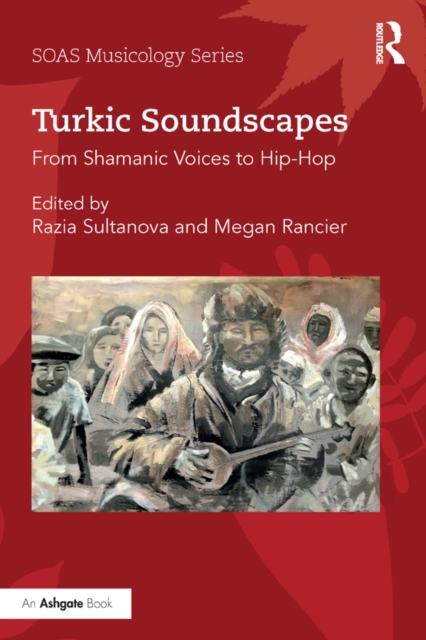
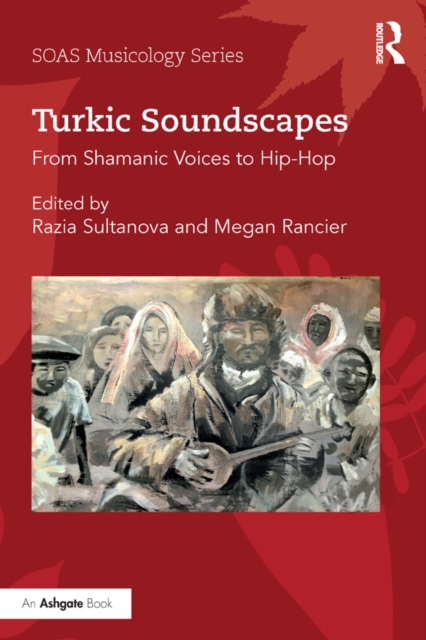
The Turkic soundscape is both geographically huge and culturally diverse (twenty-eight countries, republics and districts extending from Eastern Europe through the Caucasus and throughout Central Asia).
The Turkic soundscape is both geographically huge and culturally diverse (twenty-eight countries, republics and districts extending from Eastern Europe through the Caucasus and throughout Central Asia).
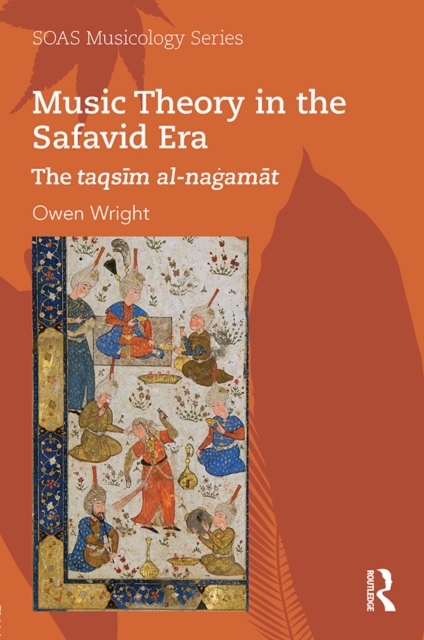
The Safavid era (1501-1722) is one of the most important in the history of Persian culture, celebrated especially for its architecture and art, including miniature paintings that frequently represent singers and instrumentalists.
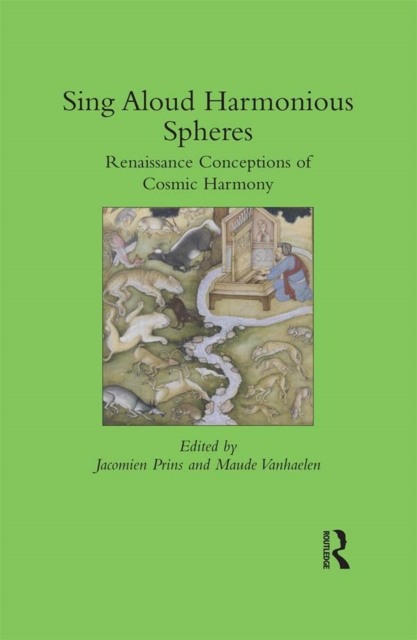
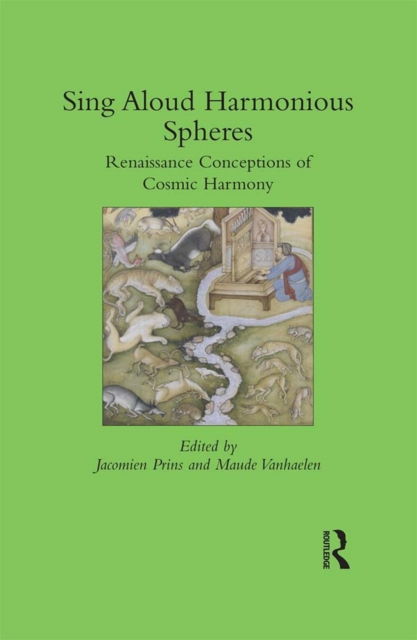
This is the first volume to explore the reception of the Pythagorean doctrine of cosmic harmony within a variety of contexts, ranging chronologically from Plato to 18th-century England.
This is the first volume to explore the reception of the Pythagorean doctrine of cosmic harmony within a variety of contexts, ranging chronologically from Plato to 18th-century England.
Studies in the history of French nineteenth-century stage music have blossomed in the last decade, encouraging a revision of the view of the primacy of Austro-German music during the period and rebalancing the scholarly field away from instrumental music (key to the Austro-German hegemony) and towards music for the stage.
Studies in the history of French nineteenth-century stage music have blossomed in the last decade, encouraging a revision of the view of the primacy of Austro-German music during the period and rebalancing the scholarly field away from instrumental music (key to the Austro-German hegemony) and towards music for the stage.
English keyboard music reached an unsurpassed level of sophistication in the late sixteenth and early seventeenth centuries as organists such as William Byrd and his students took a genre associated with domestic, amateur performance and treated it as seriously as vocal music.
English keyboard music reached an unsurpassed level of sophistication in the late sixteenth and early seventeenth centuries as organists such as William Byrd and his students took a genre associated with domestic, amateur performance and treated it as seriously as vocal music.
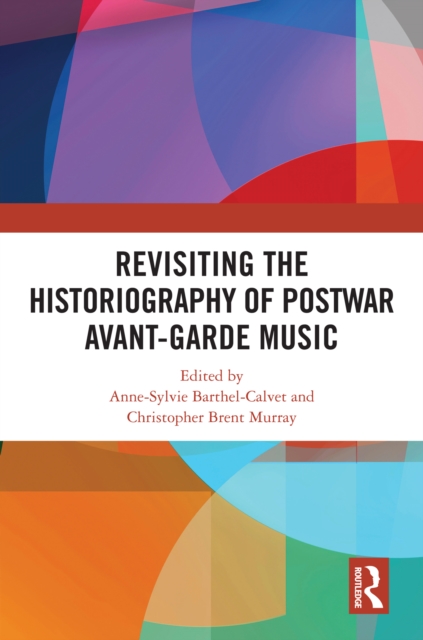
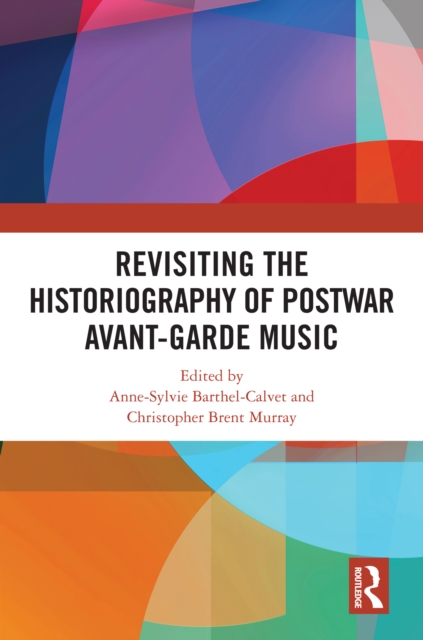
This collection of essays delves into the historiographical traditions that have dominated how the stories of European postwar avant-garde music are told, seeking to approach commonplaces of that history writing from new perspectives.
This collection of essays delves into the historiographical traditions that have dominated how the stories of European postwar avant-garde music are told, seeking to approach commonplaces of that history writing from new perspectives.
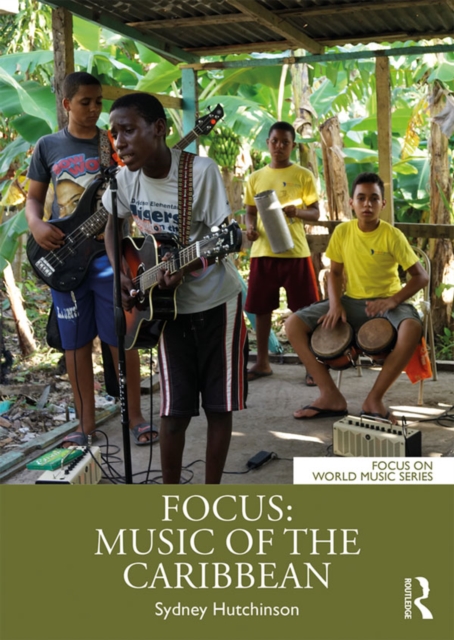
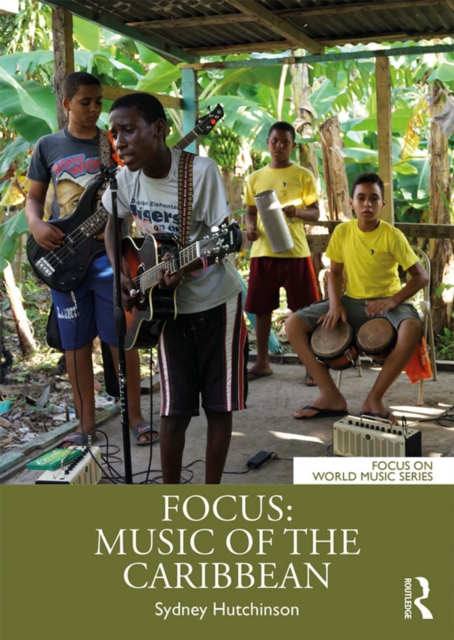
Focus: Music of the Caribbean presents the most important issues of Caribbean musical history and current practice, discussing thought-provoking questions in a student-friendly fashion.
Focus: Music of the Caribbean presents the most important issues of Caribbean musical history and current practice, discussing thought-provoking questions in a student-friendly fashion.
On 10 December 1910, Giacomo Puccini's seventh opera, La fanciulla del West, had its premiere before a sold-out audience at New York City's Metropolitan Opera House.
On 10 December 1910, Giacomo Puccini's seventh opera, La fanciulla del West, had its premiere before a sold-out audience at New York City's Metropolitan Opera House.
John Dowland: A Research and Information Guide offers the first comprehensive guide to the musical works and literature on one of the major composers of the English Renaissance.
John Dowland: A Research and Information Guide offers the first comprehensive guide to the musical works and literature on one of the major composers of the English Renaissance.
The National Library of Greece (Ethnike Bibliothike tes Ellados) is one of the richest depositories of Byzantine musical manuscripts and is surpassed by its holdings in Greece only by the multitude of manuscripts found in the monasteries of Mount Athos.
The National Library of Greece (Ethnike Bibliothike tes Ellados) is one of the richest depositories of Byzantine musical manuscripts and is surpassed by its holdings in Greece only by the multitude of manuscripts found in the monasteries of Mount Athos.
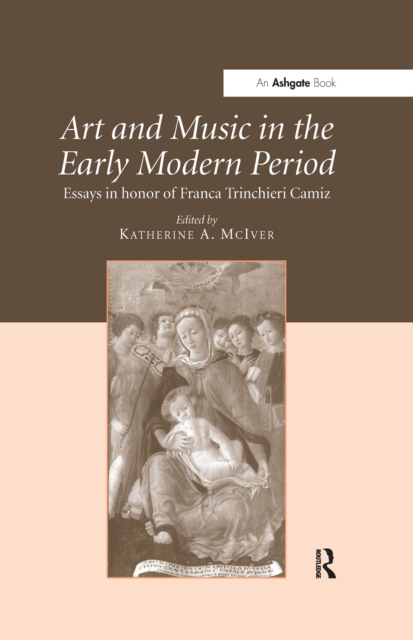
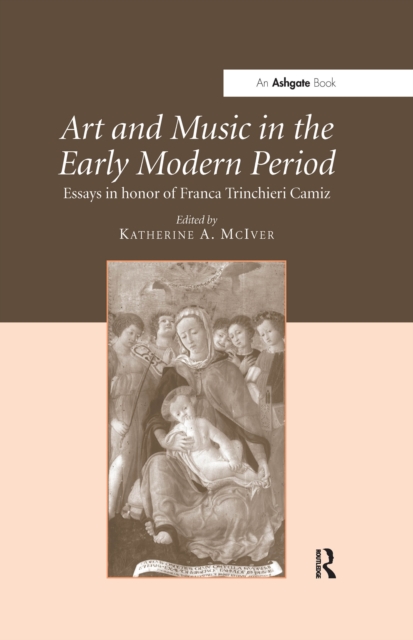
The relationship between music and painting in the Early Modern period is the focus of this collection of essays by an international group of distinguished art historians and musicologists.
The relationship between music and painting in the Early Modern period is the focus of this collection of essays by an international group of distinguished art historians and musicologists.
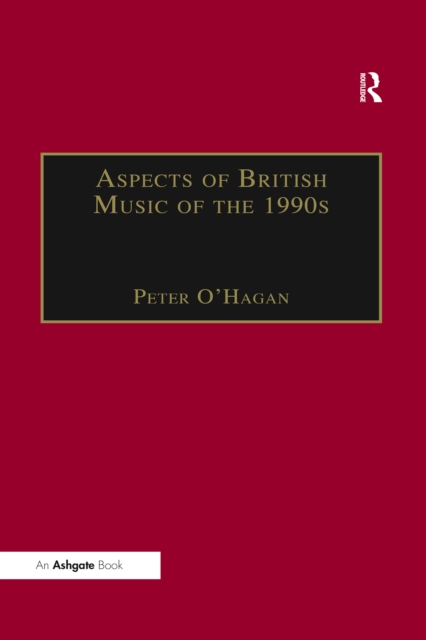
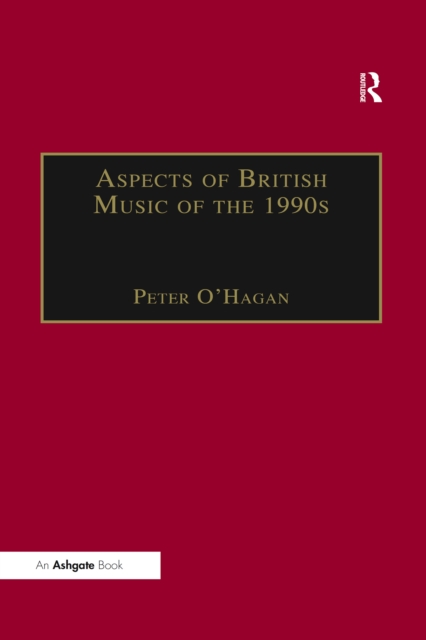
The 1990s work of six British composers forms the focus of this collection of essays, arising from a conference that took place at University of Surrey Roehampton in February 1999.
The 1990s work of six British composers forms the focus of this collection of essays, arising from a conference that took place at University of Surrey Roehampton in February 1999.
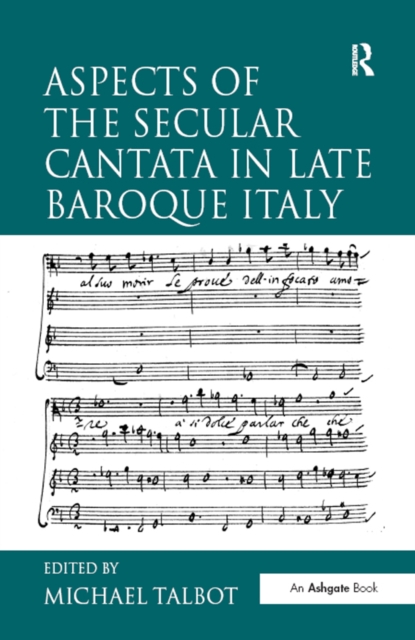
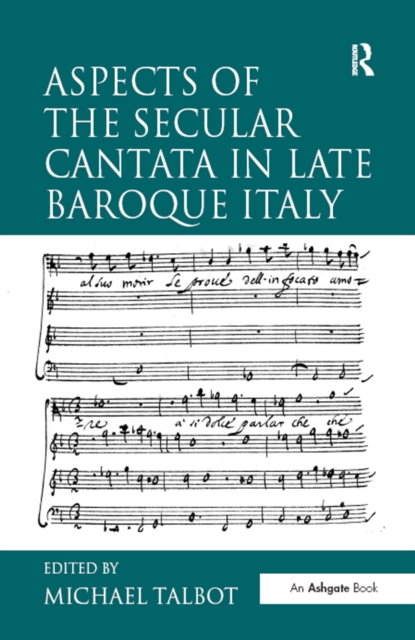
As shown by the ever-increasing volume of recordings, editions and performances of the vast repertory of secular cantatas for solo voice produced, primarily in Italy, in the second half of the seventeenth century and the first half of the eighteenth century, this long neglected genre has at last 'come of age'.
As shown by the ever-increasing volume of recordings, editions and performances of the vast repertory of secular cantatas for solo voice produced, primarily in Italy, in the second half of the seventeenth century and the first half of the eighteenth century, this long neglected genre has at last 'come of age'.