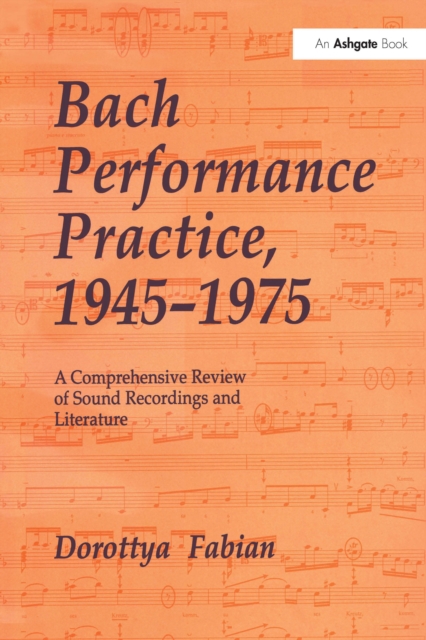
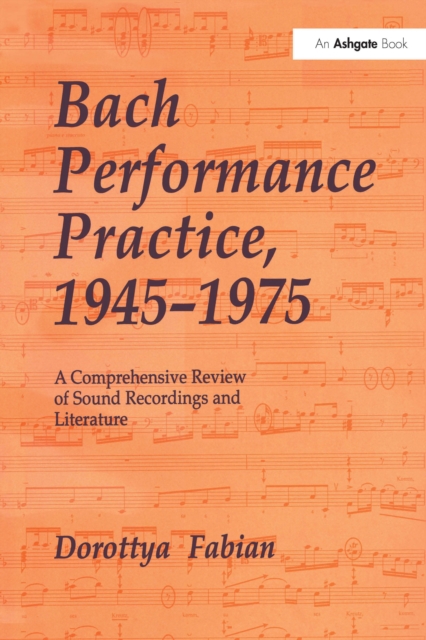
Analysing over 100 recordings from 1945-1975, this book examines twentieth-century baroque performance practice as evinced in all the commercially available recordings of J.
Analysing over 100 recordings from 1945-1975, this book examines twentieth-century baroque performance practice as evinced in all the commercially available recordings of J.
Research in the 20th and 21st centuries into historical performance practice has changed not just the way performers approach music of the 17th and 18th centuries but, eventually, the way audiences listen to it.
Research in the 20th and 21st centuries into historical performance practice has changed not just the way performers approach music of the 17th and 18th centuries but, eventually, the way audiences listen to it.
The grotesque is one of art's most puzzling figures - transgressive, comprising an unresolveable hybrid, generally focussing on the human body, full of hyperbole, and ultimately semantically deeply puzzling.
The grotesque is one of art's most puzzling figures - transgressive, comprising an unresolveable hybrid, generally focussing on the human body, full of hyperbole, and ultimately semantically deeply puzzling.
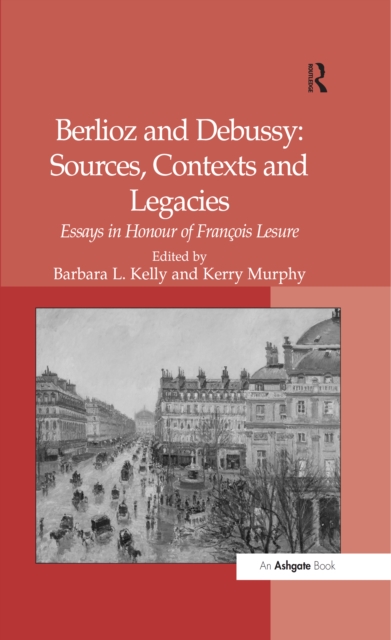
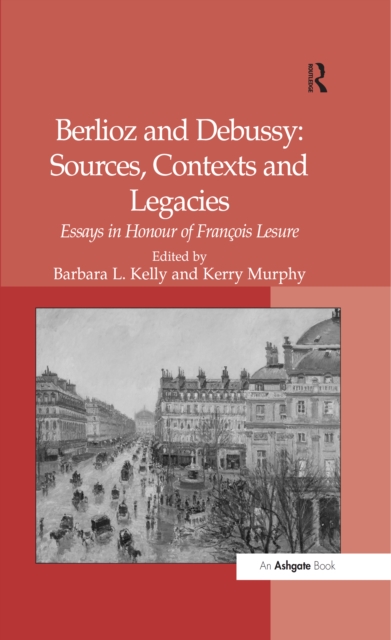
This collection of essays by scholars of nineteenth- and early twentieth-century French music has been assembled in homage to the influential and inspirational French musicologist Fran's Lesure who died in 2001.
This collection of essays by scholars of nineteenth- and early twentieth-century French music has been assembled in homage to the influential and inspirational French musicologist Fran's Lesure who died in 2001.
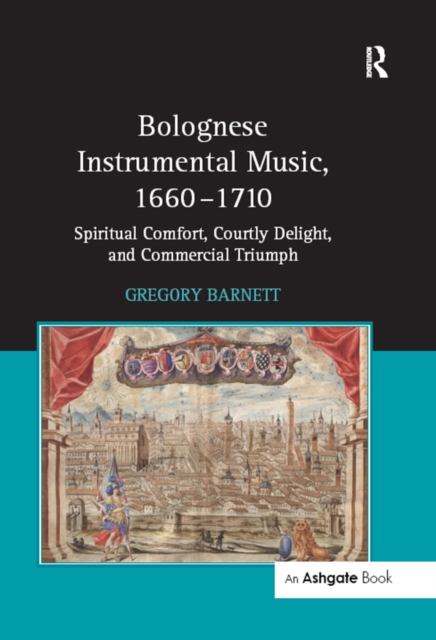
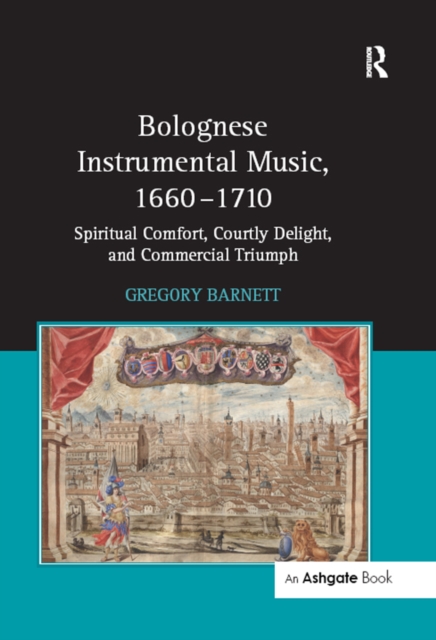
This book, the first of its kind, is a study of Bolognese instrumental music during the height of the city's musical activity in the late seventeenth century.
This book, the first of its kind, is a study of Bolognese instrumental music during the height of the city's musical activity in the late seventeenth century.
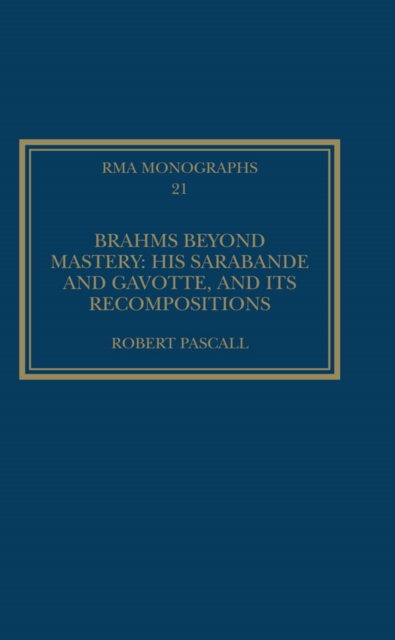
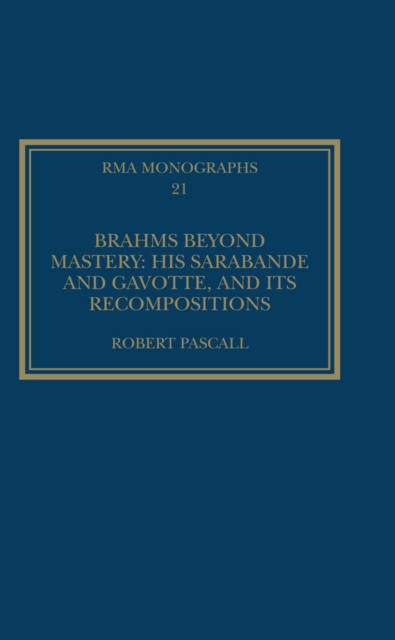
In 1853 Robert Schumann identified fully-formed compositional mastery in the young Brahms, who nevertheless in the years following embarked on a period of intensive further study, producing, among other works, the neo-baroque Sarabande and Gavotte.
In 1853 Robert Schumann identified fully-formed compositional mastery in the young Brahms, who nevertheless in the years following embarked on a period of intensive further study, producing, among other works, the neo-baroque Sarabande and Gavotte.
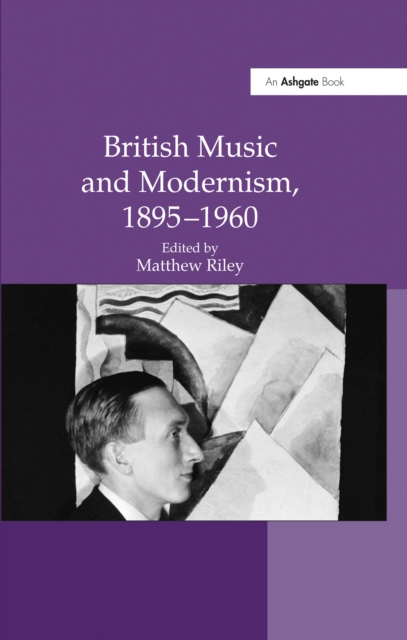
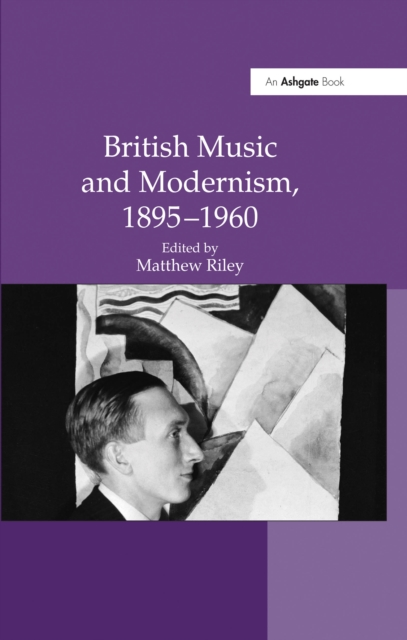
Imaginative analytical and critical work on British music of the early twentieth century has been hindered by perceptions of the repertory as insular in its references and backward in its style and syntax, escaping the modernity that surrounded its composers.
Imaginative analytical and critical work on British music of the early twentieth century has been hindered by perceptions of the repertory as insular in its references and backward in its style and syntax, escaping the modernity that surrounded its composers.
Charles Avison's Essay on Musical Expression, first published in 1752, is a major contribution to the debate on musical aesthetics which developed in the course of the 18th century.
Charles Avison's Essay on Musical Expression, first published in 1752, is a major contribution to the debate on musical aesthetics which developed in the course of the 18th century.
Charles Hall as one of the leading musicians of the nineteenth century and intimate with almost all of the great composers and performers of his time, as well as a friend of the Royal Family and known as much as a pianist and chamber musician as a conductor, in London, throughout the country and abroad, in addition to Manchester.
Charles Hall as one of the leading musicians of the nineteenth century and intimate with almost all of the great composers and performers of his time, as well as a friend of the Royal Family and known as much as a pianist and chamber musician as a conductor, in London, throughout the country and abroad, in addition to Manchester.
The first book devoted to the composer Charles Villiers Stanford (1852-1924) since 1935, this survey provides the fullest account of his life and the most detailed appraisal of his music to date.
The first book devoted to the composer Charles Villiers Stanford (1852-1924) since 1935, this survey provides the fullest account of his life and the most detailed appraisal of his music to date.
This volume brings together twenty-two of the most diverse and stimulating journal articles on classical and romantic performing practice, representing a rich vein of enquiry into epochs of music still very much at the forefront of current concert repertoire.
This volume brings together twenty-two of the most diverse and stimulating journal articles on classical and romantic performing practice, representing a rich vein of enquiry into epochs of music still very much at the forefront of current concert repertoire.
Musicology, having been transmitted as a compilation of disparate events and disciplines, has long necessitated a 'magic bullet', a 'unified field theory' so to speak, that can interpret the steady metamorphosis of Western art music from late medieval modality to twentieth-century atonality within a single theoretical construct.
Musicology, having been transmitted as a compilation of disparate events and disciplines, has long necessitated a 'magic bullet', a 'unified field theory' so to speak, that can interpret the steady metamorphosis of Western art music from late medieval modality to twentieth-century atonality within a single theoretical construct.
The substantial collection of notations of seventeenth-century Ottoman instrumental music made by Demetrius Cantemir is both a record of compositions of considerable intrinsic interest and a historical document of vital importance, representing as it does one of the most comprehensive accounts of any Middle Eastern repertoire before the widespread adoption of Western notation in the twentieth century.
The substantial collection of notations of seventeenth-century Ottoman instrumental music made by Demetrius Cantemir is both a record of compositions of considerable intrinsic interest and a historical document of vital importance, representing as it does one of the most comprehensive accounts of any Middle Eastern repertoire before the widespread adoption of Western notation in the twentieth century.
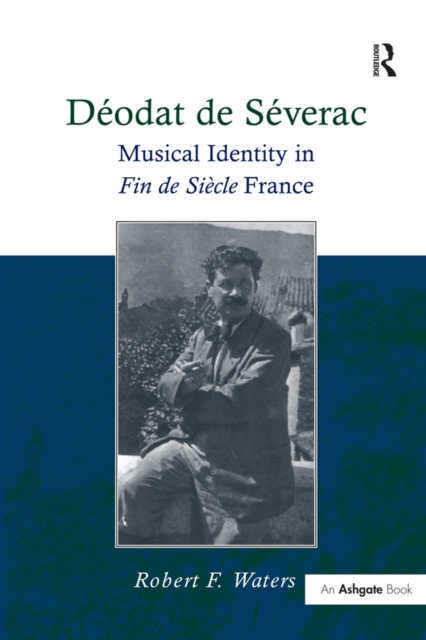
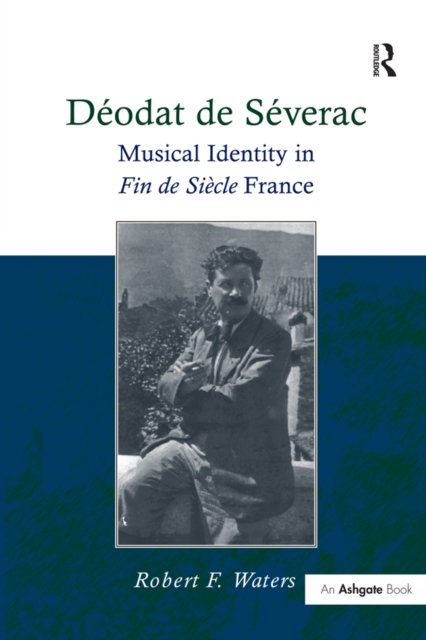
D,at de S,rac (1872-1921) is best known for his piano music but his compositions included orchestral and vocal works, including opera, cantata and incidental music.
D,at de S,rac (1872-1921) is best known for his piano music but his compositions included orchestral and vocal works, including opera, cantata and incidental music.