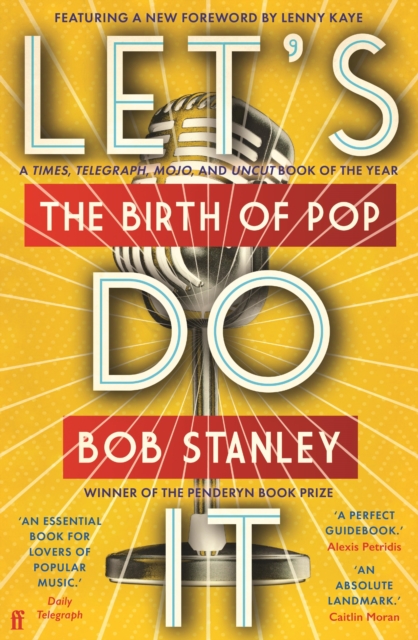
The prequel to Bob Stanley's universally acclaimed Yeah Yeah Yeah, Let's Do It is the only book that brings together all genres to tell the definitive story of the birth of Pop, from 1900 to the mid-fifties.
Imogen Holst's Tune (Faber, 1962) is a searching enquiry into the invention of tune and at the same time a comprehensive anthology of tunes from folksong to the present day.
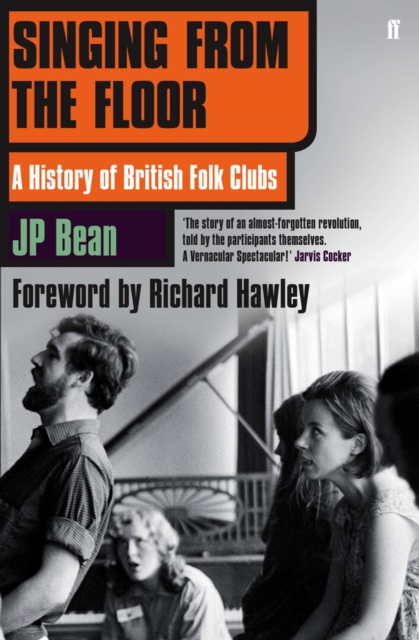
In smoky rooms above pubs, bare rooms with battered stools and beer-stained tables, where the stage was little more than a scrap of carpet and sound systems were unheard of, an acoustic revolution took place in Britain in the 1950s and '60s.
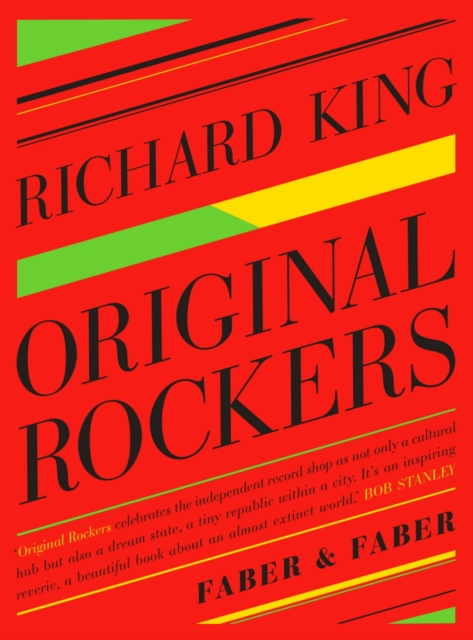
Richard King's account of the several years he spent working in a Bristol independent record shop in the early 90s is destined to become a classic of music writing.
Gerald Abraham's reputation as an authority on Russian music has tended to obscure his deep interest in the music of Poland and Czechoslovakia, and of the nineteenth-century generally.
Syd Barrett and British Psychedelia is an intimate snapshot of the years 1966-7, when the underground's house band, Pink Floyd, were cast blinking into the light of mainstream success.
Faber Forty-Fives is a series of six short ebooks that between them tell the story of British pop music from the birth of psychedelia in the late sixties, through electric folk, glam, seventies rock and punk, to the eclecticism of post-punk in the late seventies and early eighties.
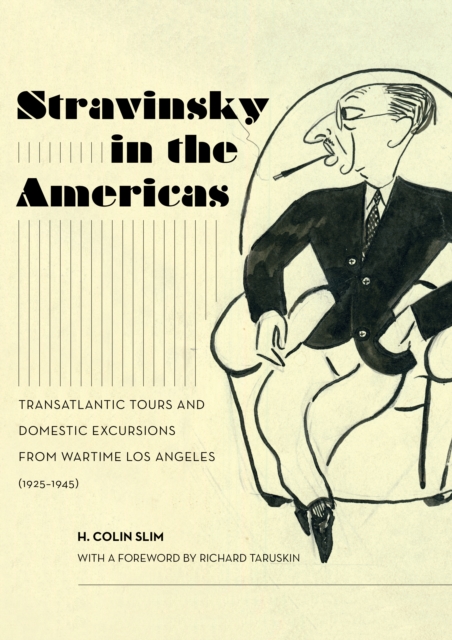
Stravinsky in the Americas explores the ';pre-Craft' period of Igor Stravinsky's life, from when he first landed on American shores in 1925 to the end of World War II in 1945.
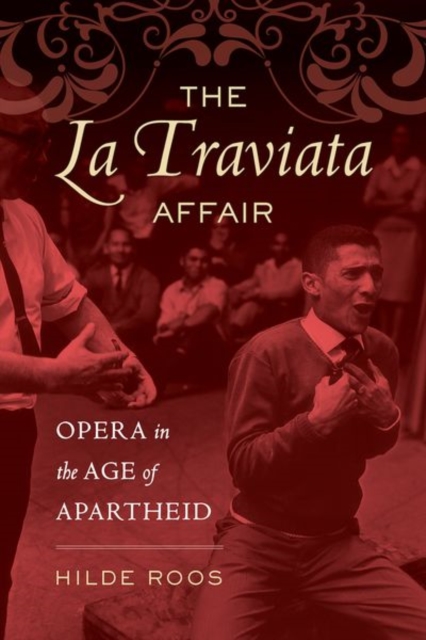
Race, politics, and opera production during apartheid South Africa intersect in this historiographic work on the Eoan Group, a ';coloured' cultural organization that performed opera in the Cape.
The Music of Tragedy offers a new approach to the study of classical Greek theater by examining the use of musical language, imagery, and performance in the late work of Euripides.
In Search of Soul explores the meaning of ';soul' in sacred and profane incarnations, from its biblical origins to its central place in the rich traditions of black and Latin history.
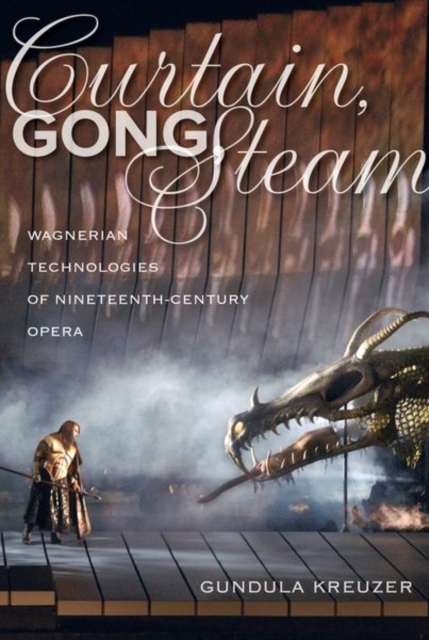
In this innovative book, Gundula Kreuzer argues for the foundational role of technologies in the conception, production, and study of nineteenth-century opera.
Making New Music in Cold War Poland presents a social analysis of new music dissemination at the Warsaw Autumn International Festival of Contemporary Music, one of the most important venues for East-West cultural contact during the Cold War.
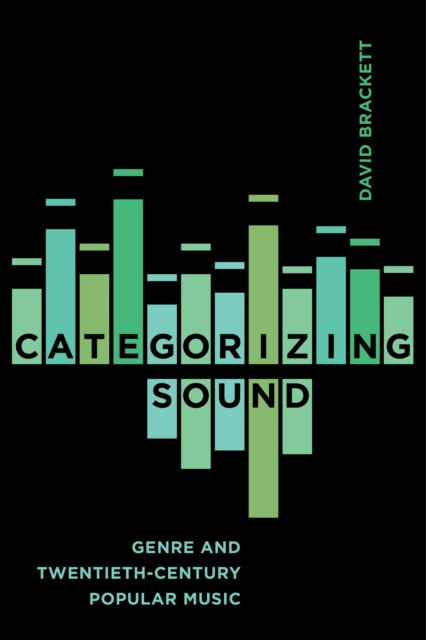
Categorizing Sound addresses the relationship between categories of music and categories of people, particularly how certain ways of organizing sounds becomes integral to how we perceive ourselves and how we feel connected to some people and disconnected from others.
Listening for the Secret is a critical assessment of the Grateful Dead and the distinct culture that grew out of the group's music, politics, and performance.
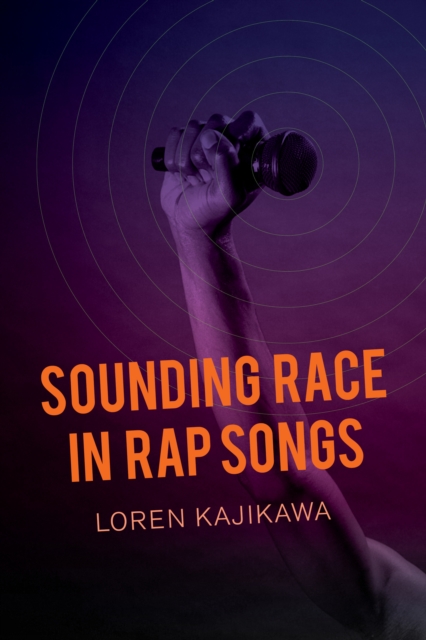
As one of the most influential and popular genres of the last three decades, rap has cultivated a mainstream audience and become a multimillion-dollar industry by promoting highly visible and often controversial representations of blackness.
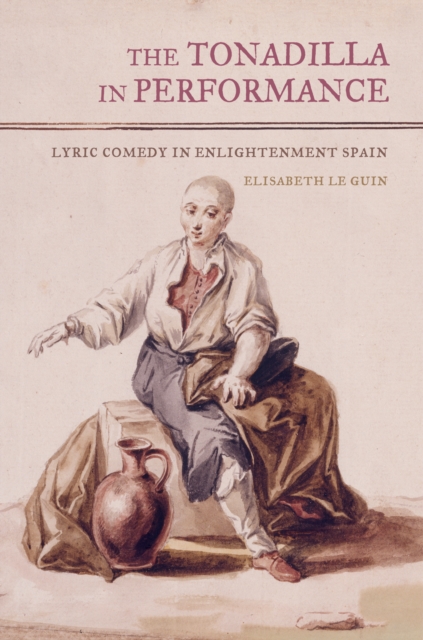
The tonadilla, a type of satiric musical skit popular on the public stages of Madrid during the late Enlightenment, has played a significant role in the history of music in Spain.
The dedication of a piece of music is a feature generally overlooked, but it can reveal a great deal about the work, the composer, the society and the music world in which the composer lived.
The dedication of a piece of music is a feature generally overlooked, but it can reveal a great deal about the work, the composer, the society and the music world in which the composer lived.
Composers, arrangers, conductors, session musicians, and executives worked in easy listening and scoring, complicating an academic focus that lionizes film music while ignoring or deriding easy listening.
Composers, arrangers, conductors, session musicians, and executives worked in easy listening and scoring, complicating an academic focus that lionizes film music while ignoring or deriding easy listening.
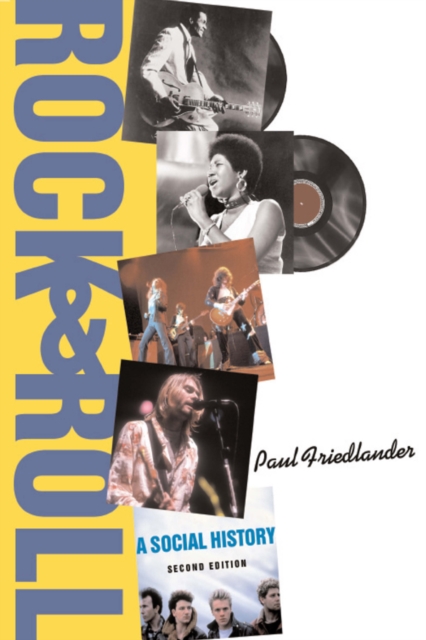
Now updated with two new chapters and an extraordinary collection of photographs, this second edition of Paul Friedlander's Rock and Roll: A Social History is a smash hit.
Of the post-war, post-serialist generation of European composers, it was Luigi Nono who succeeded not only in identifying and addressing aesthetic and technical questions of his time, but in showing a way ahead to a new condition of music in the twenty-first century.
Of the post-war, post-serialist generation of European composers, it was Luigi Nono who succeeded not only in identifying and addressing aesthetic and technical questions of his time, but in showing a way ahead to a new condition of music in the twenty-first century.
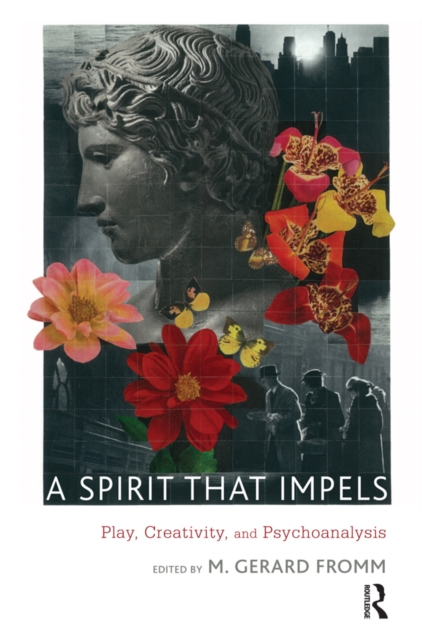
This volume brings together some of the papers presented by leading scholars, artists and psychoanalysts at an annual Creativity Seminar organised by the Erikson Institute of the Austen Riggs Center.
This volume brings together some of the papers presented by leading scholars, artists and psychoanalysts at an annual Creativity Seminar organised by the Erikson Institute of the Austen Riggs Center.
The inspirational and honest first book from S Club legend Rachel StevensWhether as part of the iconic S Club or as a successful solo artist, Rachel Stevens was in the eye of the Noughties pop storm when she was catapulted to fame in her teens.