Published in 1944, this book considers musical theory and music history to create a short but comprehensive guide to the history of harmony and thus a discourse on what we understand harmony to be in the modern era.
Published in 1944, this book considers musical theory and music history to create a short but comprehensive guide to the history of harmony and thus a discourse on what we understand harmony to be in the modern era.
First published 1999, Howard Irving details Croch's lecturing career and examines the influences of figures such a Charles Burney and Sir Joshua Reynolds on his approach to the ancient-modern debate.
First published 1999, Howard Irving details Croch's lecturing career and examines the influences of figures such a Charles Burney and Sir Joshua Reynolds on his approach to the ancient-modern debate.
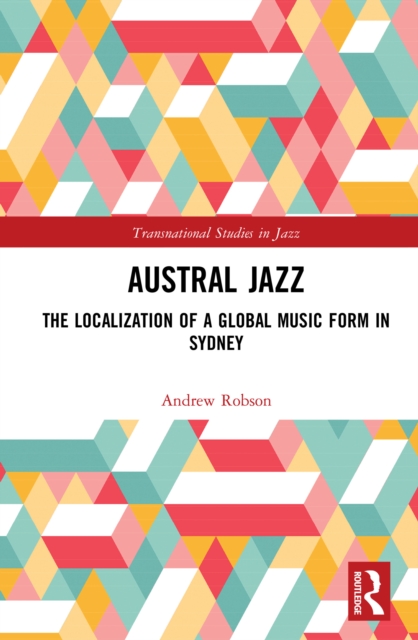
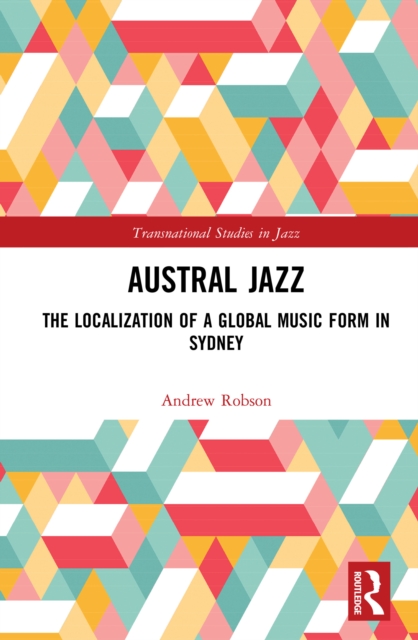
Austral Jazz: The Localization of a Global Music Form in Sydney proposes a new theoretical framework for understanding local jazz communities as they develop outside the United States, demonstrating such processes in action by applying the framework to a significant period of the history of jazz in Sydney, Australia after 1973.
Austral Jazz: The Localization of a Global Music Form in Sydney proposes a new theoretical framework for understanding local jazz communities as they develop outside the United States, demonstrating such processes in action by applying the framework to a significant period of the history of jazz in Sydney, Australia after 1973.
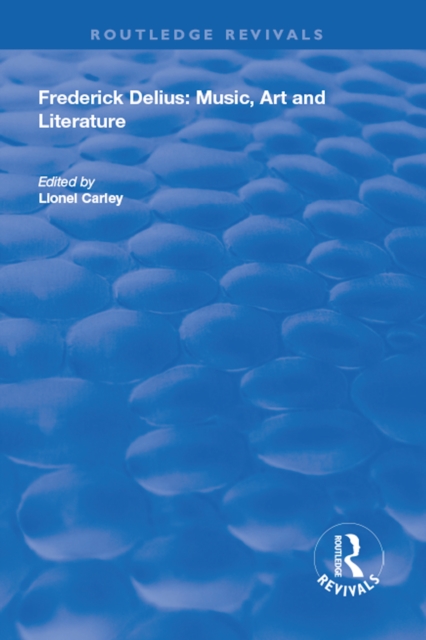
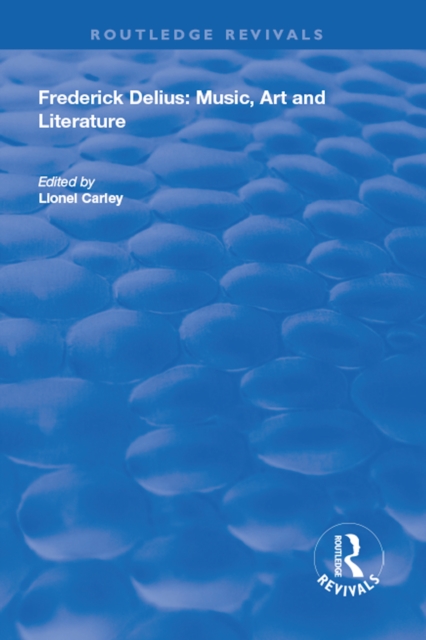
First published in 1998, Carley collates twelve essays by an international group of contributors reflects the truly cosmopolitan nature of Delius's life and his music.
First published in 1998, Carley collates twelve essays by an international group of contributors reflects the truly cosmopolitan nature of Delius's life and his music.
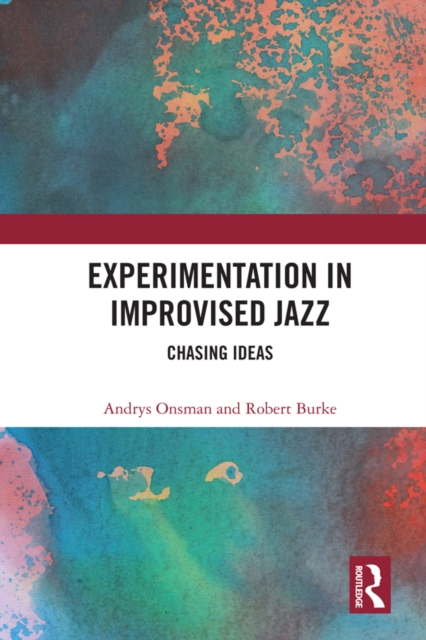
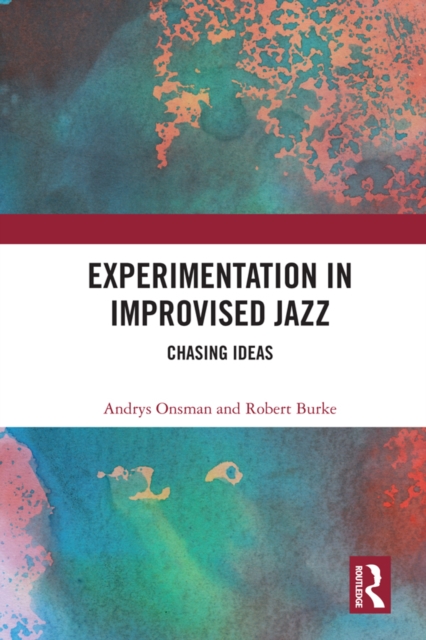
Experimentation in Improvised Jazz: Chasing Ideas challenges the notion that in the twenty-first century, jazz can be restrained by a singular, static definition.
Experimentation in Improvised Jazz: Chasing Ideas challenges the notion that in the twenty-first century, jazz can be restrained by a singular, static definition.
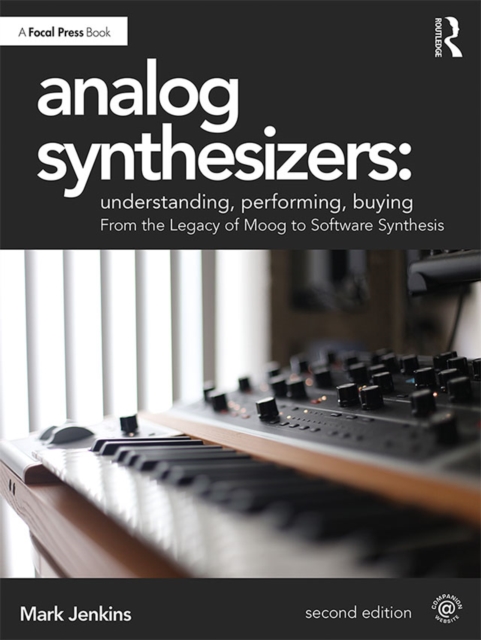
Making its first huge impact in the 1960s through the inventions of Bob Moog, the analog synthesizer sound, riding a wave of later developments in digital and software synthesis, has now become more popular than ever.
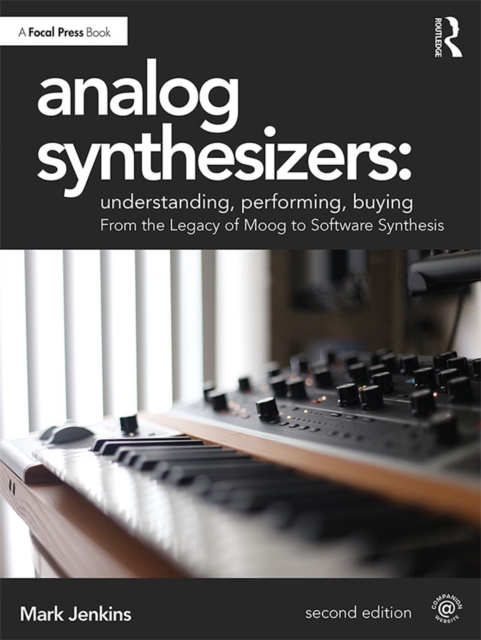
Making its first huge impact in the 1960s through the inventions of Bob Moog, the analog synthesizer sound, riding a wave of later developments in digital and software synthesis, has now become more popular than ever.
In a wide-ranging study of sentimentalism's significance for styles, practices and meanings of music in the nineteenth and twentieth centuries, a series of interpretations scrutinizes musical expressions of sympathetic responses to suffering and the longing to belong.
In a wide-ranging study of sentimentalism's significance for styles, practices and meanings of music in the nineteenth and twentieth centuries, a series of interpretations scrutinizes musical expressions of sympathetic responses to suffering and the longing to belong.
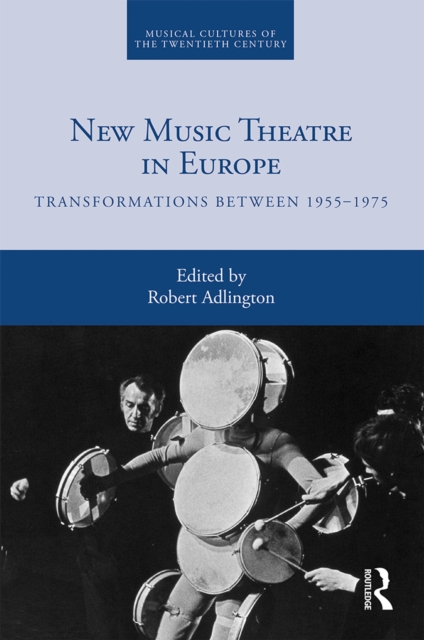
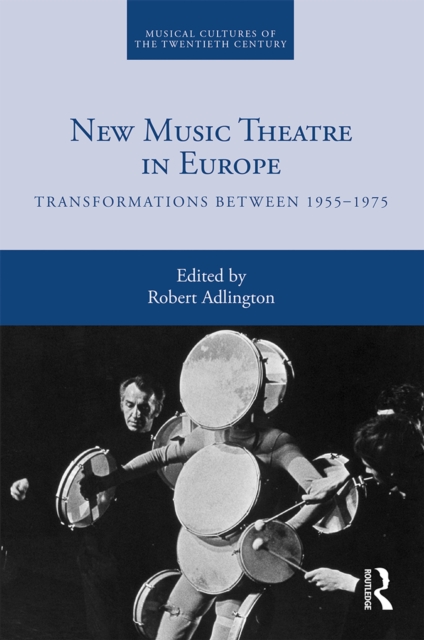
Between 1955 and 1975 music theatre became a central preoccupation for European composers digesting the consequences of the revolutionary experiments in musical language that followed the end of the Second World War.
Between 1955 and 1975 music theatre became a central preoccupation for European composers digesting the consequences of the revolutionary experiments in musical language that followed the end of the Second World War.
First published in 1998, this volume by Derek Hyde remedies the lack of information concerning the contribution made by women to musical life in Britain during the nineteenth century in this carefully researched survey.
First published in 1998, this volume by Derek Hyde remedies the lack of information concerning the contribution made by women to musical life in Britain during the nineteenth century in this carefully researched survey.
First published in 1997, this volume demonstrates that through his activities as a composer, historian, lecturer and administrator, Sir Hubert Parry (1848-1918) played a significant role in British music during the latter half of the nineteenth century.
First published in 1997, this volume demonstrates that through his activities as a composer, historian, lecturer and administrator, Sir Hubert Parry (1848-1918) played a significant role in British music during the latter half of the nineteenth century.
Made in Ireland: Studies in Popular Music serves as a comprehensive and thorough introduction to the history, sociology and musicology of 20th- and 21st-century Irish popular music.
Made in Ireland: Studies in Popular Music serves as a comprehensive and thorough introduction to the history, sociology and musicology of 20th- and 21st-century Irish popular music.
First published in 1998, the aim of this catalogue is to help students, researchers and librarians determine the UK locations of over 2,000 music periodical titles held in public, academic and national libraries.
First published in 1998, the aim of this catalogue is to help students, researchers and librarians determine the UK locations of over 2,000 music periodical titles held in public, academic and national libraries.
This book provides the first scholarly history of the viola d'amore, a popular bowed string instrument of the Baroque era, with a unique tone produced by a set of metal sympathetic strings.
This book provides the first scholarly history of the viola d'amore, a popular bowed string instrument of the Baroque era, with a unique tone produced by a set of metal sympathetic strings.
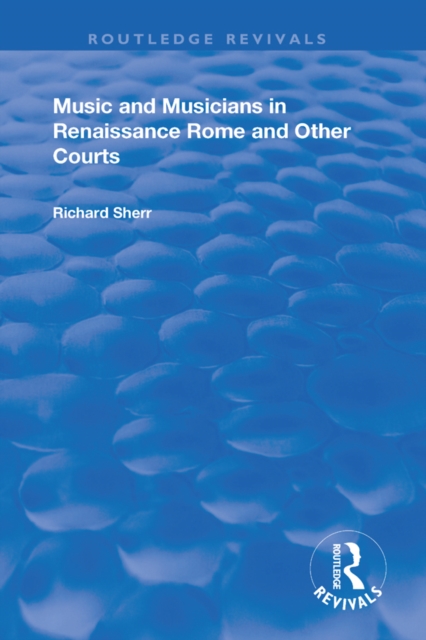
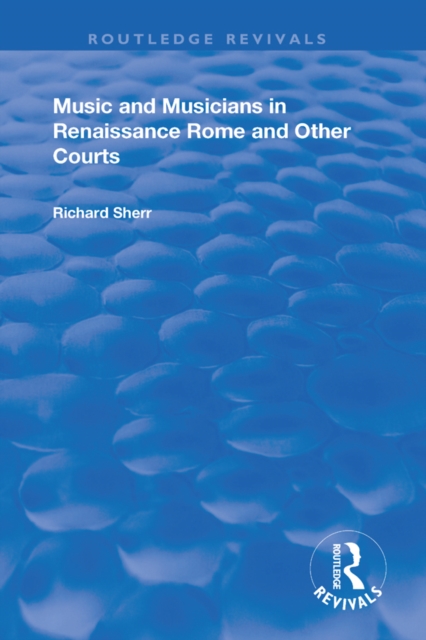
First published in 1999, the essays that follow have been selected from the author's writings to explore musical institutions in 15th and 16th century Italy with a detailed focus on the papal choir, but with additional comments on Mantua (Mantova), Florence and France.
First published in 1999, the essays that follow have been selected from the author's writings to explore musical institutions in 15th and 16th century Italy with a detailed focus on the papal choir, but with additional comments on Mantua (Mantova), Florence and France.
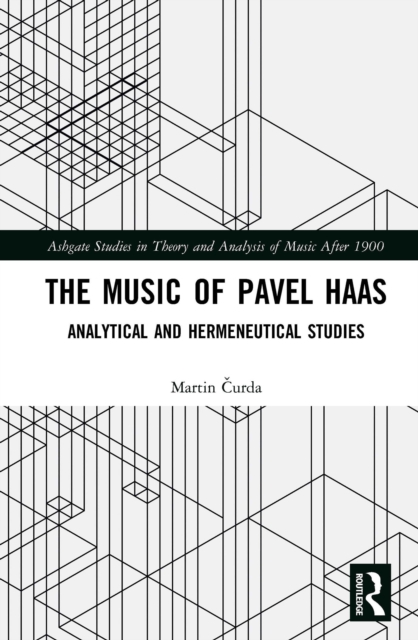
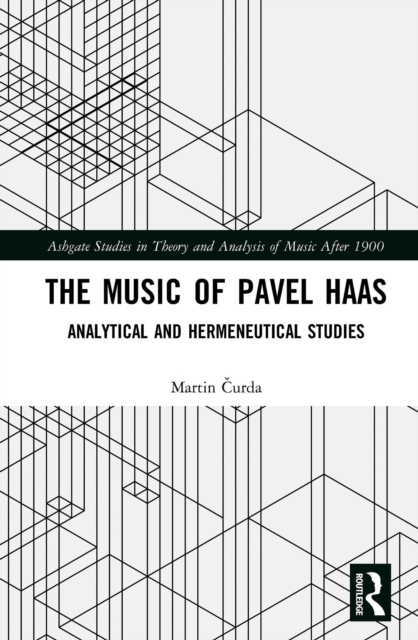
The Czech composer Pavel Haas (1899-1944) is commonly positioned in the history of twentieth-century music as a representative of Leos Janacek's compositional school and as one of the Jewish composers imprisoned by the Nazis in the concentration camp of Terezin (Theresienstadt).
The Czech composer Pavel Haas (1899-1944) is commonly positioned in the history of twentieth-century music as a representative of Leos Janacek's compositional school and as one of the Jewish composers imprisoned by the Nazis in the concentration camp of Terezin (Theresienstadt).
First published in 1998, this volume comprises papers given at a conference on Lawes and his music held at Oxford in September 1995 to commemorate the 350th anniversary of his death.
First published in 1998, this volume comprises papers given at a conference on Lawes and his music held at Oxford in September 1995 to commemorate the 350th anniversary of his death.