For over three decades now, David Byrne has been a leading light in American culture - in popular music, experimental theatre, film, television, fine art, and writing.
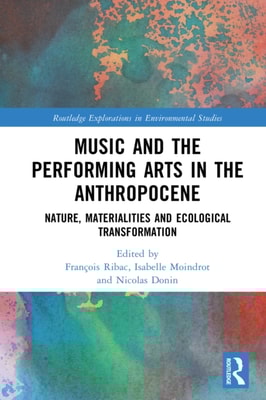
Music and the Performing Arts in the Anthropocene offers a series of thought-provoking chapters about music and the performing arts viewed from current Anthropocene-aware perspectives.
Whisperin' Bill: An Unprecedented Life in Country Music presents a revealing portrait of Bill Anderson, one of the most prolific songwriters in the history of country music.
In People Get Ready, musicians, scholars, and journalists write about jazz since 1965, the year that Curtis Mayfield composed the famous civil rights anthem that gives this collection its title.
Traditional jazz studies have tended to see jazz in purely musical terms, as a series of changes in rhythm, tonality, and harmony, or as a parade of great players.
Noise, an underground music made through an amalgam of feedback, distortion, and electronic effects, first emerged as a genre in the 1980s, circulating on cassette tapes traded between fans in Japan, Europe, and North America.
In Dancing in Spite of Myself, Lawrence Grossberg-well known as a pioneering figure in cultural studies-has collected essays written over the past twenty years that have also established him as one of the leading theorists of popular culture and, specifically, of rock music.
Asian Underground music-a fusion of South Asian genres with western breakbeats created for the dance club scene by DJs and musicians of Indian, Pakistani, and Bangladeshi descent-went mainstream in the U.
Birds of Fire brings overdue critical attention to fusion, a musical idiom that emerged as young musicians blended elements of jazz, rock, and funk in the late 1960s and 1970s.
In Buena Vista in the Club, Geoffrey Baker traces the trajectory of the Havana hip hop scene from the late 1980s to the present and analyzes its partial eclipse by reggaeton.
Covering more than one hundred years of history, this multidisciplinary collection of essays explores the vital connections between popular music and citizenship in Brazil.
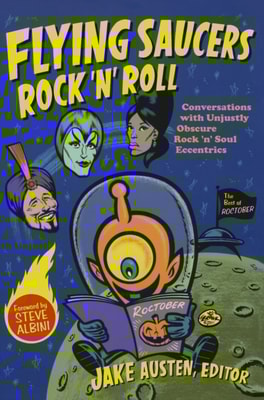
For nearly twenty years, the much-beloved music magazine Roctober has featured work by some of the best underground cartoonists, exhaustive examinations of made-up genres such as "e;robot rock,"e; and an ongoing exploration of everything Sammy Davis Jr.
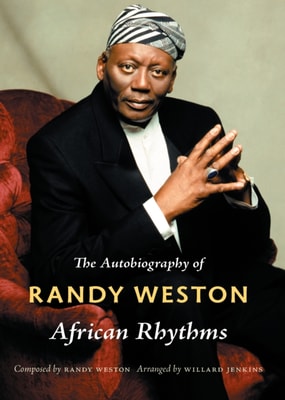
The pianist, composer, and bandleader Randy Weston is one of the world's most influential jazz musicians and a remarkable storyteller whose career has spanned five continents and more than six decades.
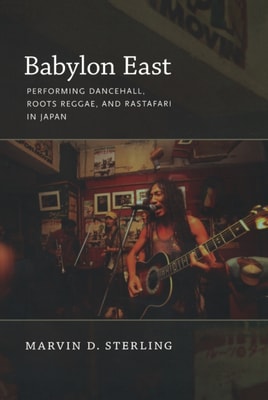
An important center of dancehall reggae performance, sound clashes are contests between rival sound systems: groups of emcees, tune selectors, and sound engineers.
In Segregating Sound, Karl Hagstrom Miller argues that the categories that we have inherited to think and talk about southern music bear little relation to the ways that southerners long played and heard music.
A hybrid of reggae and rap, reggaeton is a music with Spanish-language lyrics and Caribbean aesthetics that has taken Latin America, the United States, and the world by storm.
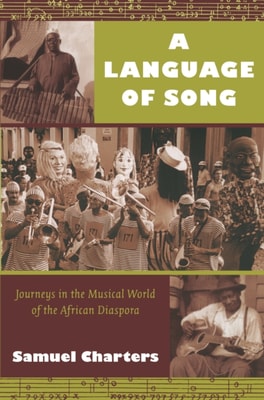
In A Language of Song, Samuel Charters-one of the pioneering collectors of African American music-writes of a trip to West Africa where he found "e;a gathering of cultures and a continuing history that lay behind the flood of musical expression [he] encountered everywhere .
Creator of such acclaimed works as the performance Meat Joy and the film Fuses, for decades the artist Carolee Schneemann has saved the letters she has written and received.
Hold On to Your Dreams is the first biography of the musician and composer Arthur Russell, one of the most important but least known contributors to New York's downtown music scene during the 1970s and 1980s.
Arguing that pop music turns on moments rather than movements, the essays in Listen Again pinpoint magic moments from a century of pop eclecticism, looking at artists who fall between genre lines, songs that sponge up influences from everywhere, and studio accidents with unforeseen consequences.
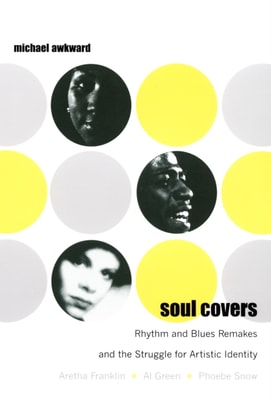
Soul Covers is an engaging look at how three very different rhythm and blues performers-Aretha Franklin, Al Green, and Phoebe Snow-used cover songs to negotiate questions of artistic, racial, and personal authenticity.
Tiki torches, cocktails, la dolce vita, and the music that popularized them-Mondo Exotica offers a behind-the-scenes look at the sounds and obsessions of the Space Age and Cold War period as well as the renewed interest in them evident in contemporary music and design.