The Jazz Standards, a comprehensive guide to the most important jazz compositions, is a unique resource, a browser's companion, and an invaluable introduction to the art form.
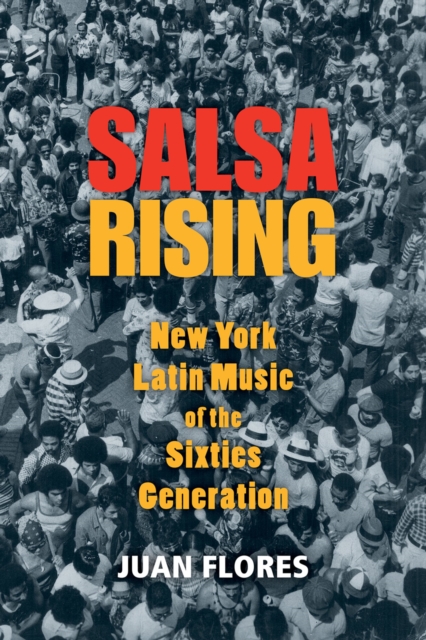
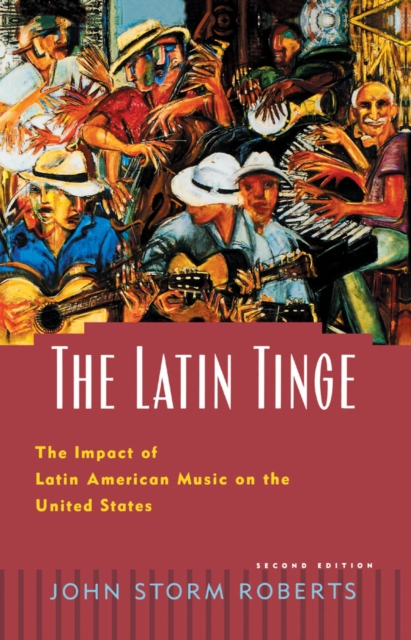
In the 1920s and 30s, musicians from Latin America and the Caribbean were flocking to New York, lured by the burgeoning recording studios and lucrative entertainment venues.
In the 1920s and 30s, musicians from Latin America and the Caribbean were flocking to New York, lured by the burgeoning recording studios and lucrative entertainment venues.
Modern Moves traces the movement of American social dance styles between black and white cultural groups and between immigrant and migrant communities during the early twentieth century.
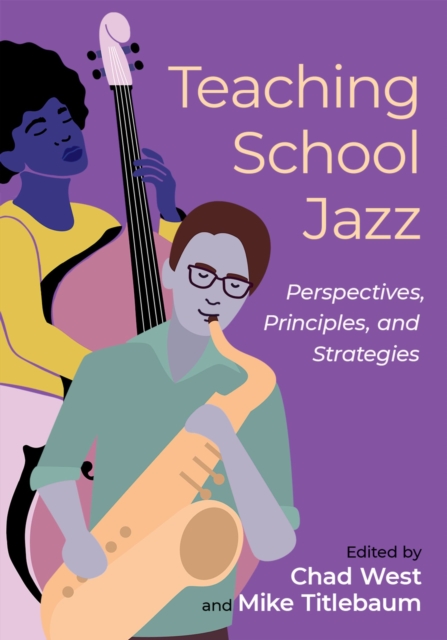
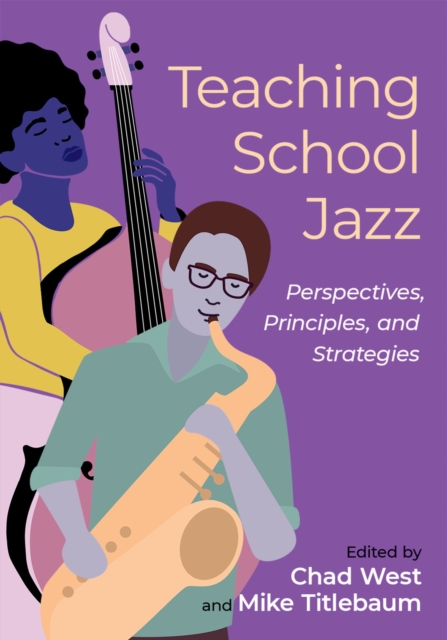
Written by an experienced and diverse lineup of veteran jazz educators, Teaching School Jazz presents a comprehensive approach to teaching beginning through high school-level jazz.
Written by an experienced and diverse lineup of veteran jazz educators, Teaching School Jazz presents a comprehensive approach to teaching beginning through high school-level jazz.
The role of popular music is widely recognized in giving voice to radical political views, the plight of the oppressed, and the desire for social change.
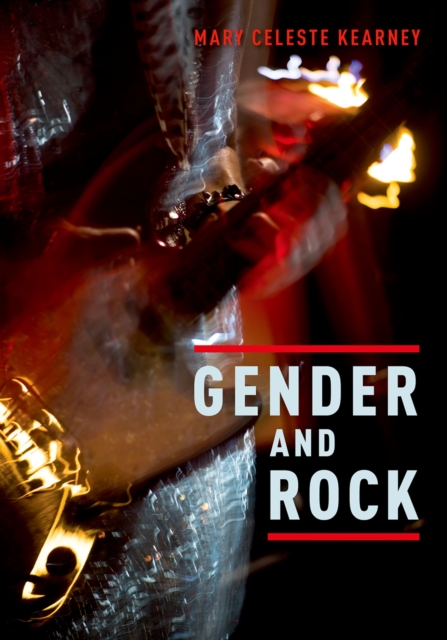
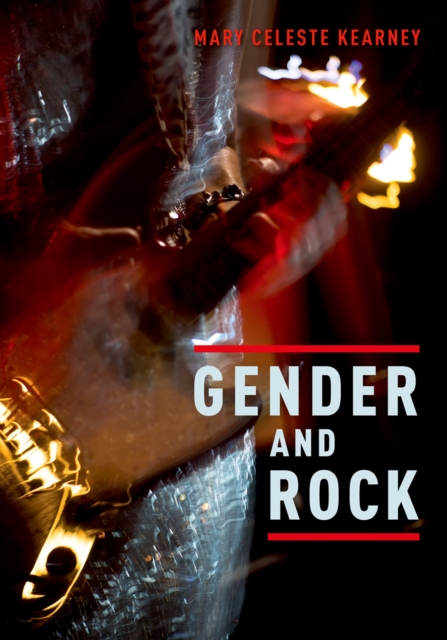
The first book of its kind, Gender & Rock introduces readers to how gender operates in multiple sites within rock culture, including its music, lyrics, imagery, performances, instruments, and business practices.
The first book of its kind, Gender & Rock introduces readers to how gender operates in multiple sites within rock culture, including its music, lyrics, imagery, performances, instruments, and business practices.
Of all the styles of jazz to emerge in the twentieth century, none is more passionate, more exhilaratingly up-tempo, or more steeped in an outsider tradition than Gypsy Jazz.
A comprehensive introduction to the inner workings of rock music, The Foundations of Rock goes back to the heart of the music itself from the time of its birth through the end of classic rock.
Dawn ot the DAW tells the story of how the dividing line between the traditional roles of musicians and recording studio personnel (producers, recording engineers, mixing engineers, technicians, etc.
Georgia on My Mind, Rockin' Chair, Skylark, Lazybones, and of course the incomparable Star Dust--who else could have composed these classic American songs but Hoagy Carmichael?
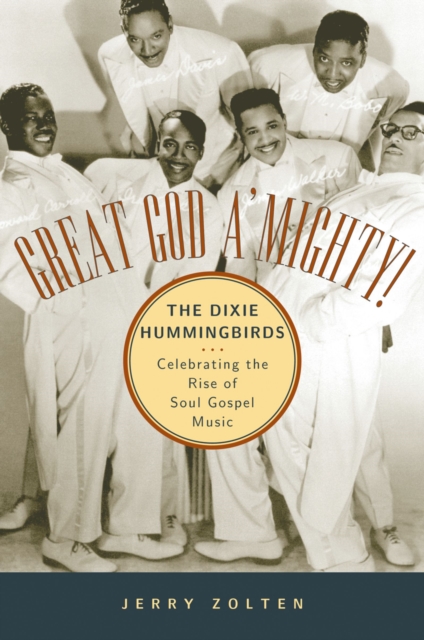
From the Jim Crow world of 1920s Greenville, South Carolina, to Greenwich Village's Cafe Society in the '40s, to their 1974 Grammy-winning collaboration on "e;Loves Me Like a Rock,"e; the Dixie Hummingbirds have been one of gospel's most durable and inspiring groups.
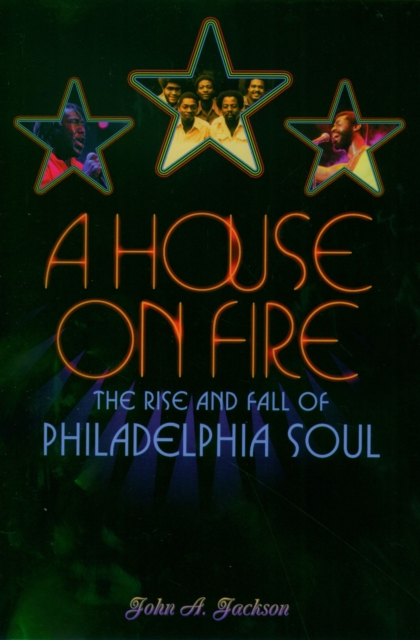
"e;If You Don't Know Me By Now,"e; "e;The Love I Lost,"e; "e;The Soul Train Theme,"e; "e;Then Came You,"e; "e;Ain't No Stoppin' Us Now"e;--the distinctive music that became known as Philly Soul dominated the pop music charts in the 1970s.
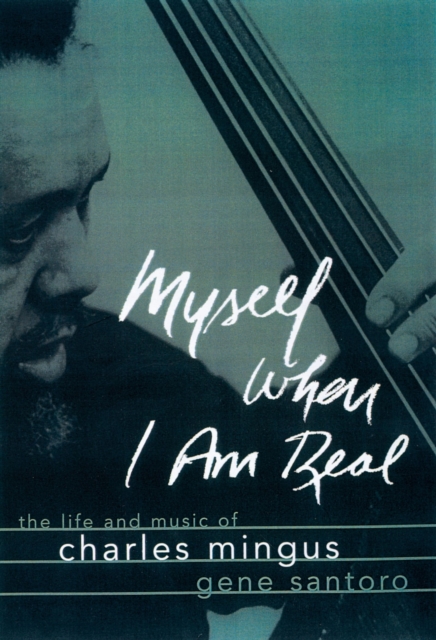
Charles Mingus was one of the most innovative jazz musicians of the 20th Century, and ranks with Ives and Ellington as one of America's greatest composers.
Although he died in a tragic car accident at twenty-five, Clifford Brown is widely considered one of the most important figures in the history of jazz, a trumpet player who ranks with Louis Armstrong, Dizzy Gillespie, and Miles Davis, and a leading influence on contemporary jazz musicians.
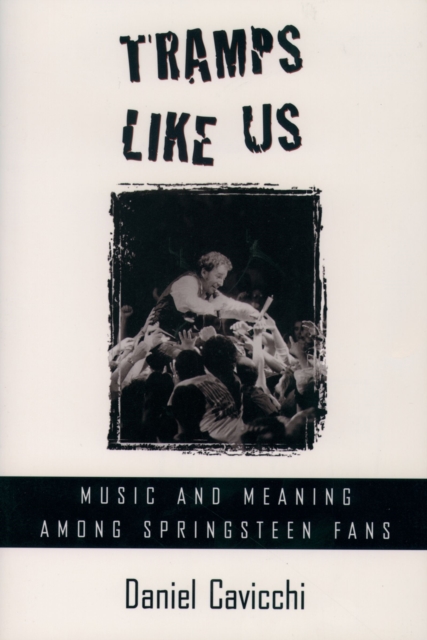
Based on three years of ethnographic research with Bruce Springsteen fans, and informed by the author's own experiences as a fan, Tramps Like Us is an interdisciplinary study of the ways in which ordinary people form special, sustained attachments to Springsteen and his music and how those attachments function in people's daily lives.
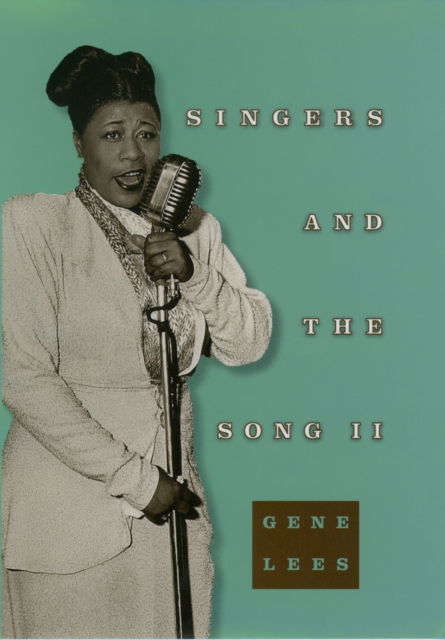
Gene Lees is probably the best jazz essayist in America today, and the book that consolidated his reputation was Singers and the Song, which appeared in 1987.
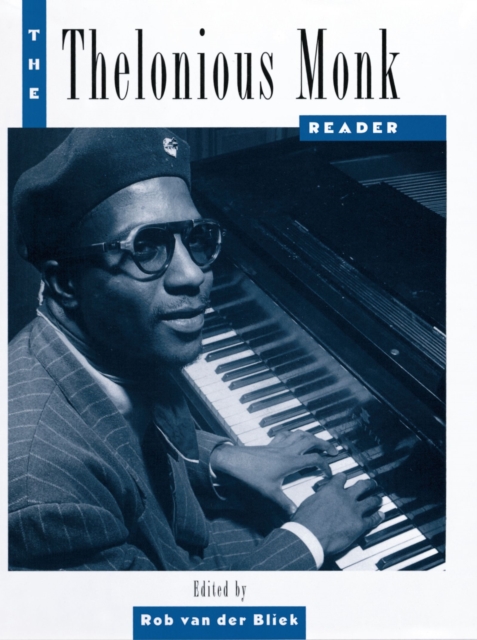
Of all the major jazz artists, Thelonious Monk was one of the most original musical thinkers--nonconformist, idiosyncratic, imaginative, eccentric--in a word, unique.
The Tejano superstar Selena and the tango revival both in the dance clubs and on Broadway are only the most obvious symptoms of how central Latin music is to American musical life.
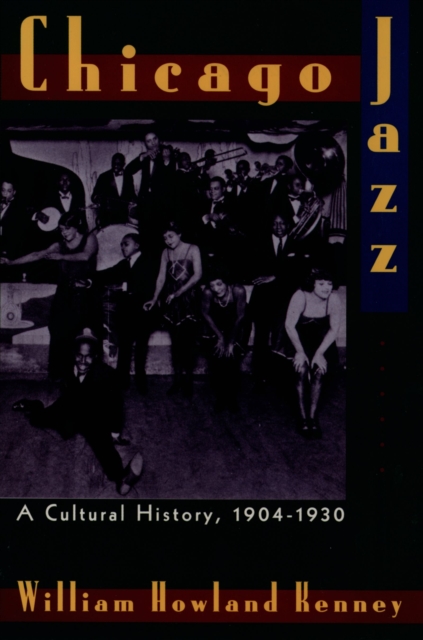
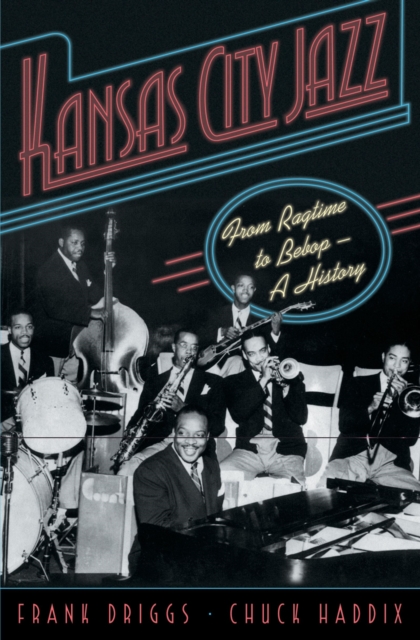
There were but four major galaxies in the early jazz universe, and three of them--New Orleans, Chicago, and New York--have been well documented in print.
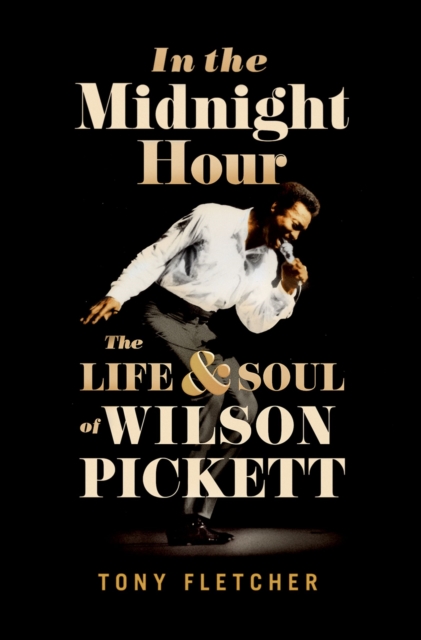
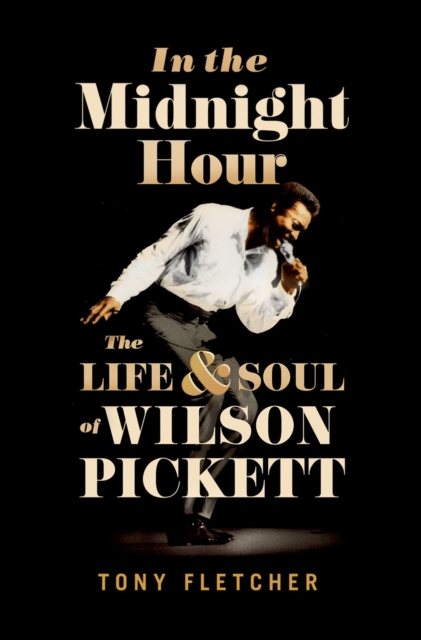
He was the Wicked Wilson Pickett, the legendary soul man whose forty-plus hits included "e;In the Midnight Hour,"e; "e;634-5789,"e; "e;Land of 1000 Dances,"e; "e;Mustang Sally,"e; and "e;Don't Let the Green Grass Fool You.
He was the Wicked Wilson Pickett, the legendary soul man whose forty-plus hits included "e;In the Midnight Hour,"e; "e;634-5789,"e; "e;Land of 1000 Dances,"e; "e;Mustang Sally,"e; and "e;Don't Let the Green Grass Fool You.
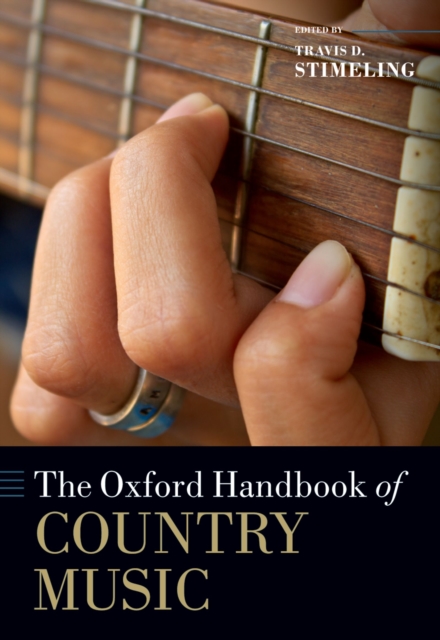
Now in its sixth decade, country music studies is a thriving field of inquiry involving scholars working in the fields of American history, folklore, sociology, anthropology, musicology, ethnomusicology, cultural studies, and geography, among many others.
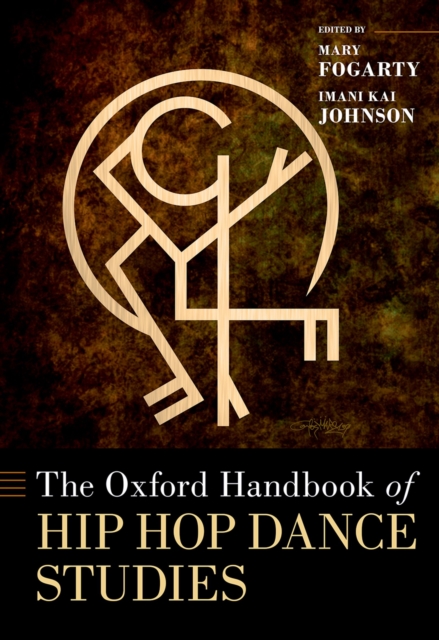
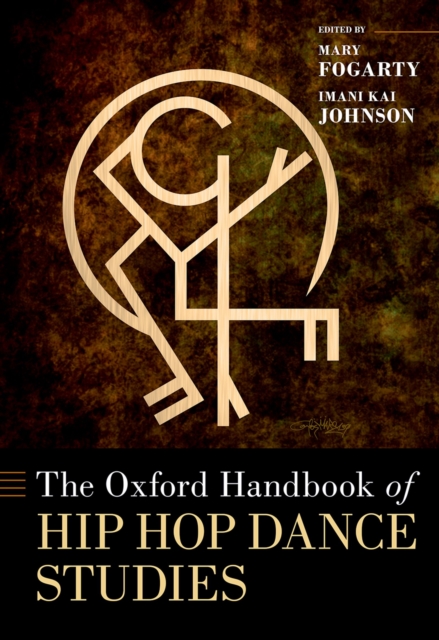
Engaging with a broad range of research and performance genres, The Oxford Handbook of Hip Hop Dance Studies offers the most comprehensive research on Hip Hop dance to date.
Engaging with a broad range of research and performance genres, The Oxford Handbook of Hip Hop Dance Studies offers the most comprehensive research on Hip Hop dance to date.
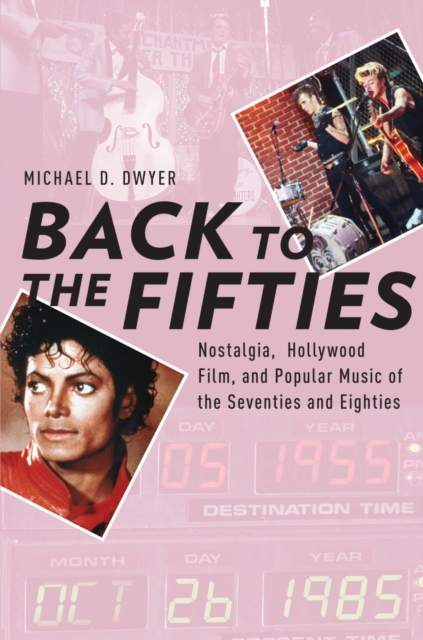
Throughout the 1970s and 1980s, Hollywood studios and record companies churned out films, albums, music videos and promotional materials that sought to recapture, revise, and re-imagine the 1950s.
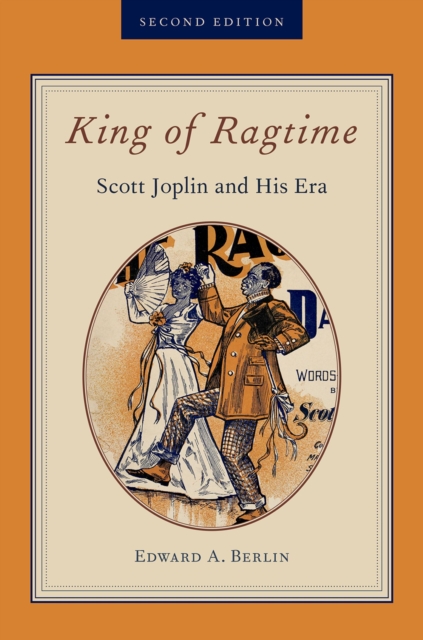
When it was first published in 1994, King of Ragtime: Scott Joplin and his Era was widely heralded not only as the most thorough investigation of Scott Joplin's life and music, but also as a gripping read, almost a detective story.
This volume focuses on developments in the music business in the twentieth century, including vaudeville, music boxes, the relationship of Hollywood to the music business, the "e;fall and rise"e; of the record business in the 1930s, new technology (TV, FM, and the LP record) after World War II, the dominance of rock-and-roll and the huge increase in the music business during the 1950s and 1960s, and finally the changing music business scene from 1967 to the present, especially regarding government regulations, music licensing, and the record business.