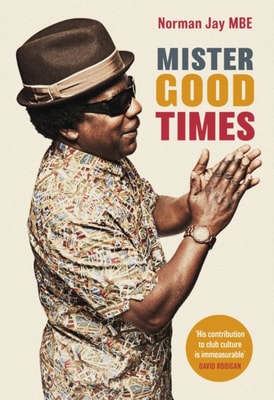
THE LIFE STORY OF THE LEGENDARY BRITISH DJ, NORMAN JAY MBE 'Full of the heart and spirit Norman Jay brings to his music, but it also offers a salutary account of growing up as part of the Windrush generation in London's Notting Hill, the violence and racism he faced, and his success' ObserverMister Good Times is the enthralling story of a black kid growing up in a (largely white) working class world; of vivid, often violent experiences on the football terraces; of the emerging club scene growing out of a melting pot of styles; of how Jay, with his contemporaries, took the music of Black America, gave it a distinctly London twist, and used the marriage of styles to forge a hugely successful career as a trailblazing DJ and broadcaster, becoming an inspiration to a whole generation of dance music fans, black and white, without ever compromising his integrity.
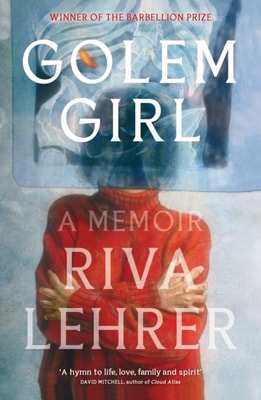
'A hymn to life, love, family, and spirit' DAVID MITCHELL, author of Cloud AtlasThe vividly told, gloriously illustrated memoir of an artist born with disabilities who searches for freedom and connection in a society afraid of strange bodies.
A NEW YORK TIMES BESTSELLER from the beloved star of Gilmore Girls 'Insightful, honest, funny, and moving' BUZZFEED 'Candid, genuine and as per usual hilarious .
THE NEW YORK TIMES BESTSELLER NOW STREAMING ON AMAZON FREEVEEFrom iconic musicians Tegan and Sara comes a nostalgic memoir about high school, detailing their first loves and first songs in a compelling look back at their origin story.
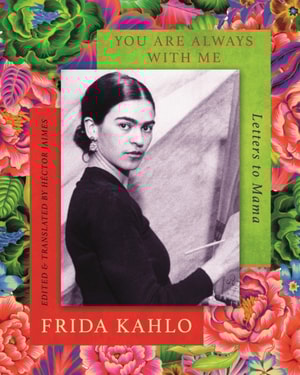
Frida Kahlo is regarded as one of Mexico's greatest painters: her extraordinary personal style, her tragic story, her relationship with Diego Rivera (the more famous painter in their day) alongside her passionate paintings have made her a cult figure since she died over sixty years ago.
Advice for graduates and reflections on staying true to yourself from the beloved Gilmore Girls actress and New York Times bestselling author of the memoir Talking as Fast as I Can and the novel Someday, Someday, Maybe.
A NEW YORK TIMES BESTSELLERFrom the co-creator and co-star of the hit series Broad City, a hilarious and poignant collection about love, loss, work, comedy and figuring out who you really are when you thought you already knew.
A NEW YORK TIMES BESTSELLERIn this collection of personal essays, the beloved star of Gilmore Girls and Parenthood reveals stories about life, love, and working as a woman in Hollywood, along with behind-the-scenes dispatches from the set of the new Gilmore Girls, where she plays the fast-talking Lorelai Gilmore once again.
Fascinating and extraordinary, thrilling and poignant, My Judy Garland Life will speak to anyone who has ever nursed an obsession or held a candle to a star.
A critical analysis of issues and approaches in a variety of areas, ranging from the political economy of popular music through its history and ethnography to its semiology, aesthetics and ideology.
From the presenter of ITV1's Long Lost Family and the bestselling author of One of the Family, comes a moving and honest book about Nicky Campbell's own search for his birth parents.
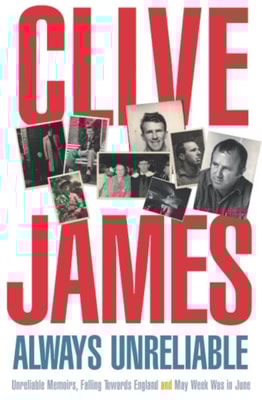
Always Unreliable is the collected first three volumes of Clive James's eloquently witty autobiographies, Unreliable Memoirs, Falling Towards England and May Week Was in June.
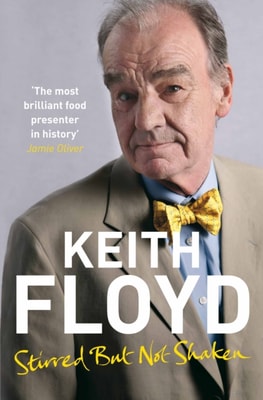
He was the first celebrity chef, the swashbuckling cook who crossed the high seas, on a BBC budget, communicating his love of food to millions of viewers.
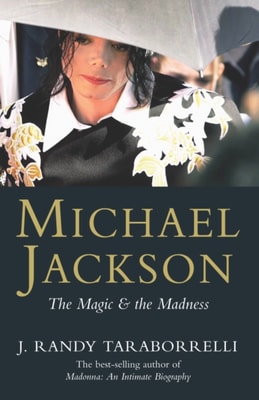
A number 1 bestseller, this definitive biography of Michael Jackson is now completely updated to include the events leading to the untimely death of the star.
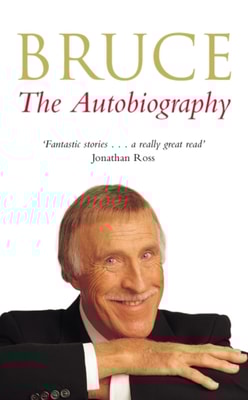
Bruce Forsyth is known across four generations as the face of family entertainment classics such as The Generation Game, Play Your Cards Right and The Price is Right.
The second instalment of his famed unreliable memoirs, Falling Towards England sees Clive James set sail for London - a long way from the acclaimed author, poet and broadcaster he would one day become .
This collection delves into the politics of language choice when composing and performing popular music in punk, metal, Hip-Hop and rap and provides fascinating examples of language change, resistance, reclamation and revitalisation from across the globe, giving readers insights into the work of artists, the activity and functions of scenes and music spaces.
Offering a fresh way to look at one of the best-selling hip hop artists of the early 21st century, this book presents Eminem's words, images, and music alongside comments from those who love and hate him, documenting why Eminem remains a cultural, spiritual, and economic icon in global popular culture.
A guide to locating information on popular music and the people who create it, this volume is designed as a desk reference-to locate answers to specific questions and to direct library users to key resources.
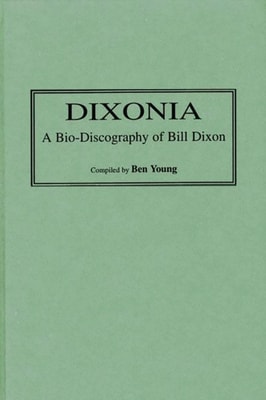
In this thorough research guide to the career and music of Bill Dixon the author has documented how Dixon refined a sonically unique pan-tonal language of trumpet playing.
For the first time, all data for recordings of non-classical piano made for issue on disc and cylinder records prior to 1935 are brought together in this work.
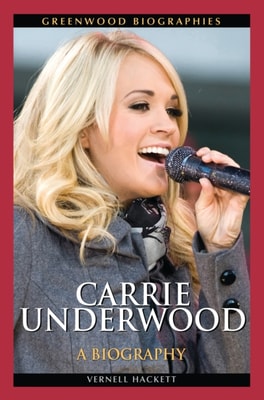
This insightful biography provides a closer look at one of the entertainment world's biggest stars, with a focus on what got her to the top-and what has kept her there.
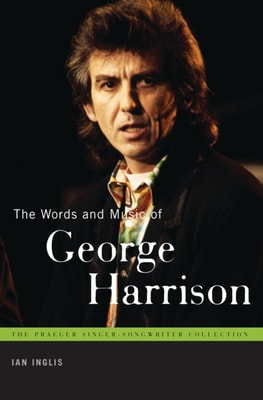
This book offers a comprehensive assessment of the music of George Harrison, revealing him as one of the most gifted and authentic singer-songwriters of his generation.
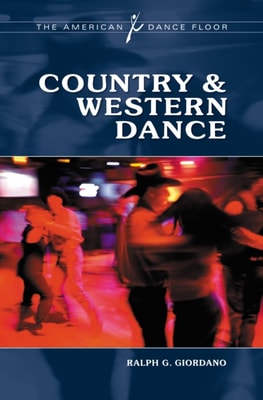
A fun, fact-filled, and thoroughly researched journey of country and western dancing from the roots of Western Swing to Hank Williams, the Urban Cowboy two-step of John Travolta, and the nationwide sensation of country line dancing.
One of Hollywood's first openly Latin stars, Jennifer Lopez has held fast to her New York Bronx roots, while rising above them to become the highest paid Latina actress in history.
This biography offers students and general readers an insightful look into Jerry Garcia's creative genius as a founding member of The Grateful Dead and the various influences on his work as he contributed to the countercultural movement in the United States.
Jazz is a vibrant and a living art, and this volume serves to remind us of that fact through interviews with Art Tatum, Maynard Ferguson, Dizzy Gillespie, and Dave Brubeck, along with almost 20 other jazz greats.