The Modern Castrato: Gaetano Guadagni and the Coming of a New Operatic Age chronicles the career of the most significant castrato of the second half of the eighteenth-century.
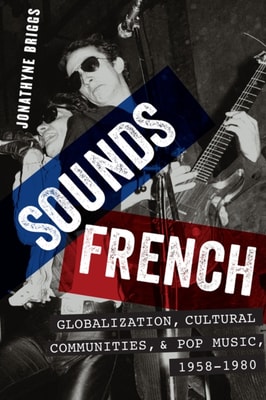
Sounds French examines the history of popular music in France between the arrival of rock and roll in 1958 and the collapse of the first wave of punk in 1980, and the connections between musical genres and concepts of community in French society.
Sounding American: Hollywood, Opera, and Jazz tells the story of the interaction between musical form, film technology, and ideas about race, ethnicity, and the nation during the American cinema's conversion to sound.
The Modern Castrato: Gaetano Guadagni and the Coming of a New Operatic Age chronicles the career of the most significant castrato of the second half of the eighteenth-century.
Throughout the 1970s and 1980s, Hollywood studios and record companies churned out films, albums, music videos and promotional materials that sought to recapture, revise, and re-imagine the 1950s.
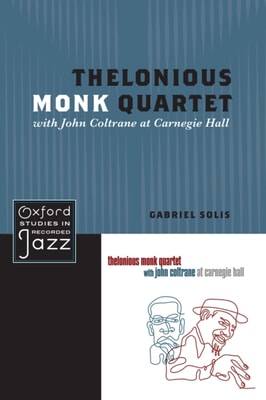
In early 2005, an engineer at the Library of Congress accidentally discovered, in an unmarked box, the recording of Thelonious Monk's and John Coltrane's performance at a 1957 benefit concert at Carnegie Hall.
When Hank Williams died on New Year's Day 1953 at the age of twenty-nine, his passing appeared to bring an abrupt end to a saga of rags-to-riches success and anguished self-destruction.
When Hank Williams died on New Year's Day 1953 at the age of twenty-nine, his passing appeared to bring an abrupt end to a saga of rags-to-riches success and anguished self-destruction.
Tracing Tangueros offers an inside view of Argentine tango music in the context of the growth and development of the art form's instrumental and stylistic innovations.
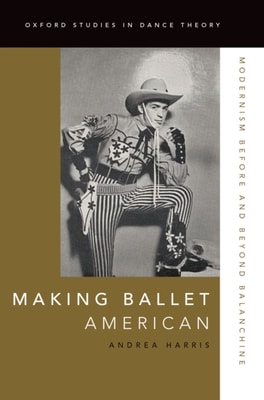
George Balanchine's arrival in the United States in 1933, it is widely thought, changed the course of ballet history by creating a bold neoclassical style that is celebrated as the first American manifestation of the art form.
"e;Industrial"e; is a descriptor that fans and critics have applied to a remarkable variety of music: the oildrum pounding of Einsturzende Neubauten, the processed electronic groans of Throbbing Gristle, the drumloop clatter of Skinny Puppy, and the synthpop songcraft of VNV Nation, to name just a few.
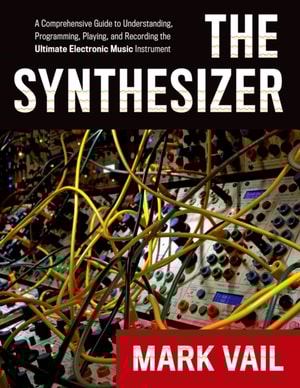
Electronic music instruments weren't called synthesizers until the 1950s, but their lineage began in 1919 with Russian inventor Lev Sergeyevich Termen's development of the Etherphone, now known as the Theremin.
Electronic music instruments weren't called synthesizers until the 1950s, but their lineage began in 1919 with Russian inventor Lev Sergeyevich Termen's development of the Etherphone, now known as the Theremin.
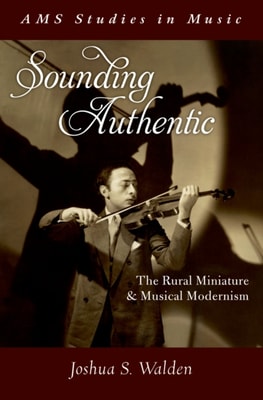
Sounding Authentic considers the intersecting influences of nationalism, modernism, and technological innovation on representations of ethnic and national identities in twentieth-century art music.
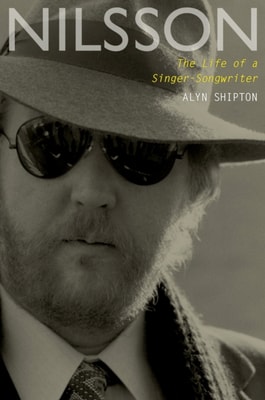
Paul McCartney and John Lennon described him as the Beatles' "e;favorite group,"e; he won Grammy awards, wrote and recorded hit songs, and yet no figure in popular music is as much of a paradox, or as underrated, as Harry Nilsson.
Paul McCartney and John Lennon described him as the Beatles' "e;favorite group,"e; he won Grammy awards, wrote and recorded hit songs, and yet no figure in popular music is as much of a paradox, or as underrated, as Harry Nilsson.
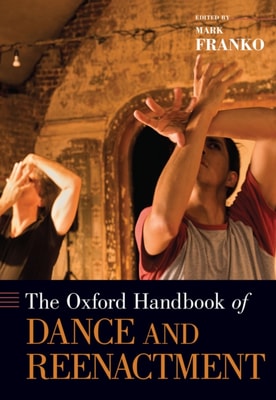
The Oxford Handbook of Dance and Reenactment brings together a cross-section of artists and scholars engaged with the phenomenon of reenactment in dance from a practical and theoretical standpoint.
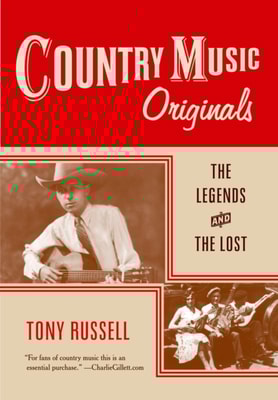
Graced by more than 200 illustrations, many of them seldom seen and some never before published, this sparkling volume offers vivid portraits of the men and women who created country music, the artists whose lives and songs formed the rich tradition from which so many others have drawn inspiration.
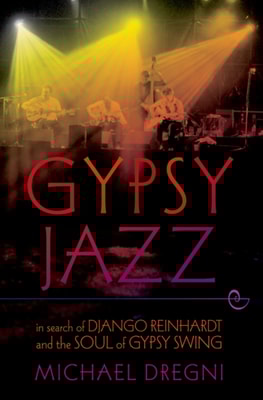
Of all the styles of jazz to emerge in the twentieth century, none is more passionate, more exhilaratingly up-tempo, or more steeped in an outsider tradition than Gypsy Jazz.
The ballad "e;John Henry"e; is the most recorded folk song in American history and John Henry--the mighty railroad man who could blast through rock faster than a steam drill--is a towering figure in our culture.
In this completely rewritten and updated edition of his long-indispensable study, Malcolm MacDonald takes advantage of 30 years of recent scholarship, new biographical information, and deeper understanding of Schoenberg's aims and significance to produce a superb guide to Schoenberg's life and work.