Improvisation informs a vast array of human activity, from creative practices in art, dance, music, and literature to everyday conversation and the relationships to natural and built environments that surround and sustain us.
In Oboe Art and Method, veteran oboe performer and instructor Martin Schuring describes in detail all of the basic techniques of oboe playing and reed making, with expert tips and step-by-step instructions for how best to perform each of these tasks with grace and technical efficiency.
Facing the Music investigates the practices and ideas that have grown from some five decades of cultural diversity in music education, developments in ethnomusicology, and the rise of 'world music'.
Composer, cultural diplomat, and man about town, Nicolas Nabokov (1903-78) counted among his intimate friends everyone from Igor Stravinsky to George Kennan.
Composer, cultural diplomat, and man about town, Nicolas Nabokov (1903-78) counted among his intimate friends everyone from Igor Stravinsky to George Kennan.
Discoveries from the Fortepiano uncovers eighteenth-century performance practices and philosophical beliefs, enabling modern performers to craft an authentic, historically influenced style.
In Sonic Virtuality: Sound as Emergent Perception, authors Mark Grimshaw and Tom Garner introduce a novel theory that positions sound within a framework of virtuality.
Ian Bradley's Complete Annotated Gilbert and Sullivan has established itself across the world as the authorized and definitive 'Bible' for all those interested in the Savoy operas.
In recent years, academics and professionals in the social sciences have forged significant advances in quantitative research methodologies specific to their respective disciplines.
In Modern Etudes and Studies for the Total Percussionist, band director and percussionist Chris Colaneri lays out a comprehensive system of total percussion education.
The Children's Music Studio provides music teachers, parents and early childhood educators a wealth of materials and a clear roadmap for applying Reggio Emilia principles and practices to preschool and early childhood music education.
This book surveys emerging music and education landscapes to present a sampling of the promising practices of music teacher education that may serve as new models for the 21st century.
From the mid-1950s through the 1960s, Hungarian composer Gyorgy Ligeti went through a remarkable period of stylistic transition, from the emulation of his fellow countryman Bela Bartok to his own individual style at the forefront of the Western-European avant-garde.
The Unorthodox Guitar: A Guide to Alternative Performance Practice is a comprehensive resource for experimentally minded guitarists and composers wishing to write for or perform on the instrument in new ways.
The Unorthodox Guitar: A Guide to Alternative Performance Practice is a comprehensive resource for experimentally minded guitarists and composers wishing to write for or perform on the instrument in new ways.
Written by an expert in the field who is both a teacher and a teacher-educator, this book is an in-depth and practical resource for educators and parents who wish to introduce music to children with hearing loss.
Around the middle of the eighteenth century, the leading figures of the French Enlightenment engaged in a philosophical debate about the nature of music.
The British composer, conductor, and pianist Thomas Ades has achieved a level of recognition and celebrity within the world of classical music today that is almost unmatched.
Since the mid-twentieth century, Zoltan Kodaly's child-developmental philosophy for teaching music has had significant positive impact on music education around the world, and is now at the core of music teaching in the United States and other English speaking countries.
As the landscape of choral education changes - disrupted by Glee, YouTube, and increasingly cheap audio production software - teachers of choral conducting need current research in the field that charts scholarly paths through contemporary debates and sets an agenda for new critical thought and practice.
Growing Musicians: Teaching Music in Middle School and Beyond focuses on teaching adolescents within the context of a music classroom, regardless of content area (orchestra, band, choir, or general music).
Music for Life: Music Participation and Quality of Life of Senior Citizens presents a fresh, new exploration of the impact of musical experiences on the quality of life of senior citizens, and charts a new direction in the facilitation of the musical lives of people of all ages.
Music Learning Today: Digital Pedagogy for Creating, Performing, and Responding to Music presents an approach to conceptualizing and utilizing technology as a tool for music learning.
This book of parent-to-parent advice aims to encourage, support, and bolster the morale of one of music's most important back-up sections: music parents.
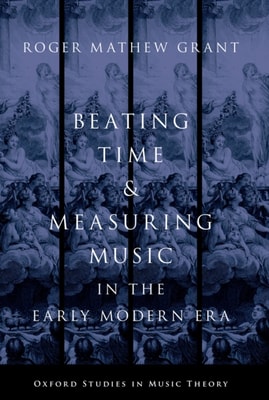
Beating Time & Measuring Music in the Early Modern Era chronicles the shifting relationships between ideas about time in music and science from the sixteenth through the early nineteenth centuries.
Piano Lessons with Claudio Arrau provides an insider's view of the art of piano performance as exemplified by one of the great artists of the twentieth century.
The Musical Experience proposes a new concept - musical experience - as the most effective framework for navigating the shifting terrain of educational policy as it is applied to music education.
The Art of Music Production is the first book to comprehensively analyze and describe the role of the music producer in creating successful music recordings.
Many practical books for music educators who work with special needs students focus on students' disabilities, rather than on the inclusive classroom more generally.
In Beyond the Score: Music as Performance, author Nicholas Cook supplants the traditional musicological notion of music as writing, asserting instead that it is as performance that music is loved, understood, and consumed.
Creative practice in music, particularly in traditional concert culture, is commonly understood in terms of a rather stark division of labour between composer and performer.