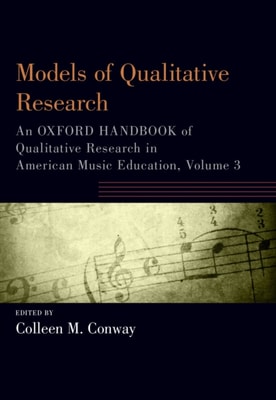
New in paperback, the articles collected in Models of Qualitative Research examine the use of qualitative research in answering important research questions regarding music teaching and learning in a variety of diverse music education contexts.
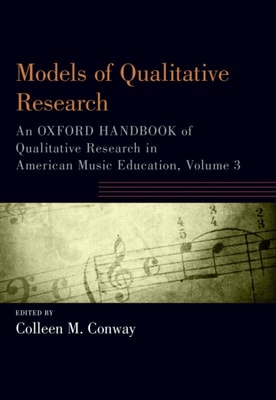
New in paperback, the articles collected in Models of Qualitative Research examine the use of qualitative research in answering important research questions regarding music teaching and learning in a variety of diverse music education contexts.
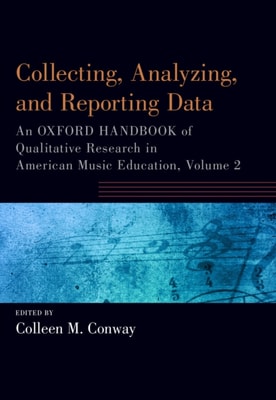
In a newly updated paperback release, Collecting, Analyzing, and Reporting Data considers an array of strategies for working with qualitative data in American music education.
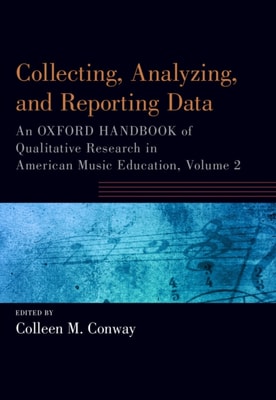
In a newly updated paperback release, Collecting, Analyzing, and Reporting Data considers an array of strategies for working with qualitative data in American music education.
In this newly updated collection, a diverse roster of scholars place qualitative research in music education into its historical context, while providing readers with epistemological foundations and theoretical frameworks that can be applied to a range of teaching and learning contexts.
In this newly updated collection, a diverse roster of scholars place qualitative research in music education into its historical context, while providing readers with epistemological foundations and theoretical frameworks that can be applied to a range of teaching and learning contexts.
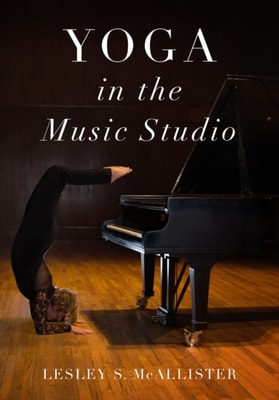
Yoga in the Music Studio brings the popular and beneficial practice of yoga to music teachers and students of all instruments and ages, from preschoolers to senior adults and all those in-between.
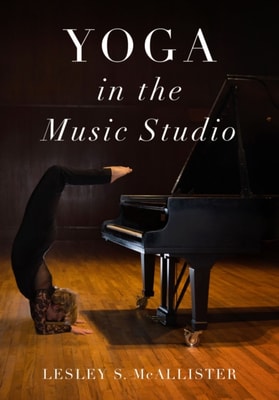
Yoga in the Music Studio brings the popular and beneficial practice of yoga to music teachers and students of all instruments and ages, from preschoolers to senior adults and all those in-between.
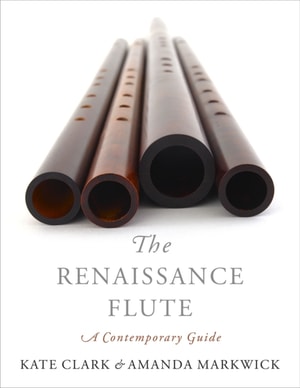
The renaissance flute, with its rich history, stunning repertoire, and mellow tone, has attracted a significant following among flutists, whether they specialize in modern flute or historical instruments.
The renaissance flute, with its rich history, stunning repertoire, and mellow tone, has attracted a significant following among flutists, whether they specialize in modern flute or historical instruments.
Through musical analysis of compositions written between the mid-twelfth to late nineteenth centuries, this volume celebrates the achievements of eight composers, all women: Hildegard of Bingen, Maddalena Casulana, Barbara Strozzi, Elisabeth Jacquet de la Guerre, Marianne Martines, Josephine Lang, Fanny Hensel, Clara Schumann, and Amy Beach.
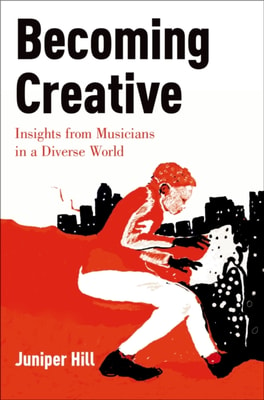
Creative practice in music, particularly in traditional concert culture, is commonly understood in terms of a rather stark division of labour between composer and performer.
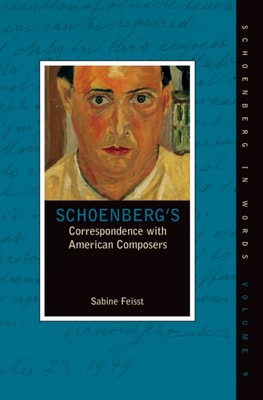
Schoenberg's Correspondence with American Composers is the first edition of all known and available letters between Arnold Schoenberg and over seventy American composers written between 1915 and 1951, in English and English translation and with commentary.
Schoenberg's Correspondence with American Composers is the first edition of all known and available letters between Arnold Schoenberg and over seventy American composers written between 1915 and 1951, in English and English translation and with commentary.
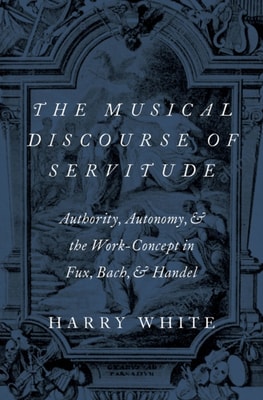
Examining, for the first time, the compositions of Johann Joseph Fux in relation to his contemporaries Bach and Handel, The Musical Discourse of Servitude presents a new theory of the late baroque musical imagination.
Examining, for the first time, the compositions of Johann Joseph Fux in relation to his contemporaries Bach and Handel, The Musical Discourse of Servitude presents a new theory of the late baroque musical imagination.
In Percussion Pedagogy, author Michael Udow offers a practical guide for students interested in teaching percussion as well as improving their technique.
In Percussion Pedagogy, author Michael Udow offers a practical guide for students interested in teaching percussion as well as improving their technique.
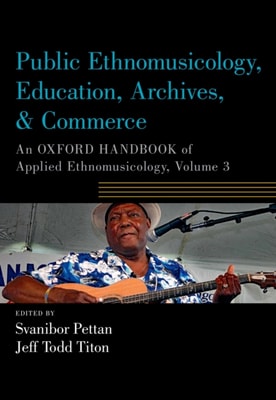
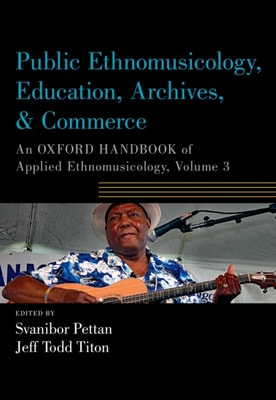
The seven ethnomusicologists who contributed to this volume discuss the role and impact of applied ethnomusicology in a variety of public and private sectors, including the commercial music industry, archives and collections, public folklore programs, and music education programs at public schools.
The seven ethnomusicologists who contributed to this volume discuss the role and impact of applied ethnomusicology in a variety of public and private sectors, including the commercial music industry, archives and collections, public folklore programs, and music education programs at public schools.
The nine ethnomusicologists who contributed to this volume present a diverse range of views, approaches, and methodologies that address indigenous peoples, immigrants, and marginalized communities.
The nine ethnomusicologists who contributed to this volume present a diverse range of views, approaches, and methodologies that address indigenous peoples, immigrants, and marginalized communities.
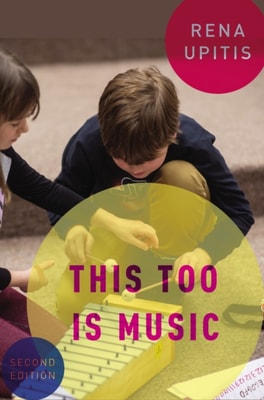
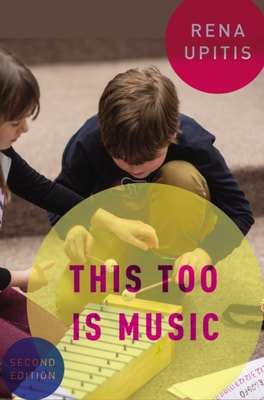
This Too is Music guides and motivates teachers to foster playful and motivating classroom conditions that enable elementary students to thrive as musicians in every way-as singers, improvisers, critical listeners, storytellers, dancers, performers, and composers.
This Too is Music guides and motivates teachers to foster playful and motivating classroom conditions that enable elementary students to thrive as musicians in every way-as singers, improvisers, critical listeners, storytellers, dancers, performers, and composers.
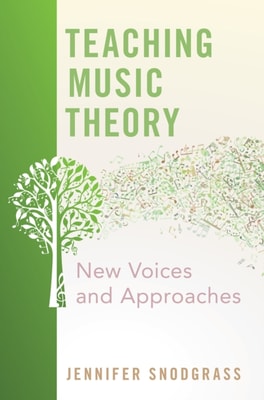
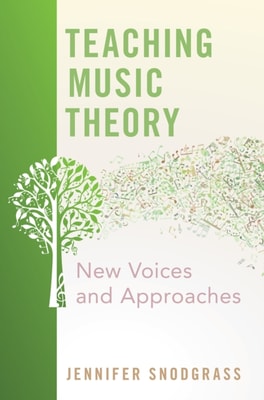
In recent years, music theory educators around the country have developed new and innovative teaching approaches, reintroducing a sense of purpose into their classrooms.
In recent years, music theory educators around the country have developed new and innovative teaching approaches, reintroducing a sense of purpose into their classrooms.
The Centro Latinoamericano de Altos Estudios Musicales (CLAEM) in Buenos Aires operated for less than a decade, but by the time of its closure in 1971 it had become the undeniable epicenter of Latin American avant-garde music.
The Centro Latinoamericano de Altos Estudios Musicales (CLAEM) in Buenos Aires operated for less than a decade, but by the time of its closure in 1971 it had become the undeniable epicenter of Latin American avant-garde music.