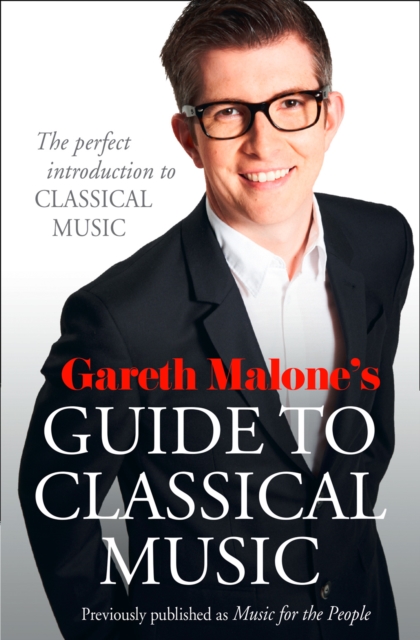
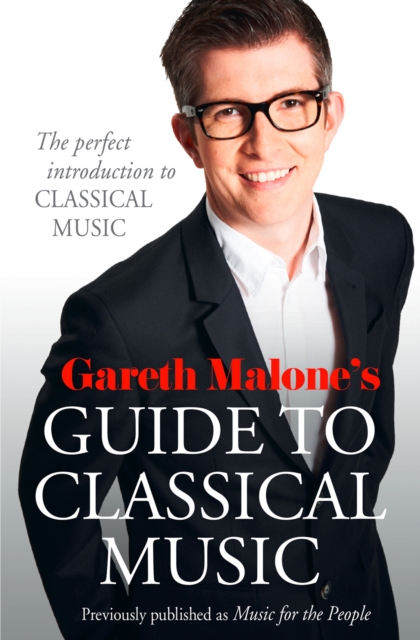
In this funny, evocative, personal eBook, previously published as 'Music for the People: The Pleasures and Pitfalls of Classical Music', Gareth Malone takes us on a journey of musical discovery that explains and entertains in equal measure.
'A fine, intellectually sparkling and always engaging little book - a welcome addition to any Wagner library'Hans Vaget, Opera QuarterlyWhilst no one would dispute Wagner's ranking among the most significant composers in the history of Western music, his works have been more fiercely attacked than those of any other composer.
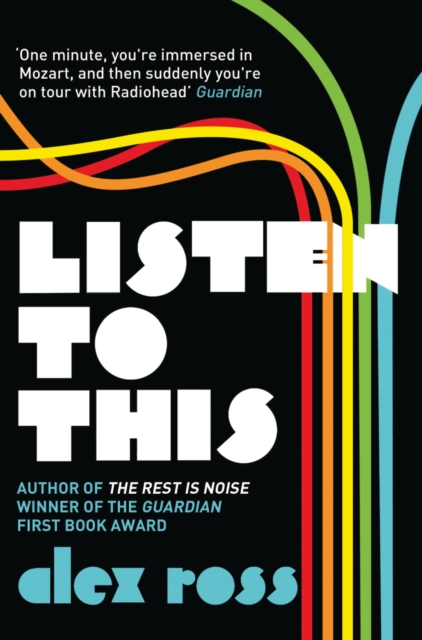
In Listen to This, the award-winning music critic and author of The Rest is Noise, Alex Ross looks forward and backward in musical culture: capturing essential figures in classical music history, as well as giving an alternative view of recent pop music.
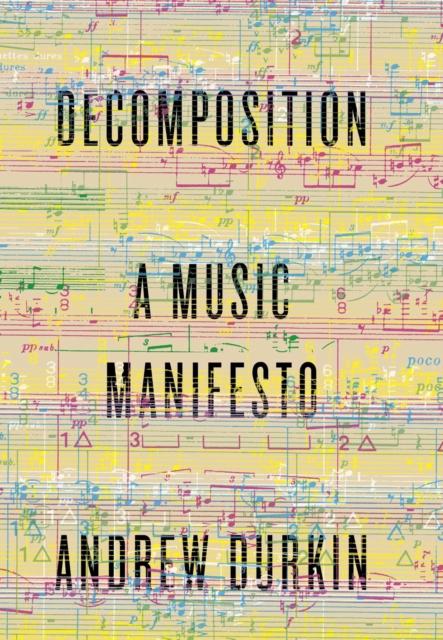
Decomposition is a bracing, revisionary, and provocative inquiry into music—from Beethoven to Duke Ellington, from Conlon Nancarrow to Evelyn Glennie—as a personal and cultural experience: how it is composed, how it is idiosyncratically perceived by critics and reviewers, and why we listen to it the way we do.
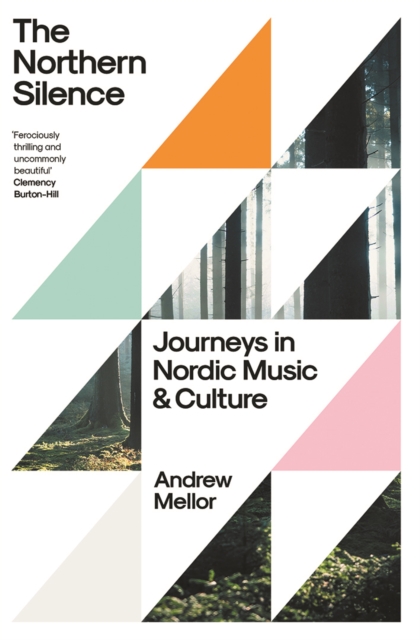
An essential exploration of Nordic composers and musicians, and the distinctive culture that continues to shape them Once considered a musical backwater, the Nordic region is now a musical powerhouse.
In this concise and engaging analysis of rock music, music theorist Ken Stephenson explores the features that make this internationally popular music distinct from earlier music styles.
An accessible scientific explanation for the traditional rules of voice leading, including an account of why listeners find some musical textures more pleasing than others.
An examination of how the scientific study of sound sensation became increasingly intertwined with musical aesthetics in nineteenth-century Germany and Austria.
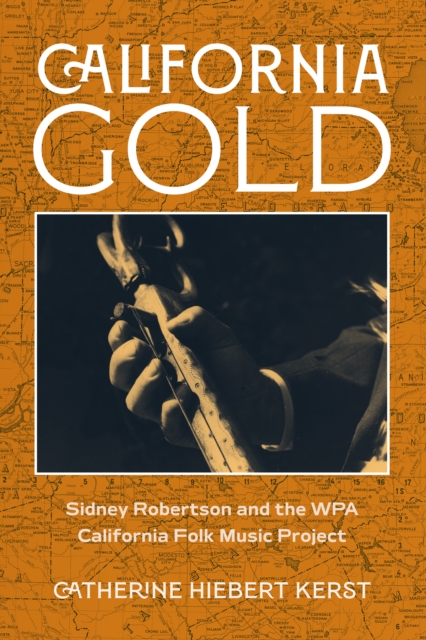
California Gold offers a compelling cultural snapshot of a diverse California during the 1930s at the height of the New Deal, drawing on the career of folk music collector Sidney Robertson and the musical culture of often-unheard voices.
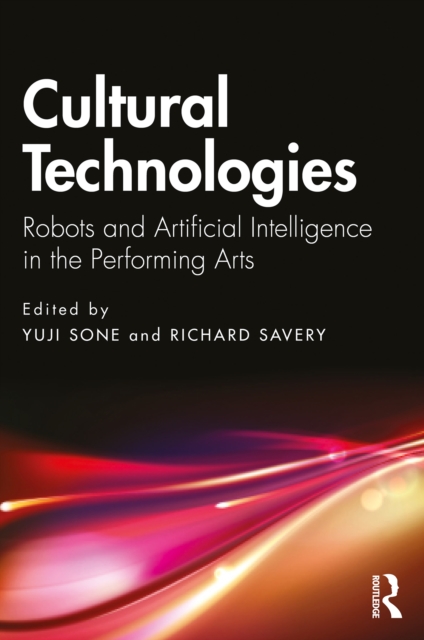
Cultural Technologies: Robots and Artificial Intelligence in the Performing Arts presents a diverse range of perspectives from leading scholars and artists on contemporary performing arts practices that engage with robotic and AI (artificial intelligence) technologies.
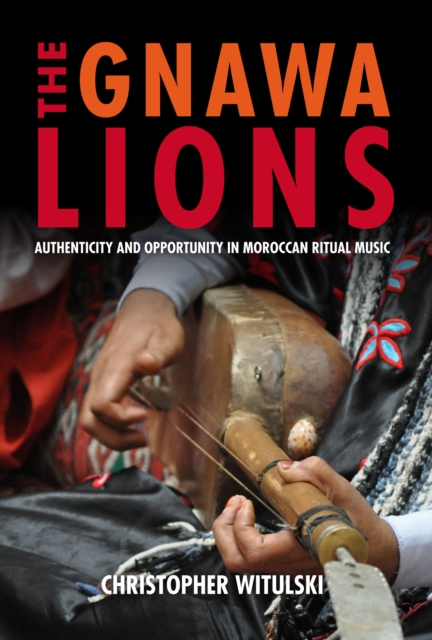
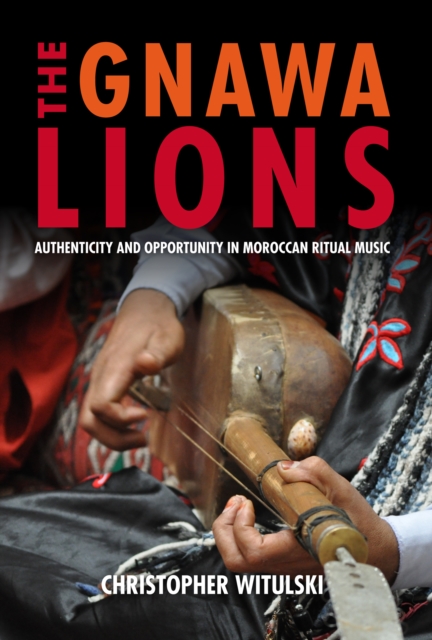
Traditionally gnawa musicians in Morocco played for all-night ceremonies where communities gathered to invite spirits to heal mental, physical, and social ills untreatable by other means.
Traditionally gnawa musicians in Morocco played for all-night ceremonies where communities gathered to invite spirits to heal mental, physical, and social ills untreatable by other means.
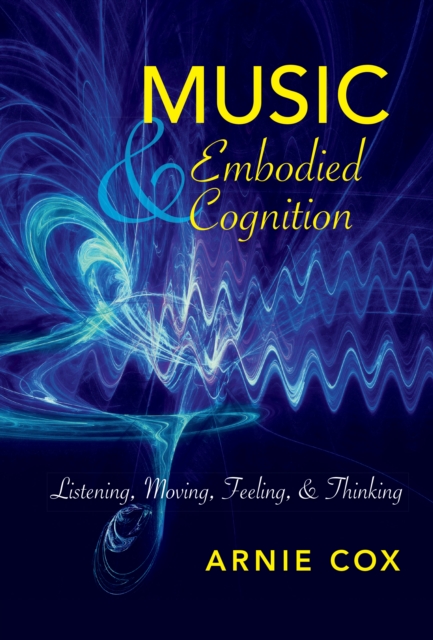
Taking a cognitive approach to musical meaning, Arnie Cox explores embodied experiences of hearing music as those that move us both consciously and unconsciously.
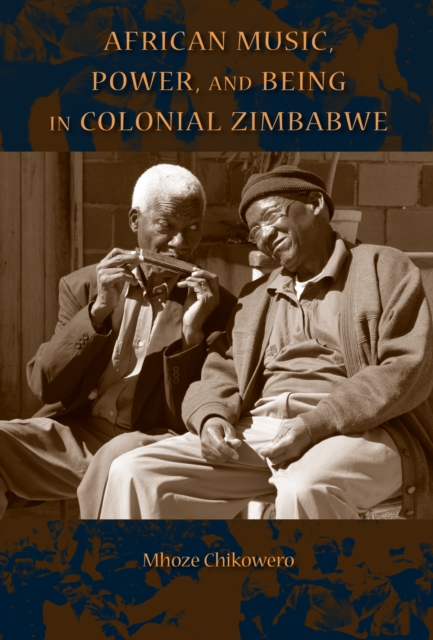
In this new history of music in Zimbabwe, Mhoze Chikowero deftly uses African sources to interrogate the copious colonial archive, reading it as a confessional voice along and against the grain to write a complex history of music, colonialism, and African self-liberation.
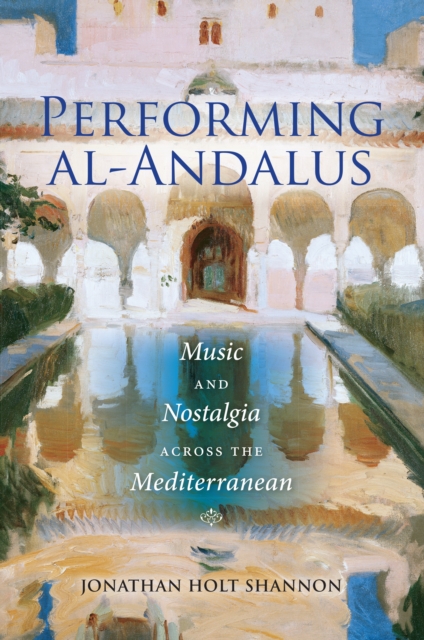
Performing al-Andalus explores three musical cultures that claim a connection to the music of medieval Iberia, the Islamic kingdom of al-Andalus, known for its complex mix of Arab, North African, Christian, and Jewish influences.
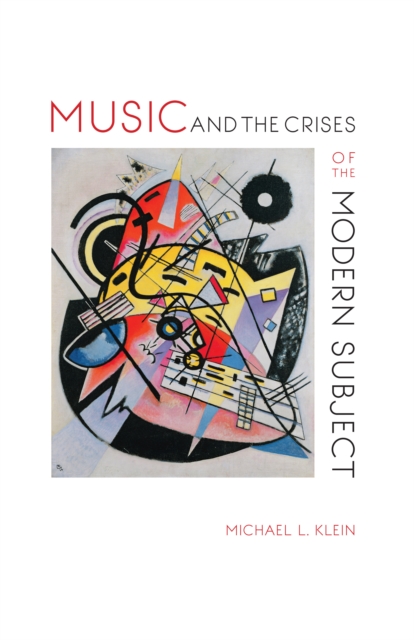
Departing from the traditional German school of music theorists, Michael Klein injects a unique French critical theory perspective into the framework of music and meaning.
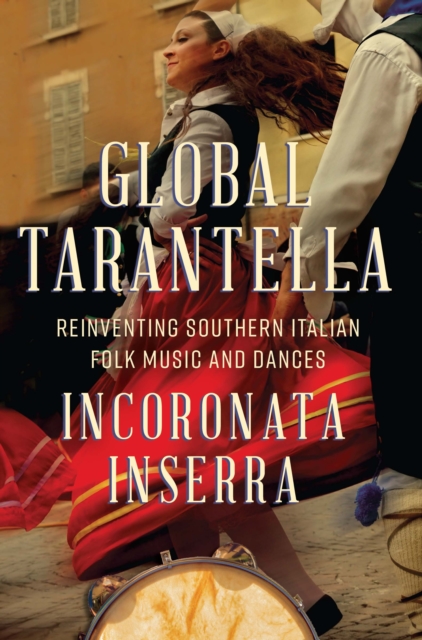
Tarantella, a genre of Southern Italian folk music and dance, is an international phenomenon--seen and heard in popular festivals, performed across the Italian diaspora, even adapted for New Age spiritual practices.
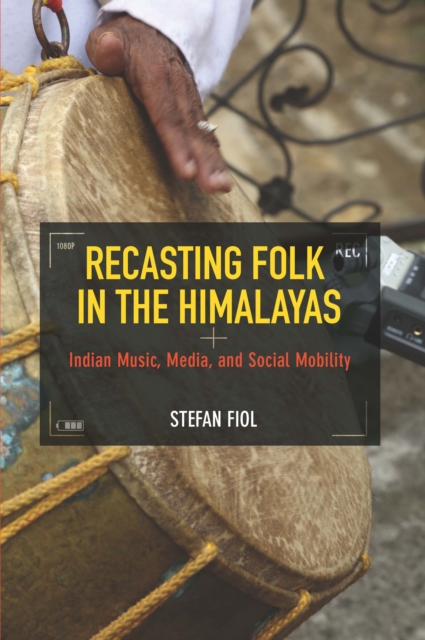
Colonialist, nationalist, and regionalist ideologies have profoundly influenced folk music and related musical practices among the Garhwali and Kumaoni of Uttarakhand.
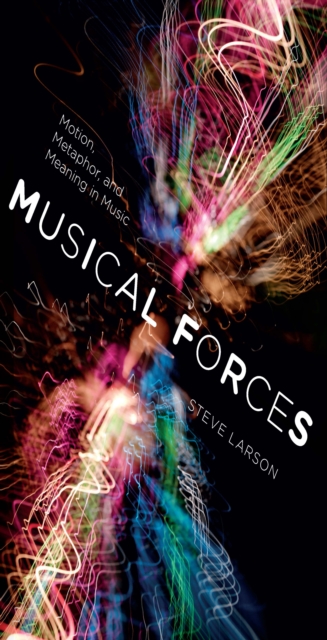
Steve Larson drew on his 20 years of research in music theory, cognitive linguistics, experimental psychology, and artificial intelligence-as well as his skill as a jazz pianist-to show how the experience of physical motion can shape one's musical experience.
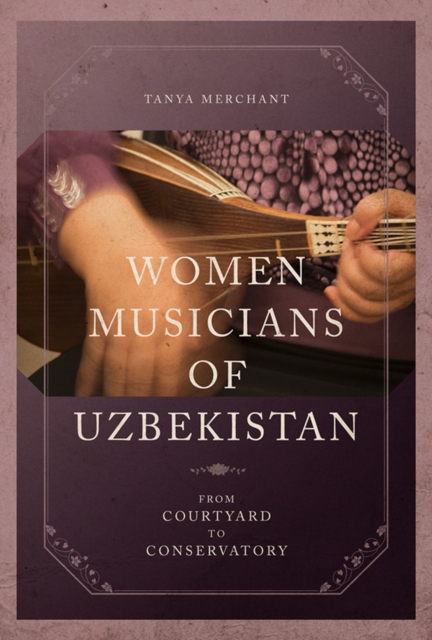
Fascinated by women's distinct influence on Uzbekistan's music, Tanya Merchant ventures into Tashkent's post-Soviet music scene to place women musicians within the nation's evolving artistic and political arenas.
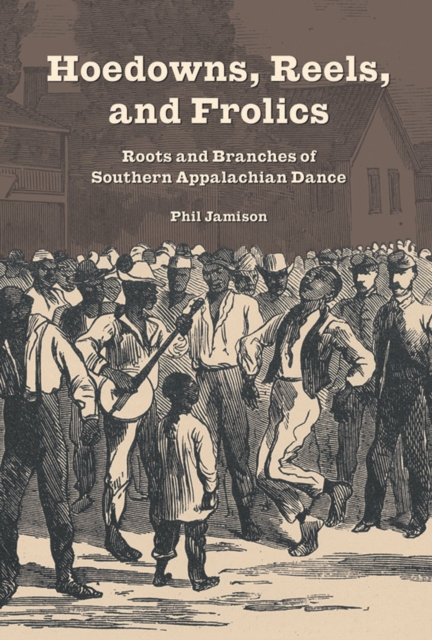
In Hoedowns, Reels, and Frolics, old-time musician and flatfoot dancer Philip Jamison journeys into the past and surveys the present to tell the story behind the square dances, step dances, reels, and other forms of dance practiced in southern Appalachia.
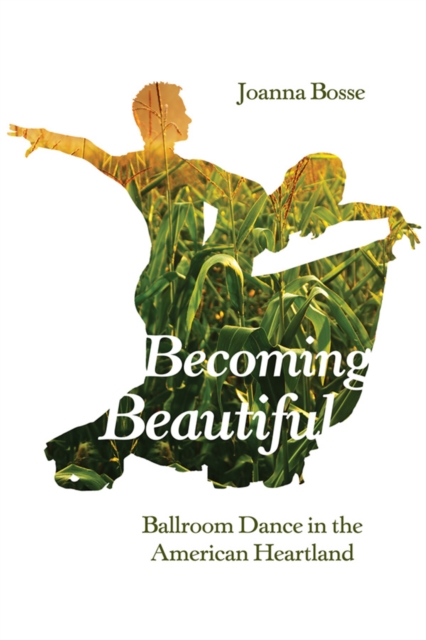
In Becoming Beautiful, Joanna Bosse explores the transformations undergone by the residents of a Midwestern town when they step out on the dance floor for the very first time.
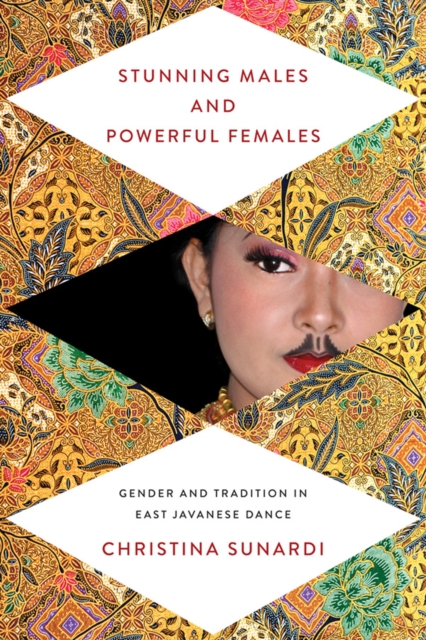
In east Javanese dance traditions like Beskalan and Ngremo, musicians and dancers negotiate gender through performances where males embody femininity and females embody masculinity.