Today's popular tassa drumming emerged from the fragments of transplanted Indian music traditions half-forgotten and creatively recombined, rearticulated, and elaborated into a dynamic musical genre.
One of the twentieth century's most important musical thinkers, James Tenney did pioneering work in multiple fields, including computer music, tuning theory, and algorithmic and computer-assisted composition.
Merging scholarly insight with a professional guitarist's sense of the musical life, Yankee Twang delves into the rich tradition of country & western music that is played and loved in the mill towns and cities of the American northeast.
Hawaiian Music in Motion explores the performance, reception, transmission, and adaptation of Hawaiian music on board ships and in the islands, revealing the ways both maritime commerce and imperial confrontation facilitated the circulation of popular music in the nineteenth century.
One of the pioneers of gender studies in music, Ellen Koskoff edited the foundational text Women and Music in Cross Cultural Perspective, and her career evolved in tandem with the emergence and development of the field.
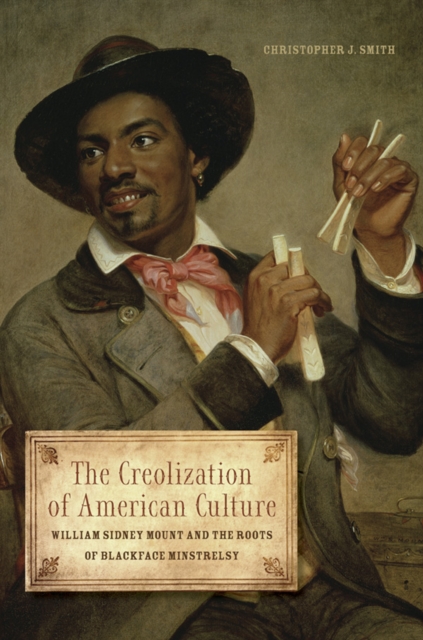
The Creolization of American Culture examines the artworks, letters, sketchbooks, music collection, and biography of the painter William Sidney Mount (1807-1868) as a lens through which to see the multiethnic antebellum world that gave birth to blackface minstrelsy.
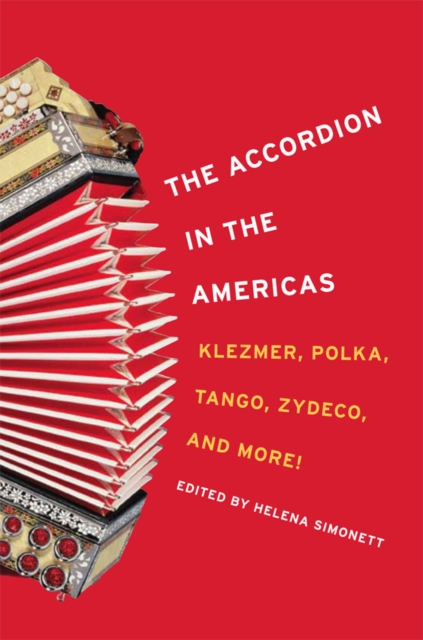
An invention of the Industrial Revolution, the accordion provided the less affluent with an inexpensive, loud, portable, and durable "e;one-man-orchestra"e; capable of producing melody, harmony, and bass all at once.
A virtuoso violinist, conductor, composer, and a professor of mathematics and botany, Francesco Galeazzi (1758-1819) firmly believed that musical education should be clear, demonstrable, and practical.
Although Sumatra is the sixth largest island in the world and home to an estimated 44 million Indonesians, its musical arts and cultures have not been the subject of a book-length study until now.
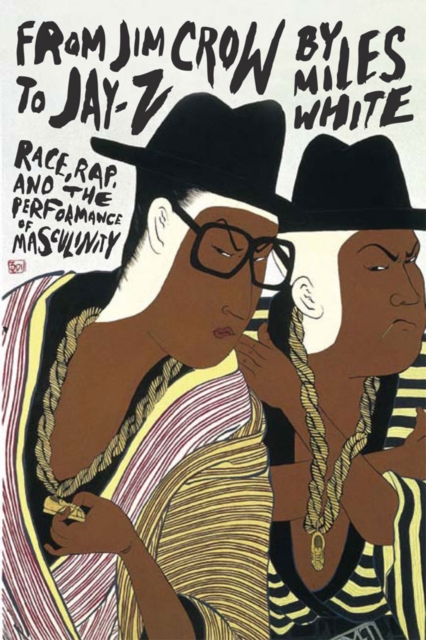
This multilayered study of the representation of black masculinity in musical and cultural performance takes aim at the reduction of African American male culture to stereotypes of deviance, misogyny, and excess.
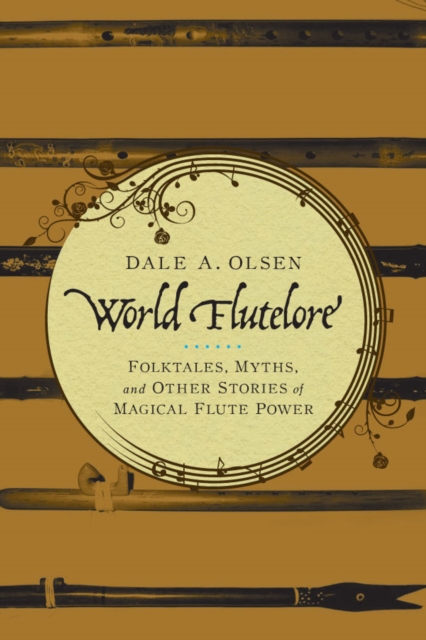
In many places around the world, flutes and the sounds of flutes are powerful magical forces for seduction and love, protection, vegetal and human fertility, birth and death, and other aspects of human and nonhuman behavior.
This volume charts a new frontier of applied ethnomusicology by highlighting the role of music in both inciting and resolving a spectrum of social and political conflicts in the contemporary world.
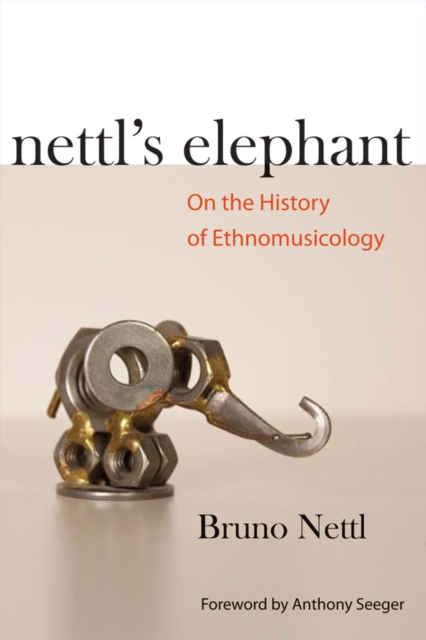
From one of the most lauded scholars in ethnomusicology comes this enlightening and highly personal narrative on the evolution and current state of the field of ethnomusicology.
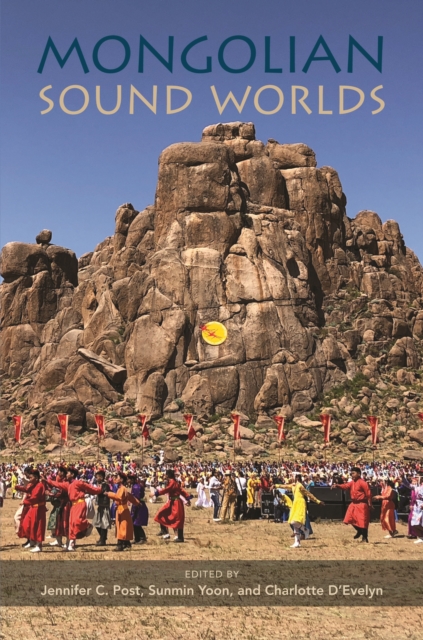
Music cultures today in rural and urban Mongolia and Inner Mongolia emerge from centuries-old pastoralist practices that were reshaped by political movements in the twentieth century.
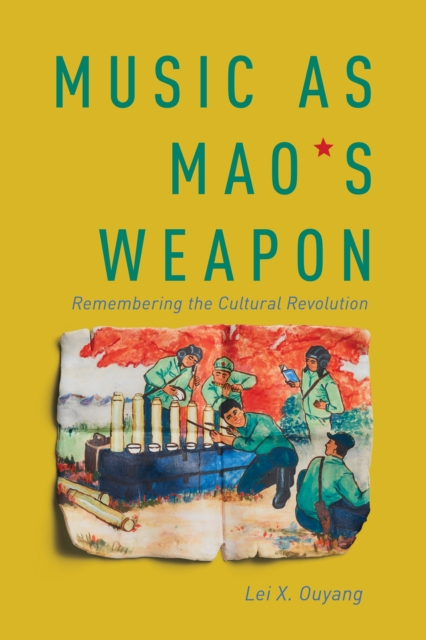
A Choice Outstanding Academic Title for 2022 China's Cultural Revolution (1966-1976) produced propaganda music that still stirs unease and, at times, evokes nostalgia.
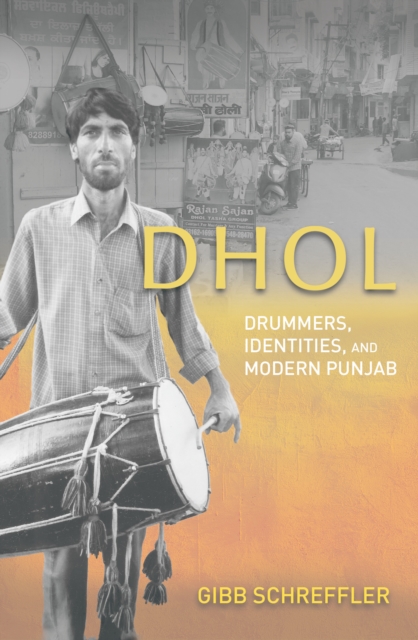
An icon of global Punjabi culture, the dhol drum inspires an unbridled love for the instrument far beyond its application to regional vernacular music.
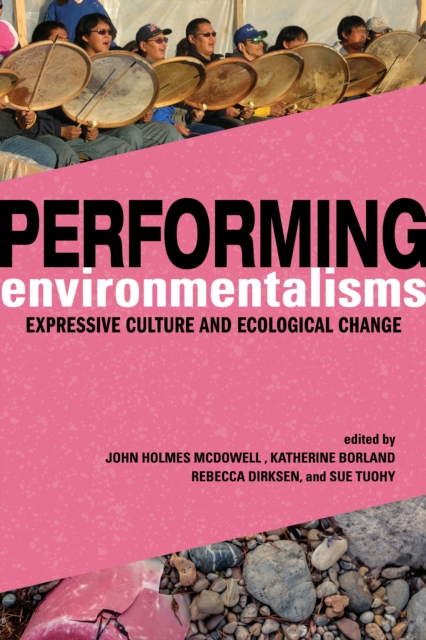
Performing Environmentalisms examines the existential challenge of the twenty-first century: improving the prospects for maintaining life on our planet.
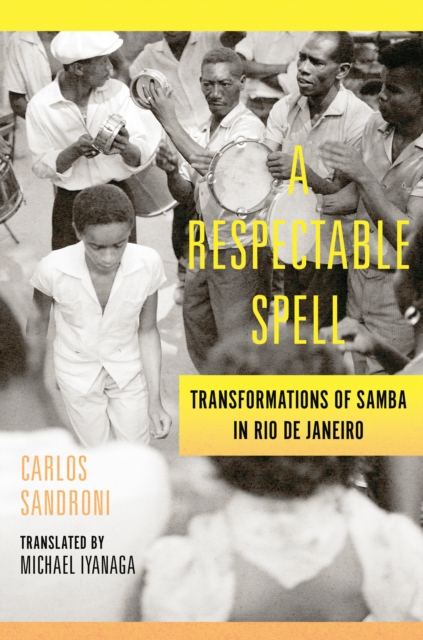
A landmark in Brazilian music scholarship, A Respectable Spell introduces English-speaking readers to the rich history of samba from its nineteenth century origins to its emergence as a distinctive genre in the 1930s.
A performance culture of illness and wellness In southern Uganda, ritual healing traditions called kusamira and nswezi rely on music to treat sickness and maintain well-being.
Pentecostals throughout Jamaica and the Jamaican diaspora use music to declare what they believe and where they stand in relation to religious and cultural outsiders.
This book presents selected international research on journalism and safety with a focus on digital threats against journalists and their professional practices.
Mohamad examines the day-to-day experience of virtual and non-tangible mobilities of young Bruneian Malay Muslim and Malaysians, as enabled by popular culture and digital media.
What can the lived experience of a white, transfemme, queer musician tell us about the intersections of place, queer identity, and embodiment in the late 20th and early 21st century United States?
The "e;sobbing"e; vocal quality in many traditional songs of northwestern California Indian tribes inspired the title of Richard Keeling's comprehensive study.
Grounded in a conviction that how we listen matters deeply in the context of ongoing social, political, and ecological crises, Situated Listening: Attending to the Unheard sets forth a collection of methodologies and creative proposals for listening, advancing the framework of situated listening as both a theoretical concept and a methodological practice that investigates relationships between the listening body and the politics of place, space, and culture.
How Disinformation Ruins Public Diplomacy evaluates and analyzes how Chinese and Russian public diplomacy strategies differ from the existing academic literature and debates, specifically in the context of the new disinformation era.
From the author of The Changing Mind and The Organized Mind comes a New York Times bestseller that unravels the mystery of our perennial love affair with music*****'What do the music of Bach, Depeche Mode and John Cage fundamentally have in common?
Dividing the sum total of human musical achievement, from Beethoven to The Beatles, Busta Rhymes to Bach, into just six fundamental forms, Levitin illuminates, through songs of friendship, joy, comfort, knowledge, religion and love, how music has been instrumental in the evolution of language, thought and culture.