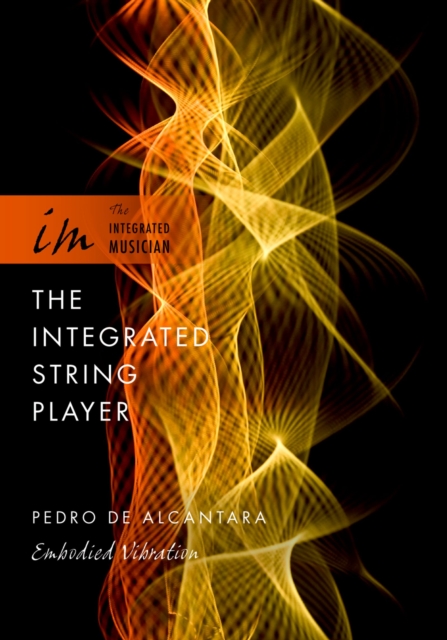
Pedro de Alcantara's The Integrated String Player: Embodied Vibration is a practical guide for all string players: violinists and violists, cellists and bassists, but also gamba players and anyone who makes music drawing a bow across a string.
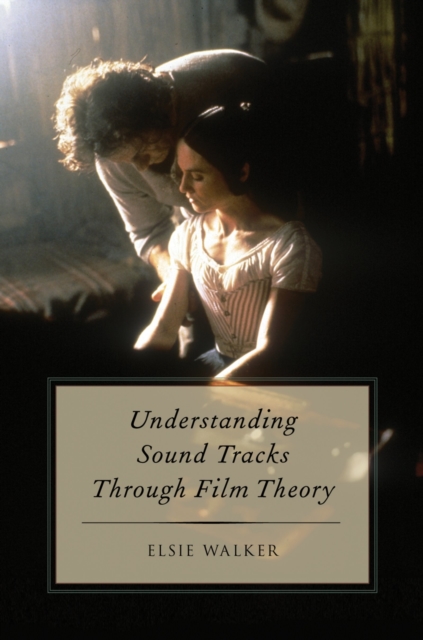
Understanding Sound Tracks Through Film Theory breaks new ground by redirecting the arguments of foundational texts within film theory to film sound tracks.
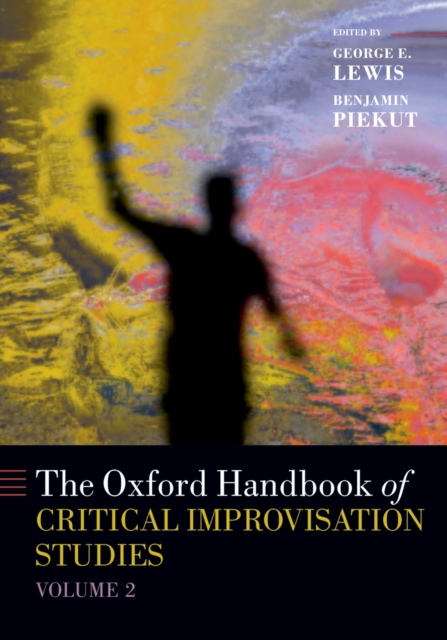
Improvisation informs a vast array of human activity, from creative practices in art, dance, music, and literature to everyday conversation and the relationships to natural and built environments that surround and sustain us.
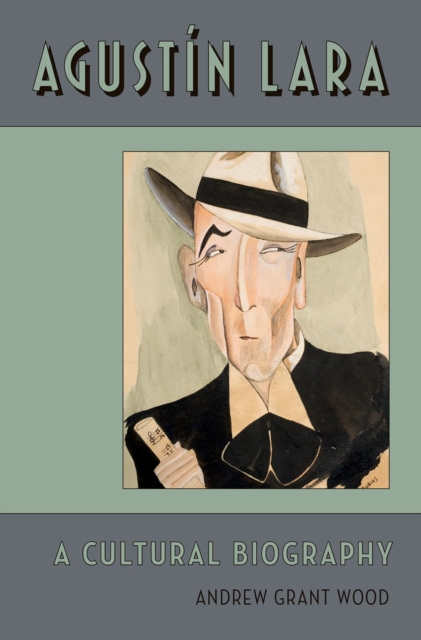
Few Mexican musicians in the twentieth century achieved as much notoriety or had such an international impact as the popular singer and songwriter Agustin Lara (1897-1970).
Music Learning Today: Digital Pedagogy for Creating, Performing, and Responding to Music presents an approach to conceptualizing and utilizing technology as a tool for music learning.
Distinguished music theorist and composer David Lewin (1933-2003) applies the conceptual framework he developed in his earlier, innovative Generalized Musical Intervals and Transformations to the varied repertoire of the twentieth century in this stimulating and illustrative book.
David Lewin's Generalized Musical Intervals and Transformations is recognized as the seminal work paving the way for current studies in mathematical and systematic approaches to music analysis.
Focusing on the music of the great song composers--Schubert, Schumann, Brahms, Wolf, and Strauss--Poetry Into Song offers a systematic introduction to the performance and analysis of Lieder .
This critical study locates musical monumentality, a central property of the nineteenth-century German repertoire, at the intersections of aesthetics and memory.
Dancefilm: Choreography and the Moving Image examines the choreographic in cinema - the way choreographic elements inform cinematic operations in dancefilm.
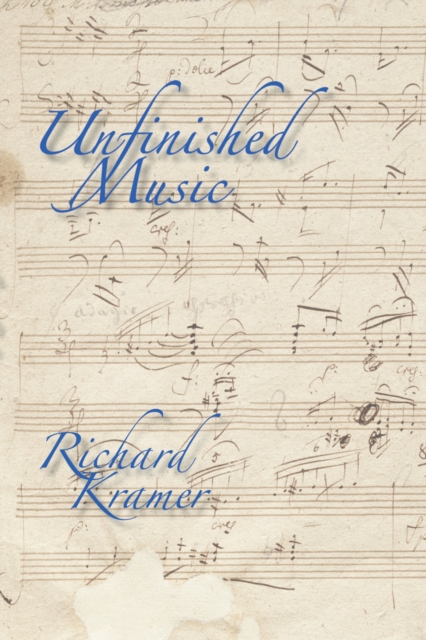
Unfinished Music draws its inspiration from the riddling aphorism by Walter Benjamin that serves as its epigraph: "e;the work is the death mask of its conception.
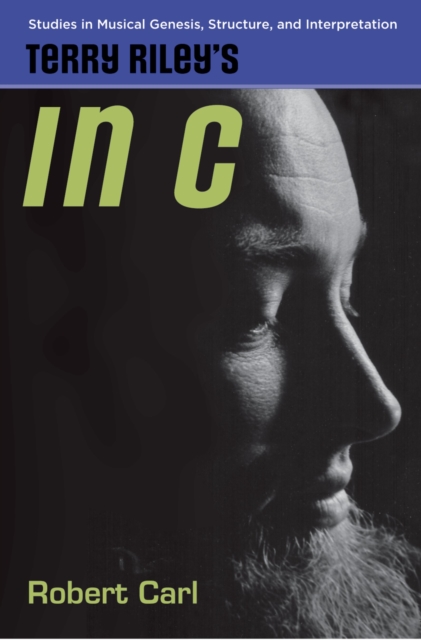
Setting the stage for a most intriguing journey into the world of minimalism, Robert Carl's Terry Riley's In C argues that the work holds its place in the canon because of the very challenges it presents to "e;classical"e; music.
This book traces the emergence of the orchestra from 16th-century string bands to the "e;classical"e; orchestra of Haydn, Mozart, Beethoven, and their contemporaries.
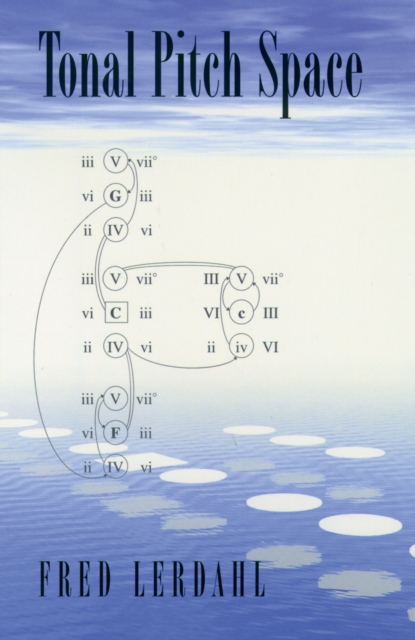
Building on the foundation of Lerdahl and Jackendoff's influential A Generative Theory of Tonal Music, this volume presents a multidimensional model of diatonic and chromatic spaces that quantifies listeners' intuitions of the relative distances of pitches, chords, and keys from a given tonic.
In the last decade of the twentieth century and on into the twenty-first, Israelis and Palestinians saw the signing of the Oslo Peace Accords, the establishment of the Palestinian Authority, the assassination of Israeli Prime Minister Yitzhak Rabin, and the escalation of suicide bombings and retaliations in the region.
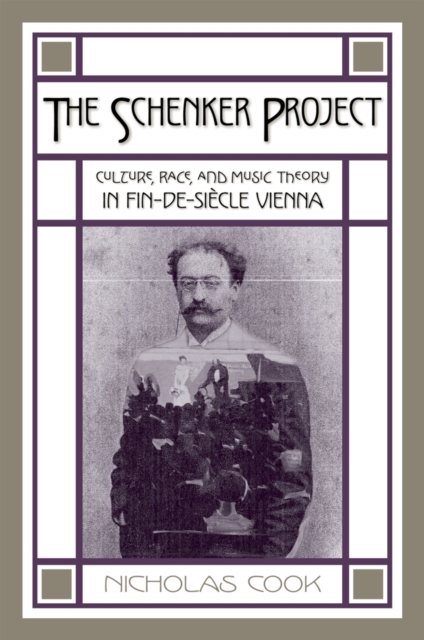
Today we think of Heinrich Schenker, who lived in Vienna from 1884 until his death in 1935, as the most influential music theorist of the twentieth century.
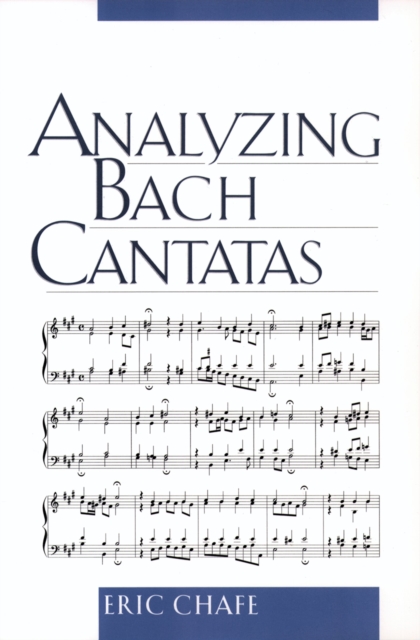
Bach's cantatas are among the highest achievements of Western musical art, yet studies of the individual cantatas that are both illuminating and detailed are few.
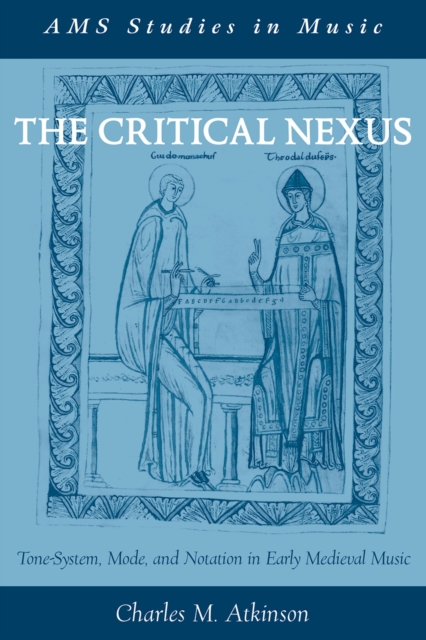
The Critical Nexus confronts an important and vexing enigma of early writings on music: why chant, which was understood to be divinely inspired, needed to be altered in order to work within the then-operative modal system.
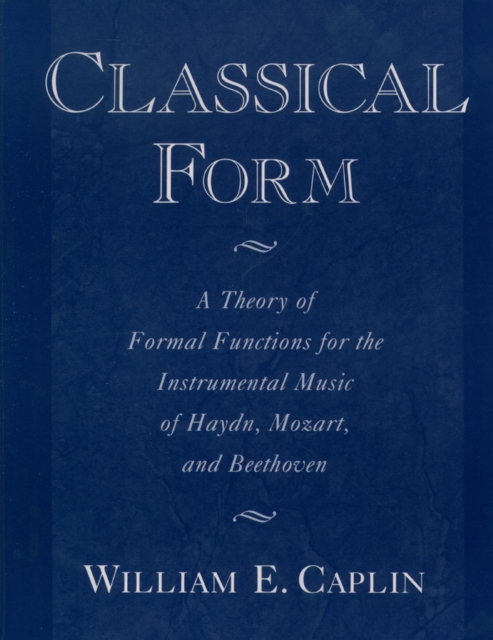
Building on ideas first advanced by Arnold Schoenberg and later developed by Erwin Ratz, this book introduces a new theory of form for instrumental music in the classical style.
This book shows how recent work in cognitive science, especially that developed by cognitive linguists and cognitive psychologists, can be used to explain how we understand music.
Germany in the Loud Twentieth Century seeks to understand recent German history and contemporary German culture through its sounds and musics, noises and silences, using the means and modes of the emerging field of Sound Studies.
Recognized as the patriarch of the minimalist movement-Brian Eno once called him "e;the daddy of us all"e;--La Monte Young remains an enigma within the music world, one of the most important and yet most elusive composers of the late twentieth century.
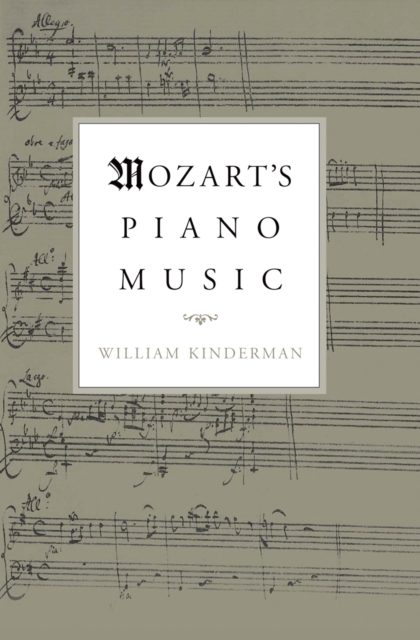
Mozart's emergence as a mature artist coincides with the rise to prominence of the piano, an instrument that came alive under his fingers and served as medium for many of his finest compositions.
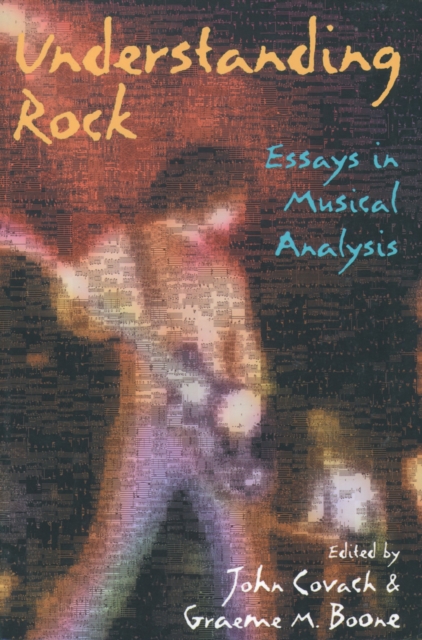
Amid the recent increase in scholarly attention to rock music, Understanding Rock stands out as one of the first books that subjects diverse aspects of the music itself to close and sophisticated analytical scrutiny.
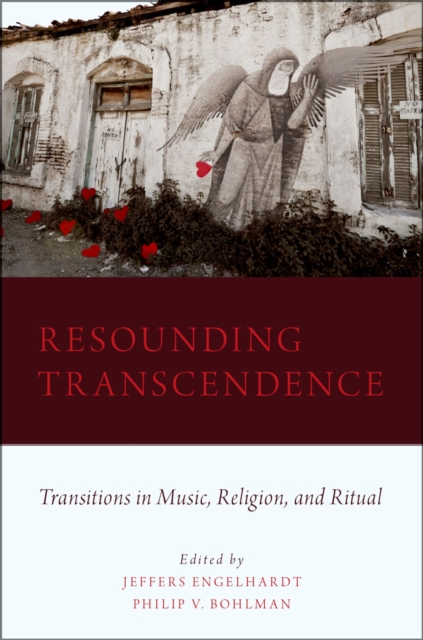
Resounding Transcendence is a pathbreaking set of ethnographic and historical essays by leading scholars exploring the ways sacred music effects cultural, political, and religious transitions in the contemporary world.
The Oxford Handbook of Children's Musical Cultures is a compendium of perspectives on children and their musical engagements as singers, dancers, players, and avid listeners.
This collection presents intriguing explanations of extraordinary musical creations from across the world, concentrating on how the music works as sound in process.
The Oxford Handbook of Music and World Christianities investigates music's role in everyday practice and social history across the diversity of Christian religions and practices around the globe.
Playing Beyond the Notes: A Pianist's Guide to Musical Interpretation demystifies the complex concepts of musical interpretation in Western tonal piano music by boiling it down to basic principles in an accessible writing style.