This critical examination of two dystopian television series--Black Mirror and Electric Dreams--focuses on pop culture depictions of technology and its impact on human existence.
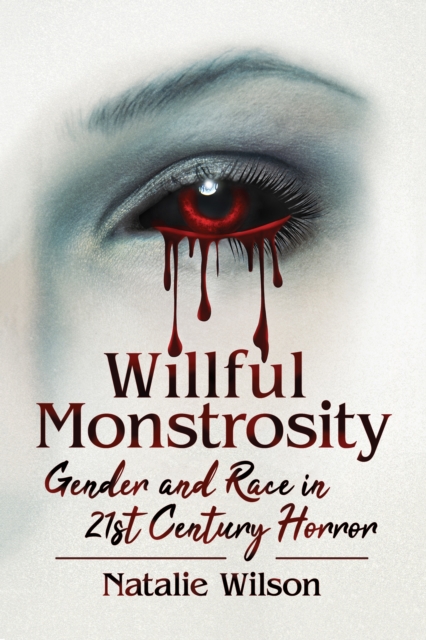
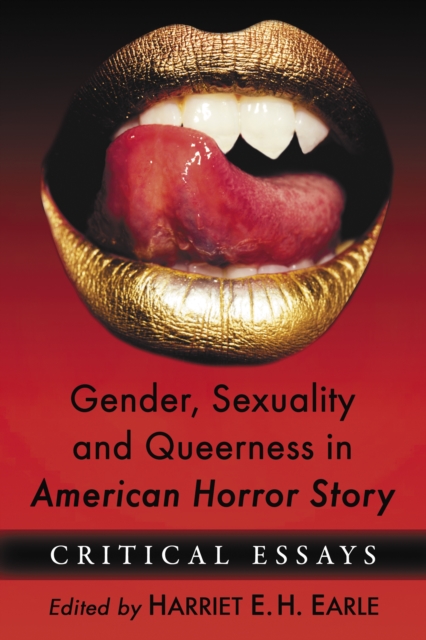
Taking in a wide range of film, television, and literature, this volume explores 21st century horror and its monsters from an intersectional perspective with a marked emphasis on gender and race.
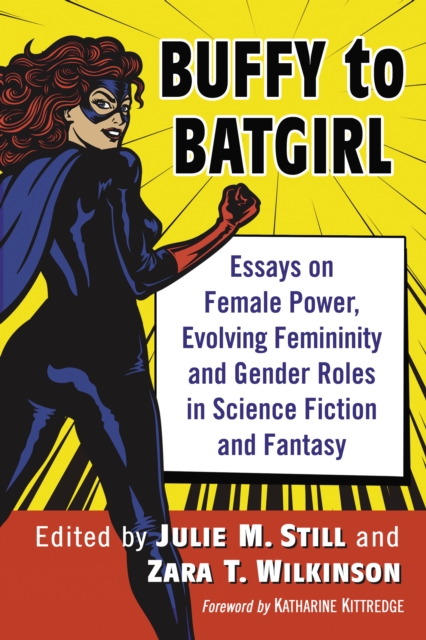
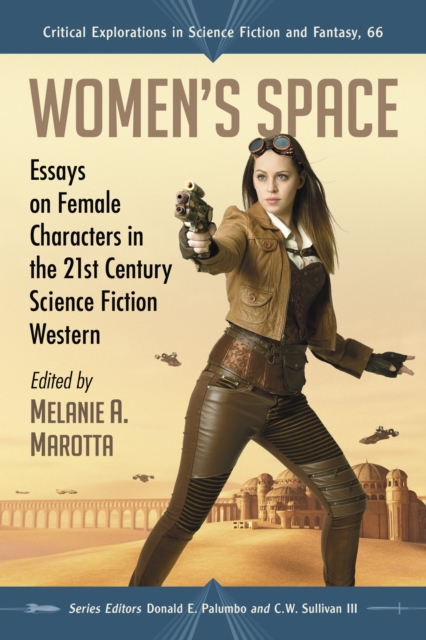
Science fiction and fantasy are often thought of as stereotypically male genres, yet both have a long and celebrated history of female creators, characters, and fans.
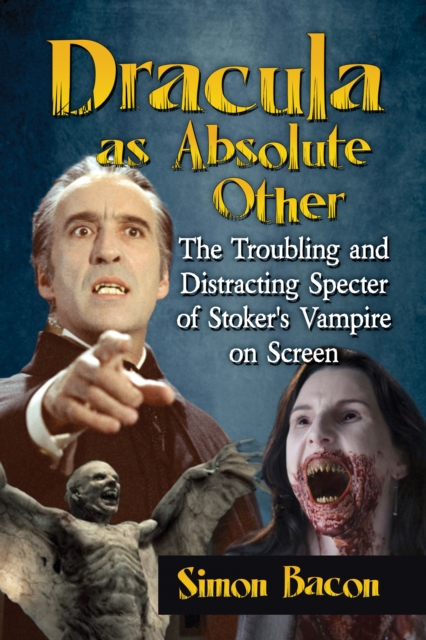
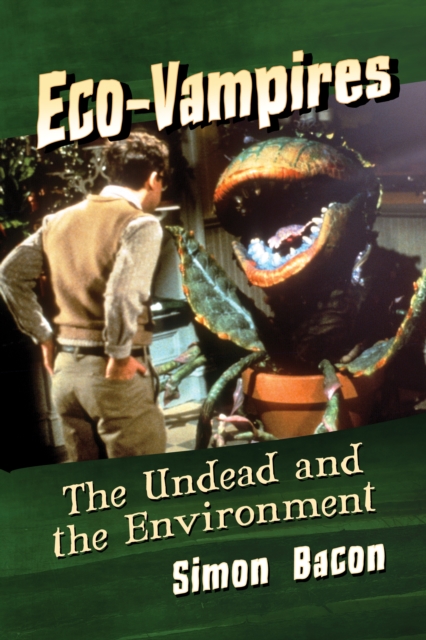
Dark, dangerous and transgressive, Bram Stoker's Dracula is often read as Victorian society's absolute Other--an outsider who troubles and distracts those around him, one who represents the fears and anxieties of the age.
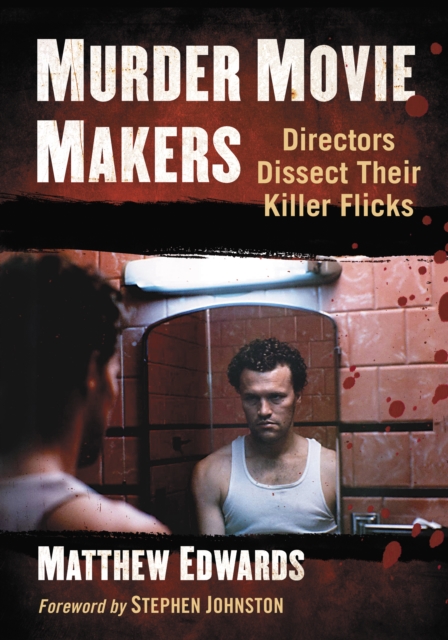
Serial killers, mass murderers, spree killers, outlaws, and real-life homicidal maniacs have long held a grim fascination for both filmmakers and viewers.
Netflix's The Haunting of Hill House has received both critical acclaim and heaps of contempt for its reimagining of Shirley Jackson's seminal horror novel.
From their first pairing in Hamlet (1948) to House of the Long Shadows (1983), British film stars Christopher Lee and Peter Cushing forged perhaps the most successful collaboration in horror film history.
The story of Star Trek's resurrection between the 1969 cancellation of the original series and the 1979 release of Robert Wise's Star Trek--The Motion Picture, has become legend and like so many other legends, it tends to get printed instead of the facts.
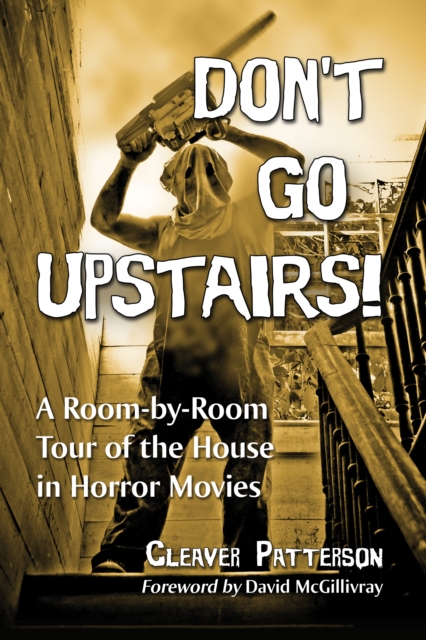
Throughout cinematic history, the buildings characters inhabit--whether stately rural mansions or inner-city apartment blocks--have taken on extra dimensions, often featuring as well developed characters themselves.
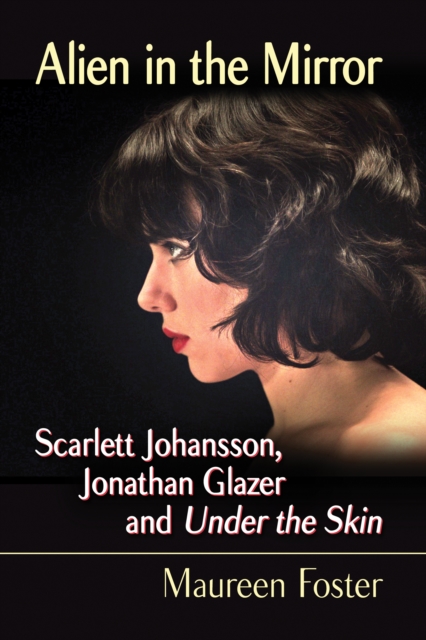
Directed by Jonathan Glazer (Sexy Beast, Birth) and starring Scarlett Johansson, the 2013 film Under the Skin contains elements of science fiction and fantasy, horror, mystery, and thriller.
One of the top-grossing independent films of all time, The Evil Dead (1981) sparked a worldwide cult following, resulting in sequels, remakes, musicals, comic books, conventions, video games and a television series.
From the beginning, both Robert Kirkman's comics and AMC's series of The Walking Dead have brought controversy in their presentations of race, gender and sexuality.
Vampire narratives are generally thought of as adult or young adult fare, yet there is a long history of their appearance in books, film and other media meant for children.
In sharp contrast to many 1960s science fiction films, with idealized views of space exploration, Ridley Scott's Alien (1979) terrified audiences, depicting a harrowing and doomed deep-space mission.
The Marvel Cinematic Universe--comprised of films, broadcast television and streaming series and digital shorts--has generated considerable fan engagement with its emphasis on socially relevant characters and plots.
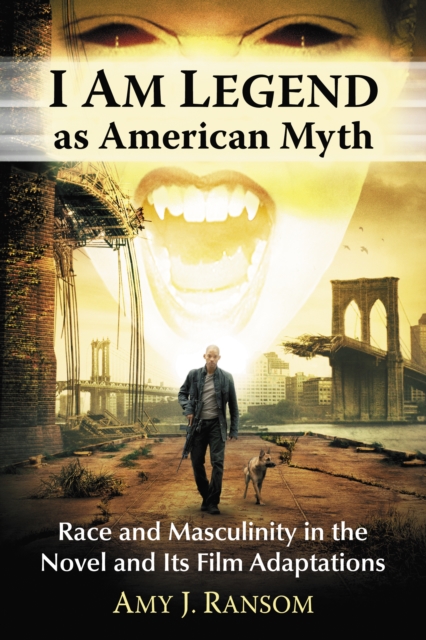
Richard Matheson's 1954 novel I Am Legend has spawned a series of iconic horror and science fiction films, including The Last Man on Earth (1964), The Omega Man (1971) and I Am Legend (2007).
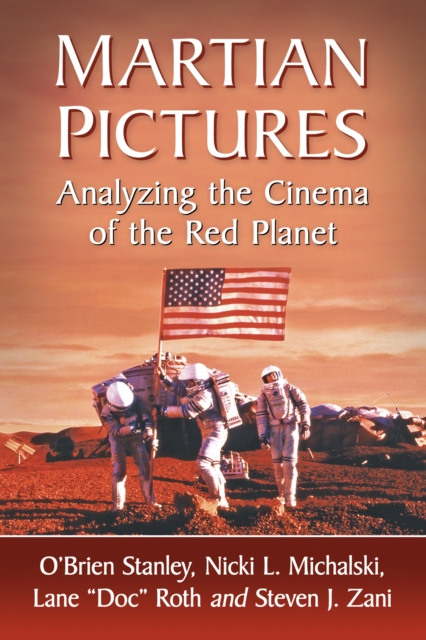
Mars has long served as a blank canvas for illustrating society's aspirations and anxieties--a science fiction setting for exploring our "e;future history.
Set in the American Southwest, "e;desert terror"e; films combine elements from horror, film noir and road movies to tell stories of isolation and violence.
The first of its kind, this study examines the exemplars of hardcore horror--Fred Vogel's August Underground trilogy, Shane Ryan's Amateur Porn Star Killer series and Lucifer Valentine's "e;vomit gore"e; films.
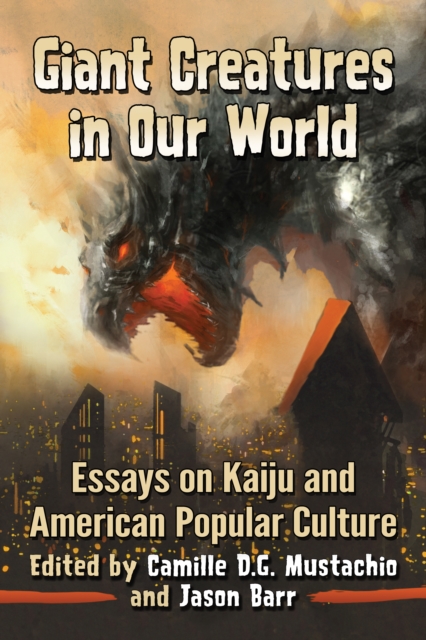
Dismissed as camp by critics but revered by fans, the kaiju or "e;strange creature"e; film has become an iconic element of both Japanese and American pop culture.
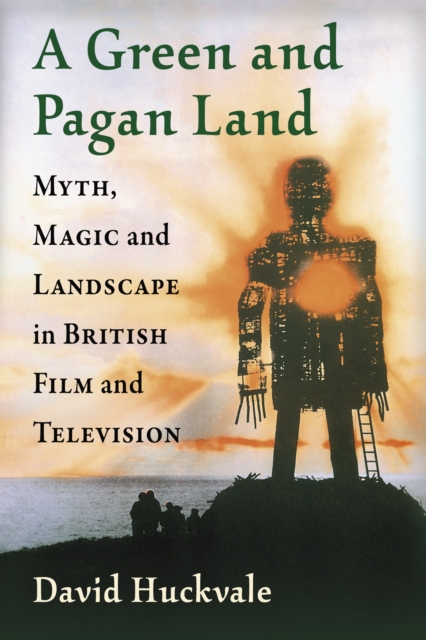
British literature often refers to pagan and classical themes through richly detailed landscapes that suggest more than a mere backdrop of physical features.