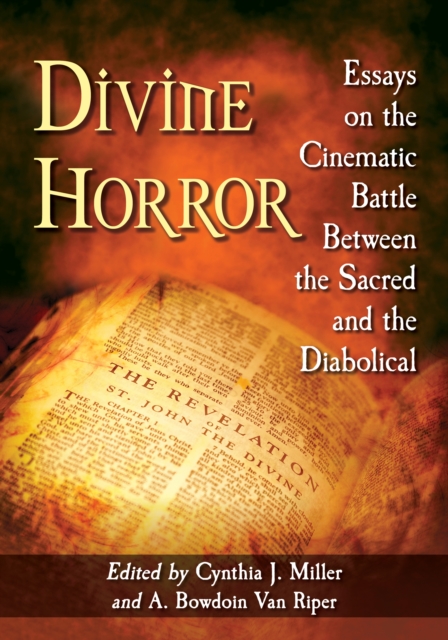
From Rosemary's Baby (1968) to The Witch (2015), horror films use religious entities to both inspire and combat fear and to call into question or affirm the moral order.
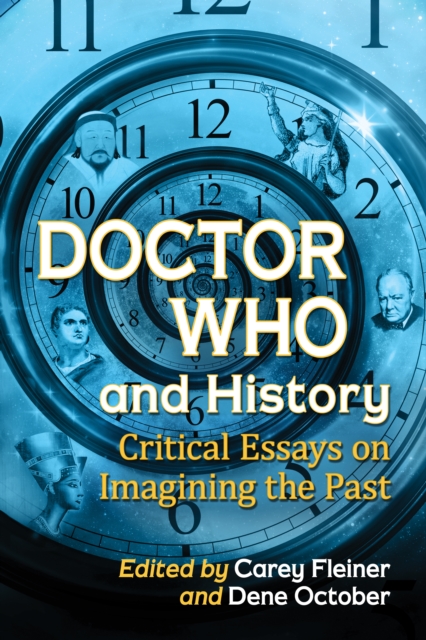
When Sydney Newman conceived the idea for Doctor Who in 1963, he envisioned a show in which the Doctor and his companions would visit and observe, but not interfere with, events in history.
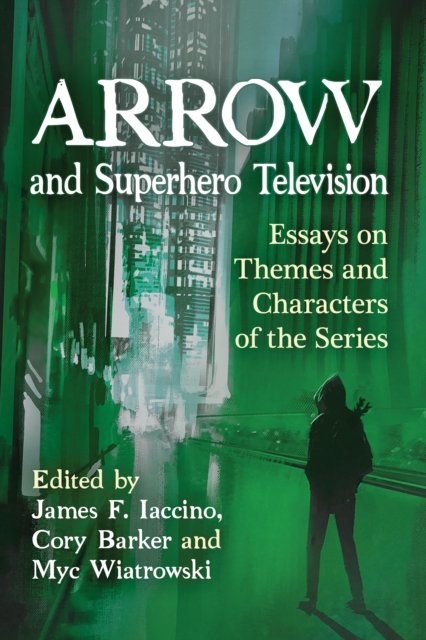
This collection of new essays focuses on The CW network's hit television series Arrow--based on DC Comic's Green Arrow--and its spin-offs The Flash, DC's Legends of Tomorrow and Supergirl.
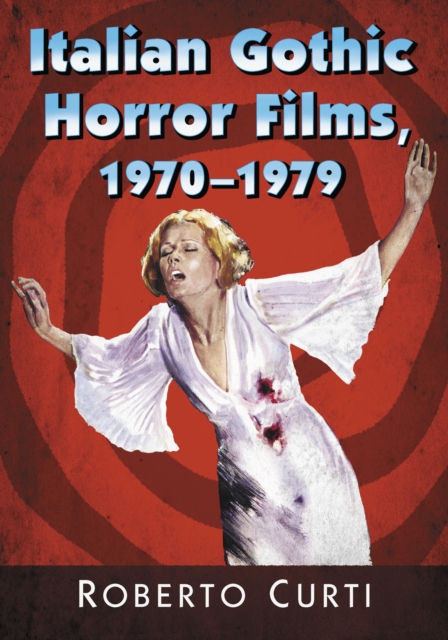
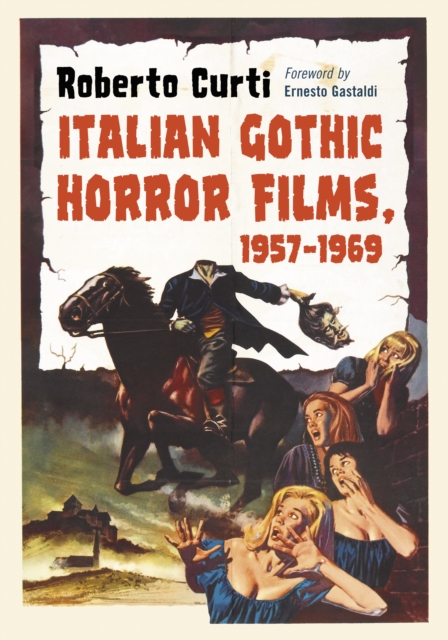
Italian Gothic horror films of the 1970s were influenced by the violent giallo movies and adults-only comics of the era, resulting in a graphic approach to the genre.
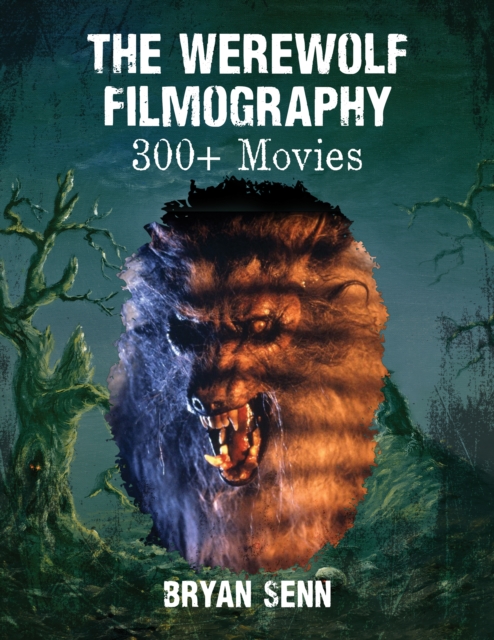
From the horrific to the heroic, cinematic werewolves are metaphors for our savage nature, symbolizing the secret, bestial side of humanity that hides beneath our civilized veneer.
The "e;Gothic"e; style was a key trend in Italian cinema of the 1950s and 1960s because of its peculiar, often strikingly original approach to the horror genre.
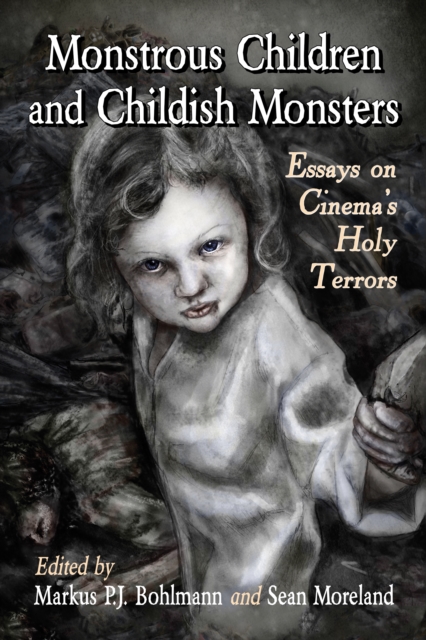
Perhaps because of the wisdom received from our Romantic forbears about the purity of the child, depictions of children as monsters have held a tremendous fascination for film audiences for decades.
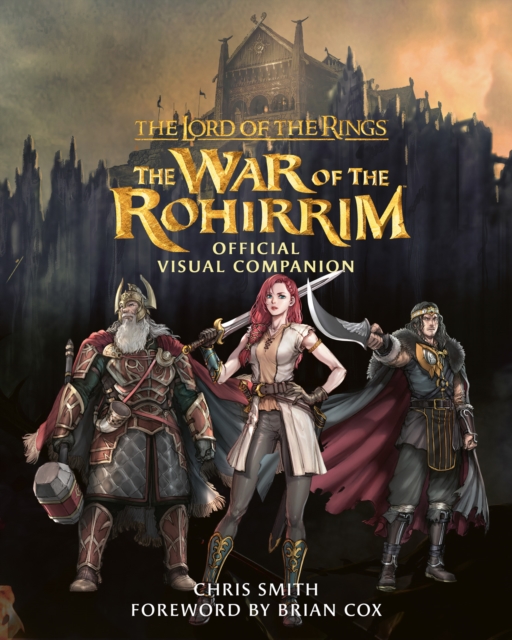
Lavishly illustrated with breathtaking art and imagery from the highly anticipated new movie, the exclusive Visual Companion is the ultimate introduction to every character, creature and location you will encounter in this epic adventure from the official Lord of the Rings saga.
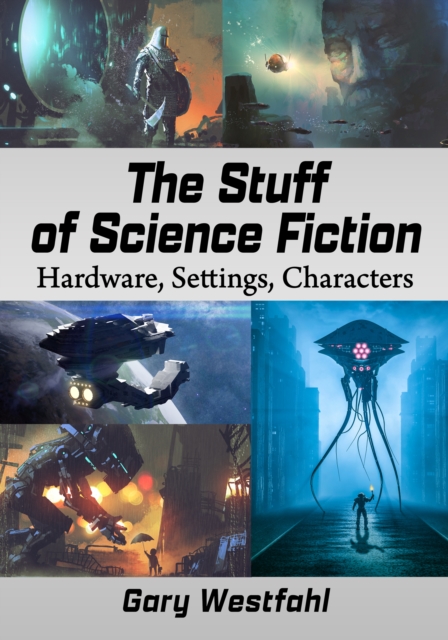
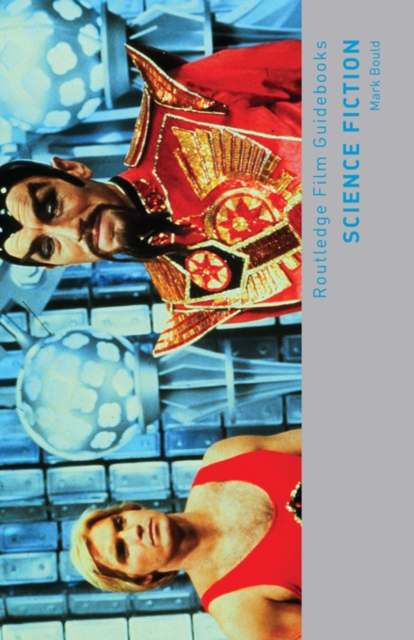
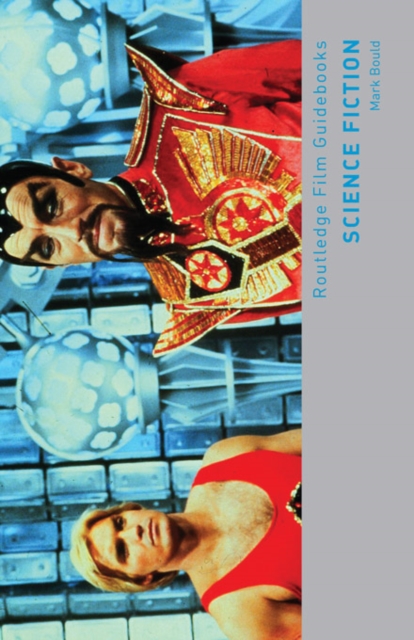
While students and general readers typically cannot relate to esoteric definitions of science fiction, they readily understand the genre as a literature that characteristically deals with subjects such as new inventions, space, robot and aliens.
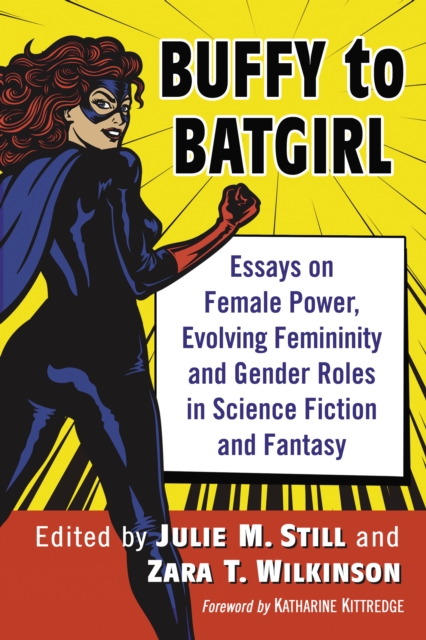
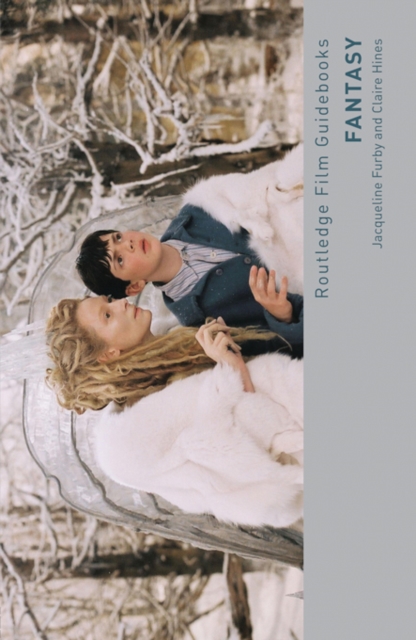
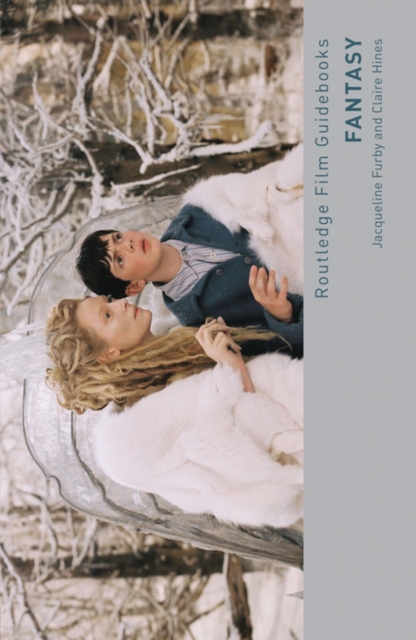
Science fiction and fantasy are often thought of as stereotypically male genres, yet both have a long and celebrated history of female creators, characters, and fans.
Vampires and the Making of the United States in the Twenty-First Century offers a unique and multifaceted study of how vampires on screen have shaped America and how specific environments here have shaped their vampires.
Characterized as it is by its interest in and engagement with the supernatural, psycho-social formations, the gothic, and issues of identity and subjectivity, horror has long functioned as an allegorical device for interrogations into the seamier side of cultural foundations.
Characterized as it is by its interest in and engagement with the supernatural, psycho-social formations, the gothic, and issues of identity and subjectivity, horror has long functioned as an allegorical device for interrogations into the seamier side of cultural foundations.
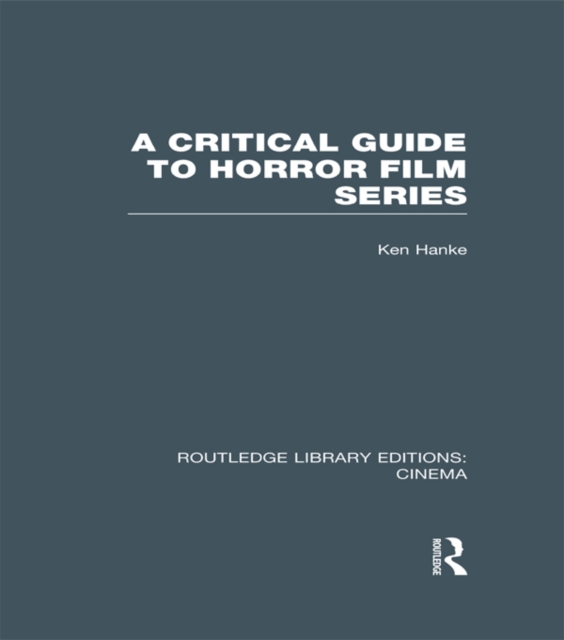
In this book the author takes a fresh look at horror film series as series and presents an understanding of how the genre thrived in this format for a large portion of its history.
In this book the author takes a fresh look at horror film series as series and presents an understanding of how the genre thrived in this format for a large portion of its history.
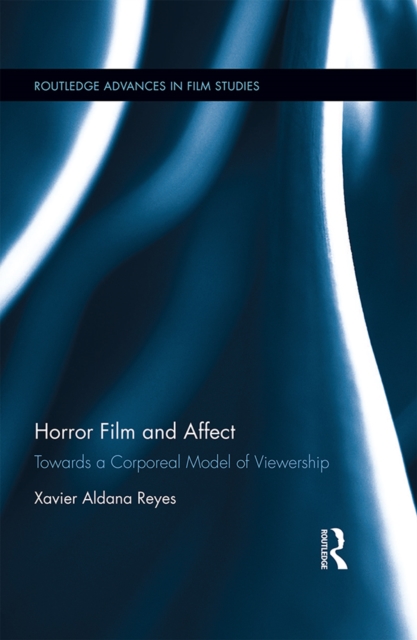
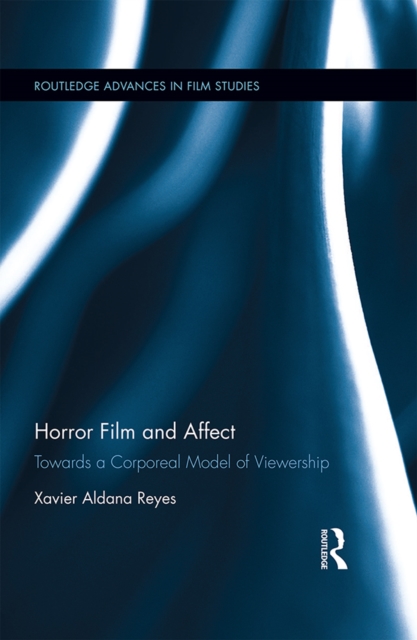
This book brings together various theoretical approaches to Horror that have received consistent academic attention since the 1990s - abjection, disgust, cognition, phenomenology, pain studies - to make a significant contribution to the study of fictional moving images of mutilation and the ways in which human bodies are affected by those on the screen on three levels: representationally, emotionally and somatically.
This book brings together various theoretical approaches to Horror that have received consistent academic attention since the 1990s - abjection, disgust, cognition, phenomenology, pain studies - to make a significant contribution to the study of fictional moving images of mutilation and the ways in which human bodies are affected by those on the screen on three levels: representationally, emotionally and somatically.
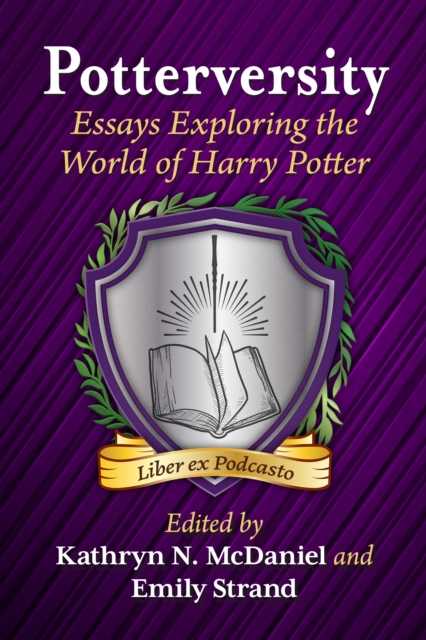
Potterversity: Essays Exploring the World of Harry Potter presents a written companion to the popular, "e;Hermione-Approved"e; MuggleNet podcast by the same name.
This book offers the first specific application in film studies of what is generally known as ecology theory, shifting attention from history to the (in this case media) environment.
This book offers the first specific application in film studies of what is generally known as ecology theory, shifting attention from history to the (in this case media) environment.
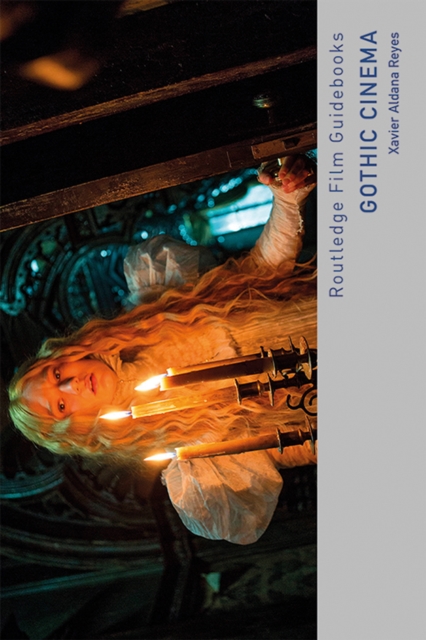
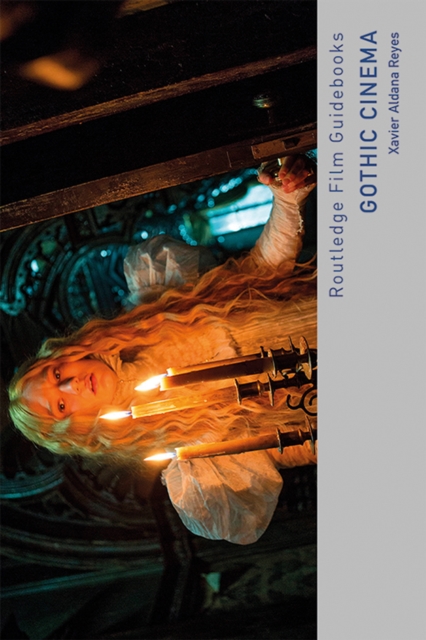
Arguing for the need to understand Gothic cinema as an aesthetic mode, this book explores its long history, from its transitional origins in phantasmagoria shows and the first 'trick' films to its postmodern fragmentation in the Gothic pastiches of Tim Burton.
Arguing for the need to understand Gothic cinema as an aesthetic mode, this book explores its long history, from its transitional origins in phantasmagoria shows and the first 'trick' films to its postmodern fragmentation in the Gothic pastiches of Tim Burton.
While film and television seem to be closely allied screen media, our feature films and television series have seldom been successfully adapted across those screens.
While film and television seem to be closely allied screen media, our feature films and television series have seldom been successfully adapted across those screens.