The Marvel Cinematic Universe--comprised of films, broadcast television and streaming series and digital shorts--has generated considerable fan engagement with its emphasis on socially relevant characters and plots.
In 1968, George Romero's film Night of the Living Dead premiered, launching a growing preoccupation with zombies within mass and literary fiction, film, television, and video games.
Unlike most makers of modern or futuristic films, George Lucas turned away from the standard special operatives or secret agents when he created the heroes for his epic Star Wars saga.
Serial killers, mass murderers, spree killers, outlaws, and real-life homicidal maniacs have long held a grim fascination for both filmmakers and viewers.
Joss Whedon's works, across all media including television, film, musicals, and comic books, are known for their commitment to gender and sexual equality.
More than sixty years after the The Twilight Zone debuted on television, the show remains a cultural phenomenon, including a feature film, three television reboots, a comic book series, a magazine and a theatrical production.
Since the release in 1929 of a popular book series with bright yellow covers, the Italian word giallo (yellow) has come to define a whole spectrum of mystery and detective fiction and films.
A brief guide to the real science of interstellar travelWith known exoplanets now numbering in the thousands and initiatives like 100 Year Starship and Breakthrough Starshot advancing the idea of interstellar travel, the age-old dream of venturing forth into the cosmos and perhaps even colonizing distant worlds may one day become a reality.
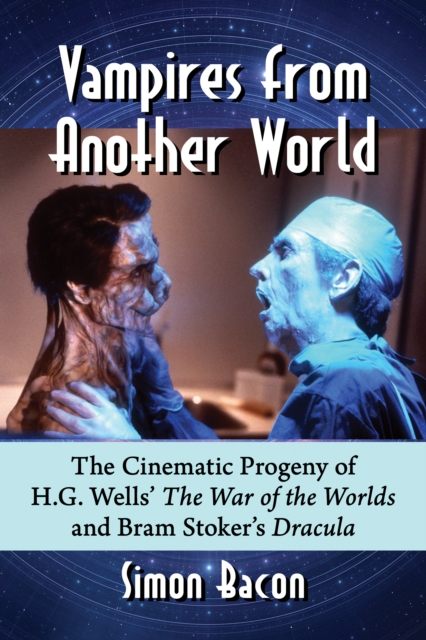
This book begins at the intersection of Dracula and War of the Worlds, both published in 1897 London, and describes the settings of Transylvania, Mars, and London as worlds linked by the body of the vampire.
La exploración del espacio, la colonización del sistema solar, el viaje a estrellas lejanas y el gran tema de la existencia de vida en otros planetas a través del cine, los cómics, la literatura o las series de televisión.
Flora, la diosa romana de las flores y la primavera, nos guía en este recorrido por todos los continentes en busca de leyendas que tengan como protagonista las plantas.
Science fiction and horror television shows predict how the world might be different if zombies were real, or if artificial intelligence could develop consciousness.
En una casa de latas, al lado de una carrilera de tren, el perro Matías Lanas y el caballo Mateo Crines, conducidos por un rayo de luna, inician un viaje fantástico en busca de ayuda para salvar la vida de su amo, el viejo Joaquín.
This is a comprehensive overview of zombie movies in the first 11 years of the new millennium, the most dynamic and vital period yet in the history of the zombie genre.
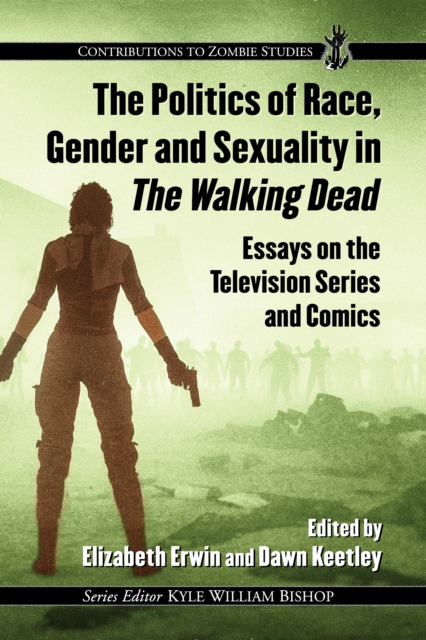
From the beginning, both Robert Kirkman's comics and AMC's series of The Walking Dead have brought controversy in their presentations of race, gender and sexuality.
Most horror film fans are familiar with the movie classics, from the early Universal archetypes to the Hammer landmarks--all of which have been celebrated in countless books and magazines.
Today, it seems as if everyone from heroic-yet-angsty teenagers, to giggling schoolgirls, to middle-aged businessmen, to bored moms are finding themselves whisked away to save distant worlds from some kind of unspeakable evil.
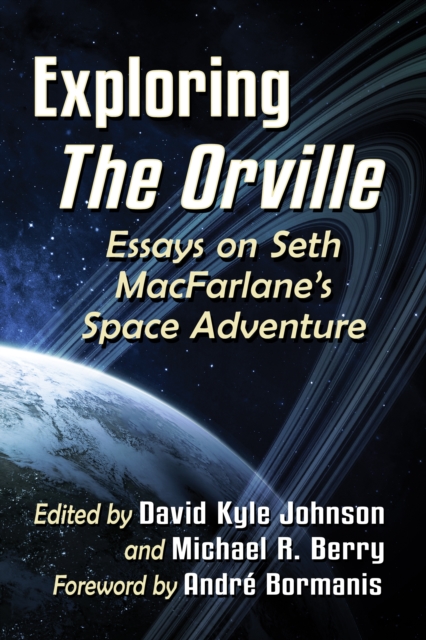
This is the first book to take a deep dive into the philosophical, social, moral, political, and religious issues tackled by Seth MacFarlane's marvelous space adventure, The Orville.
Throughout cinematic history, the buildings characters inhabit--whether stately rural mansions or inner-city apartment blocks--have taken on extra dimensions, often featuring as well developed characters themselves.
When Sydney Newman conceived the idea for Doctor Who in 1963, he envisioned a show in which the Doctor and his companions would visit and observe, but not interfere with, events in history.
From Rosemary's Baby (1968) to The Witch (2015), horror films use religious entities to both inspire and combat fear and to call into question or affirm the moral order.
Supernatural is one of the most successful horror TV shows ever, providing fifteen seasons of the adventures of Dean and Sam Winchester as they hunt monsters and save the world.
As properties of DC comics continue to sprout over the years, narratives that were once kept sacrosanct now spill over into one another, synergizing into one bona fide creative Universe.
The ever-popular "e;Whedonverse"e; television shows--Buffy the Vampire Slayer, Angel, Firefly and Dollhouse--have inspired hundreds of articles and dozens of books.
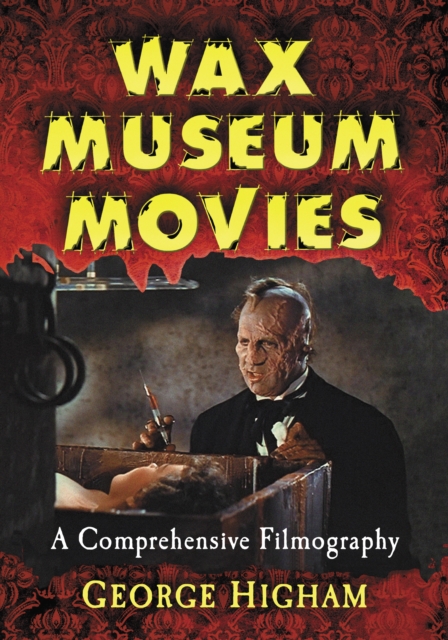
Spanning over a century of cinema and comprised of 127 films, this book analyzes the cinematic incarnations of the "e;uncanniest place on earth"e;--wax museums.