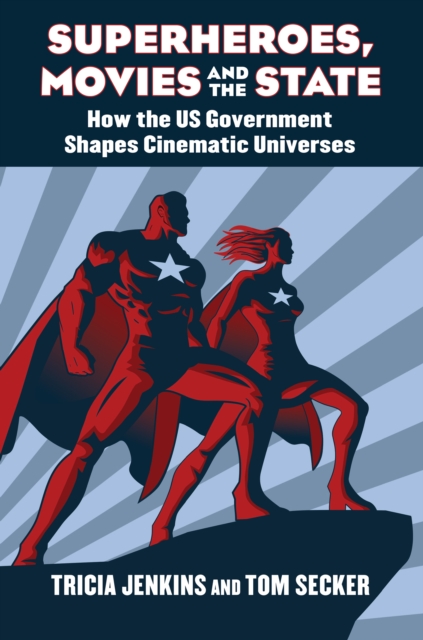
Tricia Jenkins and Tom Secker deliver a highly original exploration of how the government-entertainment complex has influenced the worlds most popular movie genresuperhero films.
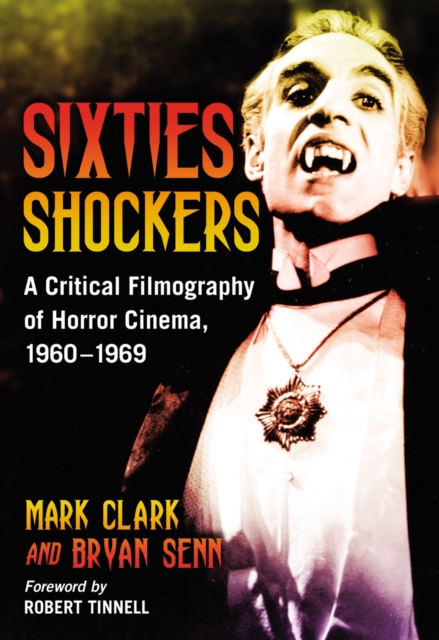
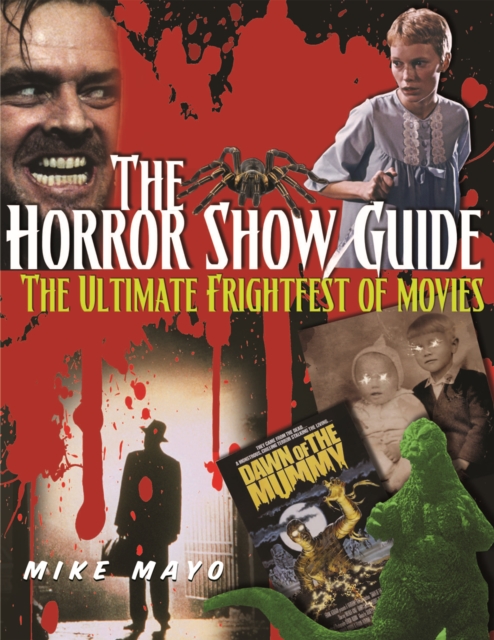
This comprehensive filmography provides critical analyses and behind-the-scenes stories for 600 horror, science fiction and fantasy films from the 1960s.
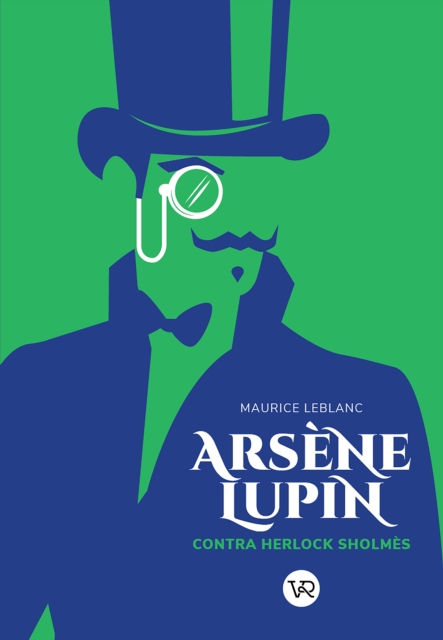
"El ladrón más astuto, refinado y hábil de la literatura policíaca regresa para enfrentarse al más célebre detective inglés en un enfrentamiento mítico de inteligencia y determinación.
La exploración del espacio, la colonización del sistema solar, el viaje a estrellas lejanas y el gran tema de la existencia de vida en otros planetas a través del cine, los cómics, la literatura o las series de televisión.
Esta pequeña colección de relatos, inaugura un nuevo género que se nutre de la ciencia ficción, la ficción especulativa, la realidad fantástica, y la literatura transpersonal.
COMA, es la primera parte de una triolgía que, con El resurgir de los ángeles, inicia esta narrativa que combina varios aspectos en la que, la ficción, domina el contexto general, pero que, sin emboargo, contiene elementos basados en teorías alternativas, perfectamente asumibles y algunas dosis de historia.
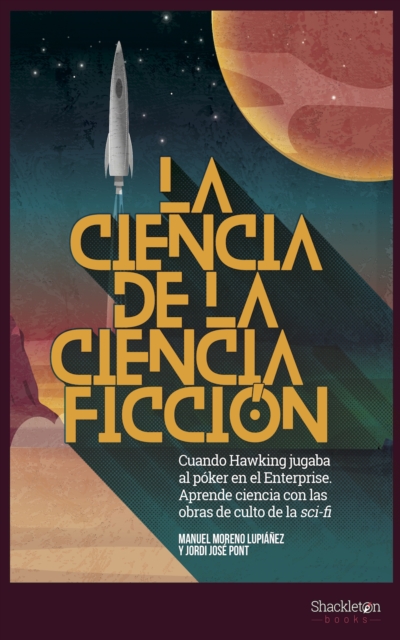
Un entretenidísimo ejercicio de erudición cinematográfica, literaria y, cómo no, científica, a través de las principales leyes de la ciencia aplicadas a las obras maestras de la ciencia ficción.
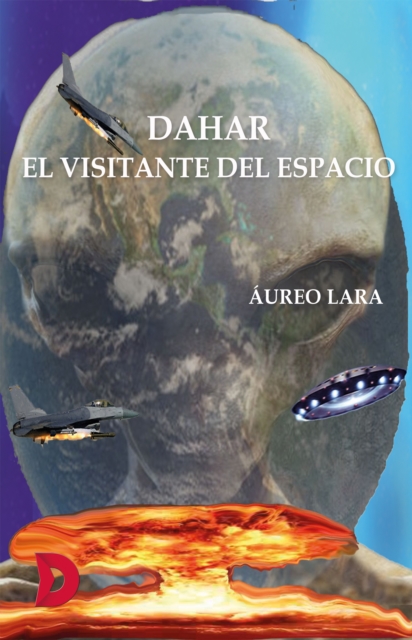
Los continuos avistamientos de ovnis en el cielo nocturno del desierto sonorense, sumados a la aparicion de cadaveres, cuyas autopsias revelan evidentes intervenciones quirurgicas en el cuerpo, ponen en alerta a la seguridad nacional, fuentes confiables, les advierten que personas de los distintos sectores del pais estan siendo suplantados por alienigenas cuyo objetivo es infiltrarse hasta los altos mandos del gobierno.
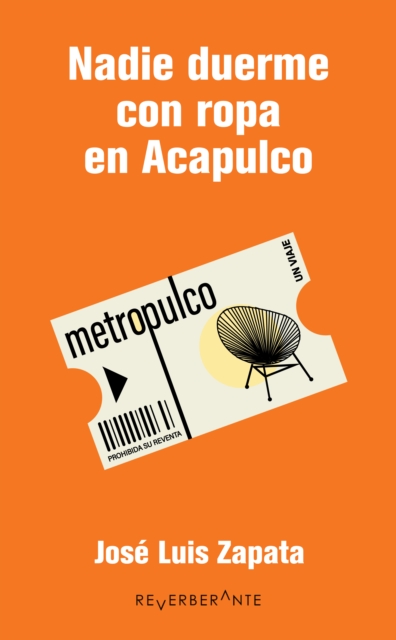
En este libro inquietante, un libro-ciudad, José Luis Zapata nos instala ante siete posibilidades del futuro (a la vez una imposibilidad absoluta), siete tiempos donde el protagonista es el puerto de Acapulco.
A 25th anniversary history and celebration of The Shawshank Redemption, one of the most cherished American films of the late twentieth century and one of the finest movies made from a Stephen King story.
With a worldwide box office of more than a half-billion dollars, The Purge franchise has become one of the top horror franchises in film history, with many reviewers wowed by the concept of the series and differentiating on the execution.
Vampires and the Making of the United States in the Twenty-First Century offers a unique and multifaceted study of how vampires on screen have shaped America and how specific environments here have shaped their vampires.
Science fiction and fantasy movies of the 20th century feature many iconic figures and monsters, and the ability to create and own many of them in the form of models provides fans with an opportunity to mingle amongst the greats and not so greats.
From 2014 to 2018, character comedy trio Sleeping Trees challenged themselves to bring the big screen to the stage, paying homage and reinventing gangster, western and sci-fi movies for audiences across the country.
An updated edition - with completely new chapters - of the most accessible and compelling history of the cinema yet published, and complements Mark Cousins' fascinating 15-hour film documentary The Story of Film: An Odyssey.
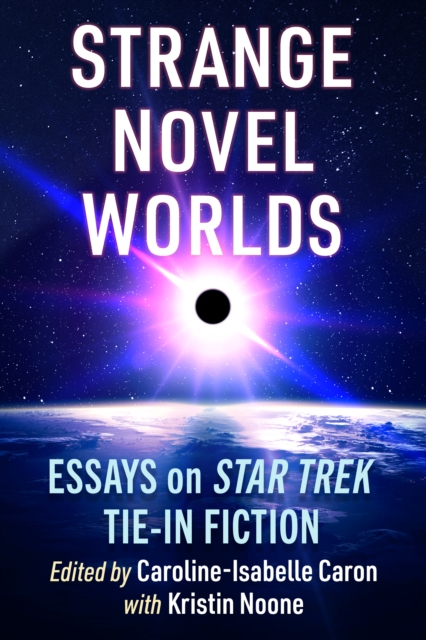
Since the publication of the first James Blish novelizations of Star Trek episodes in 1967, close to 900 tie-in novels, anthologies, and omnibus editions have been published.
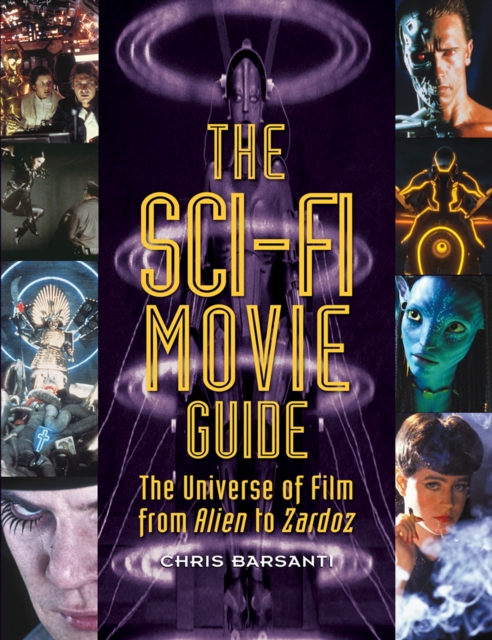
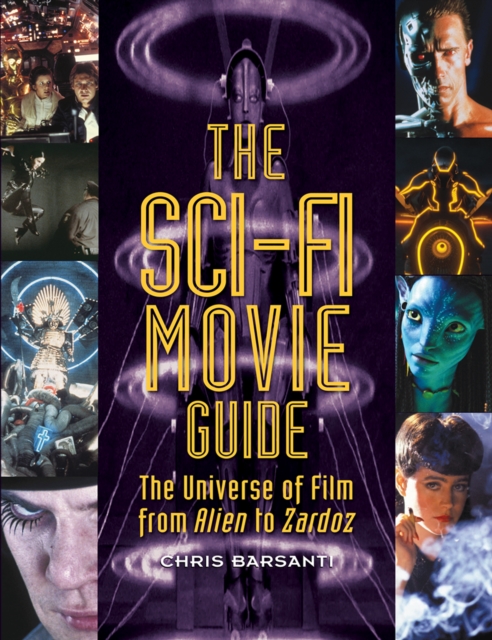
From the trashy to the epic, from the classics to today's blockbusters, this cinefiles guidebook reviews nearly 1,000 of the biggest, baddest, and brightest from every age and genre of cinematic science fiction!
From the trashy to the epic, from the classics to today's blockbusters, this cinefiles guidebook reviews nearly 1,000 of the biggest, baddest, and brightest from every age and genre of cinematic science fiction!
A 25th anniversary history and celebration of The Shawshank Redemption, one of the most cherished American films of the late twentieth century and one of the finest movies made from a Stephen King story.
In 1980s India, the Ramsay Brothers and other filmmakers produced a wave of horror movies about soul-sucking witches, knife-wielding psychopaths, and dark-caped vampires.
An indispensable resource for students and researchers of paranormal myth and media, this book explores the undead and unholy in literature, film, television, and popular culture.
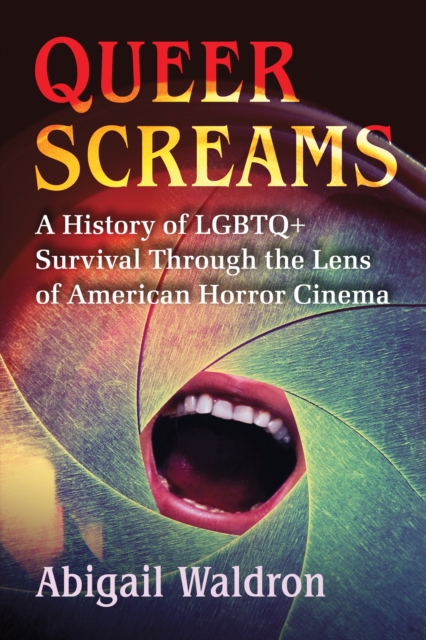
The horror genre mirrors the American queer experience, both positively and negatively, overtly and subtextually, from the lumbering, flower-picking monster of Frankenstein (1931) to the fearless intersectional protagonist of the Fear Street Trilogy (2021).
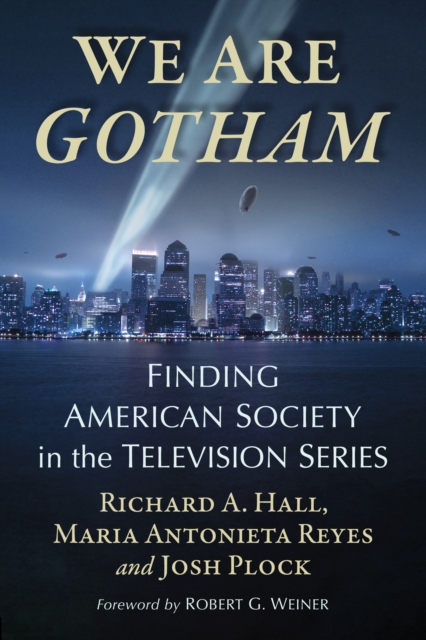
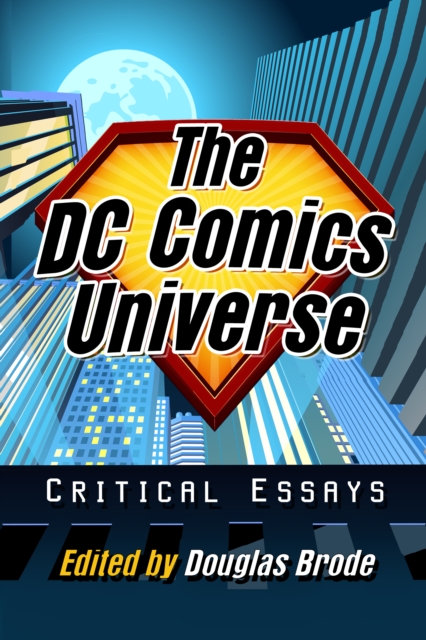
As properties of DC comics continue to sprout over the years, narratives that were once kept sacrosanct now spill over into one another, synergizing into one bona fide creative Universe.
While students and general readers typically cannot relate to esoteric definitions of science fiction, they readily understand the genre as a literature that characteristically deals with subjects such as new inventions, space, robot and aliens.
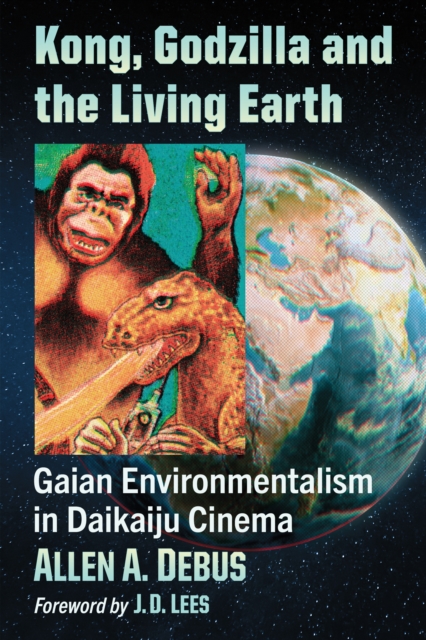
During the 2010s, science fiction's immortal adversaries King Kong and Godzilla, representing our conflicts per Carl Sagan's "e;dream dragons"e; analogy, made comebacks in American cinema.
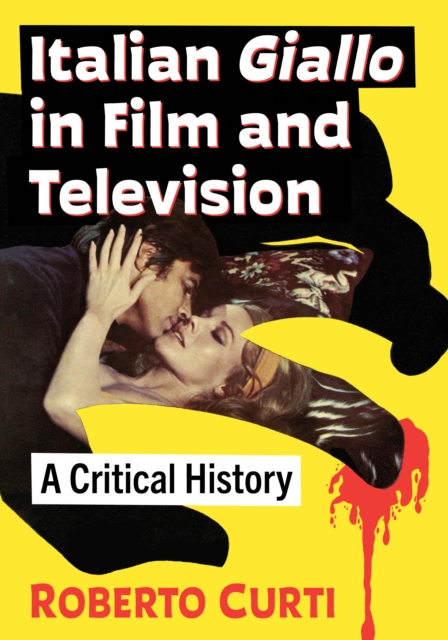
Since the release in 1929 of a popular book series with bright yellow covers, the Italian word giallo (yellow) has come to define a whole spectrum of mystery and detective fiction and films.