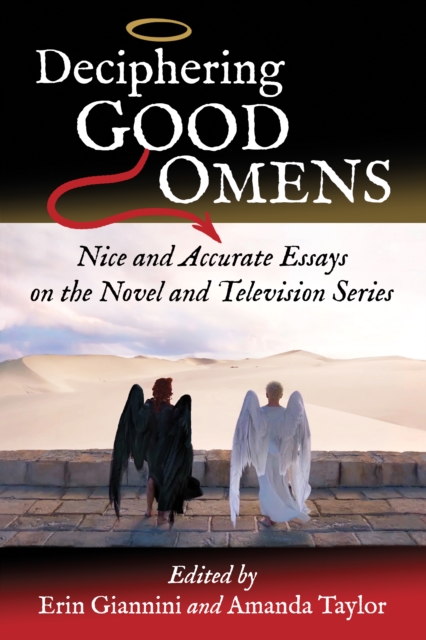
Based on the novel by Neil Gaiman and Terry Pratchett, the Amazon Prime series, Good Omens, quickly gained a cult following after debuting in May of 2019.
Based on the novel by Neil Gaiman and Terry Pratchett, the Amazon Prime series, Good Omens, quickly gained a cult following after debuting in May of 2019.
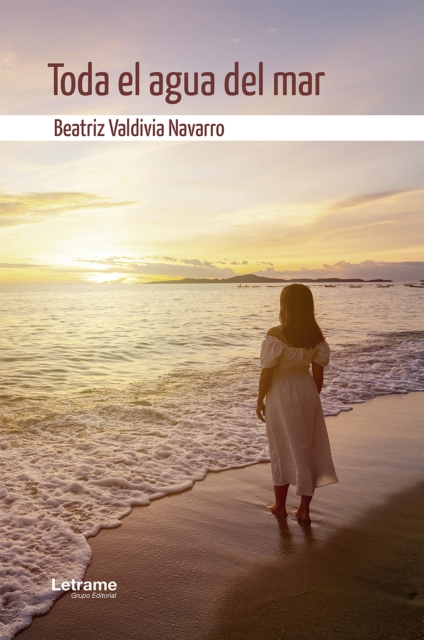
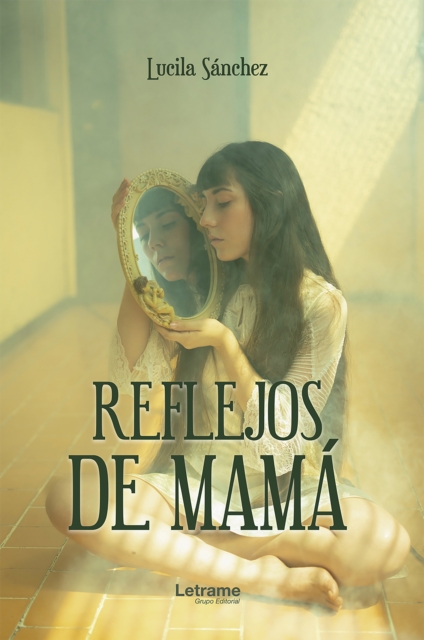
Ángela y Laura Saval son dos hermanas gemelas con una vida plena y feliz, pero un horrible accidente de tráfico acaba con las vidas de Ángela y Luis, el padre de ellas.
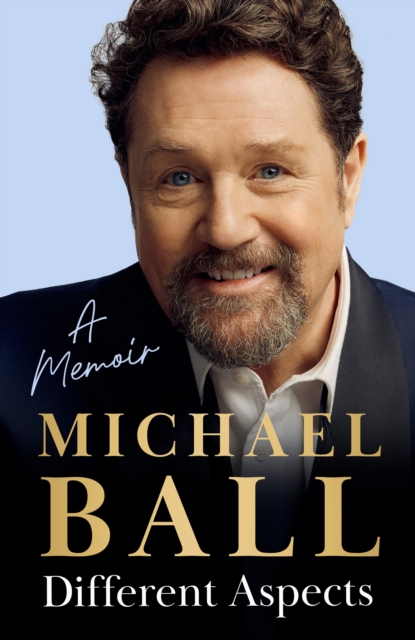
UNLOCK THE MAGIC OF THEATRE THIS CHRISTMAS - GO BEHIND THE CURTAIN WITH WEST END LEGEND, MICHAEL BALL IN HIS FIRST MEMOIR 'Love, laughter and tears abound in this warm, entertaining read' Woman and Home 'Glittering' Daily Mail'Wonderful' The SunIn 1989, a young Michael Ball landed the lead role in the musical Aspects of Love.
Mehr als vierzig Spielfilme für Fernsehen und Kino, produziert in über 30 Ländern, vierzehn Romane, zwei Dutzend Erzählungen und Kurzgeschichten, fünf Bühnenwerke – stets zeitlos aktuelle, außergewöhnliche, mitunter provozierende und kontroverse Themen.
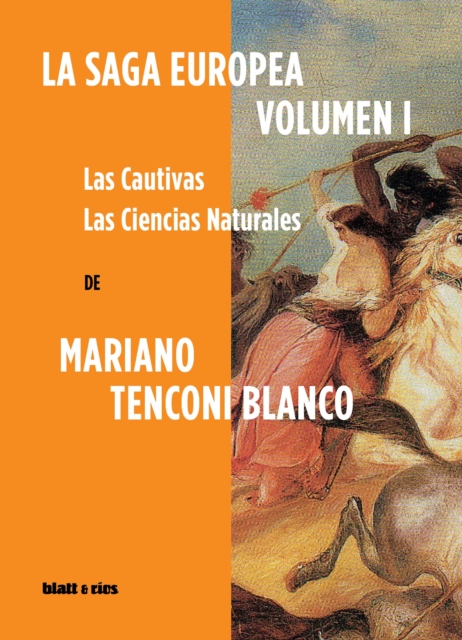
No arden los ángeles en el infiernoÉstas son las páginas que, reburujadas e inaprensibles, se encontraron en el despacho de aquel famoso historiador quien un día, según se dice, entró blandiéndolas como un arma a las narices del colegio reunido de sus colegas en medio de la más científica de las tertulias.
Miguel Ángel León Abarca (Daido Shugen) nos narra en esta sorprendente obra, Volver del Más Allá, su experiencia propia y la de otras muchas personas anónimas en relación a un asunto del que nunca ha podido despegarse el ser humano a lo largo de toda su historia, porque forma parte de su identidad: ¿Qué hay después de la muerte?
Das Toiletten-Buch Filmgeschichte: Ein Must-Have für Jeden FilmfanProduktbeschreibung:Tauchen Sie ein in die faszinierende Welt des Kinos mit "Das Toiletten-Buch Filmgeschichte".
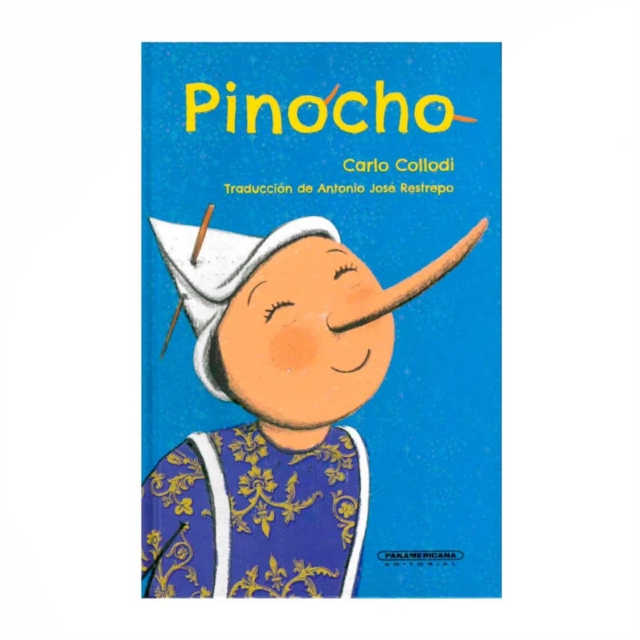
Pinocho, el muñeco inolvidable que se instaló primero en nuestra casa a través del relato de la madre, la abuela o la tía, se metió luego por la ventana de la escuela hecho canción en la voz de la maestra y, finalmente, se inmortalizó en el goce de los niños y la nostalgia de los mayores.
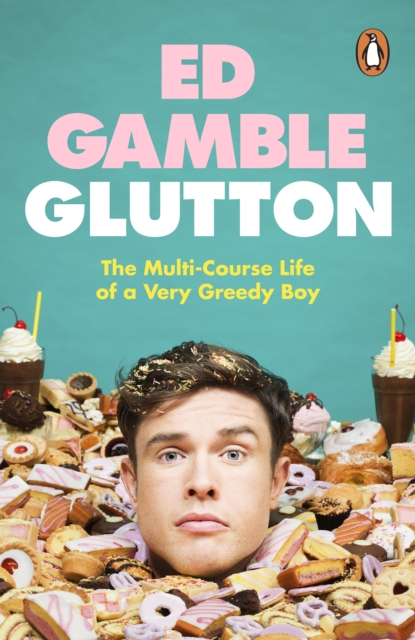
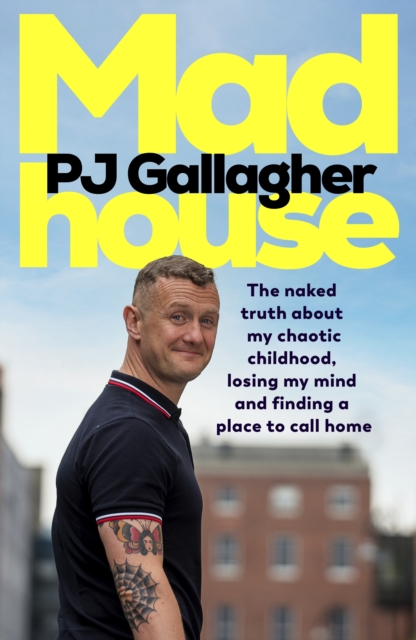
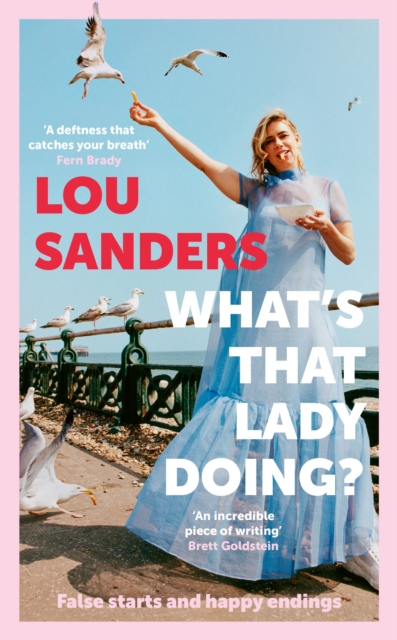
For fans of Really Good Actually and I'm Glad My Mom Died'A deftness that catches your breath' - Fern Brady'An incredible piece of writing' - Brett Goldstein'Interrogates moments of trauma with insight, kindness and humanity' - John RobinsThis is a book about mistakes.
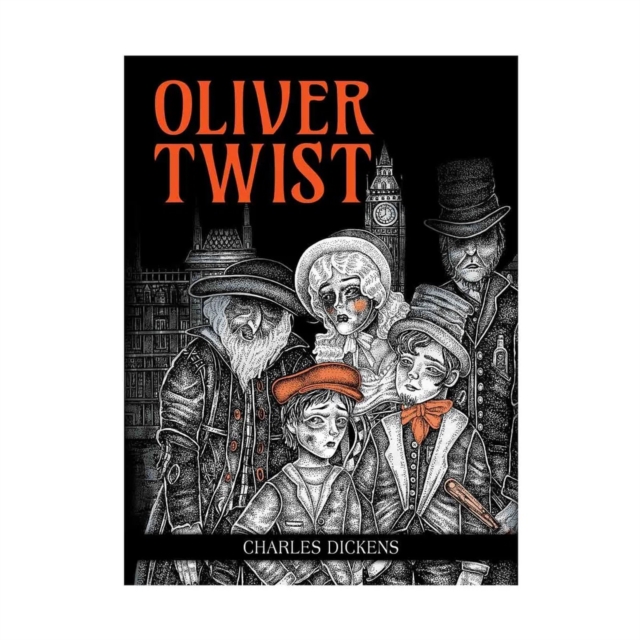
En una época llena de moralismos y reglas, con prejuicios exagerados, prohibiciones severas y valores «puritanos», donde los formalismos religiosos eran deberes incuestionables, surge una obra que cae como balde de agua fría sobre el orgulloso Imperio británico.
¿Y no fue así, en realidad, como empezó todo: con una dicotomía rígida, esquemática, taxativa, que asignaba a quien la profería el garantido lugar del bien y reservaba para sus oponentes el inexorable lugar del mal?
Nach der schockierenden Erkenntnis, dass die aktuellen Geschehnisse unmittelbar mit seiner Vergangenheit verknüpft sind, macht sich William auf, mehr über das Wappen seiner Familie herauszufinden.