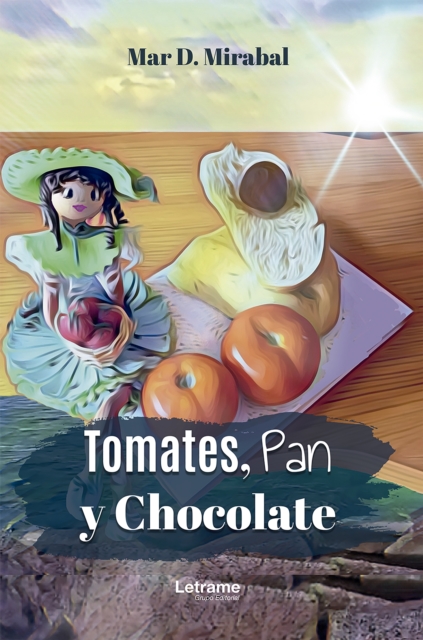
Aproximando las islas Canarias al resto de España, surge Tomates, pan y chocolate y, aunque concebidas como historias independientes, cada uno de los relatos mantiene un nexo: plantear una situación que el personaje debe resolver, una situación que lleva a la toma de decisiones.
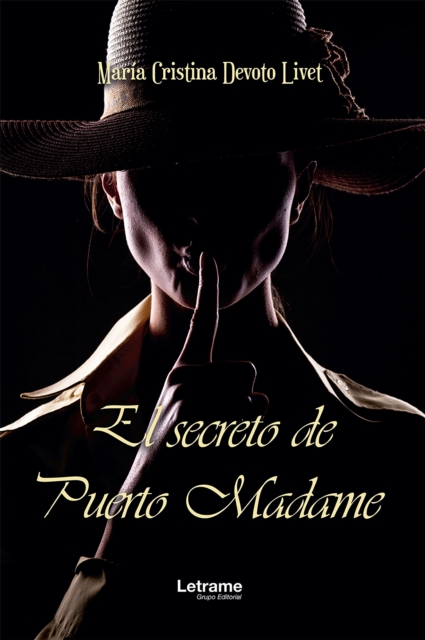
En las calles de Puerto Madame, una pequeña localidad de Uruguay, las vidas de los obreros de la fábrica de cemento se entretejen entre rutinas y clandestinidad.
En nuestra sociedad actual, regida por la prisa y el imparable avance de la ciencia y la tecnología, el ser humano a menudo olvida la dimensión espiritual de la que también se compone su existencia.
One of the most moving narratives from the American Revolution is the first presidential administration and the many precedents set by George Washington.
In 1948, the Australian government banned the production, importation and exhibition of horror films in a move to appease religious communities and entertainment watchdogs.
One of the most moving narratives from the American Revolution is the first presidential administration and the many precedents set by George Washington.
In 1948, the Australian government banned the production, importation and exhibition of horror films in a move to appease religious communities and entertainment watchdogs.
"Simulamos algo que no somos buscando ser respetados o considerados, y es un juego que nos ha tocado jugar con reglas específicas que no necesariamente todos siguen".
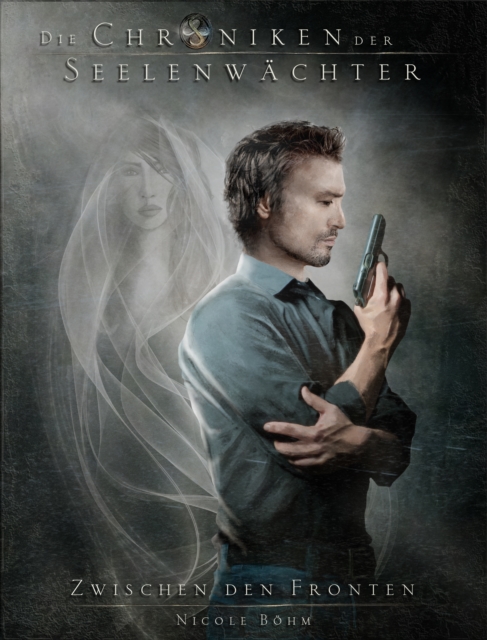
Arya Anderson trabaja como agente encubierto para la DEA, a sus veintiocho años no piensa en casarse y formar una familia, ella sueña con desmantelar todos los cárteles de drogas posibles, odia que traten de controlarla; lo que no se imagina es que su próxima misión le cambiará la vida por completo.
Nuevas caras se suman al equipo de El Club, una organización secreta que protege los libros y la historia de la literatura, y que debe enfrentarse a una nueva amenaza que pondrá en peligro no solo a las obras escritas, sino también a los grandes escritores de la historia de la literatura y a la libertad de los lectores.
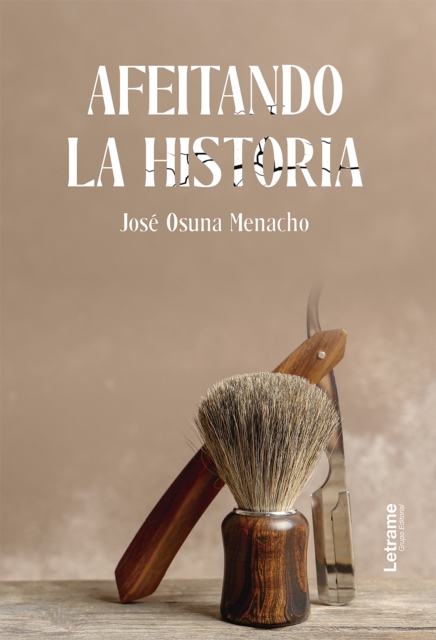
La barbería ha sido durante siglos un lugar de encuentro y conversación, donde los hombres acuden a afeitarse y arreglar su cabello, pero también a compartir sus vivencias y preocupaciones.
POR PENA, CRUCIFIQUÉ MI CORAZÓN es una novela en la que Donan, una joven de Benín, viviendo en Las Palmas de Gran Canaria, relata tanto las dificultades confrontadas en la realización de su primer viaje a España como las que tuvo que enfrentarse cuando el amor tocó a su puerta.
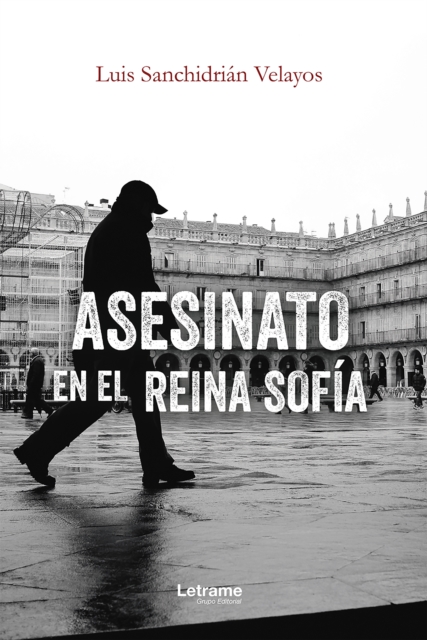
A principio de los anos noventa del siglo pasado, el asesinato de un diputado en un museo de Madrid lleva a un inspector inexperto a Salamanca, circunscripcion por la que es electo el difunto.
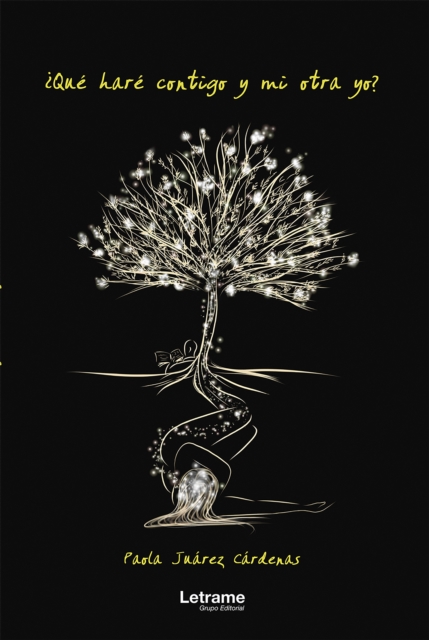
Todo comienza cuando Paola conoce en la boda de una de sus mejores amigas a Antonio, un hombre que la llevará a ver sus peores fantasmas y a soltar patrones de conductas con los cuales ha cargado gran parte de vida.
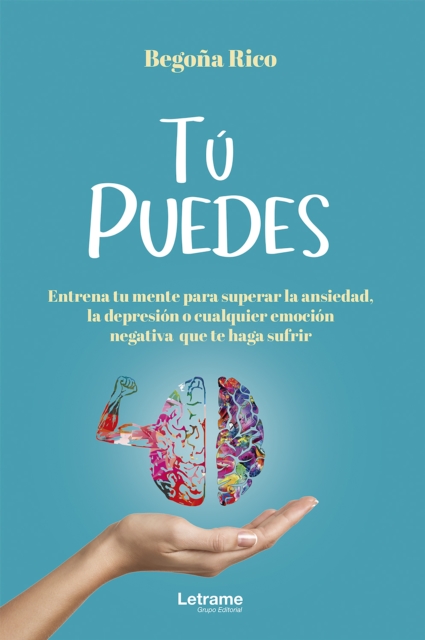
Para mantener nuestro equilibrio emocional cuando nos vemos involucrados en circunstancias personales adversas, resulta imprescindible comprender lo que sucede en nuestro interior y la manera en que el cerebro lo interpreta, así como aprender a gestionar nuestras emociones.