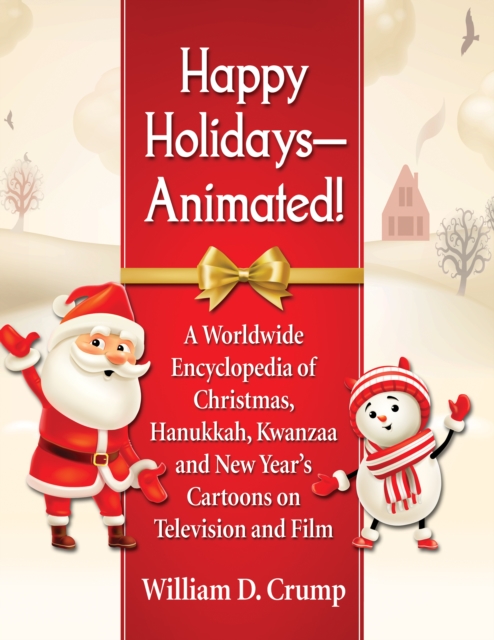
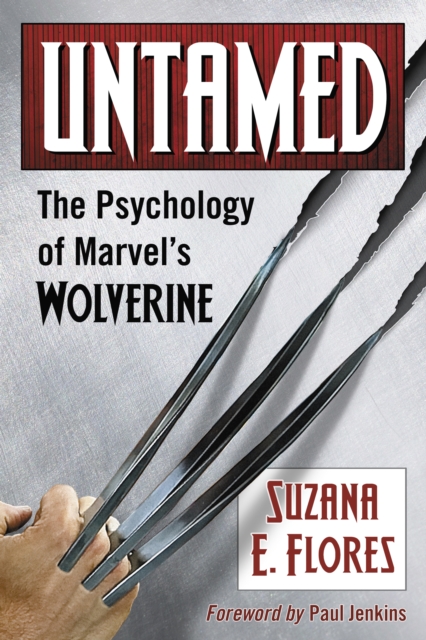
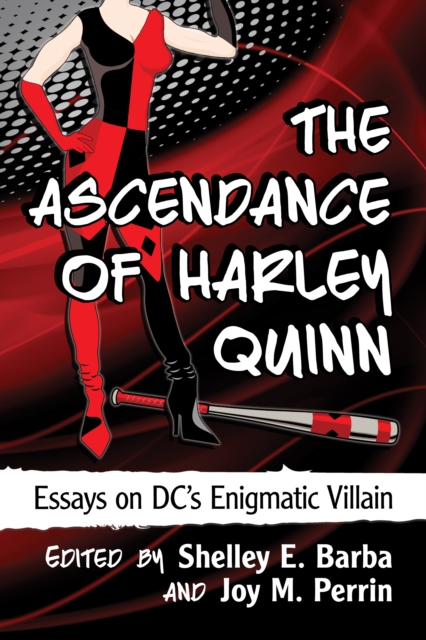
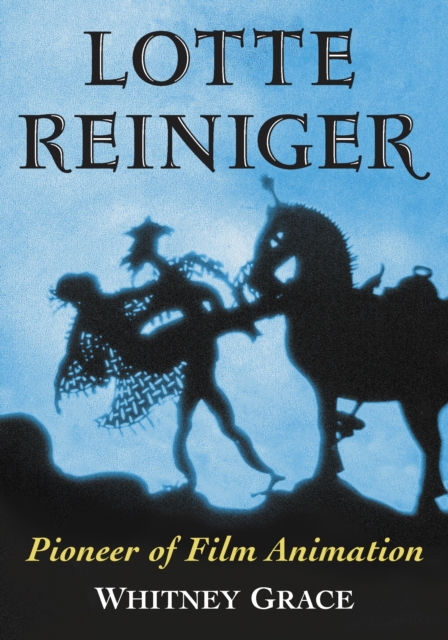
Since her first appearance in 1992, Harley Quinn--eccentric sidekick to the Joker--has captured the attention of readers like few new characters have in eight decades of Batman comics.
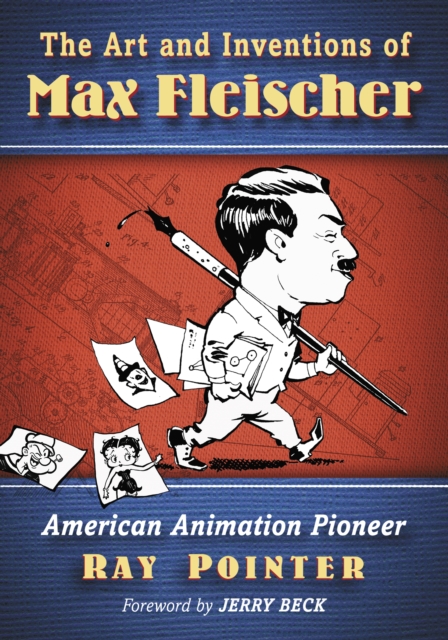
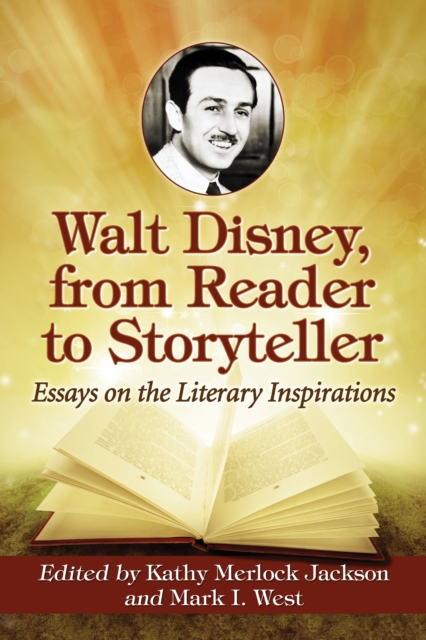
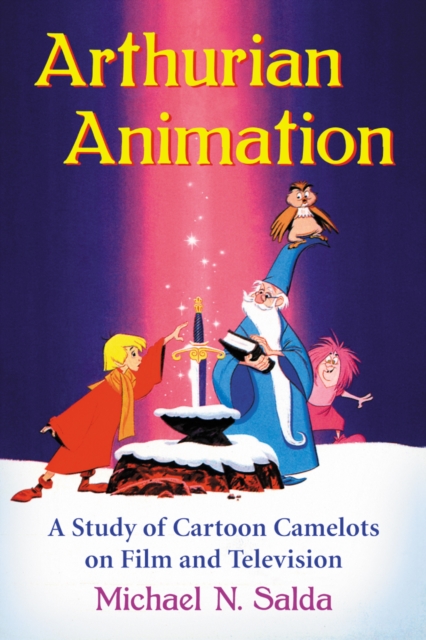
The history of animated cartoons has for decades been dominated by the accomplishments of Walt Disney, giving the impression that he invented the medium.
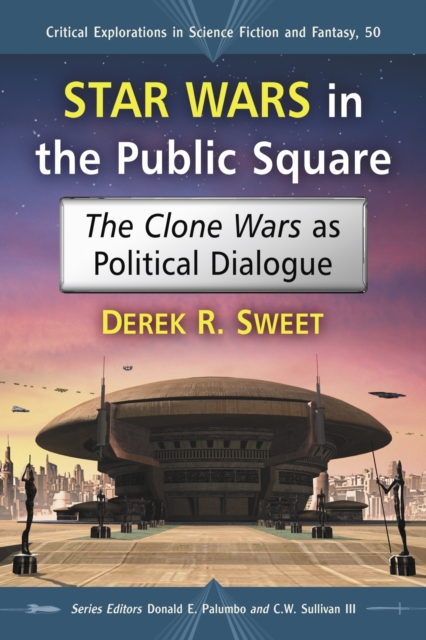
Speculative science fiction, with its underlying socio-political dialogue, represents an important intersection of popular culture and public discourse.
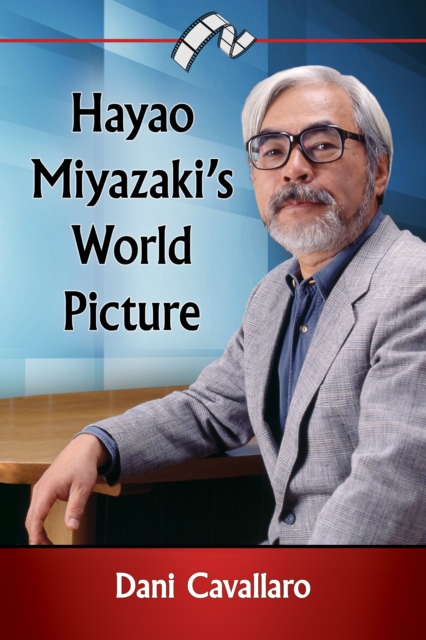
Hayao Miyazaki has gained worldwide recognition as a leading figure in the history of animation, alongside Walt Disney, Milt Kahl, Tex Avery, Chuck Jones, Yuri Norstein and John Lasseter.
Once a favorite of mainly art house audiences, Hayao Miyazaki's films have enjoyed increasing exposure in the West since his Spirited Away won the Oscar for Best Animated Feature in 2003.
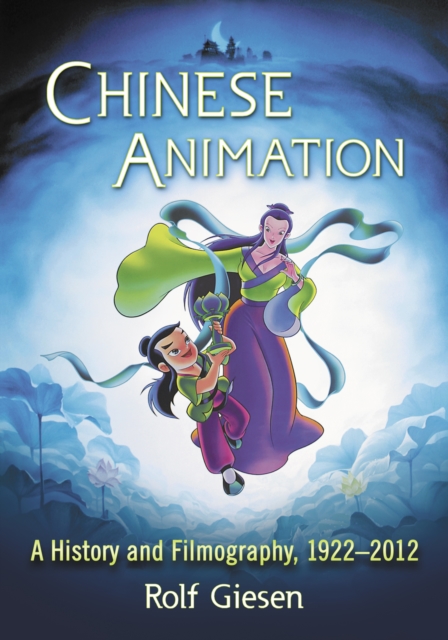
With an output of more than 250,000 minutes annually, and with roughly 5,000 producers and production units, the Chinese are leading the field of animated films.
This work covers ninety years of animation from James Stuart Blackton's 1906 short Humorous Phases of Funny Faces, in which astonished viewers saw a hand draw faces that moved and changed, to Anastasia, Don Bluth's 1997 feature-length challenge to the Walt Disney animation empire.
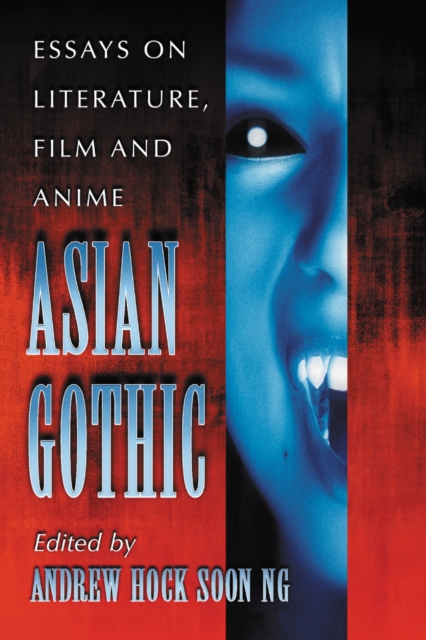
The essays in this collection acknowledge the rich Gothic tradition in Asian narratives that deal with themes of the fantastic, the macabre, and the spectral.
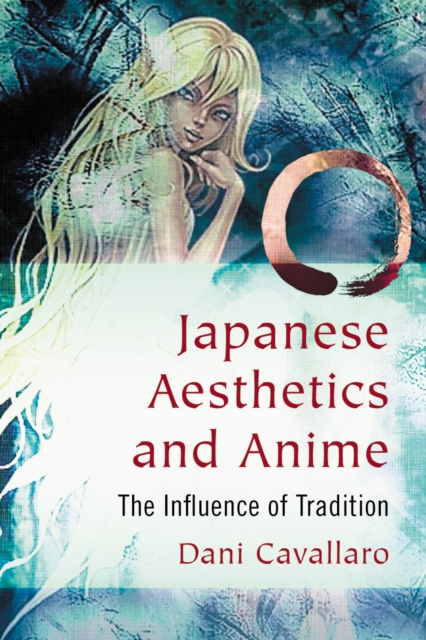
This study addresses the relationship between Japanese aesthetics, a field steeped in philosophy and traditional knowledge, and anime, a prominent part of contemporary popular culture.
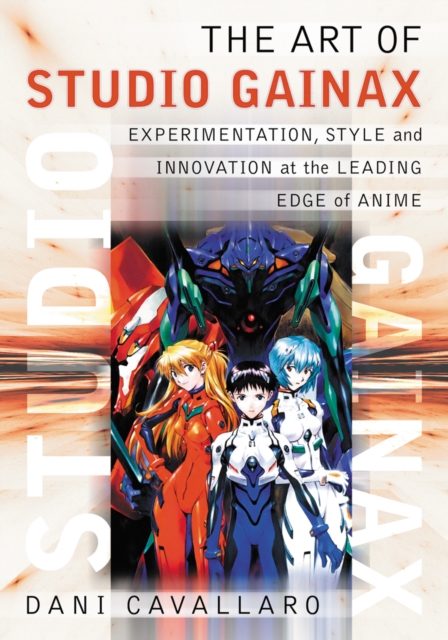
Formed by a small group of university students in the early 1980s, Studio Gainax is now one of the most adventurous and widely esteemed anime companies on the scene.
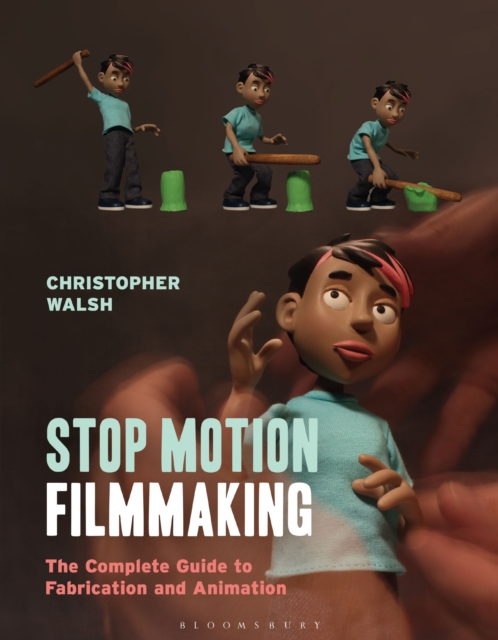
Based on a world-class curriculum and cutting-edge industry practices, Stop Motion Filmmaking offers step-by-step instruction in everything from puppet making and studio set-up to animation and filmmaking.
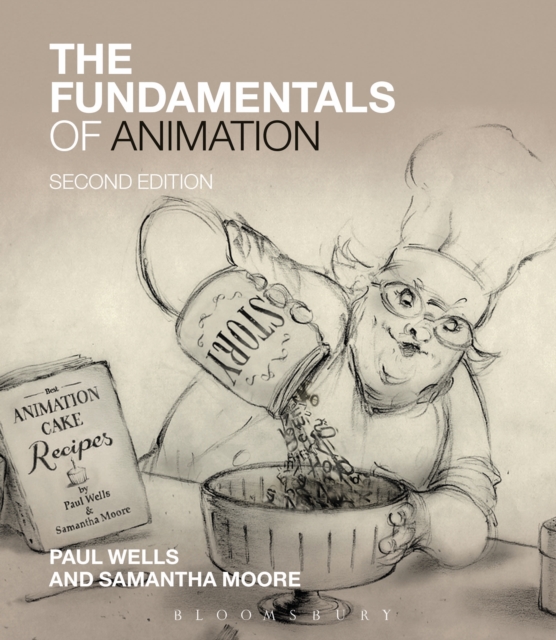
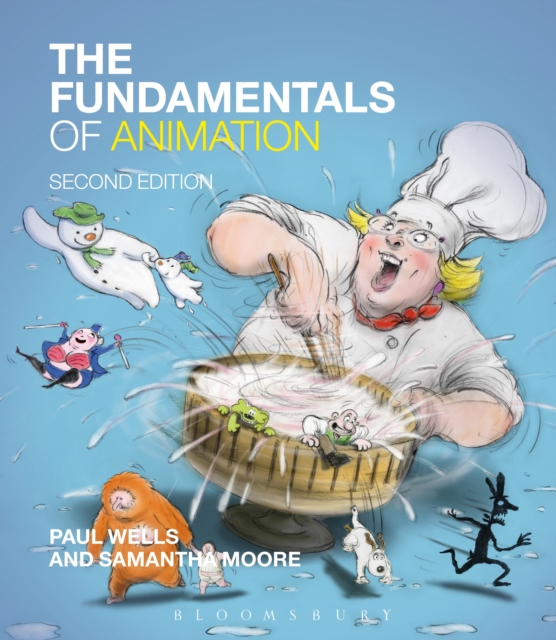
Packed with examples from classic and contemporary films, The Fundamentals of Animation presents each stage of the animation production process in an engaging visual style, whilst providing an historical and critical context for four core disciplines: drawn/cel; 2D/3D stop-motion; computer generated; and experimental animation.
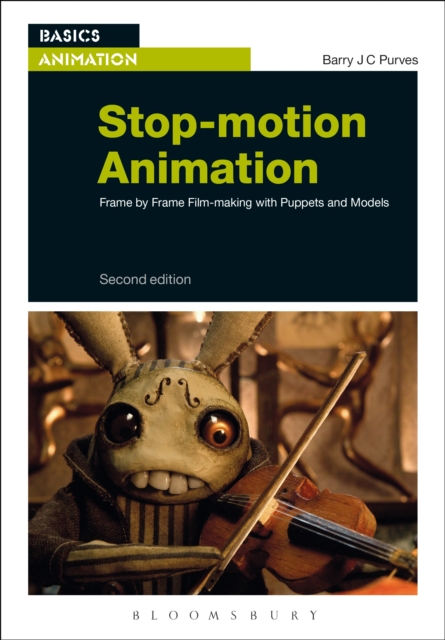
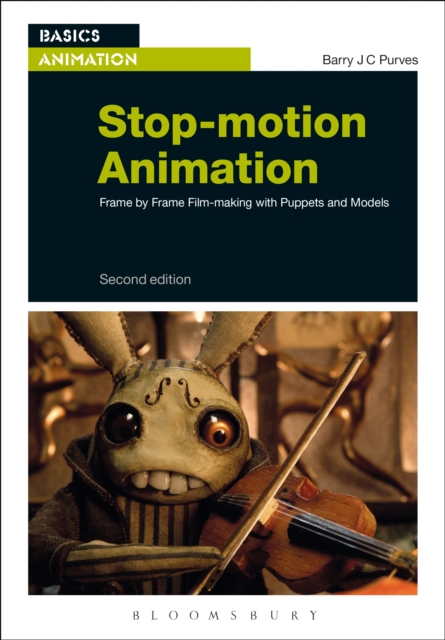
Stop-motion Animation explores how all the elements of film-making camera work, design, colour, lighting, editing, music and storytelling - come together in this unique art form.
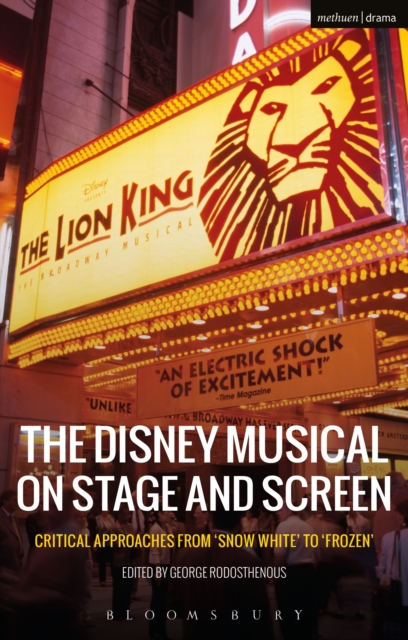
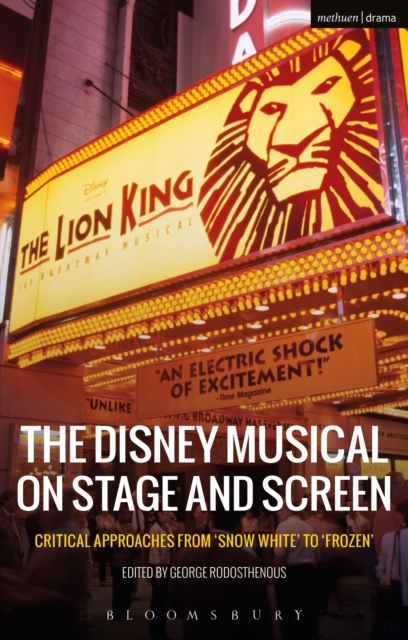
The Disney Musical: Critical Approaches on Stage and Screen is the first critical treatment of the corporation's hugely successful musicals both on screen and on the stage.
The Disney Musical: Critical Approaches on Stage and Screen is the first critical treatment of the corporation's hugely successful musicals both on screen and on the stage.
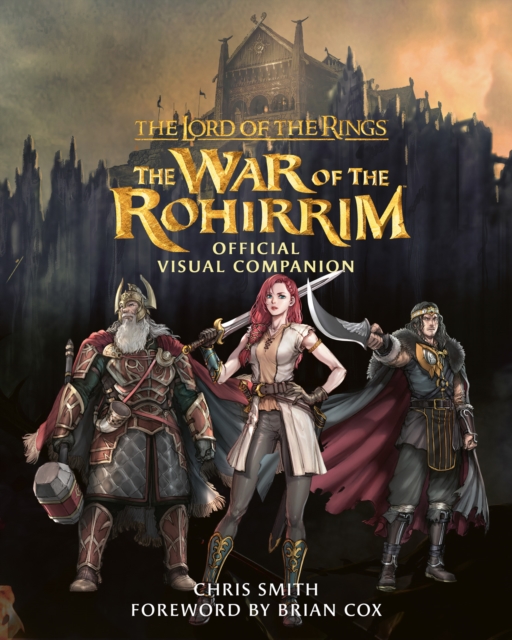
Lavishly illustrated with breathtaking art and imagery from the highly anticipated new movie, the exclusive Visual Companion is the ultimate introduction to every character, creature and location you will encounter in this epic adventure from the official Lord of the Rings saga.
This edited volume encompasses chapters on novel and innovative research in the applications of leading digital technologies in an accessible and engaging way.
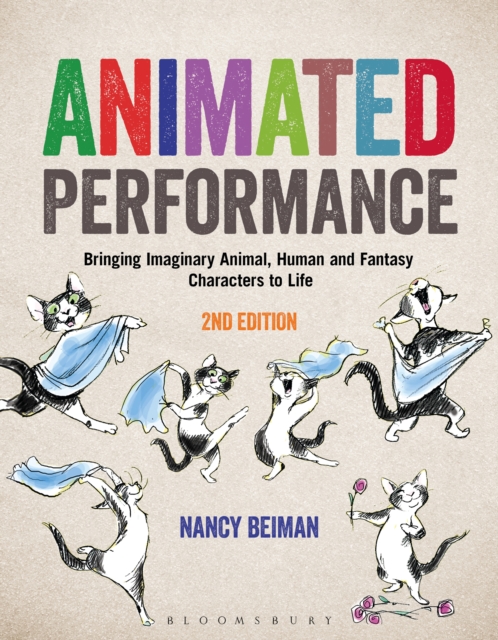
Animated Performance shows how a character can seemingly 'come to life' when their movements reflect the emotional or narrative context of their situation: when they start to 'perform'.
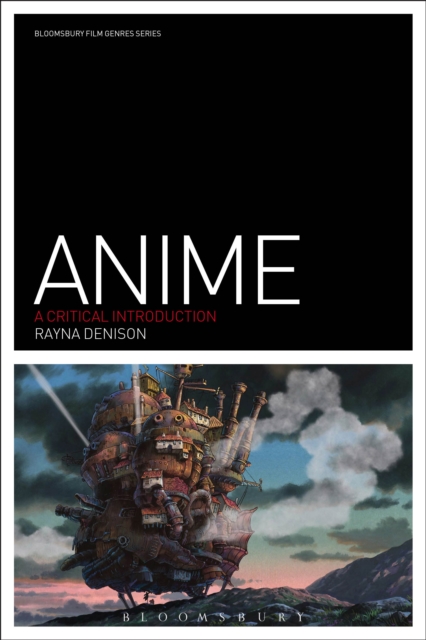
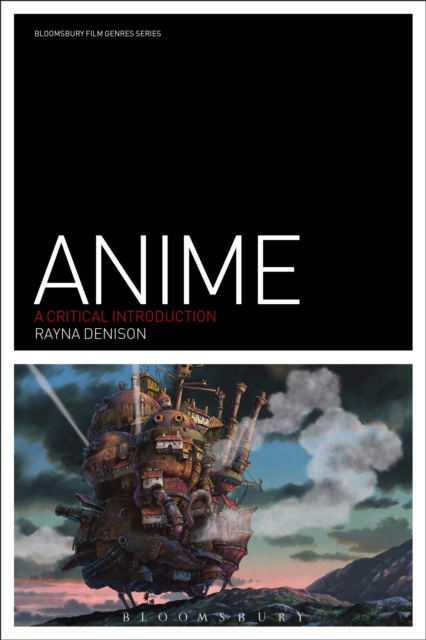
Anime: A Critical Introduction maps the genres that have thrived within Japanese animation culture, and shows how a wide range of commentators have made sense of anime through discussions of its generic landscape.
Anime: A Critical Introduction maps the genres that have thrived within Japanese animation culture, and shows how a wide range of commentators have made sense of anime through discussions of its generic landscape.
Packed with examples from classic and contemporary films, The Fundamentals of Animation presents each stage of the animation production process in an engaging visual style, whilst providing an historical and critical context for four core disciplines: drawn/cel; 2D/3D stop-motion; computer generated; and experimental animation.
Stop-motion Animation explores how all the elements of film-making camera work, design, colour, lighting, editing, music and storytelling - come together in this unique art form.
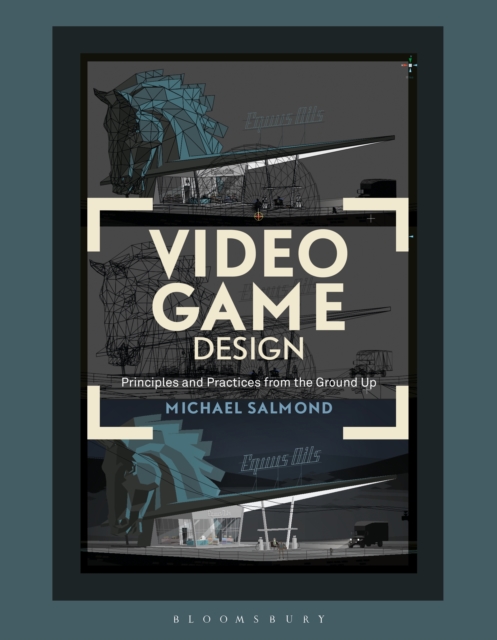
Video Game Design is a visual introduction to integrating core design essentials, such as critical analysis, mechanics and aesthetics, prototyping, level design, into game design.
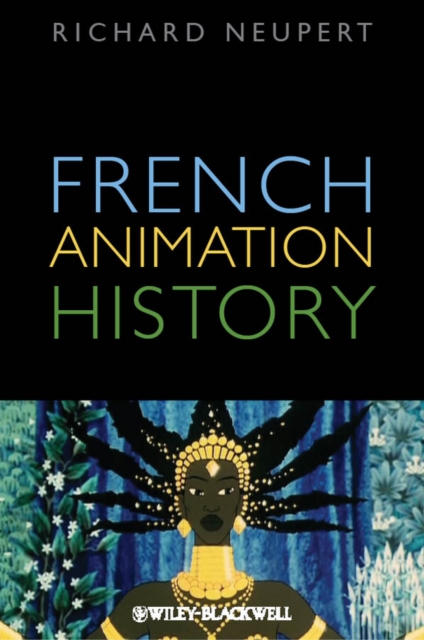
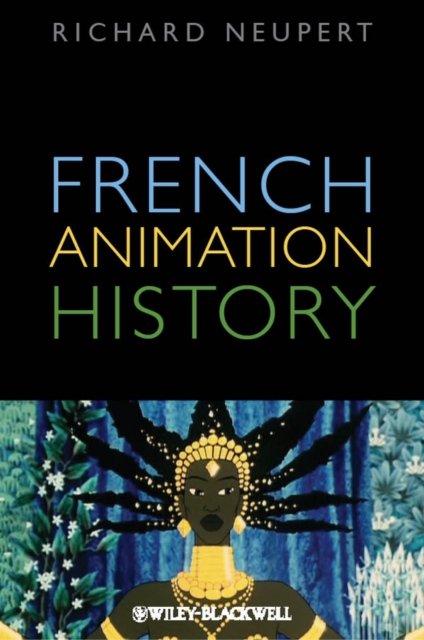
French Animation History is essential reading for anyone interested in the history of animation, illuminating the exceptional place France holds within that history.
French Animation History is essential reading for anyone interested in the history of animation, illuminating the exceptional place France holds within that history.
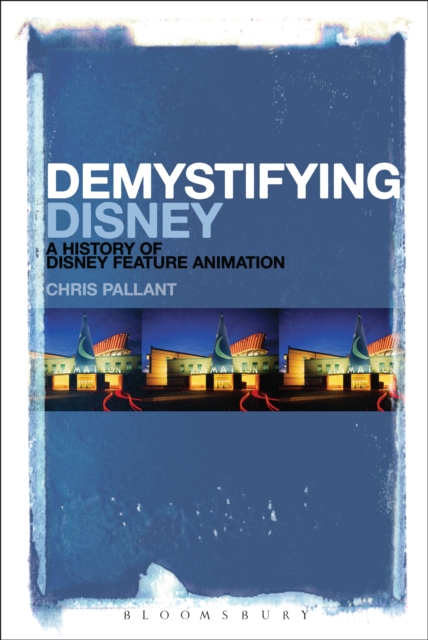
Demystifying Disney: A History of Disney Feature Animation provides a comprehensive and thoroughly up-to-date examination of the Disney studio's evolution through its animated films.