This book analyzes Walt Disney's impact on entertainment, new media, and consumer culture in terms of a materialist, psychoanalytic approach to fantasy.
This book, written from the perspective of a designer and educator, brings to the attention of media historians, fellow practitioners and students the innovative practices of leading moving image designers.
This sixth volume in the Docalogue series explores the significance of Flee, the award-winning and critically acclaimed 2021 animated documentary about one man's journey from child refugee in Afghanistan to building a stable home as an adult with his soon-to-be husband in Denmark.
This book describes the dubbing process of English-language animated films produced by US companies in the 21st century, exploring how linguistic variation and multilingualism are used to create characters and identities and examining how Italian dubbing professionals deal with this linguistic characterisation.
While previous work on the Star Wars universe charts the Campbellian mythic arcs, political representations, and fan reactions associated with the films, this volume takes a transmedial approach to the material, recognizing that Star Wars TV projects interact with and relate to other Star Wars texts.
This book charts the complex history of the relationship between the Disney fairy tale and the American Dream, demonstrating the ways in which the Disney fairy tale has been reconstructed and renegotiated alongside, and in response to important changes within American society.
This book critically examines how Walt Disney Animation Studios has depicted - and sometimes failed to depict - different forms of harming and objectifying non-human animals in their films.
This study of 'independent' animation opens up a quietly subversive and vibrant dimension of contemporary Chinese culture which, hitherto, has not received as much attention as dissident art or political activism.
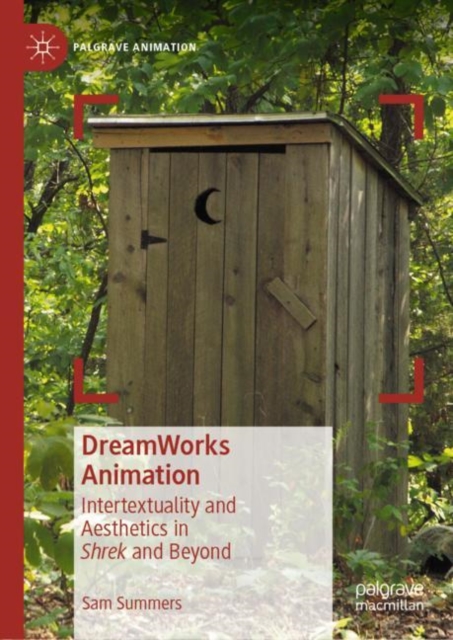
DreamWorks is one of the biggest names in modern computer-animation: a studio whose commercial success and impact on the medium rivals that of Pixar, and yet has received far less critical attention.
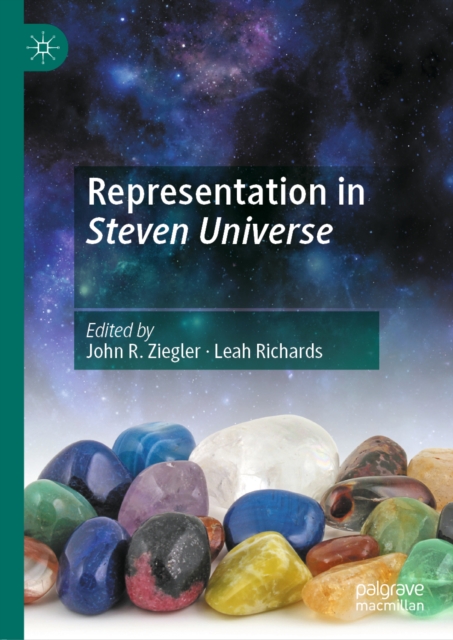
This book assembles ten scholarly examinations of the politics of representation in the groundbreaking animated children's television series Steven Universe.
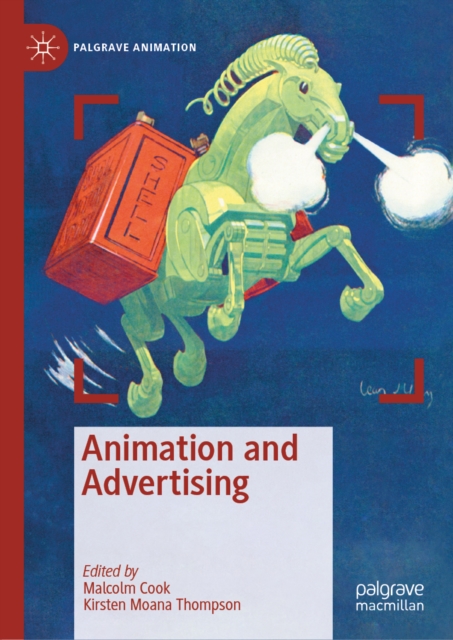
Throughout its history, animation has been fundamentally shaped by its application to promotion and marketing, with animation playing a vital role in advertising history.
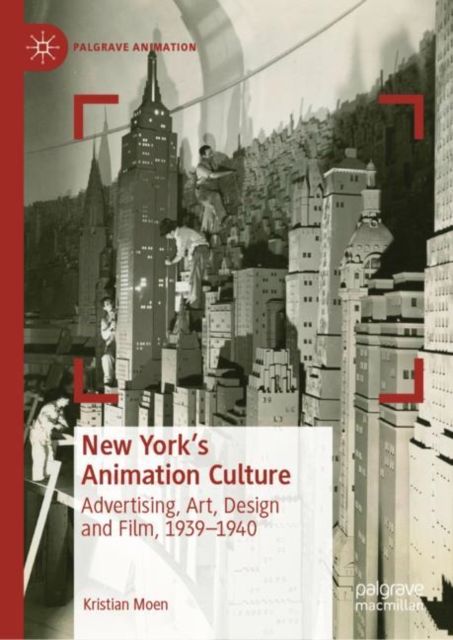
This book reveals and explores the thriving animation culture in midtown Manhattan, the World's Fair, art galleries and cinemas during a vibrant period of artistic, commercial and industrial activity in New York City.
This is the first book to offer a comprehensive overview for anyone wanting to understand the benefits and opportunities of ray tracing, as well as some of the challenges, without having to learn how to program or be an optics scientist.
Japanese Influence on American Children's Television examines the gradual, yet dramatic, transformation of Saturday morning children's programming from being rooted in American traditions and popular culture to reflecting Japanese popular culture.
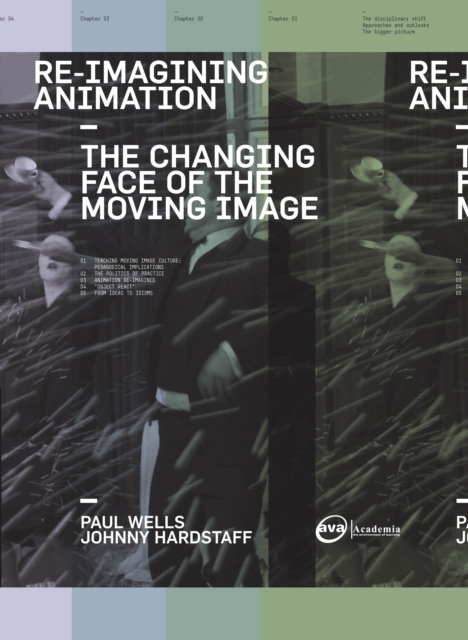
Re-Imagining Animation: The Changing Face of the Moving Image by Paul Wells and Johnny Hardstaff explores the changing nature of animation in the twenty-first century.
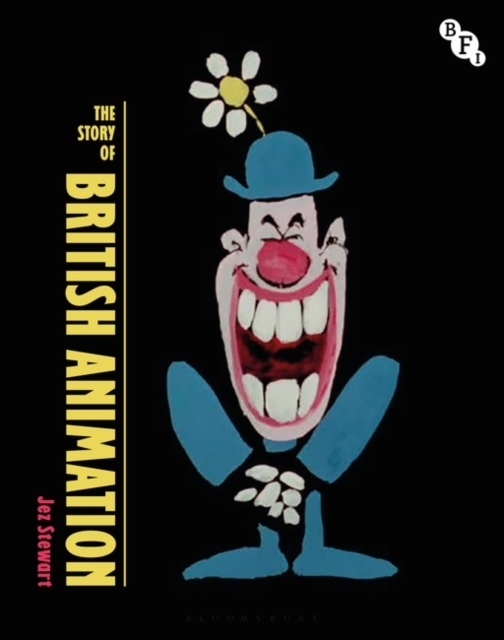
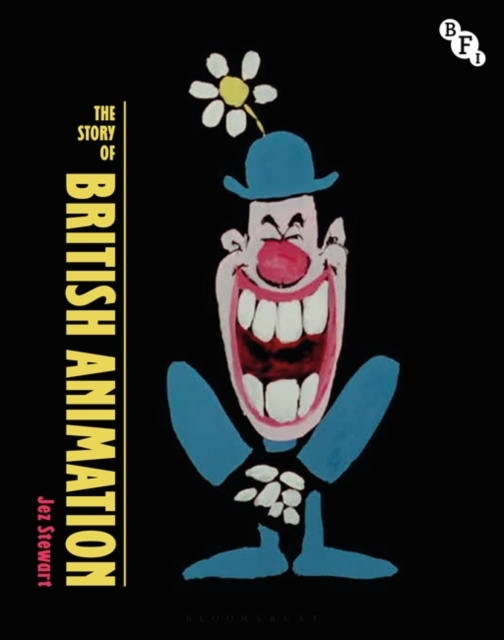
A Sight & Sound Book of the YearJez Stewart charts the course of this extraordinarily fertile area of British film from early experiments with stop-motion and the flourishing of animated drawings during WWI.
A Sight & Sound Book of the YearJez Stewart charts the course of this extraordinarily fertile area of British film from early experiments with stop-motion and the flourishing of animated drawings during WWI.
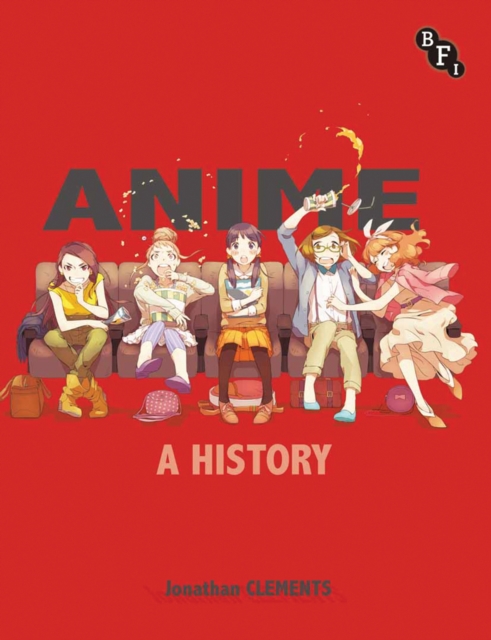
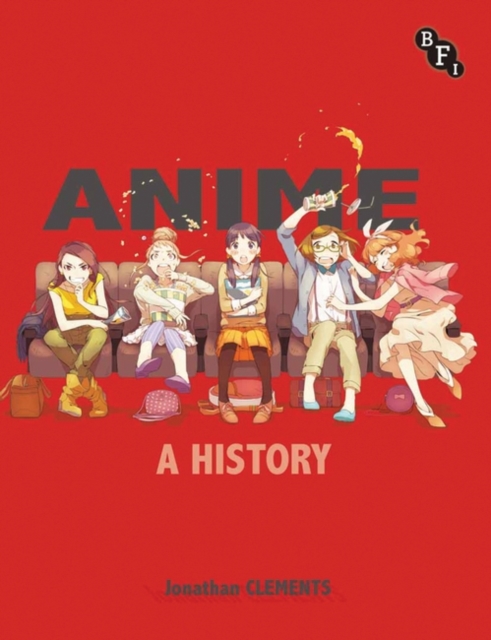
This comprehensive history of Japanese animation draws on Japanese primary sources and testimony from industry professionals to explore the production and reception of anime, from its origins in Japanese cartoons of the 1920s and 30s to the international successes of companies such as Studio Ghibli and Nintendo, films such as Spirited Away and video game characters such as Pok mon.
The first computer-generated animated feature film, Toy Story (1995) sustains a dynamic vitality that proved instantly appealing to audiences of all ages.
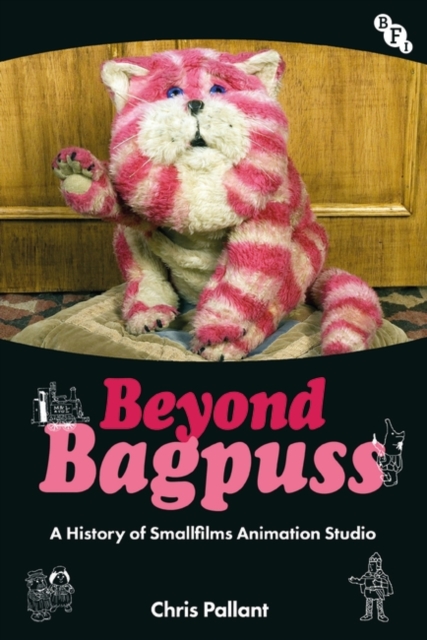
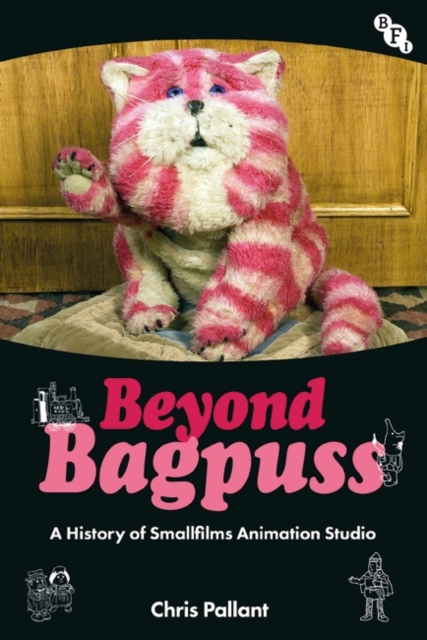
Ivor the Engine, Noggin the Nog, Pingwings, Pogles Wood, Clangers, and Bagpuss - the iconic animations produced by the Canterbury-based Smallfilms studio between 1958 and 1984 - constitute a significant thread of British cultural history.
Ivor the Engine, Noggin the Nog, Pingwings, Pogles Wood, Clangers, and Bagpuss - the iconic animations produced by the Canterbury-based Smallfilms studio between 1958 and 1984 - constitute a significant thread of British cultural history.
The first computer-generated animated feature film, Toy Story (1995) sustains a dynamic vitality that proved instantly appealing to audiences of all ages.
Spirited Away, directed by the veteran anime film-maker Hayao Miyazaki, is Japan's most successful film, and one of the top-grossing 'foreign language' films ever released.
Spirited Away, directed by the veteran anime film-maker Hayao Miyazaki, is Japan's most successful film, and one of the top-grossing 'foreign language' films ever released.
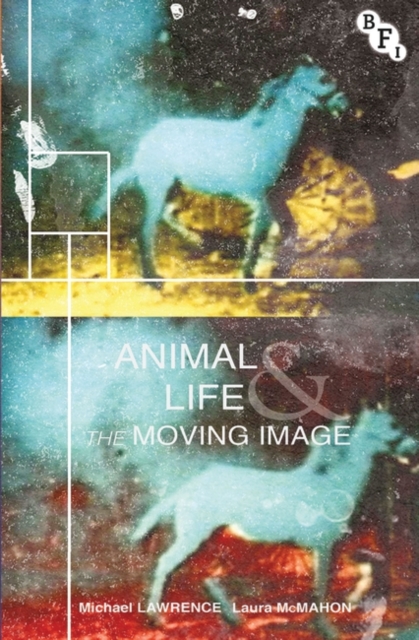
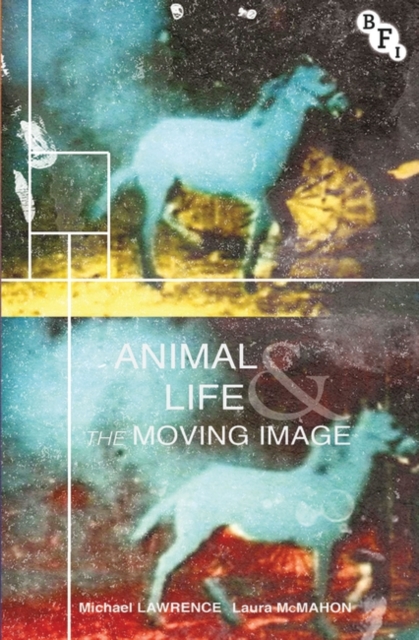
From the proto-cinematic sequencing of animal motion in the nineteenth century to the ubiquity of animal videos online, the histories of animal life and the moving image are enigmatically interlocked.
From the proto-cinematic sequencing of animal motion in the nineteenth century to the ubiquity of animal videos online, the histories of animal life and the moving image are enigmatically interlocked.
This comprehensive history of Japanese animation draws on Japanese primary sources and testimony from industry professionals to explore the production and reception of anime, from its origins in Japanese cartoons of the 1920s and 30s to the international successes of companies such as Studio Ghibli and Nintendo, films such as Spirited Away and video game characters such as Pok mon.
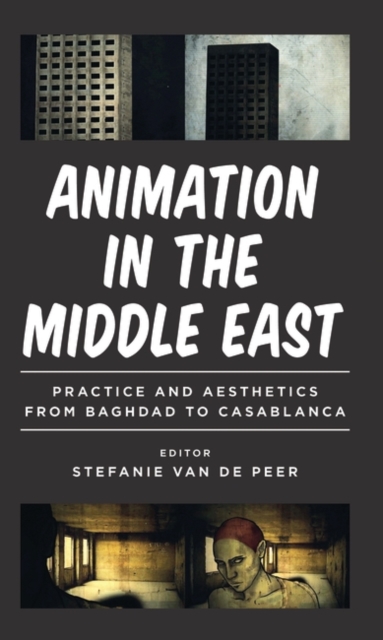
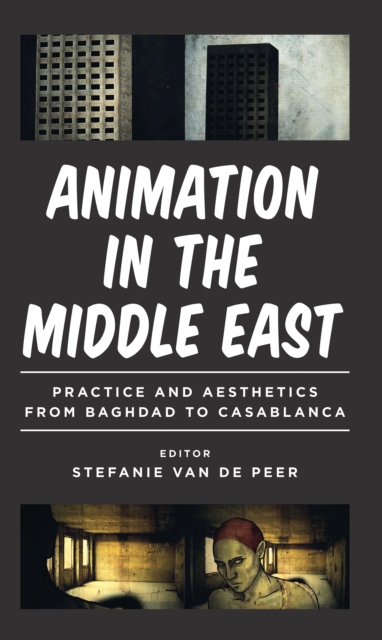
The internationally acclaimed films Persepolis and Waltz with Bashir only hinted at the vibrant animation culture that exists within the Middle East and North Africa.
The internationally acclaimed films Persepolis and Waltz with Bashir only hinted at the vibrant animation culture that exists within the Middle East and North Africa.