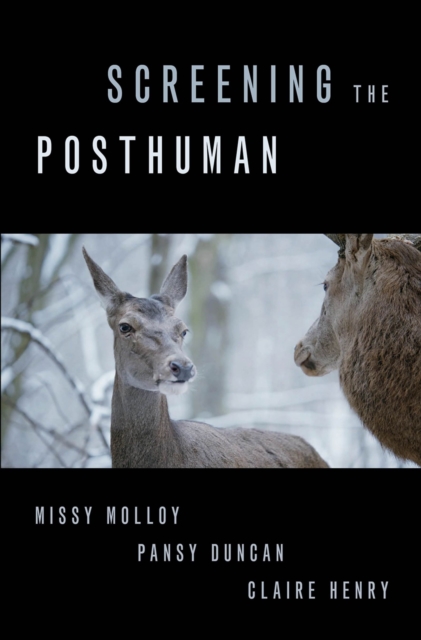
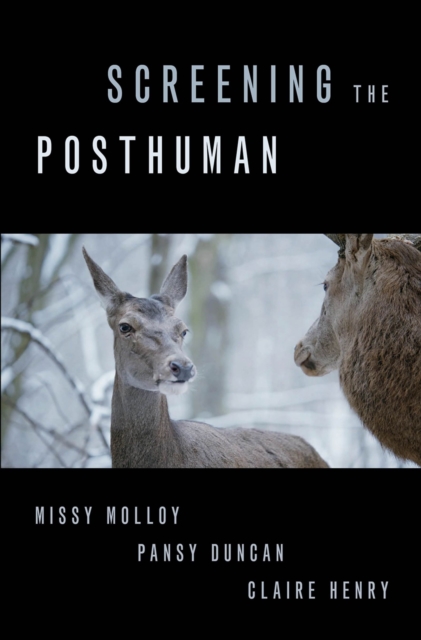
From AI to climate change, recent technological, ecological, and cultural transformations have unsettled established assumptions about the relationship between the human and the more-than-human world.
From AI to climate change, recent technological, ecological, and cultural transformations have unsettled established assumptions about the relationship between the human and the more-than-human world.
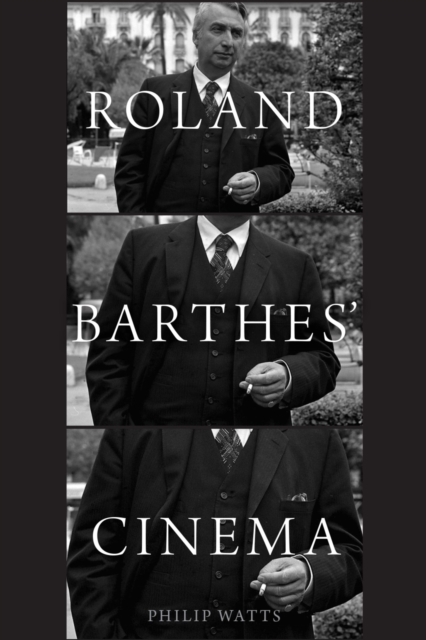
The most famous name in French literary circles from the late 1950s till his death in 1981, Roland Barthes maintained a contradictory rapport with the cinema.
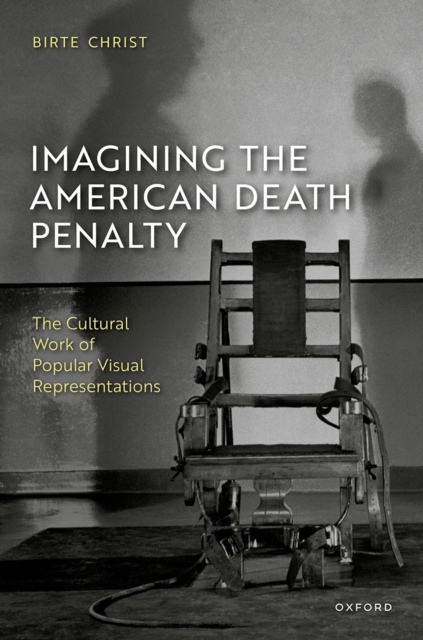
Imagining the American Death Penalty traces the US American cultural imaginary of capital punishment through popular visual representations from the 1890s to the twenty-first century.
Imagining the American Death Penalty traces the US American cultural imaginary of capital punishment through popular visual representations from the 1890s to the twenty-first century.
Hailed as a leading innovator of visual montage, unique storytelling style, and ground-breaking cinematography, Jean-Luc Godard is a prominent pioneer in sculpting complex soundtracks altering the familiar relationship between sound and image, but his achievements in sound have been largely overlooked.
Hailed as a leading innovator of visual montage, unique storytelling style, and ground-breaking cinematography, Jean-Luc Godard is a prominent pioneer in sculpting complex soundtracks altering the familiar relationship between sound and image, but his achievements in sound have been largely overlooked.
Beckett on Film is a twenty-first century collection of original and extended interviews with internationally renowned actors and directors who created the Beckett on Film (2001) project.
Beckett on Film is a twenty-first century collection of original and extended interviews with internationally renowned actors and directors who created the Beckett on Film (2001) project.
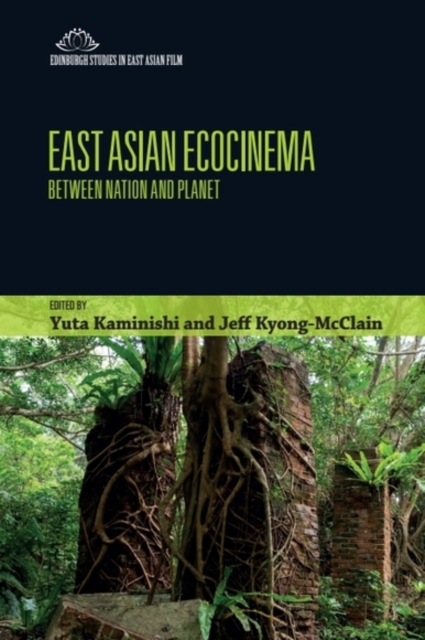
Shedding light on the regional scale between the national cinema framework and the planetary perspective, East Asian Ecocinema: Between Nation and Planet argues for the importance of East Asia as a critical space for cinematic ecocriticism.
If you have a love for horror movies--for turning off the lights and curling up on the sofa with a bowl of popcorn and a cozy blanket and something frightening on the TV--then you'll want to read "e;October Horror"e;.
Shedding light on the regional scale between the national cinema framework and the planetary perspective, East Asian Ecocinema: Between Nation and Planet argues for the importance of East Asia as a critical space for cinematic ecocriticism.
In Identity, Place, and Subversion in Contemporary Mizrahi Cinema in Israel, Yaron Shemer presents the most comprehensive and systematic study to date of Mizrahi (Oriental-Jewish or Arab-Jewish) films produced in Israel in the last several decades.
In Identity, Place, and Subversion in Contemporary Mizrahi Cinema in Israel, Yaron Shemer presents the most comprehensive and systematic study to date of Mizrahi (Oriental-Jewish or Arab-Jewish) films produced in Israel in the last several decades.
The concept of North American borderlands in the cultural imagination fluctuated greatly during the Progressive Era as it was affected by similarly changing concepts of identity and geopolitical issues influenced by the Mexican Revolution and the First World War.
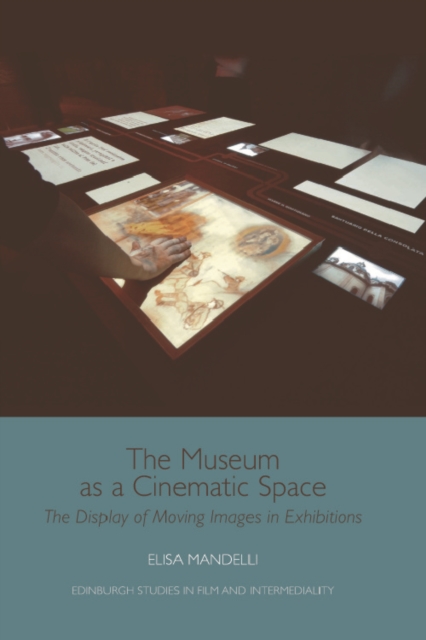
Moving images have become an increasingly common feature in a wide range of museums, which are frequently populated with screens and audio-visual projections.
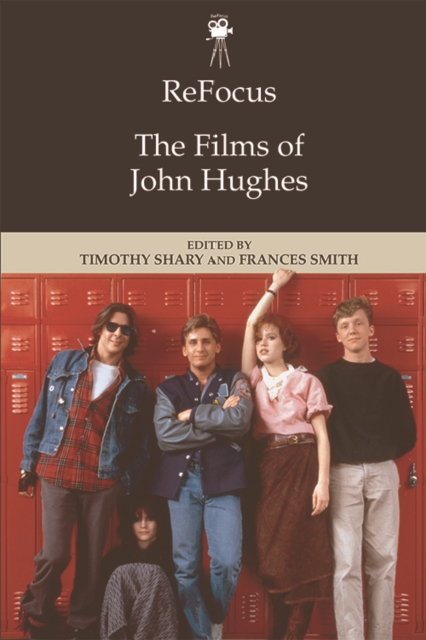
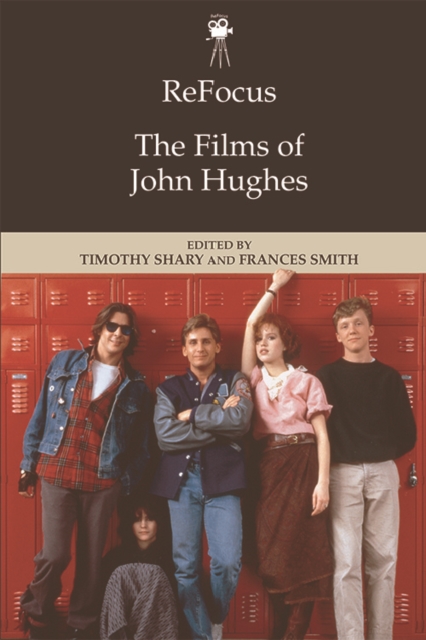
The films of John Hughes (1950-2009) have enjoyed popular and critical success alike, from his first scripts in the early 1980s through to his celebrated work later in the decade and into the 1990s.
The films of John Hughes (1950-2009) have enjoyed popular and critical success alike, from his first scripts in the early 1980s through to his celebrated work later in the decade and into the 1990s.
Rethinking the Hollywood Teen Movie is the first academic monograph to consider the aesthetic and narrative potential of this highly popular, yet often overlooked, film genre.
Rethinking the Hollywood Teen Movie is the first academic monograph to consider the aesthetic and narrative potential of this highly popular, yet often overlooked, film genre.
Moving images have become an increasingly common feature in a wide range of museums, which are frequently populated with screens and audio-visual projections.
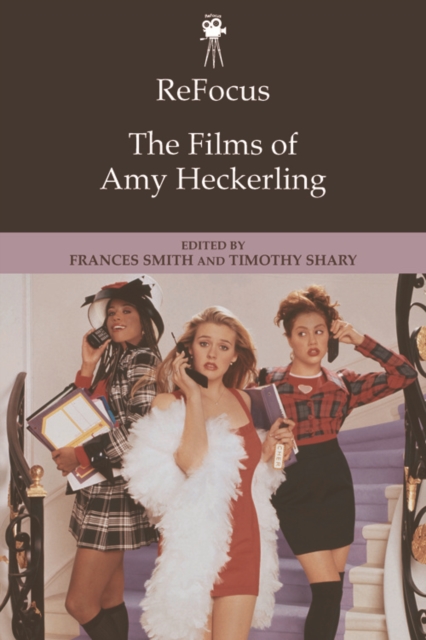
Refocus: The Films of Amy Heckerling is the first book-length study of the work of Amy Heckerling, the phenomenally popular director and screenwriter of Clueless and Fast Times at Ridgemont High.
Refocus: The Films of Amy Heckerling is the first book-length study of the work of Amy Heckerling, the phenomenally popular director and screenwriter of Clueless and Fast Times at Ridgemont High.
This volume brings together contributions arising from papers originally presented at the Contemporary Austrian Literature, Film and Culture International Conference held at the University of Nottingham in April 2015.
This volume brings together contributions arising from papers originally presented at the Contemporary Austrian Literature, Film and Culture International Conference held at the University of Nottingham in April 2015.