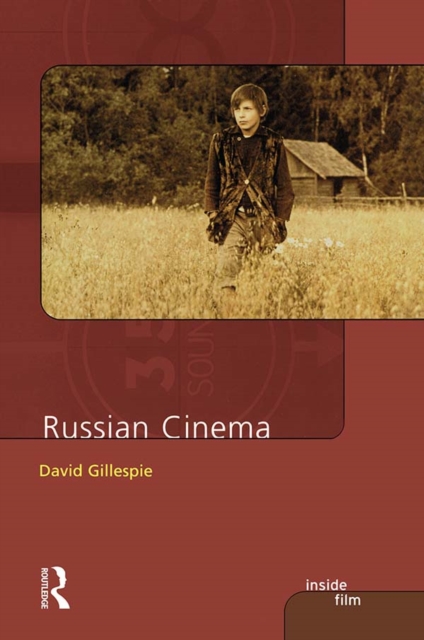
Russian Cinema provides a lively and informative exploration of the film genres that developed during Russia's tumultuous history, with discussion of the work of Eisenstein, Pudovkin, Mikhalkov, Paradzhanov, Sokurov and others.
With the success of Martin Scorsese's Hugo (2011) and Michel Hazanavicius's The Artist (2011) nothing seems more contemporary in recent film than the styles, forms, and histories of early and silent cinemas.
With the success of Martin Scorsese's Hugo (2011) and Michel Hazanavicius's The Artist (2011) nothing seems more contemporary in recent film than the styles, forms, and histories of early and silent cinemas.
While Jesus has attracted the sporadic interest of film-makers since the epics of the Sixties, it is often forgotten that between the advent of motion pictures in the 1890s and the close of the "e;silent"e; era at the end of the 1920s, some of the longest, most expensive and most watched films on both sides of the Atlantic were focused on the Life and Passion of the Christ.
While Jesus has attracted the sporadic interest of film-makers since the epics of the Sixties, it is often forgotten that between the advent of motion pictures in the 1890s and the close of the "e;silent"e; era at the end of the 1920s, some of the longest, most expensive and most watched films on both sides of the Atlantic were focused on the Life and Passion of the Christ.
The experience of watching films - entertaining, moving, instructive, frightening or exciting as they may be - can be enriched by the opportunity to reflect upon them from unconventional perspectives.
The experience of watching films - entertaining, moving, instructive, frightening or exciting as they may be - can be enriched by the opportunity to reflect upon them from unconventional perspectives.
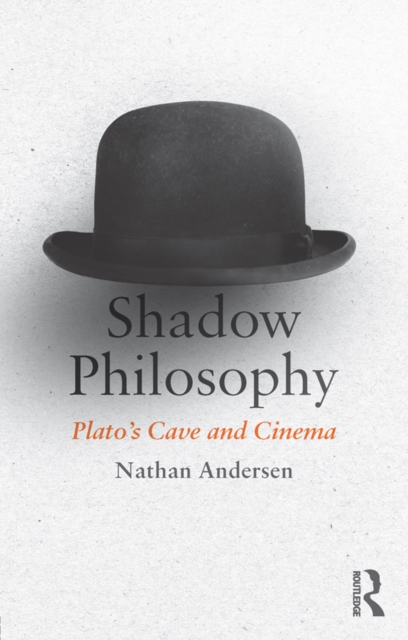
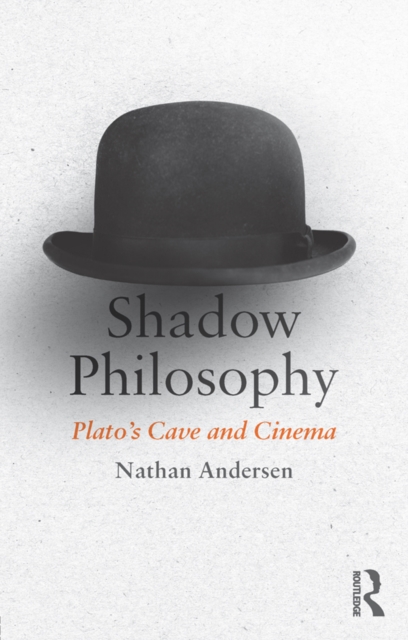
Shadow Philosophy: Plato's Cave and Cinema is an accessible and exciting new contribution to film-philosophy, which shows that to take film seriously is also to engage with the fundamental questions of philosophy.
Shadow Philosophy: Plato's Cave and Cinema is an accessible and exciting new contribution to film-philosophy, which shows that to take film seriously is also to engage with the fundamental questions of philosophy.
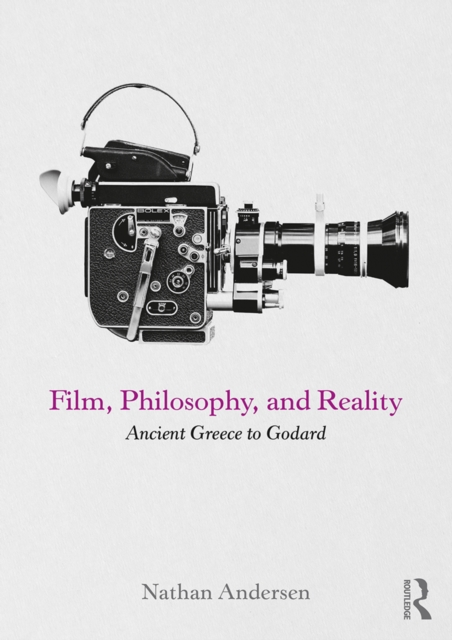
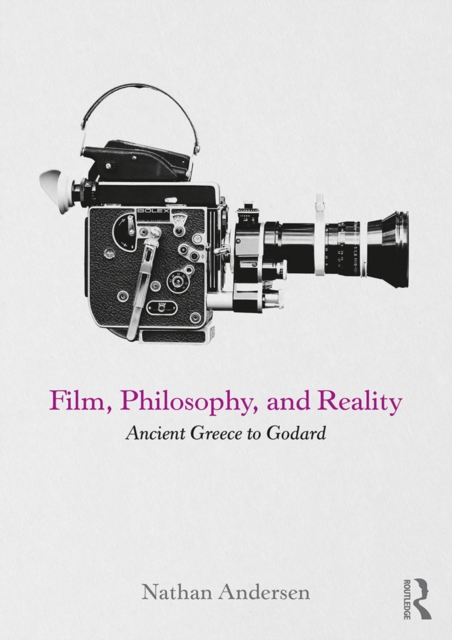
Film, Philosophy, and Reality: Ancient Greece to Godard is an original contribution to film-philosophy that shows how thinking about movies can lead us into a richer appreciation and understanding of both reality and the nature of human experience.
Film, Philosophy, and Reality: Ancient Greece to Godard is an original contribution to film-philosophy that shows how thinking about movies can lead us into a richer appreciation and understanding of both reality and the nature of human experience.
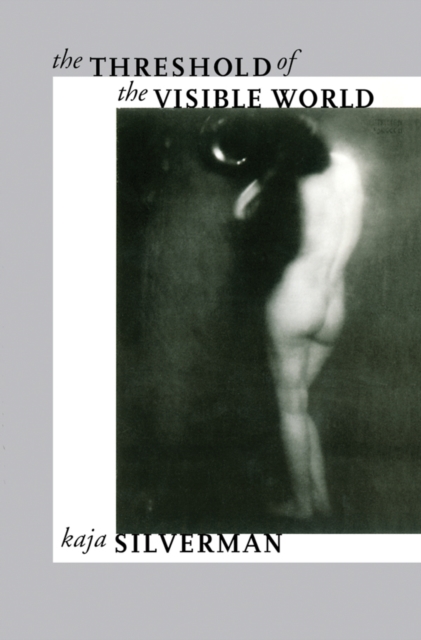
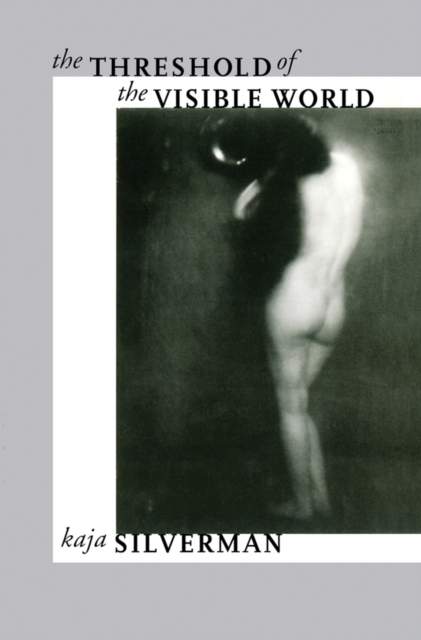
In The Threshold of the Visible World Kaja Silverman advances a revolutionary new political aesthetic, exploring the possibilities for looking beyond the restrictive mandates of the self, and the normative aspects of the cultural image-repertoire.
Using an interdisciplinary approach combining film, semiotics, social-anthropology and history, this book examines food sciences in selected films to reveal food's power to direct and impose values and beliefs, to understand how dining venues may become sites of social contests and to reveal how food communicated values and beliefs to individuals, to micro communities and to American Society.
Using an interdisciplinary approach combining film, semiotics, social-anthropology and history, this book examines food sciences in selected films to reveal food's power to direct and impose values and beliefs, to understand how dining venues may become sites of social contests and to reveal how food communicated values and beliefs to individuals, to micro communities and to American Society.
In The Threshold of the Visible World Kaja Silverman advances a revolutionary new political aesthetic, exploring the possibilities for looking beyond the restrictive mandates of the self, and the normative aspects of the cultural image-repertoire.
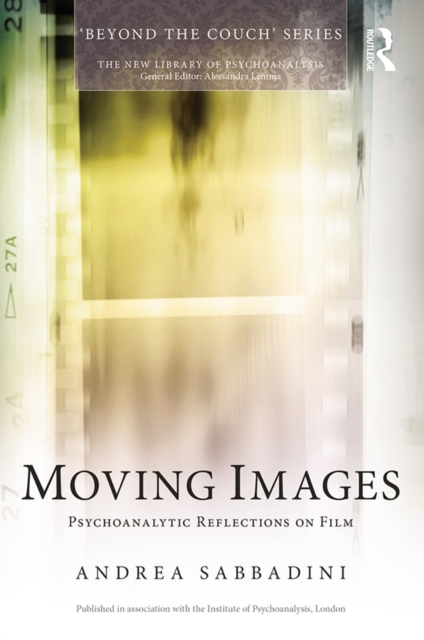
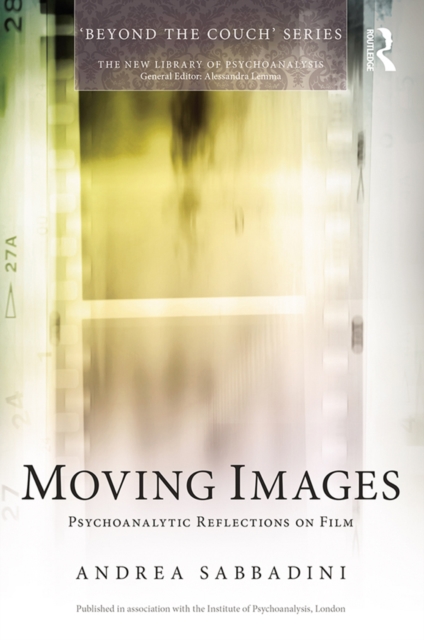
During the third year of his famous seminar, Jacques Lacan gives a concise definition of psychoanalysis: 'Psychoanalysis should be the science of language inhabited by the subject.
During the third year of his famous seminar, Jacques Lacan gives a concise definition of psychoanalysis: 'Psychoanalysis should be the science of language inhabited by the subject.
This book brings together various theoretical approaches to Horror that have received consistent academic attention since the 1990s - abjection, disgust, cognition, phenomenology, pain studies - to make a significant contribution to the study of fictional moving images of mutilation and the ways in which human bodies are affected by those on the screen on three levels: representationally, emotionally and somatically.
This book brings together various theoretical approaches to Horror that have received consistent academic attention since the 1990s - abjection, disgust, cognition, phenomenology, pain studies - to make a significant contribution to the study of fictional moving images of mutilation and the ways in which human bodies are affected by those on the screen on three levels: representationally, emotionally and somatically.
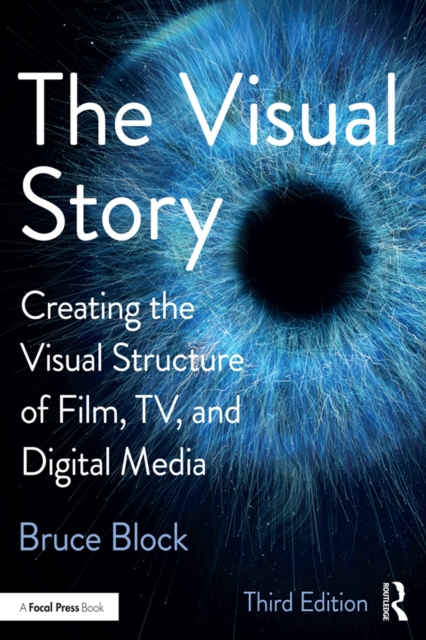
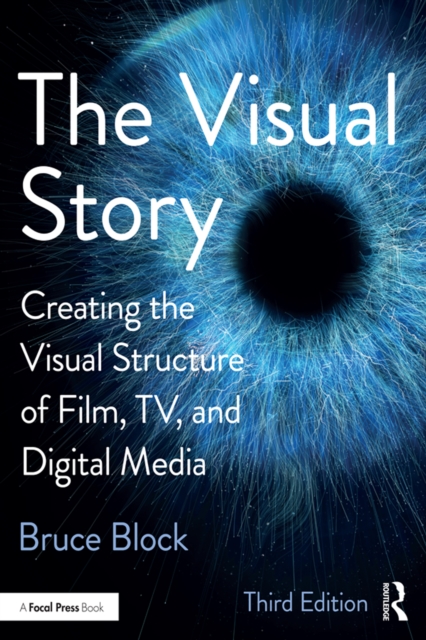
This updated edition of a best-selling classic shows you how to structure your visuals as carefully as a writer structures a story or composers structure their music.
This updated edition of a best-selling classic shows you how to structure your visuals as carefully as a writer structures a story or composers structure their music.
Just as we generally pay scant attention to the potential dangers of nuclear power and nuclear war, until quite recently, scholars have made limited critical attempts to understand the cultural manifestations of the nuclear status quo.
Just as we generally pay scant attention to the potential dangers of nuclear power and nuclear war, until quite recently, scholars have made limited critical attempts to understand the cultural manifestations of the nuclear status quo.
Joan of Arc has long piqued the historical imagination, for it seems impossible that a peasant-maid couldhave led the French army, crowned her king, and then been burned as a heretic, only later to be found a saint.
Joan of Arc has long piqued the historical imagination, for it seems impossible that a peasant-maid couldhave led the French army, crowned her king, and then been burned as a heretic, only later to be found a saint.
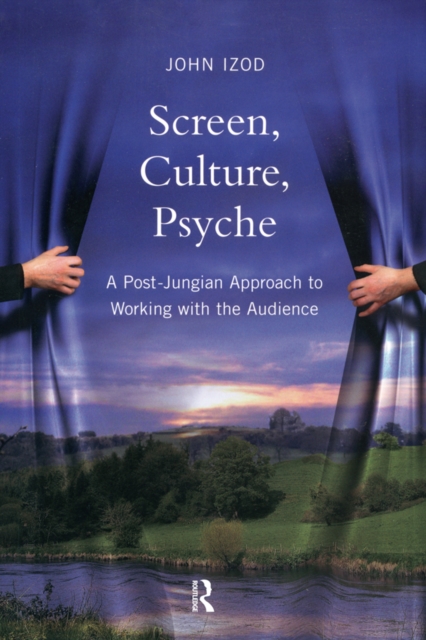
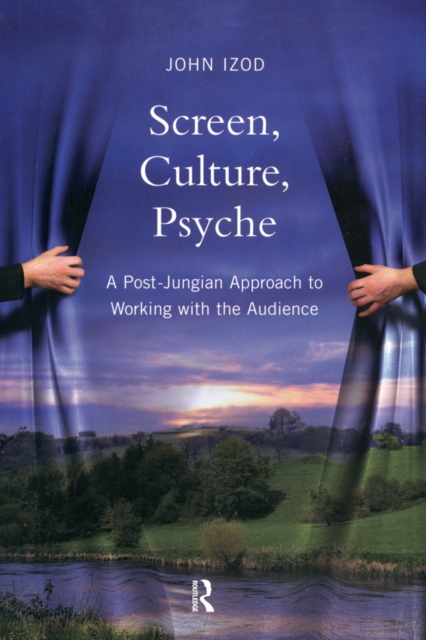
Screen, Culture, Psyche illuminates recent developments in Jungian modes of media analysis, and illustrates how psychoanalytic theories have been adapted to allow for the interpretation of films and television programmes, employing Post-Jungian methods in the deep reading of a whole range of films.
Screen, Culture, Psyche illuminates recent developments in Jungian modes of media analysis, and illustrates how psychoanalytic theories have been adapted to allow for the interpretation of films and television programmes, employing Post-Jungian methods in the deep reading of a whole range of films.
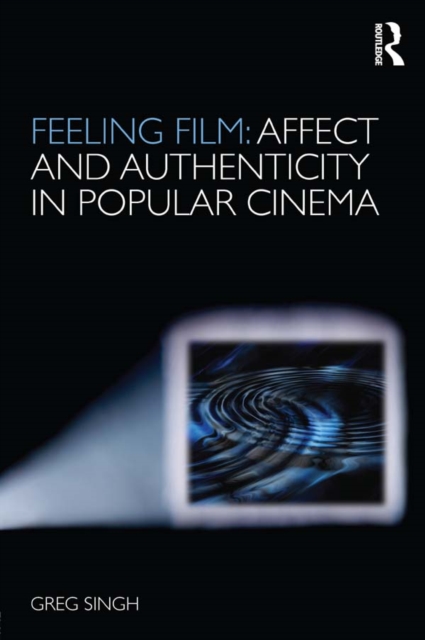
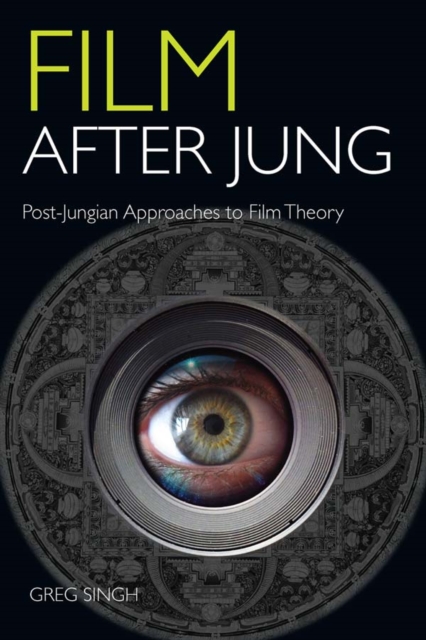
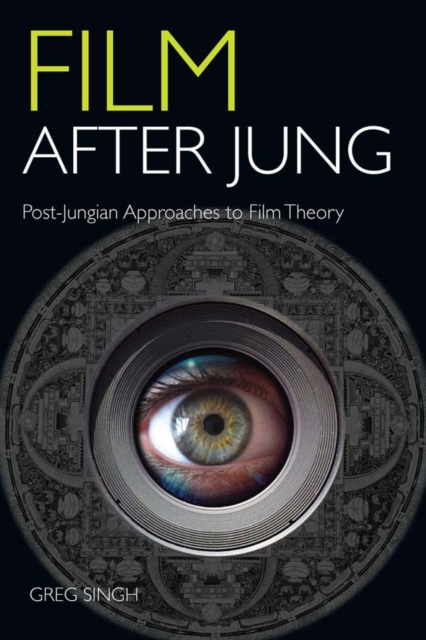
Popular film as a medium of communication, expression and storytelling has proved one of the most durable and fascinating cultural forms to emerge during the twentieth century, and has long been the object of debate, discussion and interpretation.
Popular film as a medium of communication, expression and storytelling has proved one of the most durable and fascinating cultural forms to emerge during the twentieth century, and has long been the object of debate, discussion and interpretation.