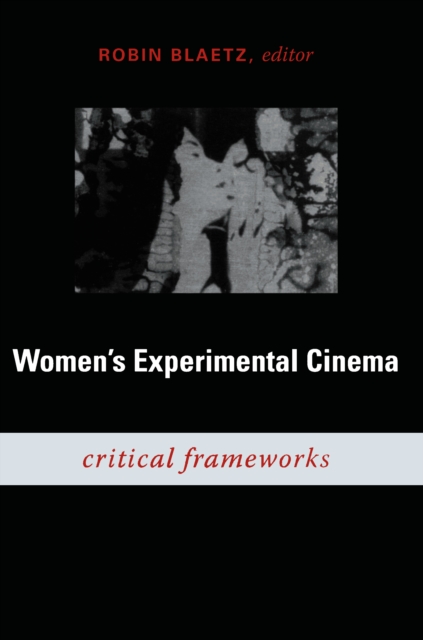
Women's Experimental Cinema provides lively introductions to the work of fifteen avant-garde women filmmakers, some of whom worked as early as the 1950s and many of whom are still working today.
In this powerful cultural critique, Ariel Dorfman explores the political and social implications of the smiling faces that inhabit familiar books, comics, and magazines.
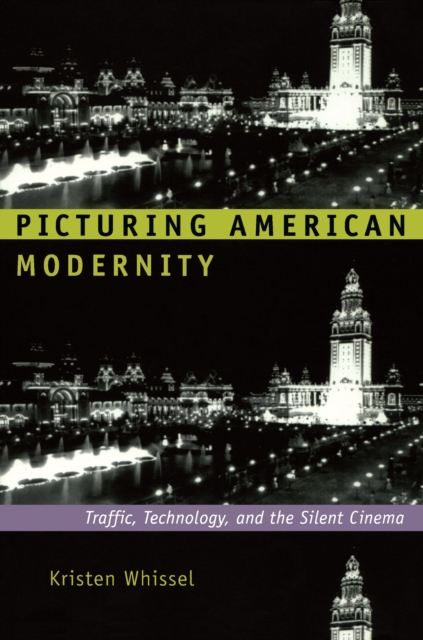
In Picturing American Modernity, Kristen Whissel investigates the relationship between early American cinema and the experience of technological modernity.
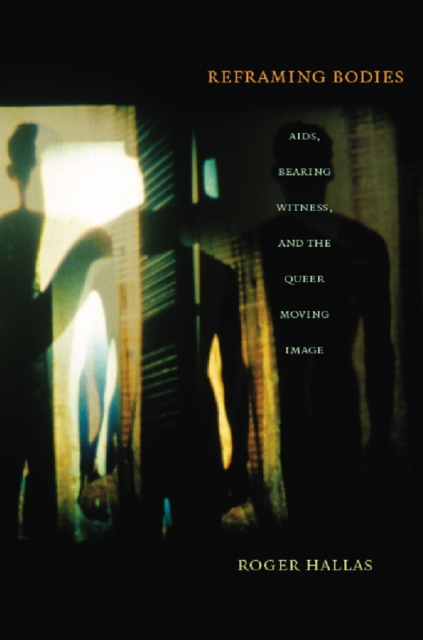
In Reframing Bodies, Roger Hallas illuminates the capacities of film and video to bear witness to the cultural, political, and psychological imperatives of the AIDS crisis.
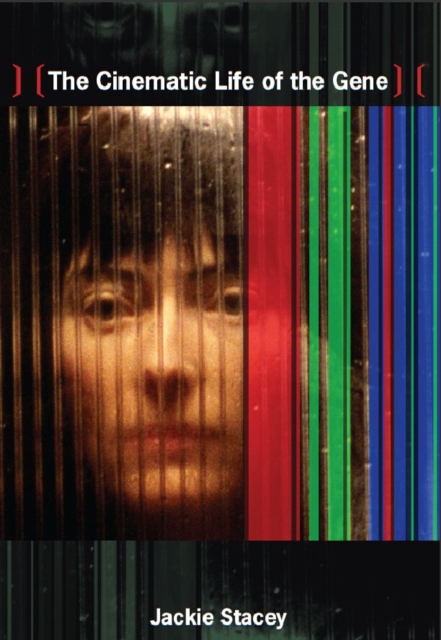
What might the cinema tell us about how and why the prospect of cloning disturbs our most profound ideas about gender, sexuality, difference, and the body?
This timely collection brings feminist critique to bear on contemporary postfeminist mass media culture, analyzing phenomena ranging from action films featuring violent heroines to the "e;girling"e; of aging women in productions such as the movie Something's Gotta Give and the British television series 10 Years Younger.
Kara Keeling contends that cinema and cinematic processes had a profound significance for twentieth-century anticapitalist Black Liberation movements based in the United States.
Since the early 1990s, while mainland China's state-owned movie studios have struggled with financial and ideological constraints, an exciting alternative cinema has developed.
In The Hypersexuality of Race, Celine Parrenas Shimizu urges a shift in thinking about sexualized depictions of Asian/American women in film, video, and theatrical productions.
While the actor Sessue Hayakawa (1886-1973) is perhaps best known today for his Oscar-nominated turn as a Japanese military officer in The Bridge on the River Kwai (1957), in the early twentieth century he was an internationally renowned silent film star, as recognizable as Charlie Chaplin or Douglas Fairbanks.
Why were theories of affect, intersubjectivity, and object relations bypassed in favor of a Lacanian linguistically oriented psychoanalysis in feminist film theory in the 1980s and 1990s?
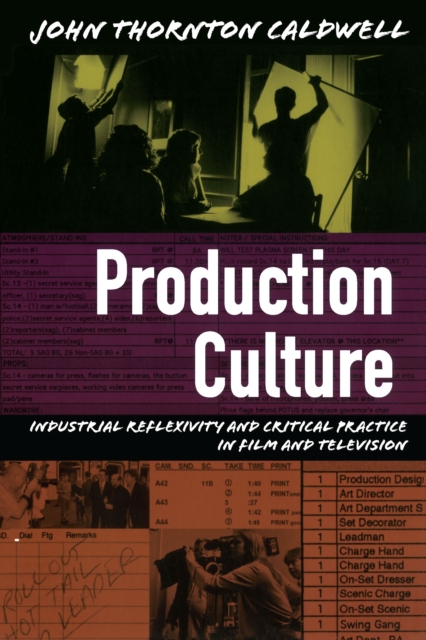
In Production Culture, John Thornton Caldwell investigates the cultural practices and belief systems of Los Angeles-based film and video production workers: not only those in prestigious positions such as producers and directors but also many "e;below-the-line"e; laborers, including gaffers, editors, and camera operators.
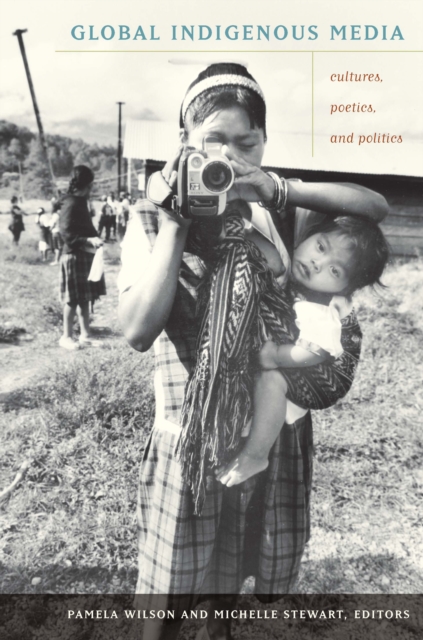
In this exciting interdisciplinary collection, scholars, activists, and media producers explore the emergence of Indigenous media: forms of media expression conceptualized, produced, and created by Indigenous peoples around the globe.
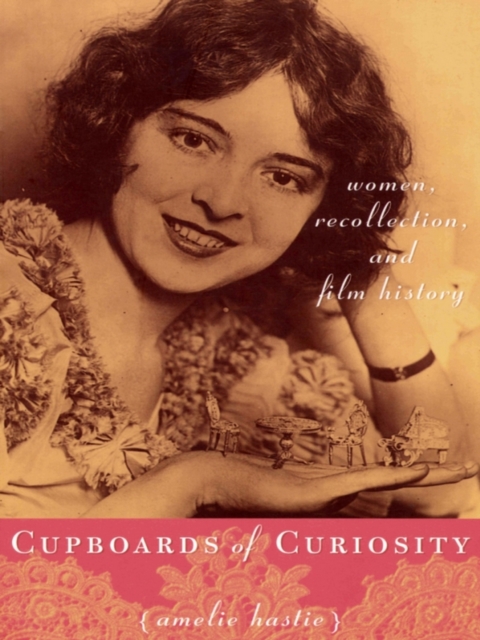
In Cupboards of Curiosity Amelie Hastie rethinks female authorship within film history by expanding the historical archive to include dollhouses, scrapbooks, memoirs, cookbooks, and ephemera.
In this innovative analysis of the interconnections between nation and aesthetics in the United States during the late nineteenth century and the early twentieth, David A.
A timely contribution to the fields of film history, visual cultures, and globalization studies, Cinematic Prophylaxis provides essential historical information about how the representation of biological contagion has affected understandings of the origins and vectors of disease.
Holden Caulfield, the beat writers, Elvis Presley, Chuck Berry, and James Dean-these and other avatars of youthful rebellion were much more than entertainment.
Novelist, television personality, political candidate, and maverick social commentator, Gore Vidal is one of the most innovative, influential, and enduring American intellectuals of the past fifty years.
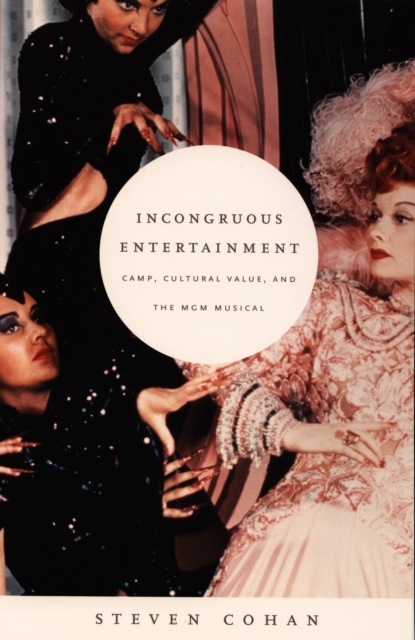
With their lavish costumes and sets, ebullient song and dance numbers, and iconic movie stars, the musicals that mgm produced in the 1940s seem today to epitomize camp.
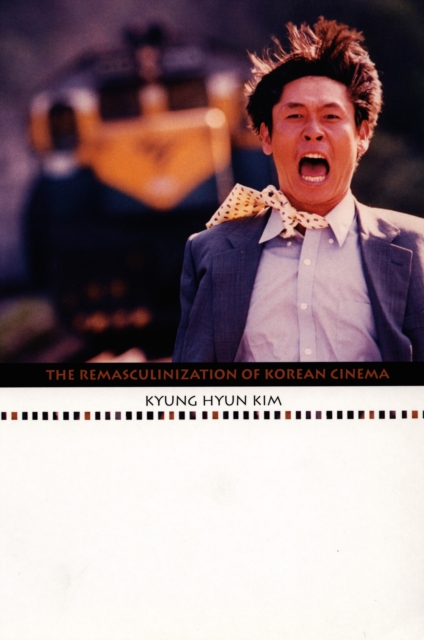
In one of the first English-language studies of Korean cinema to date, Kyung Hyun Kim shows how the New Korean Cinema of the past quarter century has used the trope of masculinity to mirror the profound sociopolitical changes in the country.
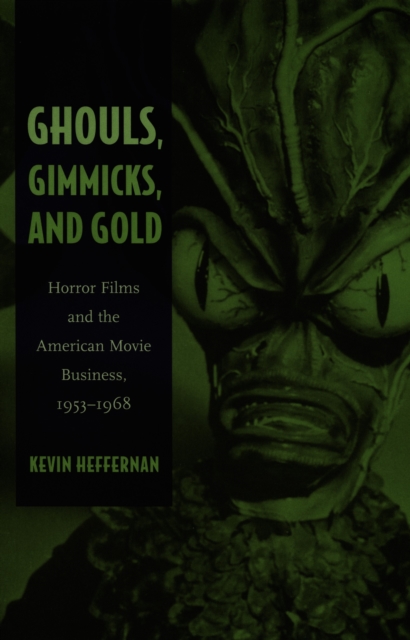
The Creature from the Black Lagoon, the Tingler, the Mole People-they stalked and oozed into audiences' minds during the era that followed Boris Karloff's Frankenstein and preceded terrors like Freddy Krueger (A Nightmare on Elm Street) and Chucky (Child's Play).
With hair slicked back and shirt collar framing her young patrician face, Katherine Hepburn's image in the 1935 film Sylvia Scarlett was seen by many as a lesbian representation.
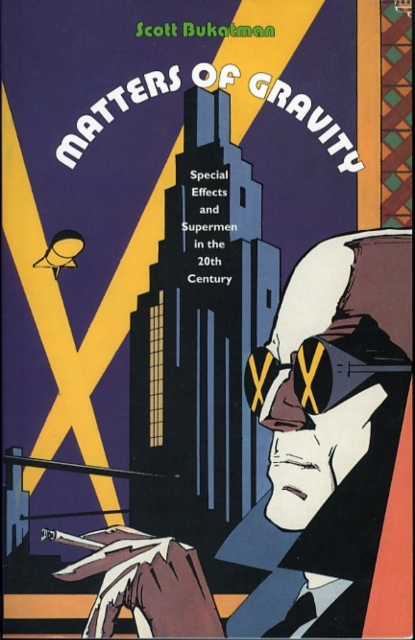
The headlong rush, the rapid montage, the soaring superhero, the plunging roller coaster-Matters of Gravity focuses on the experience of technological spectacle in American popular culture over the past century.
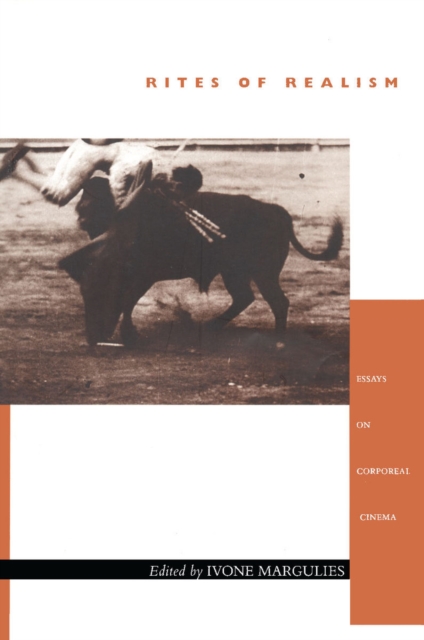
Rites of Realism shifts the discussion of cinematic realism away from the usual focus on verisimilitude and faithfulness of record toward a notion of "e;performative realism,"e; a realism that does not simply represent a given reality but enacts actual social tensions.
The Flash of Capital analyzes the links between Japan's capitalist history and its film history, illuminating what these connections reveal about film culture and everyday life in Japan.
Black Venus is a feminist study of the representations of black women in the literary, cultural, and scientific imagination of nineteenth-century France.
Memories that evoke the physical awareness of touch, smell, and bodily presence can be vital links to home for people living in diaspora from their culture of origin.