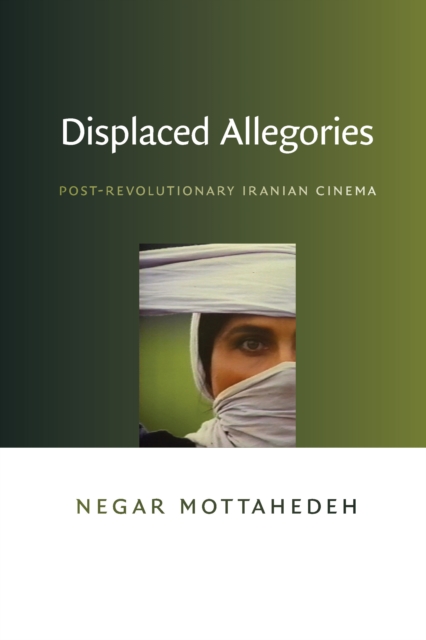
Following the 1979 Iranian Revolution, Iran's film industry, in conforming to the Islamic Republic's system of modesty, had to ensure that women on-screen were veiled from the view of men.
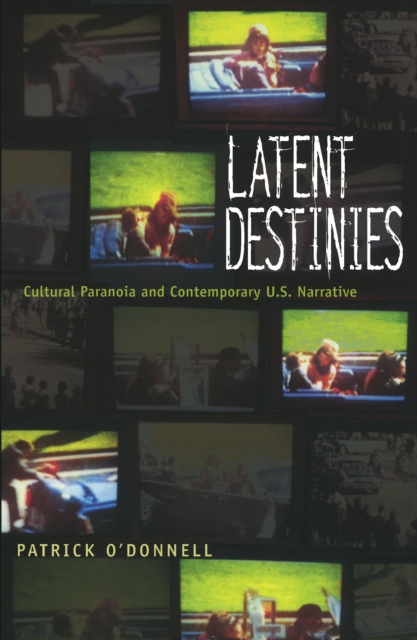
Latent Destinies examines the formation of postmodern sensibilities and their relationship to varieties of paranoia that have been seen as widespread in this century.
In Empty Moments, Leo Charney describes the defining quality of modernity as "e;drift"e;-the experience of being unable to locate a stable sense of the present.
During the 1960s and early 1970s, Japanese avant-garde filmmakers intensely explored the shifting role of the image in political activism and media events.
In The Battle of the Sexes in French Cinema, 1930-1956, Noel Burch and Genevieve Sellier adopt a sociocultural approach to films made in France before, during, and after World War II, paying particular attention to the Occupation years (1940-44).
Animating Film Theory provides an enriched understanding of the relationship between two of the most unwieldy and unstable organizing concepts in cinema and media studies: animation and film theory.
In the 1920s, as American films came to dominate Mexico's cinemas, many of its cultural and political elites feared that this "e;Yanqui invasion"e; would turn Mexico into a cultural vassal of the United States.
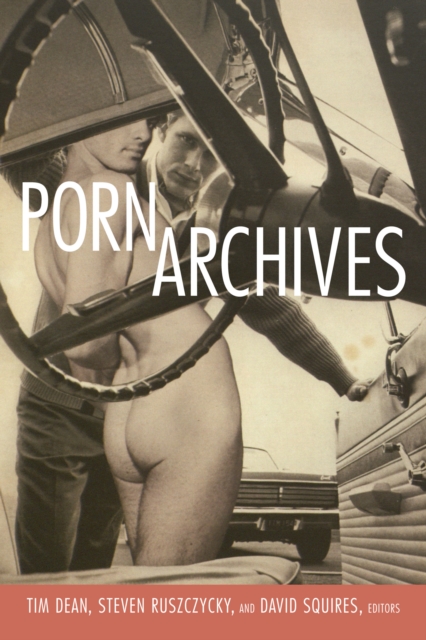
While sexually explicit writing and art have been around for millennia, pornography-as an aesthetic, moral, and juridical category-is a modern invention.
In Women's Cinema, World Cinema, Patricia White explores the dynamic intersection of feminism and film in the twenty-first century by highlighting the work of a new generation of women directors from around the world: Samira and Hana Makhmalbaf, Nadine Labaki, Zero Chou, Jasmila Zbanic, and Claudia Llosa, among others.
In Virtual Memory, Homay King traces the concept of the virtual through the philosophical works of Henri Bergson, Gilles Deleuze, and Giorgio Agamben to offer a new framework for thinking about film, video, and time-based contemporary art.
First published in French in 1998, revised in 2010, and appearing here in English for the first time, Michel Chion's Sound addresses the philosophical, interpretive, and practical questions that inform our encounters with sound.
In Tourist Distractions Youngmin Choe uses hallyu (Korean-wave) cinema as a lens to examine the relationships among tourism and travel, economics, politics, and history in contemporary East Asia.
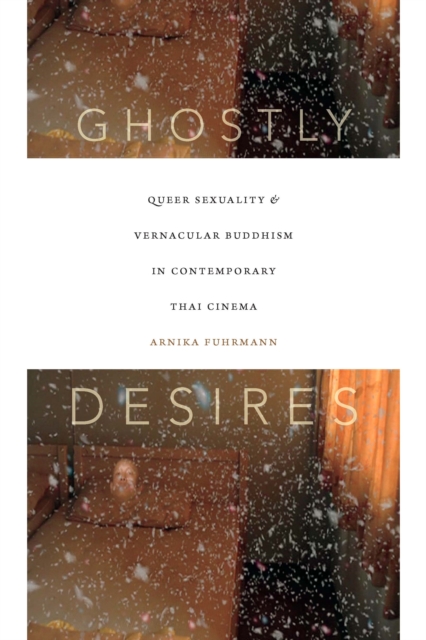
Through an examination of post-1997 Thai cinema and video art Arnika Fuhrmann shows how vernacular Buddhist tenets, stories, and images combine with sexual politics in figuring current struggles over notions of personhood, sexuality, and collective life.
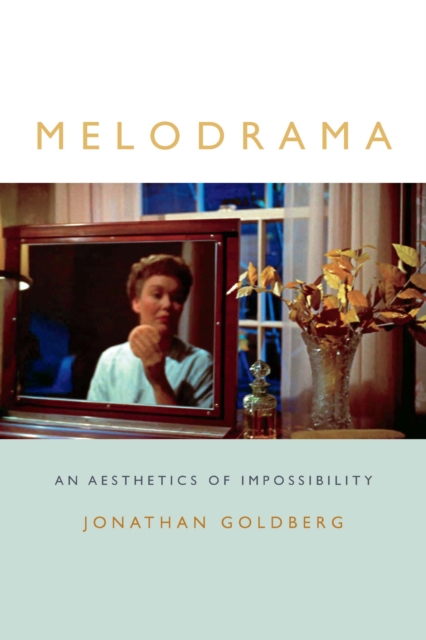
Offering a new queer theorization of melodrama, Jonathan Goldberg explores the ways melodramatic film and literature provide an aesthetics of impossibility.
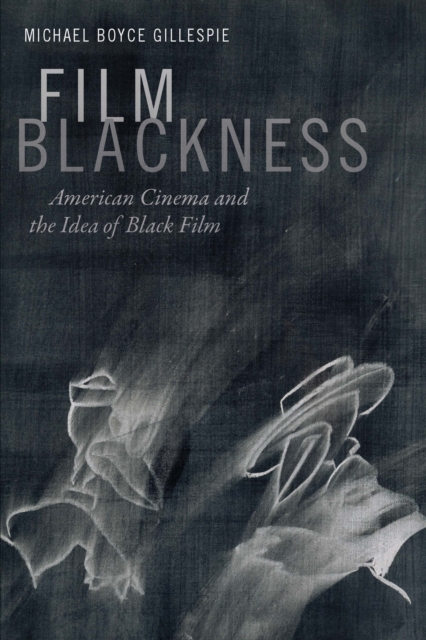
In Film Blackness Michael Boyce Gillespie shifts the ways we think about black film, treating it not as a category, a genre, or strictly a representation of the black experience but as a visual negotiation between film as art and the discursivity of race.
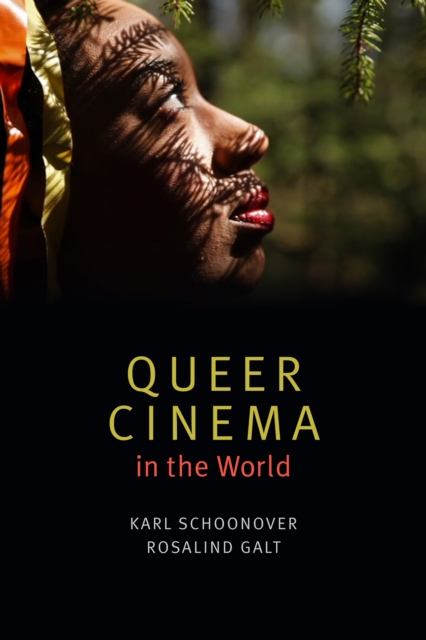
Proposing a radical vision of cinema's queer globalism, Karl Schoonover and Rosalind Galt explore how queer filmmaking intersects with international sexual cultures, geopolitics, and aesthetics to disrupt dominant modes of world making.
Providing an overview of Japanese media theory from the 1910s to the present, this volume introduces English-language readers to Japan's rich body of theoretical and conceptual work on media for the first time.
Endangered life is often used to justify humanitarian media intervention, but what if suffering humanity is both the fuel and outcome of such media representations?
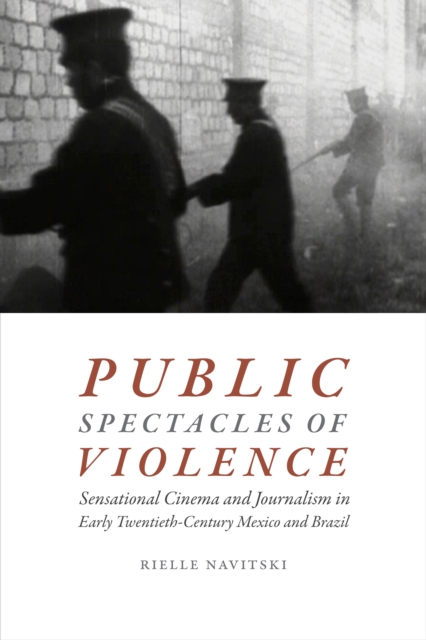
In Public Spectacles of Violence Rielle Navitski examines the proliferation of cinematic and photographic images of criminality, bodily injury, and technological catastrophe in early twentieth-century Mexico and Brazil, which were among Latin America's most industrialized nations and later developed two of the region's largest film industries.
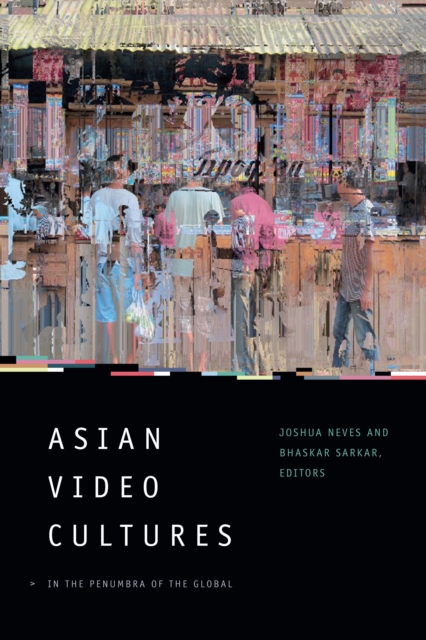
The contributors to this volume theorize Asian video cultures in the context of social movements, market economies, and local popular cultures to complicate notions of the Asian experience of global media.
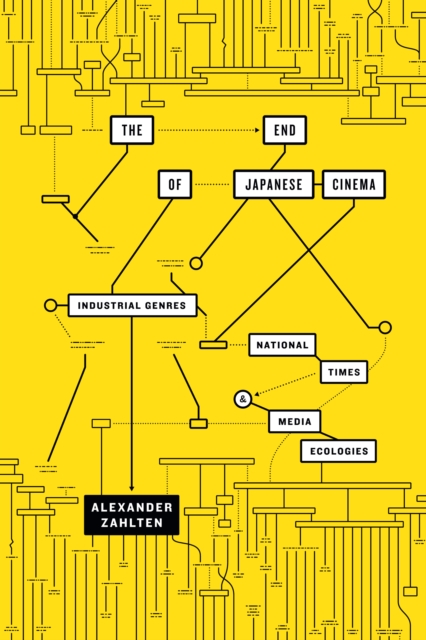
In The End of Japanese Cinema Alexander Zahlten moves film theory beyond the confines of film itself, attending to the emergence of new kinds of aesthetics, politics, temporalities, and understandings of film and media.
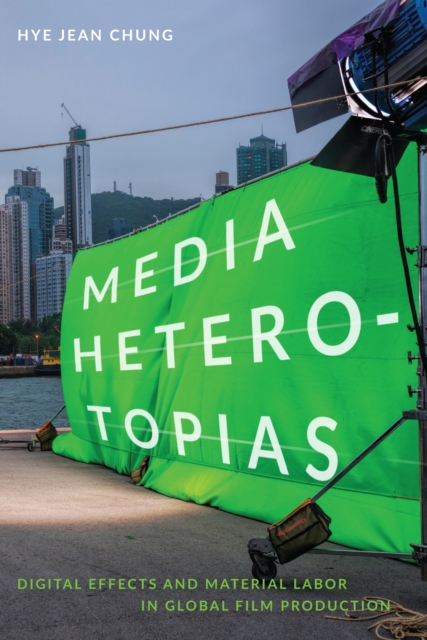
In Media Heterotopias Hye Jean Chung challenges the widespread tendency among audiences and critics to disregard the material conditions of digital film production.
In Archiveology Catherine Russell uses the work of Walter Benjamin to explore how the practice of archiveology-the reuse, recycling, appropriation, and borrowing of archival sounds and images by filmmakers-provides ways to imagine the past and the future.
From experimental shorts and web series to Hollywood blockbusters and feminist porn, the work of African American lesbian filmmakers has made a powerful contribution to film history.
A collection of wide-ranging critical essays that examine how the judicial system is represented on screen Historically, the emergence of the trial film genre coincided with the development of motion pictures.