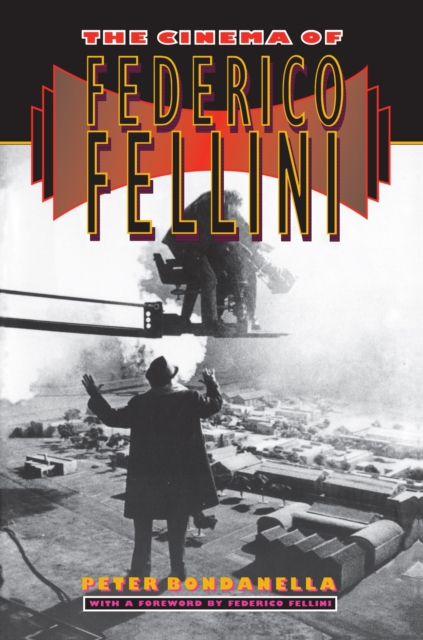
This major artistic biography of Federico Fellini shows how his exuberant imagination has been shaped by popular culture, literature, and his encounter with the ideas of C.
A book that challenges everything you thought you knew about the online economyThe internet was supposed to fragment audiences and make media monopolies impossible.
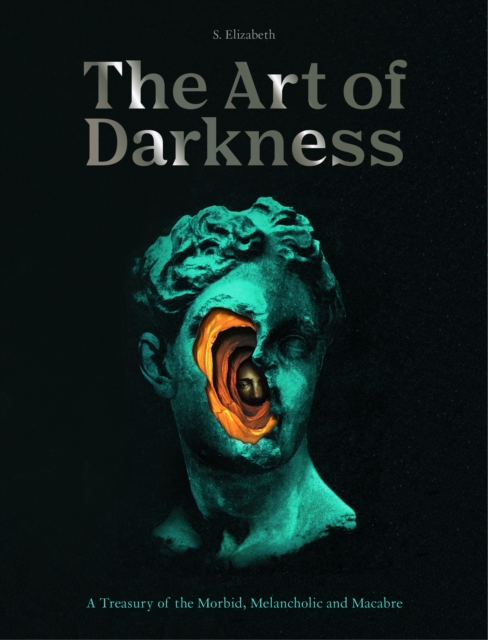
The Art of Darkness is a visually rich sourcebook featuring eclectic artworks thathave been inspired and informed by the morbid, melancholic and macabre.
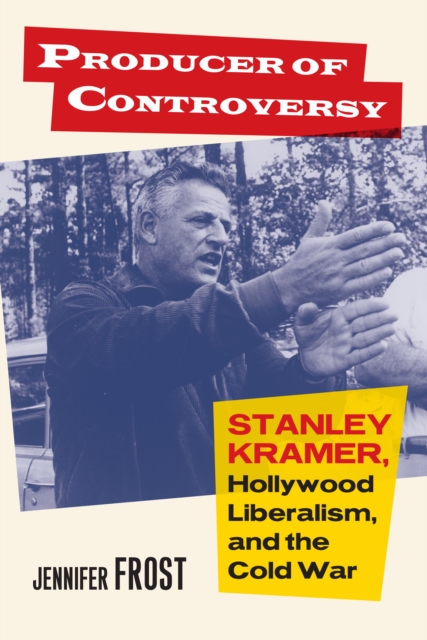
With films ranging from High Noon to Guess Whos Coming to Dinner, Stanley Kramer (19132001) was one of the most successful and prolific director-producers of his day.
If the sheer diversity of recent hits from Twelve Years a Slave and Moonlight to Get Out, Black Panther, and BlackkKlansman tells us anything, it might be that theres no such thing as black film per se.
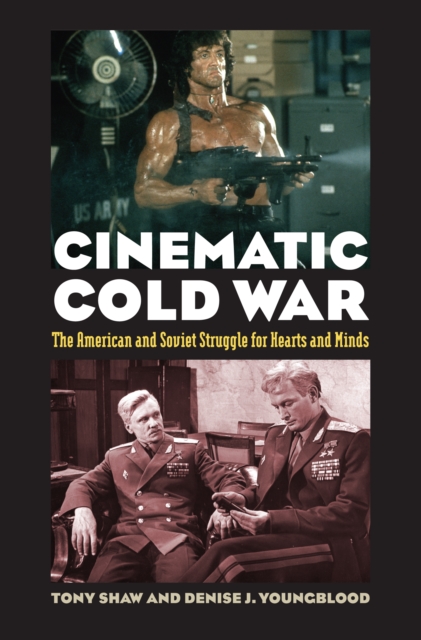
The Cold War was as much a battle of ideas as a series of military and diplomatic confrontations, and movies were a prime battleground for this cultural combat.
In this, the first comprehensive book on Liliana Cavani, Gaetana Marrone redraws the map of postwar Italian cinema to make room for this extraordinary filmmaker, whose representations of transgressive eroticism, spiritual questing, and psychological extremes test the limits of the medium, pushing it into uncharted areas of discovery.
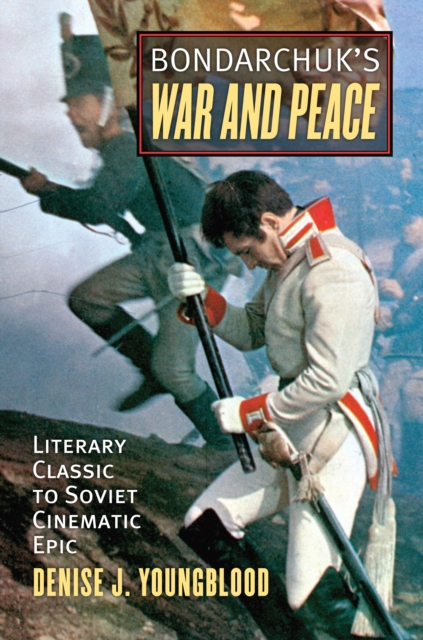
Now faced with the "e;zero hour"e; created by a new freedom of expression and the dramatic breakup of the Soviet Union, Soviet cinema has recently become one of the most interesting in the world, aesthetically as well as politically.
Patrice Petro challenges the conventional assessment of German film history, which sees classical films as responding solely to male anxieties and fears.
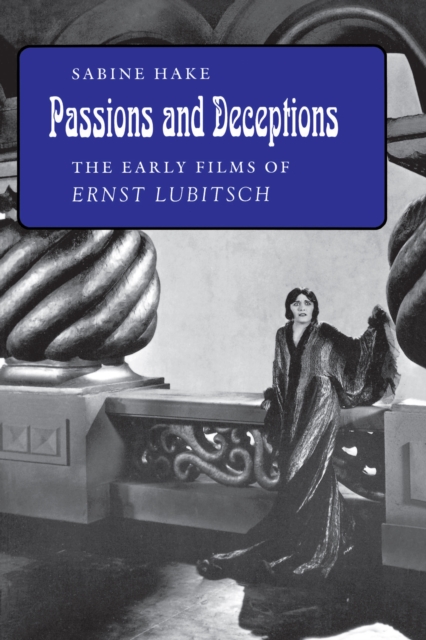
A collaborator with Warner Brothers and Paramount in the early days of sound film, the German film director Ernst Lubitsch (1892-1947) is famous for his sense of ironic detachment and for the eroticism he infused into such comedies as So This Is Paris and Trouble in Paradise.
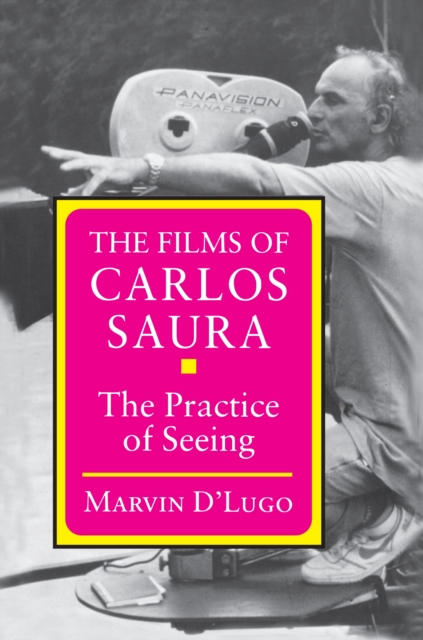
Spanish filmmaker Carlos Saura, who began his career under the censorship of Franco's regime, has forged an international reputation for his unique cinematic treatment of emotional and spiritual responses to repressive political conditions.
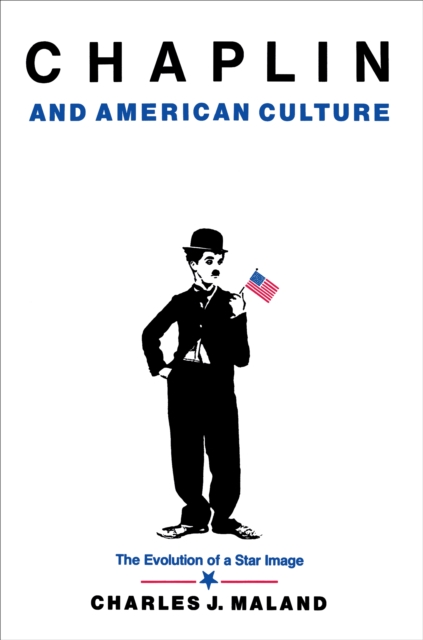
Charles Maland focuses on the cultural sources of the on-and-off, love-hate affair between Chaplin and the American public that was perhaps the stormiest in American stardom.
This major artistic biography of Federico Fellini shows how his exuberant imagination has been shaped by popular culture, literature, and his encounter with the ideas of C.
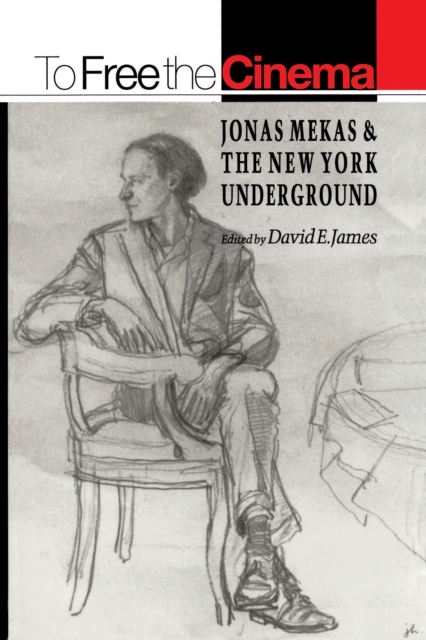
Jonas Mekas, one of the driving forces behind New York's alternative film culture from the 1950s through the 1980s, made for an unlikely counterculture hero: a Lithuanian emigr and fervent nationalist from an agrarian family, he had not grown up with either capitalist commercialism or the postwar rebellion against it.
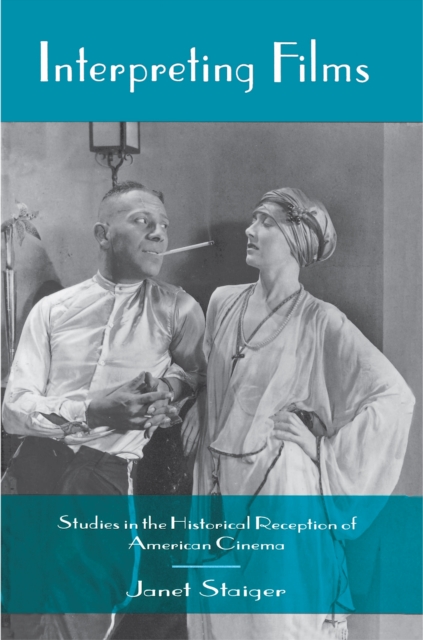
Employing a wide range of examples from Uncle Tom's Cabin and Birth of a Nation to Zelig and Personal Best, Janet Staiger argues that a historical examination of spectators' responses to films can make a valuable contribution to the history, criticism, and philosophy of cultural products.
A book that challenges everything you thought you knew about the online economyThe internet was supposed to fragment audiences and make media monopolies impossible.
Ever since the 1947 partition of the Indian subcontinent, Mumbai-based Hindi cinema has been returning compulsively to the idea of Pakistan, sometimes as the desirable other, sometimes as the horrifying antagonist.
Classic film noir was Hollywood's 'dark cinema' of crime and corruption; a genre underpinned by a tone of existential cynicism which stripped bare the myth of the American Dream and offered a bleak, nightmarish vision of a fragmented society that rhymed with many of the social realities of forties and fifties America.
The Pixels of Paul Cezanne is a collection of essays by Wim Wenders in which he presents his observations and reflections on the fellow artists who have influenced, shaped, and inspired him.
Offering portraits of such key figures as the Lumiere brothers, Georges Melies, Charles Pathe and Leon Gaumont, he looks at the early pioneers who transformed a fairground novelty into a global industry.
The first decades of the twenty-first century saw a resurgence of the biblical epic film, such as Noah and Exodus: Gods and Kings, which was in turn accompanied by a growth of biblical film criticism.
The first decades of the twenty-first century saw a resurgence of the biblical epic film, such as Noah and Exodus: Gods and Kings, which was in turn accompanied by a growth of biblical film criticism.
This book offers insights into diverse non-American national perspectives on the US-led military interventions in Afghanistan and Iraq within the generic frames of the war film.
An expos of patterns of harassment and bias in Hollywood, the grassroots reforms under way, and the labor and activist revolutions that recent scandals have ignited.
The Cold War was as much a battle of ideas as a series of military and diplomatic confrontations, and movies were a prime battleground for this cultural combat.