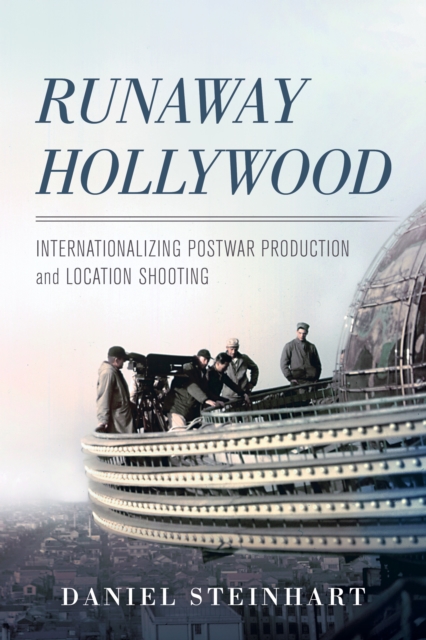
After World War II, as cultural and industry changes were reshaping Hollywood, movie studios shifted some production activities overseas, capitalizing on frozen foreign earnings, cheap labor, and appealing locations.
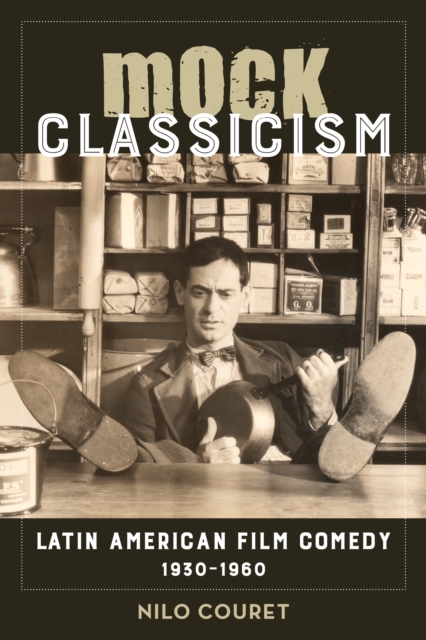
In Mock Classicism Nilo Couret presents an alternate history of Latin American cinema that traces the popularity and cultural significance of film comedies as responses to modernization and the forerunners to a more explicitly political New Latin American Cinema of the 1960s.
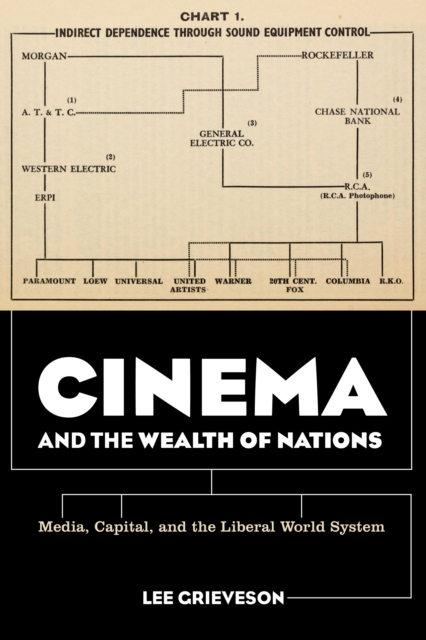
Cinema and the Wealth of Nations explores how media, principally in the form of cinema, was used during the interwar years by elite institutions to establish and sustain forms of liberal political economy beneficial to their interests.
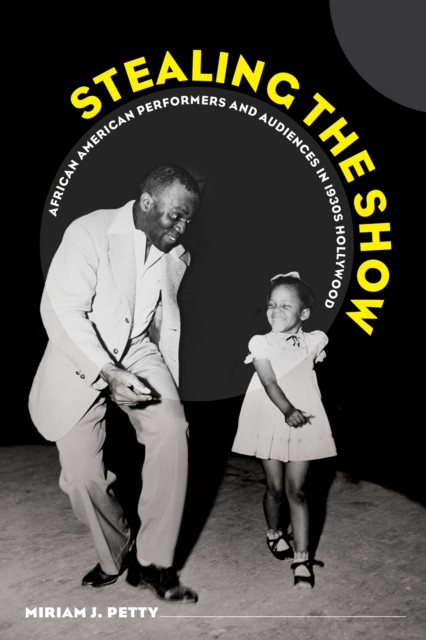
Stealing the Show is a study of African American actors in Hollywood during the 1930s, a decade that saw the consolidation of stardom as a potent cultural and industrial force.
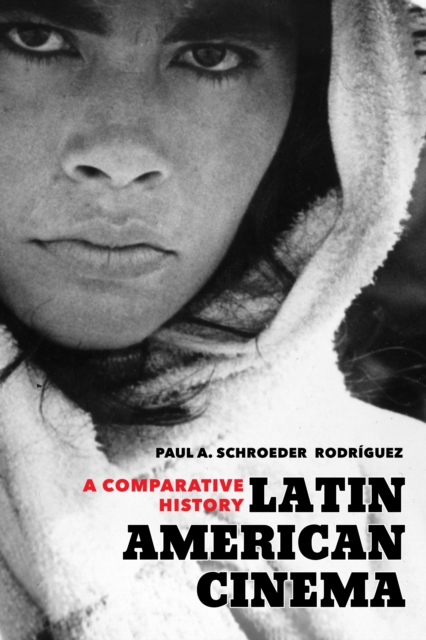
This book charts a comparative history of Latin America's national cinemas through ten chapters that cover every major cinematic period in the region: silent cinema, studio cinema, neorealism and art cinema, the New Latin American Cinema, and contemporary cinema.
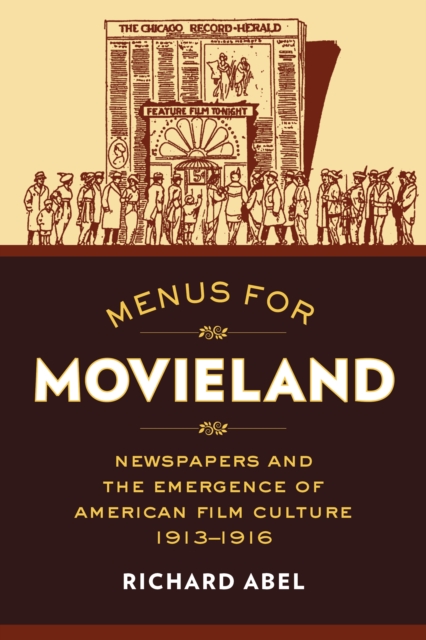
At the turn of the past century, the main function of a newspaper was to offer ';menus' by which readers could make sense of modern life and imagine how to order their daily lives.
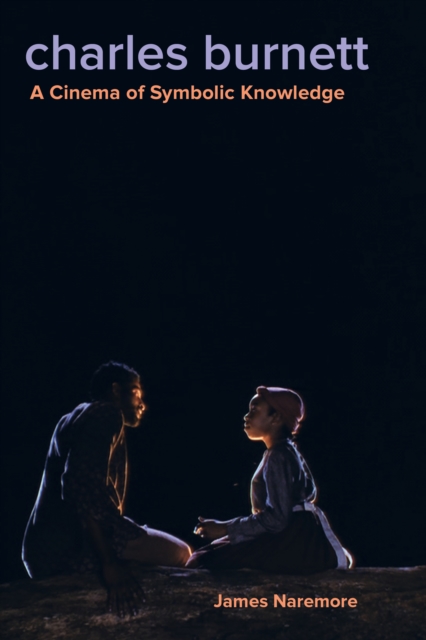
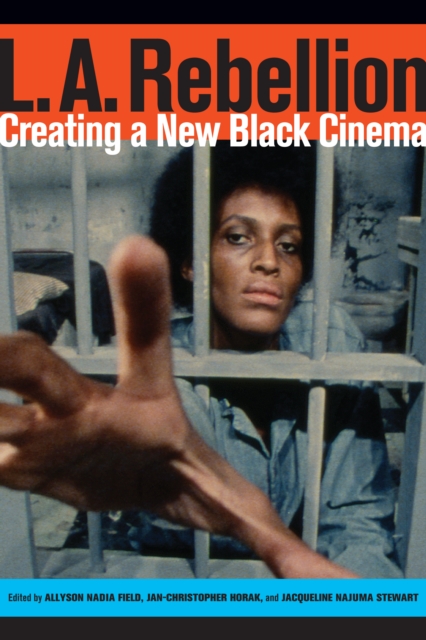
In the first book devoted to Charles Burnett, a crucial figure in the history of American cinema often regarded as the most influential member of the L.
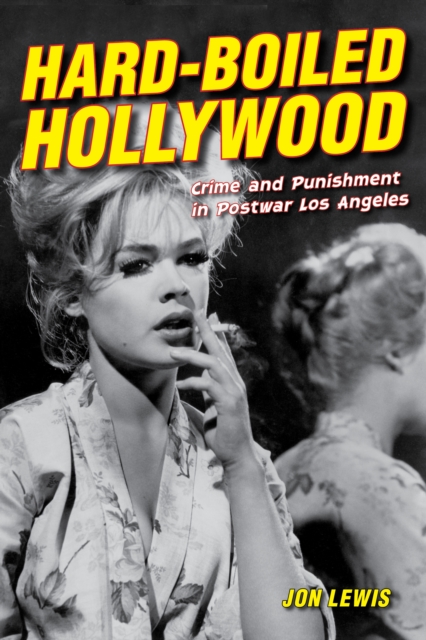
The tragic and mysterious circumstances surrounding the deaths of Elizabeth Short, or the Black Dahlia, and Marilyn Monroe ripped open Hollywood's glitzy faade, exposing the citys ugly underbelly of corruption, crime, and murder.
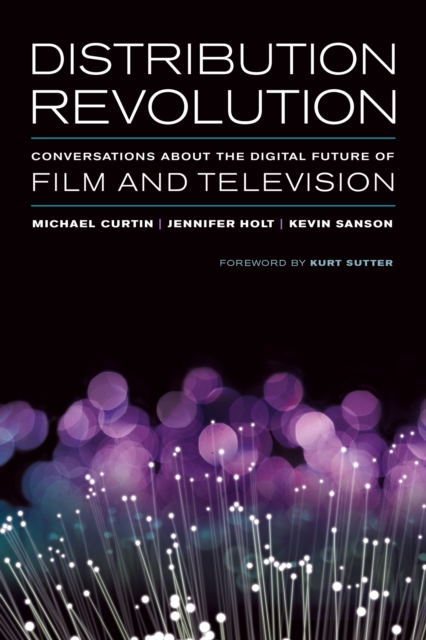
Distribution Revolution is a collection of interviews with leading film and TV professionals concerning the many ways that digital delivery systems are transforming the entertainment business.
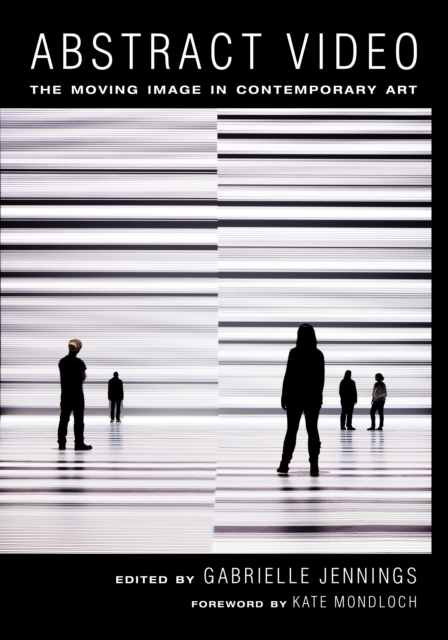
Offering historical and theoretical positions from a variety of art historians, artists, curators, and writers, this groundbreaking collection is the first substantive sourcebook on abstraction in moving-image media.
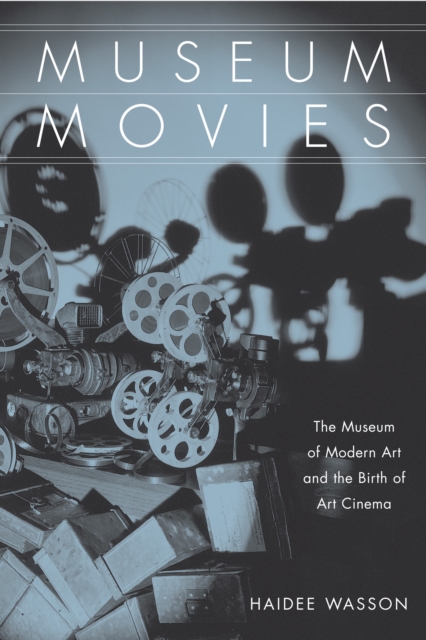
Haidee Wasson provides a rich cultural history of cinema's transformation from a passing amusement to an enduring art form by mapping the creation of the Film Library of the Museum of Modern Art (MoMA), New York, established in 1935.
Distribution Revolution is a collection of interviews with leading film and TV professionals concerning the many ways that digital delivery systems are transforming the entertainment business.
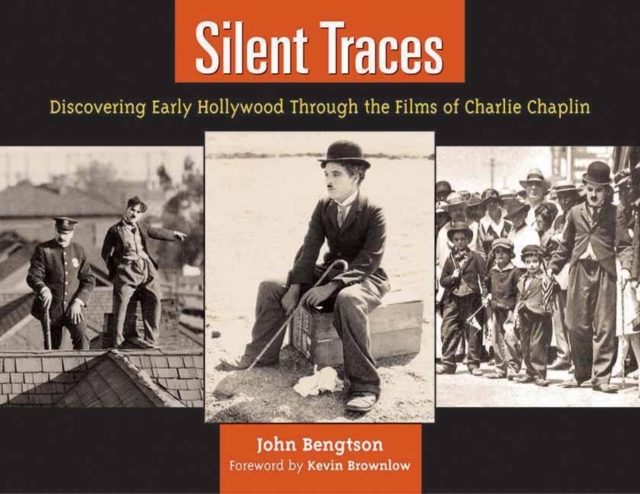
Silent Traces: Discovering Early Hollywood Through the Films of Charlie Chaplin is the long-awaited follow-up to John Bengtsons critically acclaimed masterpiece Silent Echoes: Discovering Early Hollywood Through the Films of Buster Keaton.
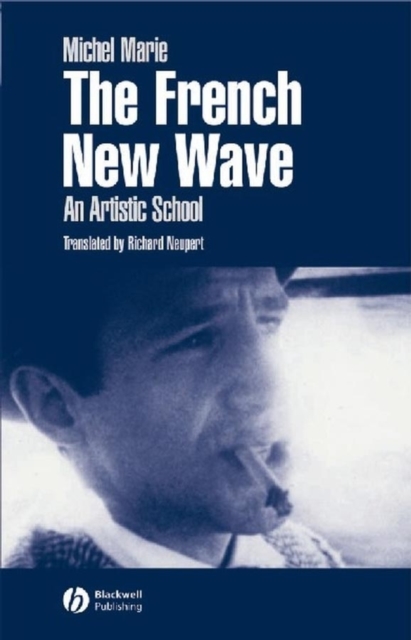
The French New Wave: An Artistic School is a lively introduction to this critical moment in film history by one of the world's leading scholars on the New Wave.
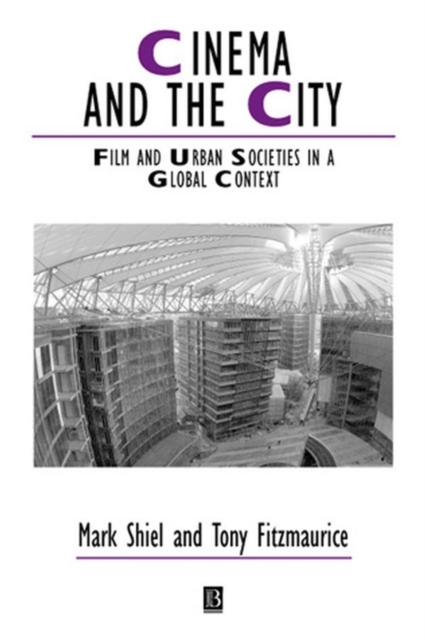
This book brings together the literature of urban sociology and film studies to explore new analytical and theoretical approaches to the relationship between cinema and the city, and to show how these impact on the realities of life in urban societies.
The Nasty Woman and the Neo Femme Fatale in Contemporary Cinema puts forward the theoretical notion of the 'nasty woman' as a means of examining female protagonists in contemporary culture and cinema, particularly films directed by women.
The Nasty Woman and the Neo Femme Fatale in Contemporary Cinema puts forward the theoretical notion of the 'nasty woman' as a means of examining female protagonists in contemporary culture and cinema, particularly films directed by women.
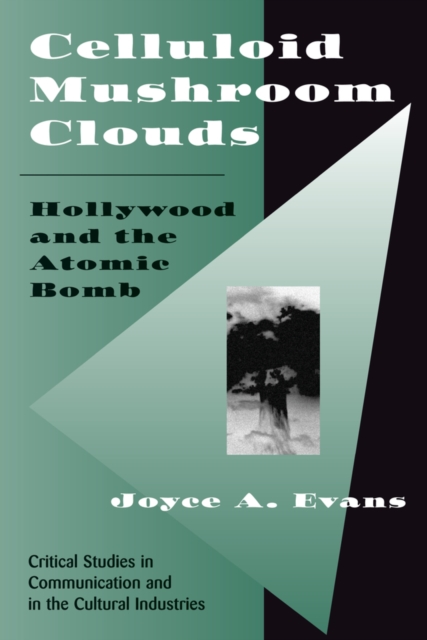
Celluloid Mushroom Clouds is a historical account of how the movie industry responded to specific economic and political forces over the postwar years.
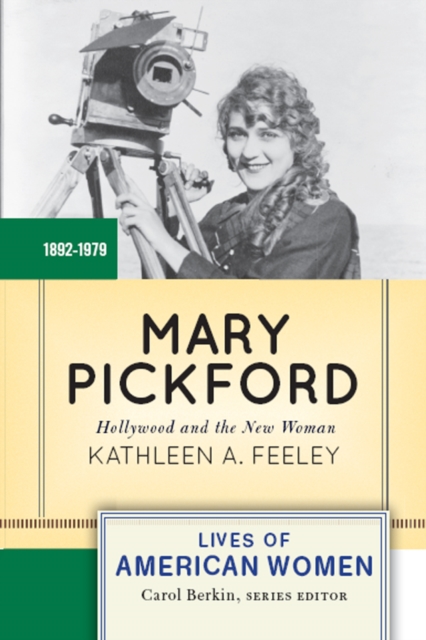
On screen and off, movie star Mary Pickford personified the 'New Woman' of the early 1900s, a moniker given to women who began to demand more autonomy inside and outside the home.
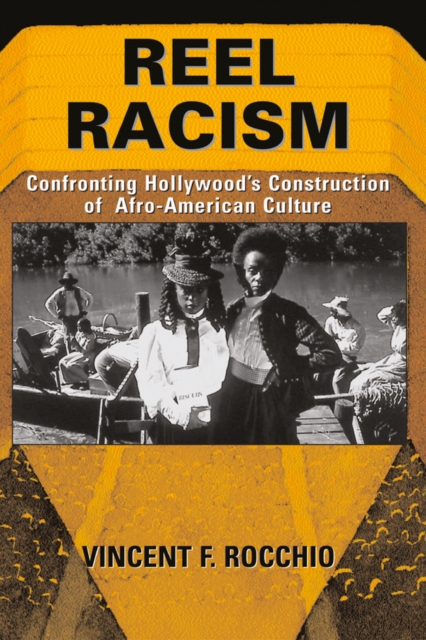
This study looks beyond reflection theories of the media to examine cinema's active participation in the operations of racism - a complex process rooted in the dynamics of representation.