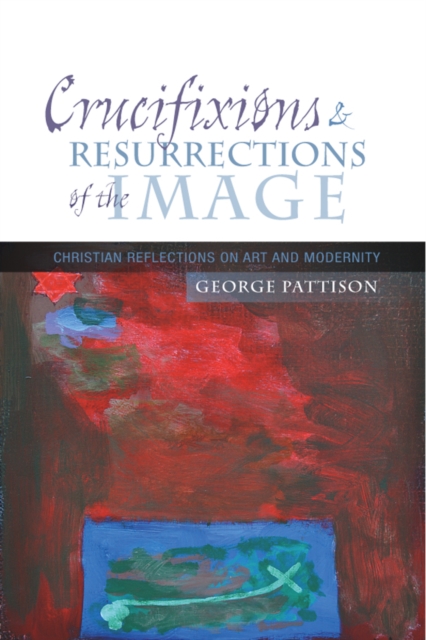
George Pattison offers theological reflections on a range of works of art and films which have attracted wide discussion such as Anthony Gormley's 'Angel of the North'.
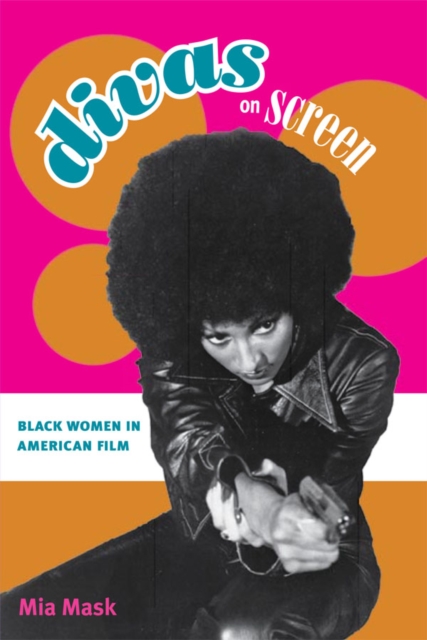
This insightful study places African American women's stardom in historical and industrial contexts by examining the star personae of five African American women: Dorothy Dandridge, Pam Grier, Whoopi Goldberg, Oprah Winfrey, and Halle Berry.
Women's Film and Female Experience takes a fresh look at a wide range of popular women's films in order to discover what American female consciousness in the 1940s was really about.
By using photography as a storytelling medium, the cinematographer plays a key role in translating a screenplay into images and capturing the director's vision of a film.
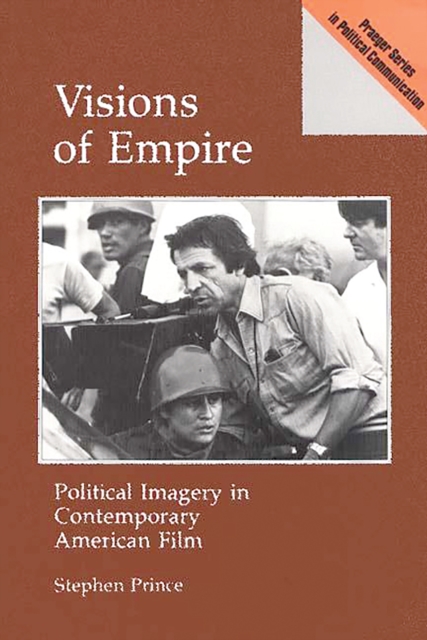
Visions of Empire explores film's function as a medium of political communication, recognizing not just the propaganda film, but the various ways that conventional narrative films embody, question, or critique established social values underlying American attitudes toward historical, social, and political events.
Viewing artistic works through the lens of both contemporary gerontological theory and postmodernist concepts, the contributing scholars examine literary treatments, cinematic depictions, and artistic portraits of aging from Shakespeare to Hemingway, from Horton Foote to Disney, from Rembrandt to Alice Neale, while also comparing the attitudes toward aging in Native American, African American, and Anglo American literature.
This guide to Spanish film documents the film industry's interpretation of the isolating effects of the cultural traditionalism of the early twentieth century to the expanding international popularity of such films as Trueba's Belle Epoque, Aranda's Amantes, and Bigas Luna's Jamon, Jamon, and such actors as Victoria Abril, Carmen Maura, and Antonio Banderas.
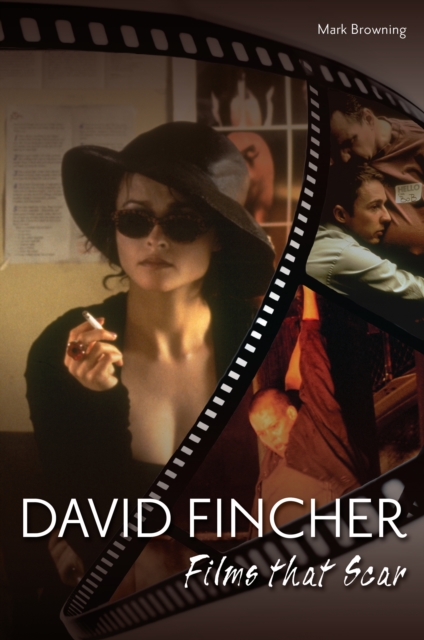
Film scholar Mark Browning offers the first detailed analysis of the work of David Fincher, director of the critically acclaimed films Se7en, Fight Club, and The Curious Case of Benjamin Button.
Exploring the relevance of Jungian theory as it applies to science fiction, horror and fantasy films, this text demonstrates the remarkable correlation existing between Jung's major archetypes and recurring themes in various film genres.
The Great American Makeover is a collection of essays that explore the American makeover mythos that has been recently repackaged in the form of popular makeover television programs such as Extreme Makeover, The Swan, Supernanny, and Queer Eye for the Straight Guy.
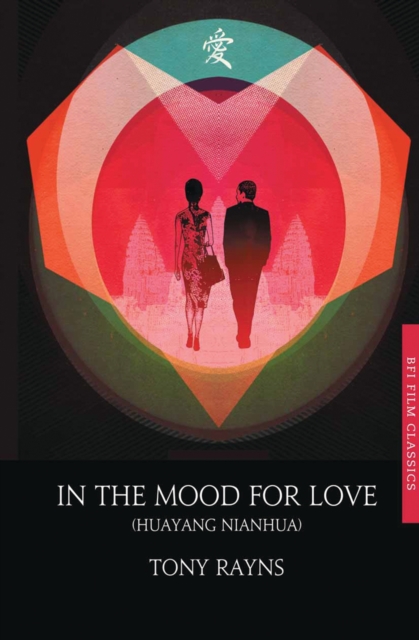
Set in Hong Kong, Singapore and Cambodia in the 1960s, Wong Kar Wai's In the Mood for Love (2000) is a film that luxuriates in the feeling of being in love without ever turning into a love story.
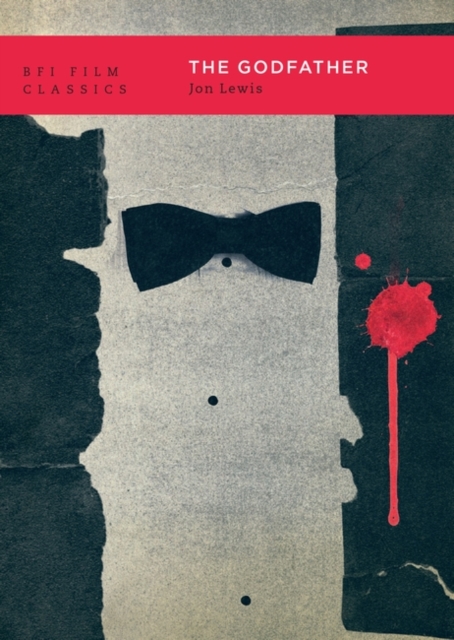
Francis Ford Coppola's The Godfather (1972) marked a transition in American film-making, and its success as a work of art, as a creative 'property' exploited by its studio, Paramount Pictures; and as a model for aspiring auteurist film-makers changed Hollywood forever.
Francis Ford Coppola's The Godfather (1972) marked a transition in American film-making, and its success as a work of art, as a creative 'property' exploited by its studio, Paramount Pictures; and as a model for aspiring auteurist film-makers changed Hollywood forever.
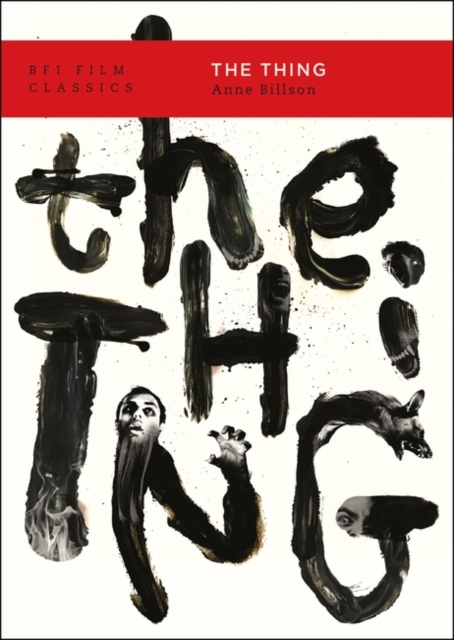
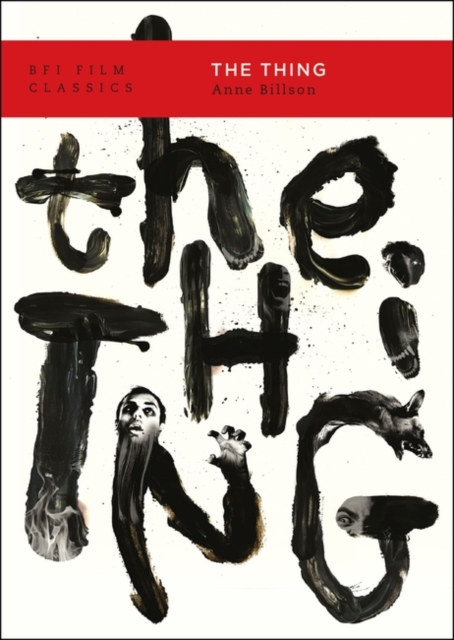
An extra-terrestrial alien, capable of replicating any living form it touches, infiltrates an isolated research base in the Antarctic, and sows suspicion and terror among the men trapped there.
An extra-terrestrial alien, capable of replicating any living form it touches, infiltrates an isolated research base in the Antarctic, and sows suspicion and terror among the men trapped there.
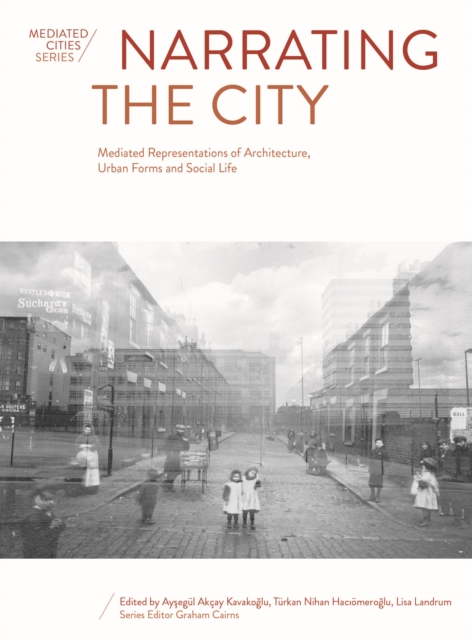
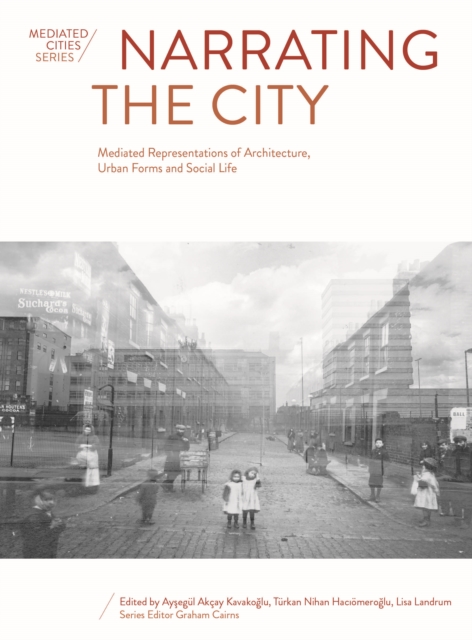
Analysing a variety of international films and, ultimately, placing them in dialogue with video art, photographic narratives and emerging digital image-based technologies, the contributions explore the expanding range of 'mediated' narratives of contemporary architecture and urban culture from both a media and a sociological standpoint.
Analysing a variety of international films and, ultimately, placing them in dialogue with video art, photographic narratives and emerging digital image-based technologies, the contributions explore the expanding range of 'mediated' narratives of contemporary architecture and urban culture from both a media and a sociological standpoint.
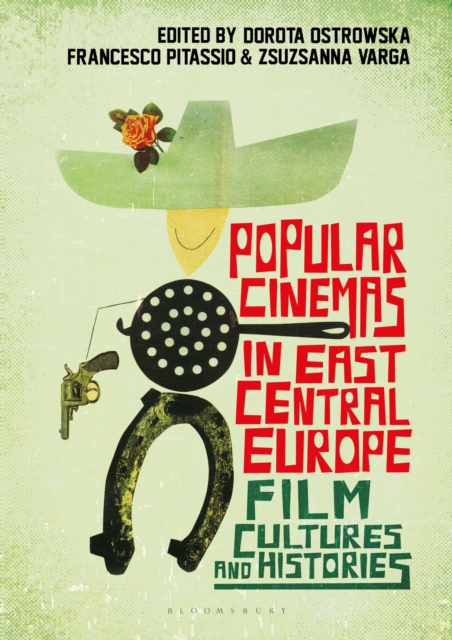
The continued interest in the social and cultural life of the former Warsaw pact countries - looking at but also beyond their socialist pasts - encompasses a desire to know more about their national cinemas.
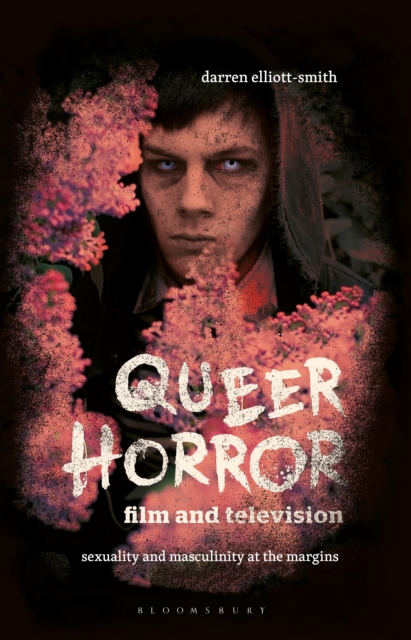
In recent years, the representation of alternative sexuality in the horror film and television has "e;outed"e; itself from the shadows from which it once lurked, via the embrace of an outrageously queer horror aesthetic where homosexuality is often unequivocally referenced.
Engaging with fiction films devoted to heroic tales from the decade and a half between 1949 and 1966, this book reconceives state propaganda as aesthetic experiments that not only radically transformed acting, cinematography and screenwriting in socialist China, but also articulated a new socialist film theory and criticism.
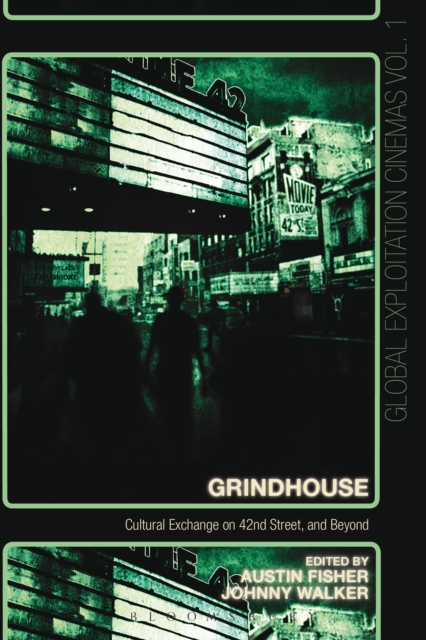
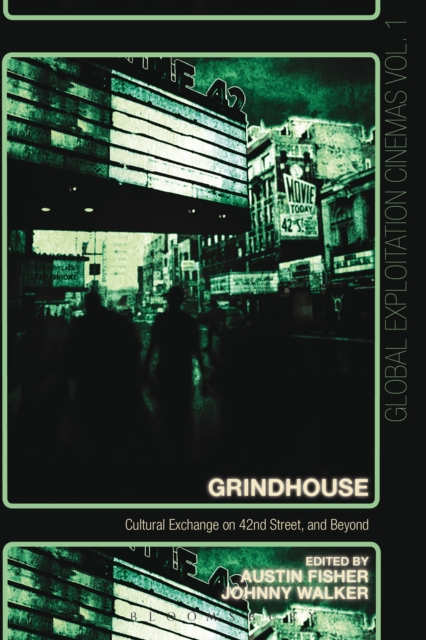
The pervasive image of New York's 42nd Street as a hub of sensational thrills, vice and excess, is from where "e;grindhouse cinema,"e; the focus of this volume, stemmed.
The pervasive image of New York's 42nd Street as a hub of sensational thrills, vice and excess, is from where "e;grindhouse cinema,"e; the focus of this volume, stemmed.
In the beginning, cinema was an encounter between humans, images and machine technology, revealing a stream of staccato gestures, micrographic worlds, and landscapes seen from above and below.
In the beginning, cinema was an encounter between humans, images and machine technology, revealing a stream of staccato gestures, micrographic worlds, and landscapes seen from above and below.