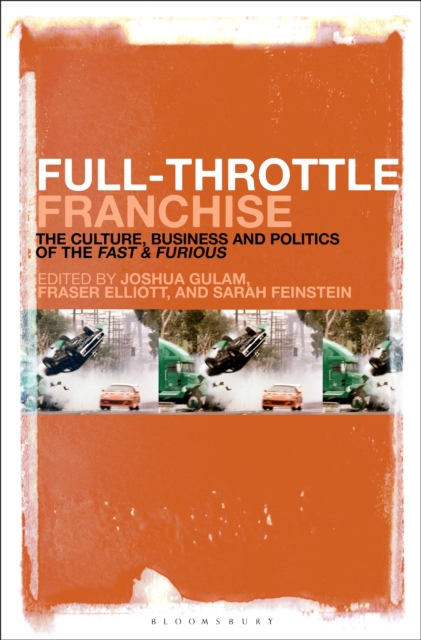
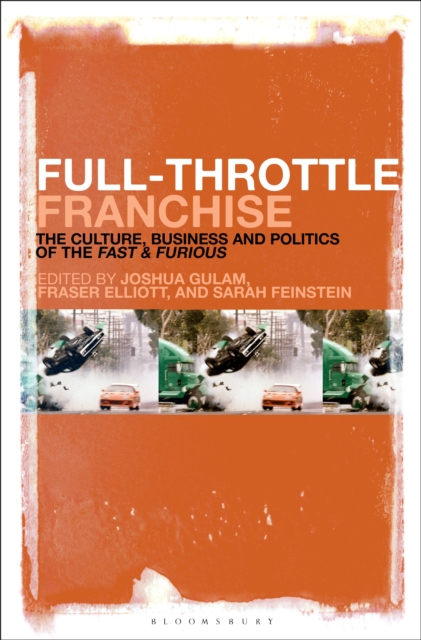
When the first Fast & Furious film was released in June 2001, few predicted that it would be a box office hit, let alone the launchpad for a multi-billion-dollar franchise.
When the first Fast & Furious film was released in June 2001, few predicted that it would be a box office hit, let alone the launchpad for a multi-billion-dollar franchise.
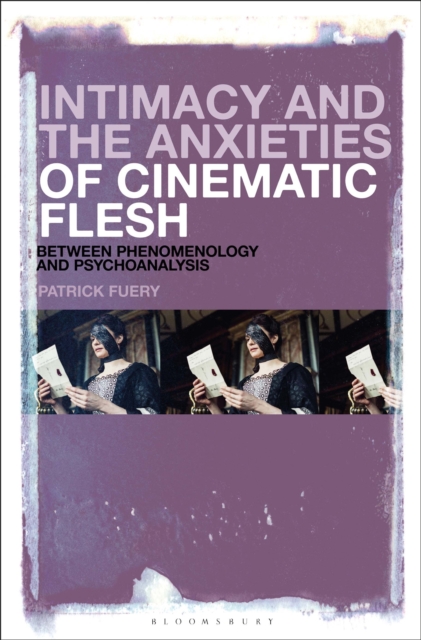
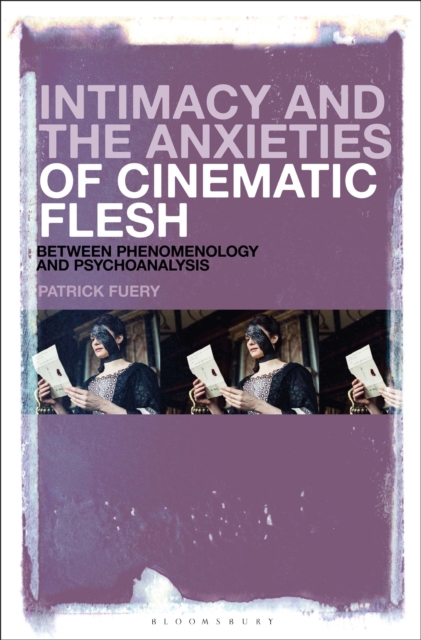
In a "e;return"e; to Edmund Husserl and Sigmund Freud, Intimacy and the Anxieties of Cinematic Flesh explores how we can engage these foundational thinkers of phenomenology and psychoanalysis in an original approach to film.
In a "e;return"e; to Edmund Husserl and Sigmund Freud, Intimacy and the Anxieties of Cinematic Flesh explores how we can engage these foundational thinkers of phenomenology and psychoanalysis in an original approach to film.
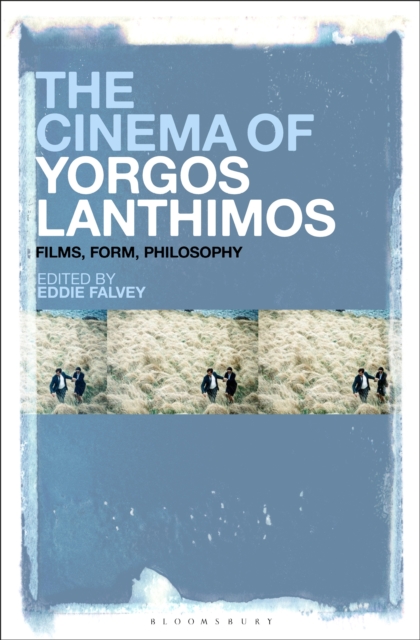
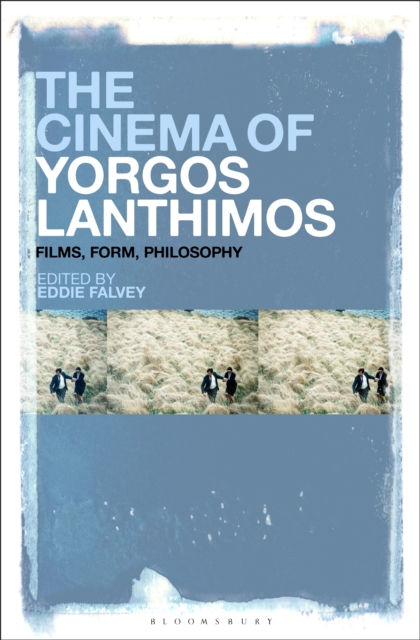
From the critical and commercial fanfare his films generate, it is largely understood that Yorgos Lanthimos is one of the more interesting filmmakers to have emerged out of the new century.
From the critical and commercial fanfare his films generate, it is largely understood that Yorgos Lanthimos is one of the more interesting filmmakers to have emerged out of the new century.
Biopics and other movies and television shows based on real events are increasingly appearing at the multiplex and on streaming platforms alongside blockbuster franchises and adaptations.
Biopics and other movies and television shows based on real events are increasingly appearing at the multiplex and on streaming platforms alongside blockbuster franchises and adaptations.
The relationship between Romanticism and film remains one of the most neglected topics in film theory and history, with analysis often focusing on the proto-cinematic significance of Richard Wagner's music-dramas.
The relationship between Romanticism and film remains one of the most neglected topics in film theory and history, with analysis often focusing on the proto-cinematic significance of Richard Wagner's music-dramas.
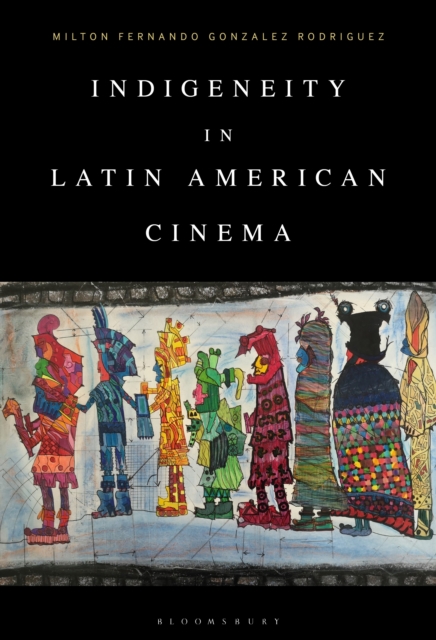
Indigeneity in Latin American Cinema explores how contemporary films (2000-2020) participate in the evolution and circulation of images and sounds that in many ways define how indigenous communities are imagined, at a local, regional and global scale.
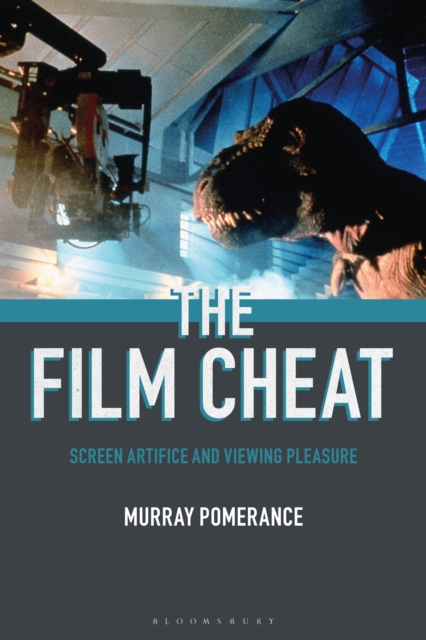
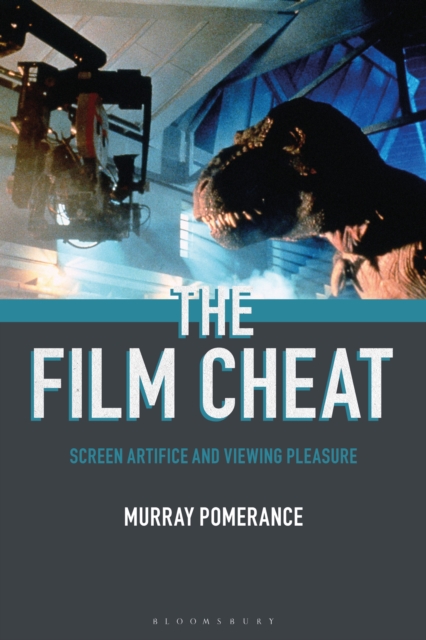
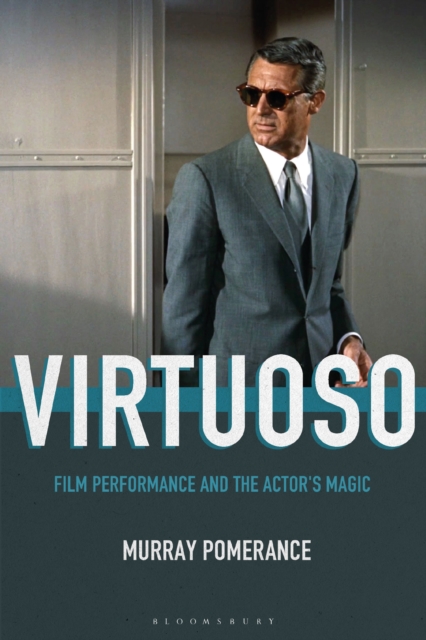
Murray Pomerance, venerated film scholar, is the first to take on the 'cheat' in film, where 'cheating' constitutes a collection of production, performance, and structuring maneuvers intended to foster the impression of a screen reality that does not exist as presented.
Murray Pomerance, venerated film scholar, is the first to take on the 'cheat' in film, where 'cheating' constitutes a collection of production, performance, and structuring maneuvers intended to foster the impression of a screen reality that does not exist as presented.
The Figure of the Migrant in Contemporary European Cinema explores contemporary debates around the concepts of 'Europe' and 'European identity' through an examination of recent European films dealing with various aspects of globalization (the refugee crisis, labour migration, the resurgence of nationalism and ethnic violence, neoliberalism, post-colonialism) with a particular attention to the figure of the migrant and the ways in which this figure challenges us to rethink Europe and its core Enlightenment values (citizenship, justice, ethics, liberty, tolerance, and hospitality) in a post-national context of ephemerality, volatility, and contingency that finds people desperately looking for firmer markers of identity.
The Figure of the Migrant in Contemporary European Cinema explores contemporary debates around the concepts of 'Europe' and 'European identity' through an examination of recent European films dealing with various aspects of globalization (the refugee crisis, labour migration, the resurgence of nationalism and ethnic violence, neoliberalism, post-colonialism) with a particular attention to the figure of the migrant and the ways in which this figure challenges us to rethink Europe and its core Enlightenment values (citizenship, justice, ethics, liberty, tolerance, and hospitality) in a post-national context of ephemerality, volatility, and contingency that finds people desperately looking for firmer markers of identity.
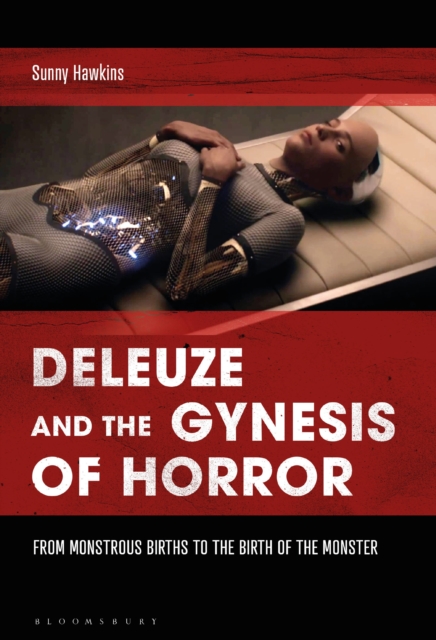
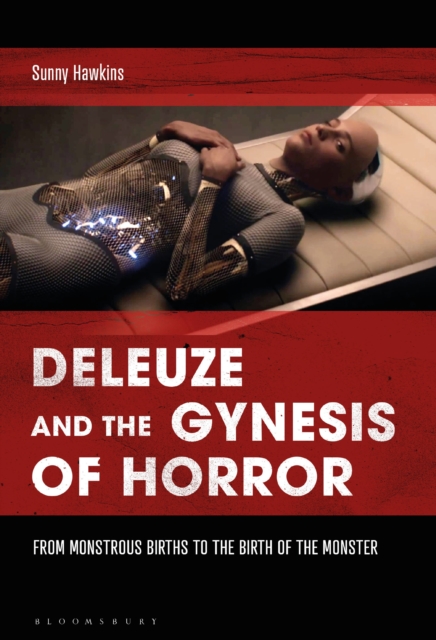
Applying Deleuze's schizoanalytic techniques to film theory, Deleuze and the Gynesis of Horror demonstrates how an embodied approach to horror film analysis can help us understand how film affects its viewers and distinguish those films which reify static, hegemonic, "e;molar"e; beings from those which prompt fluid, nonbinary, "e;molecular"e; becomings.
Applying Deleuze's schizoanalytic techniques to film theory, Deleuze and the Gynesis of Horror demonstrates how an embodied approach to horror film analysis can help us understand how film affects its viewers and distinguish those films which reify static, hegemonic, "e;molar"e; beings from those which prompt fluid, nonbinary, "e;molecular"e; becomings.
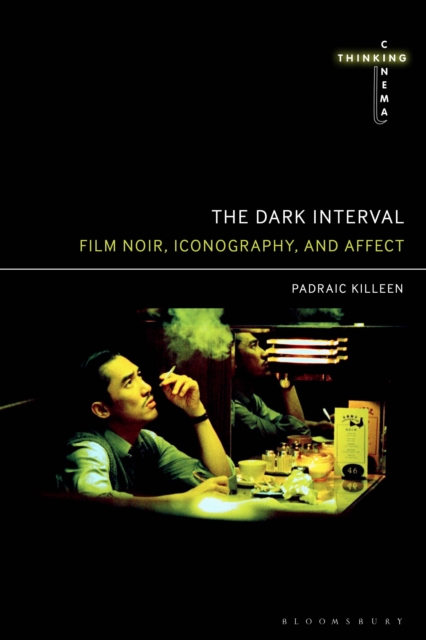
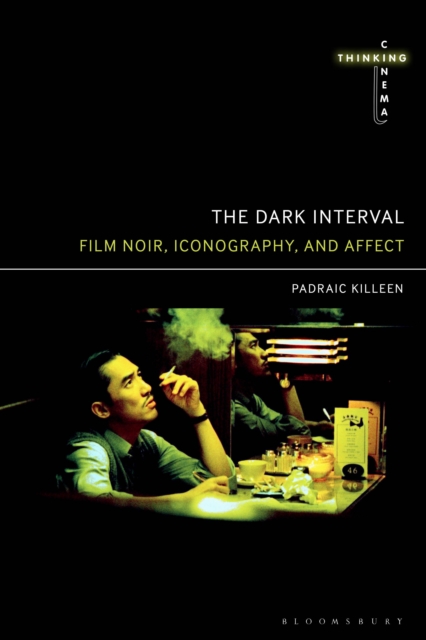
Invoking key concepts from the philosophical writings of Gilles Deleuze and Giorgio Agamben, The Dark Interval examines a subtle but distinct iconography of passivity, stillness and profound self-affection that recurs across noir films of every era.
Invoking key concepts from the philosophical writings of Gilles Deleuze and Giorgio Agamben, The Dark Interval examines a subtle but distinct iconography of passivity, stillness and profound self-affection that recurs across noir films of every era.
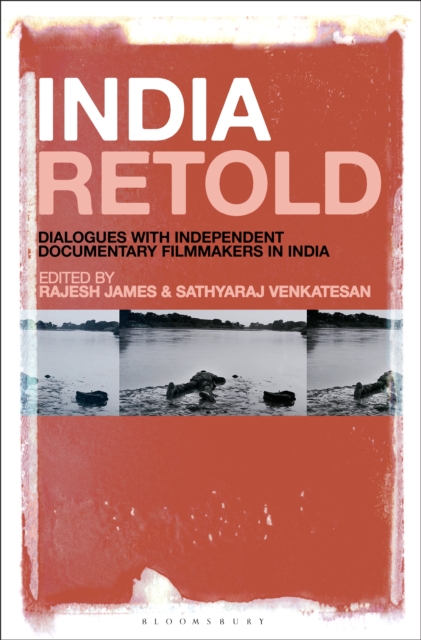
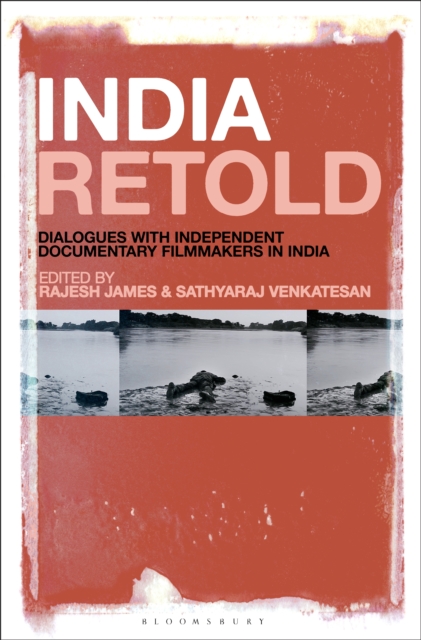
India Retold: Dialogues with Independent Documentary Filmmakers in India is an attempt to situate and historicize the engagement of independent documentary filmmakers with the postcolonial India and its discourses with a focus on their independent documentary practices.
India Retold: Dialogues with Independent Documentary Filmmakers in India is an attempt to situate and historicize the engagement of independent documentary filmmakers with the postcolonial India and its discourses with a focus on their independent documentary practices.
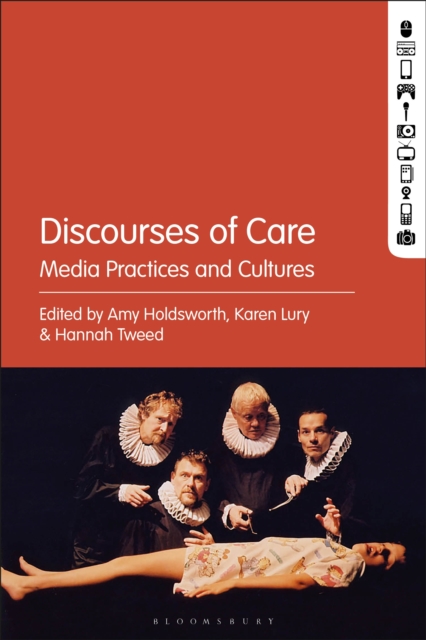
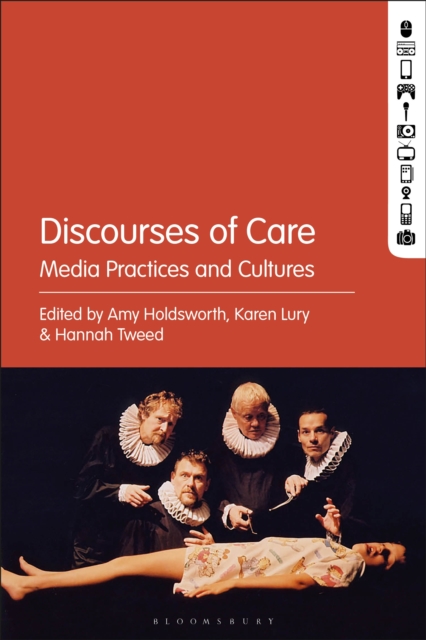
Bringing together scholars from film and television studies, media and cultural studies, literary studies, medical humanities, and disability studies, Discourses of Care collectively examines how the analysis of media texts and practices can contribute to scholarship on and understandings of health and social care, and how existing research focusing on the ethics of care can inform our understanding of media.
Bringing together scholars from film and television studies, media and cultural studies, literary studies, medical humanities, and disability studies, Discourses of Care collectively examines how the analysis of media texts and practices can contribute to scholarship on and understandings of health and social care, and how existing research focusing on the ethics of care can inform our understanding of media.
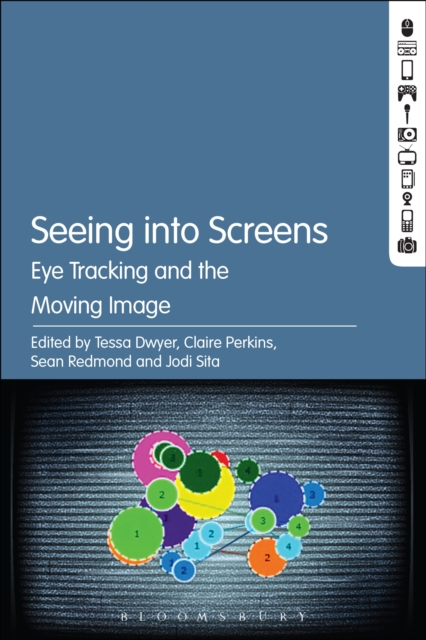
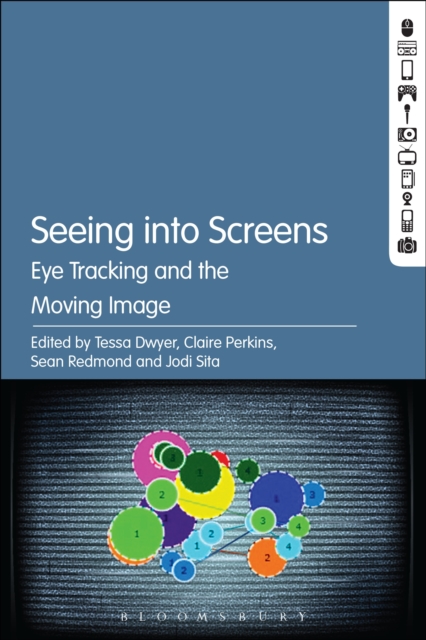
Seeing into Screens: Eye Tracking and the Moving Image is the first dedicated anthology that explores vision and perception as it materializes as viewers watch screen content.
Seeing into Screens: Eye Tracking and the Moving Image is the first dedicated anthology that explores vision and perception as it materializes as viewers watch screen content.
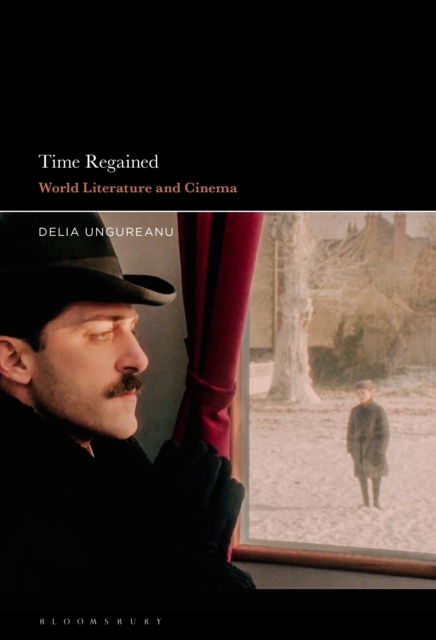
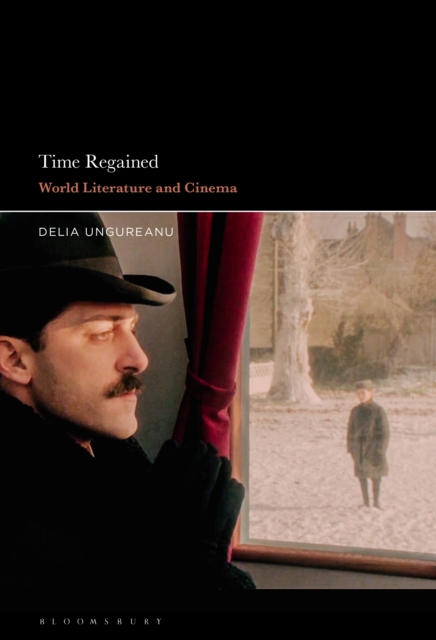
This book explores the border zones between life and non-life as represented in cinema from the end of the nineteenth century, when France led the global film industry, to the first decades of the twenty-first century, when world film markets are dominated by Hollywood.
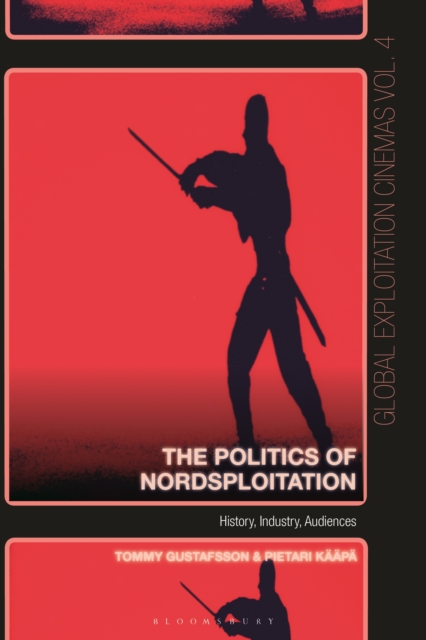
The Politics of Nordsploitation takes a transnational approach to exploring Nordic 'exploitation' films in their industrial contexts, viewing them as not only political manifestations of domestic considerations but also to position Nordic film cultures in a global context.
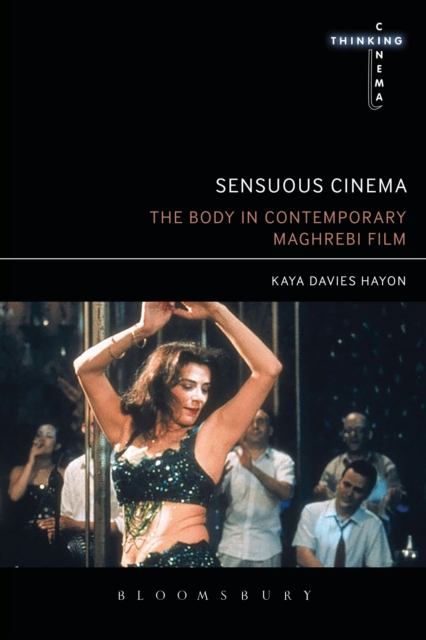
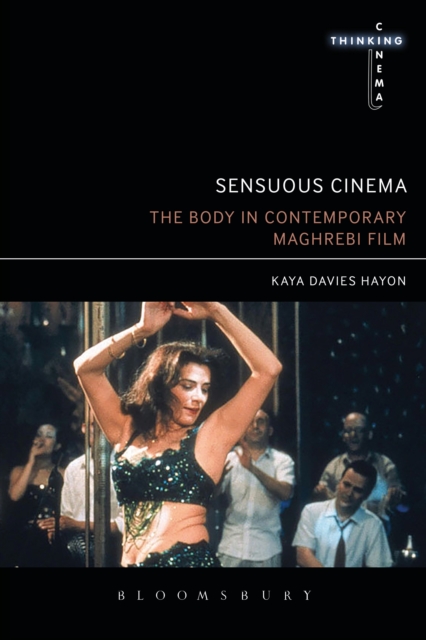
Sensuous Cinema: The Body in Contemporary Maghrebi Film examines a cluster of recent films that feature Maghrebi(-French) people and position corporeality as a site through which subjectivity and self-other relations are constituted and experienced.
Sensuous Cinema: The Body in Contemporary Maghrebi Film examines a cluster of recent films that feature Maghrebi(-French) people and position corporeality as a site through which subjectivity and self-other relations are constituted and experienced.
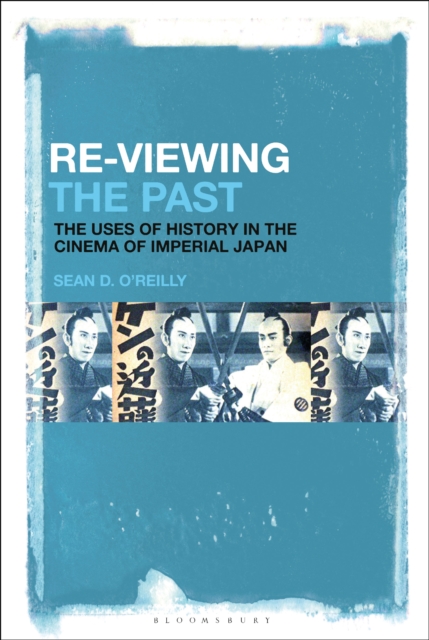
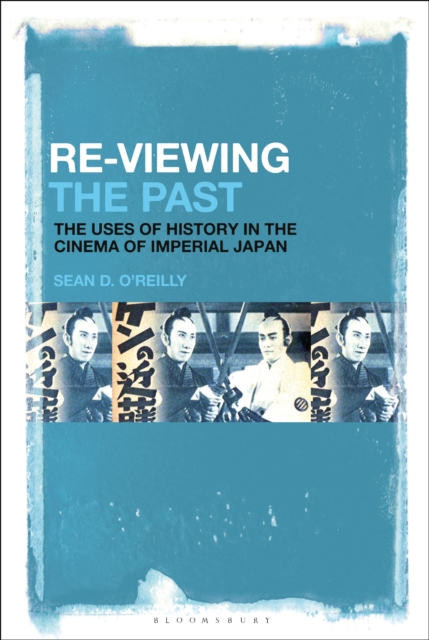
Re-Viewing the Past: The Uses of History in the Cinema of Imperial Japan analyzes the complicated relationship between history films, audiences, reviewers and censors in Japan for the critically important years from 1925-1945.
Re-Viewing the Past: The Uses of History in the Cinema of Imperial Japan analyzes the complicated relationship between history films, audiences, reviewers and censors in Japan for the critically important years from 1925-1945.