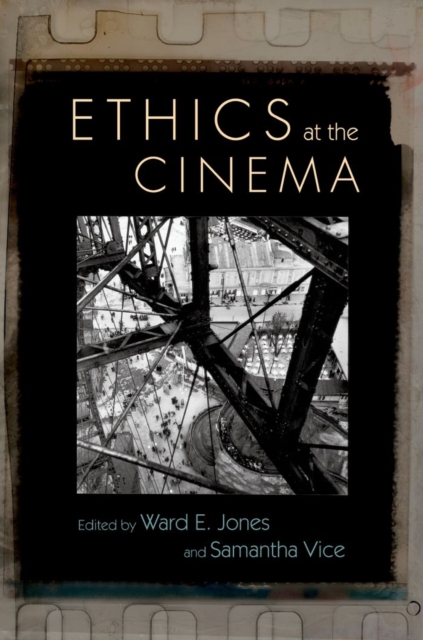
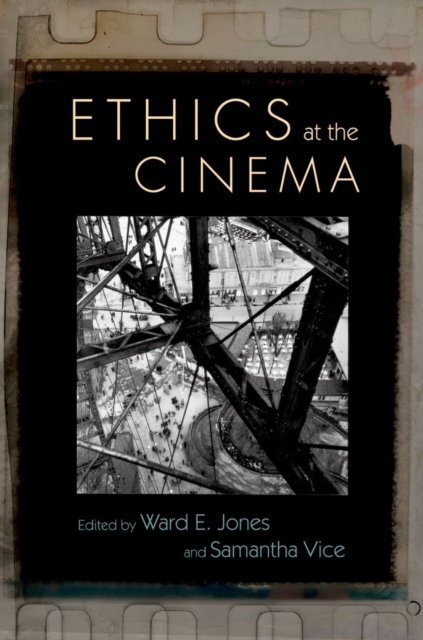
The editors of Ethics at the Cinema invited a diverse group of moral philosophers and philosophers of film to engage with ethical issues raised within, or within the process of viewing, a single film of each contributor's choice.
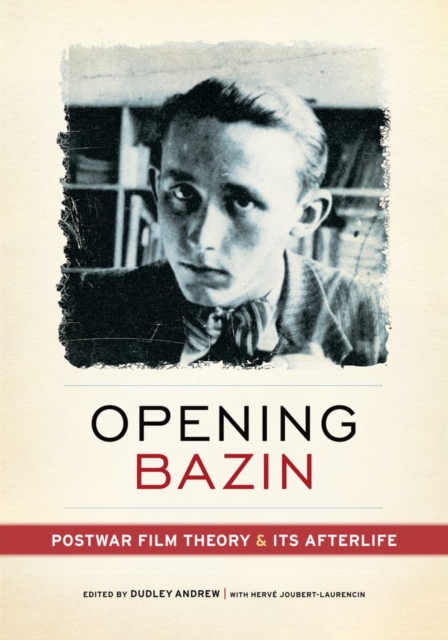
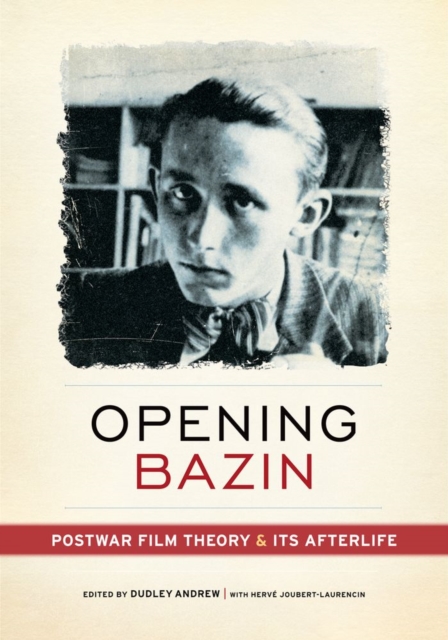
With the full range of his voluminous writings finally viewable, Andre Bazin seems more deserving than ever to be considered the most influential of all writers on film.
With the full range of his voluminous writings finally viewable, Andre Bazin seems more deserving than ever to be considered the most influential of all writers on film.
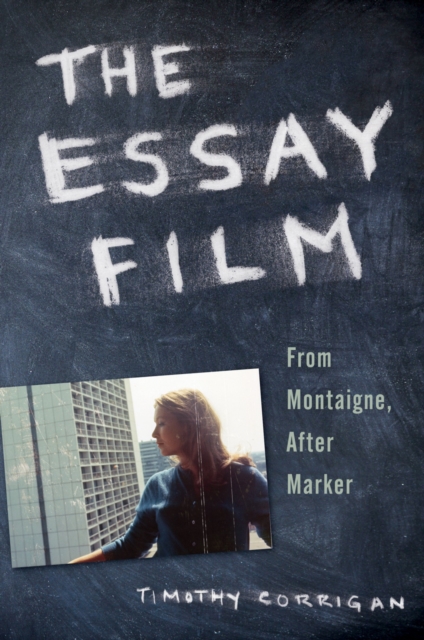
Why have certain kinds of documentary and non-narrative films emerged as the most interesting, exciting, and provocative movies made in the last twenty years?
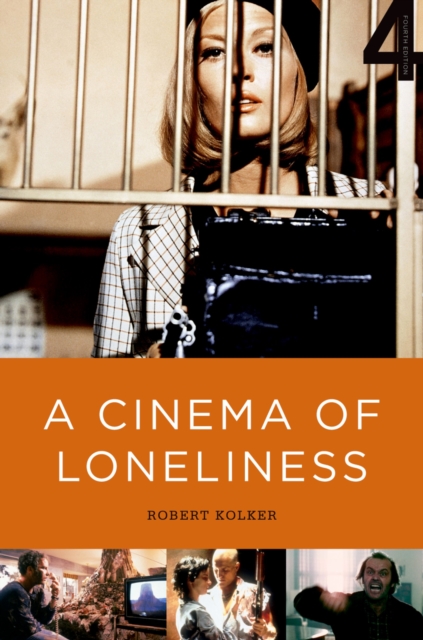
An updated and expanded version of this classic study of contemporary American film, the new edition of A Cinema of Loneliness reassesses the landscape of American cinema over the past decade, incorporating discussions of directors like Judd Apatow and David Fincher while offering assessments of the recent, and in some cases final, work from the filmmakers--Penn, Scorsese, Stone, Altman, Kubrick--at the book's core.
Through the figure of Josephine Baker, Second Skin tells the story of an unexpected yet enduring intimacy between the invention of a modernist style and the theatricalization of black skin at the turn of the twentieth century.
Through the figure of Josephine Baker, Second Skin tells the story of an unexpected yet enduring intimacy between the invention of a modernist style and the theatricalization of black skin at the turn of the twentieth century.
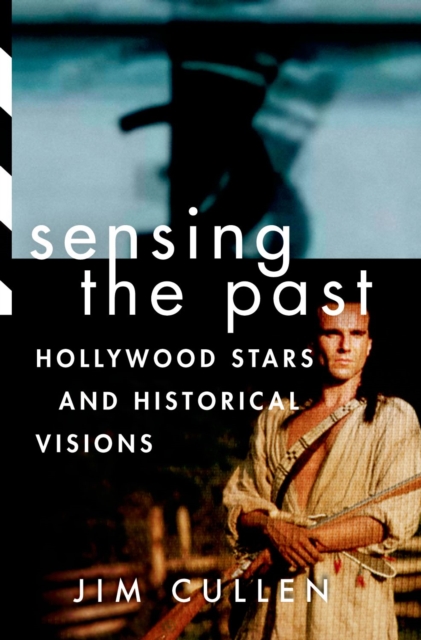
The immediacy and perceived truth of the visual image, as well as film and television's ability to propel viewers back into the past, place the genre of the historical film in a special category.
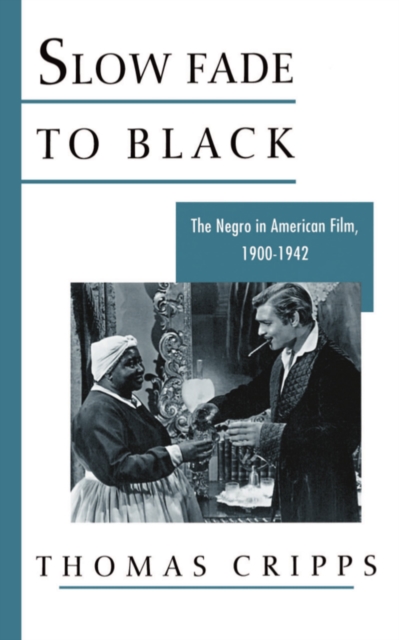
Set against the backdrop of the black struggle in society, Slow Fade to Black is the definitive history of African-American accomplishment in film--both before and behind the camera--from the earliest movies through World War II.
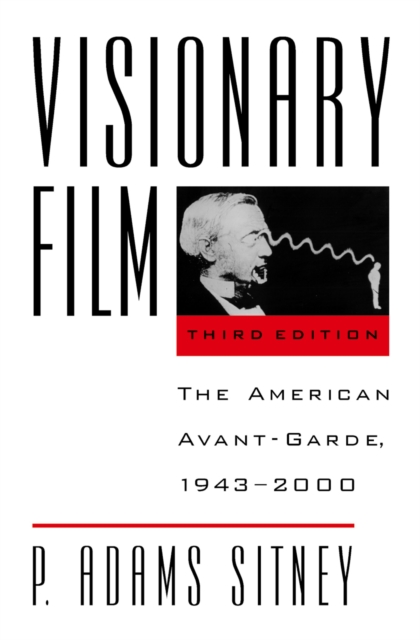
Critics hailed previous editions of Visionary Film as the most complete work written on the exciting, often puzzling, and always controversial genre of American avant-garde film.
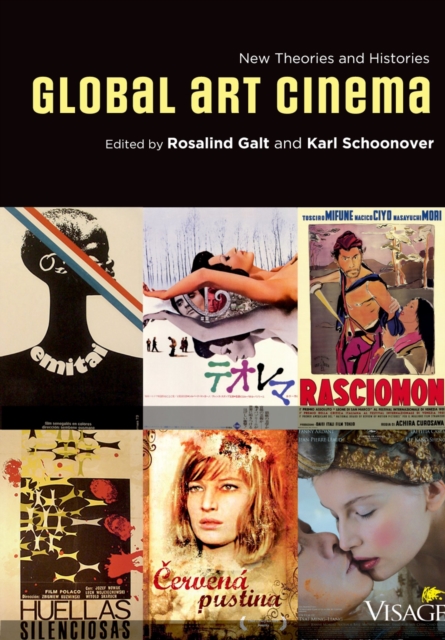
"e;Art cinema"e; has for over fifty years defined how audiences and critics imagine film outside Hollywood, but surprisingly little scholarly attention has been paid to the concept since the 1970s.
Mechanical Witness is the first cultural and legal history charting the changing role and theoretical implications of film and video use as courtroom evidence.
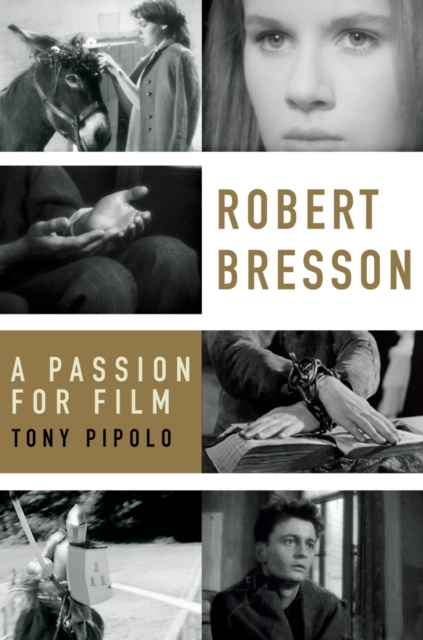
Perhaps the most highly regarded French filmmaker after Jean Renoir, Robert Bresson created a new kind of cinema through meticulous refinement of the form's grammatical and expressive possibilities.
The editors of Ethics at the Cinema invited a diverse group of moral philosophers and philosophers of film to engage with ethical issues raised within, or within the process of viewing, a single film of each contributor's choice.
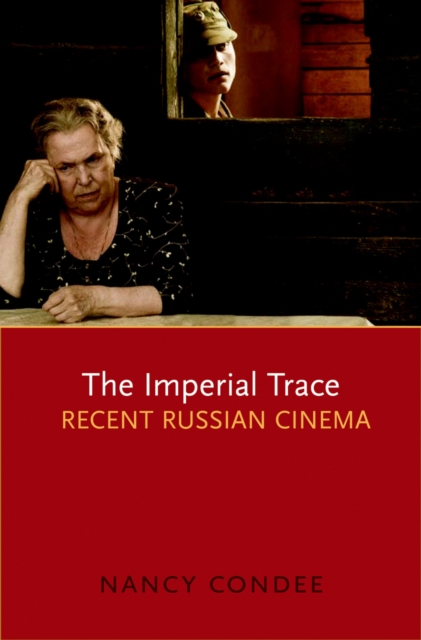
The collapse of the USSR seemed to spell the end of the empire, yet it by no means foreclosed on Russia's enduring imperial preoccupations, which had extended from the reign of Ivan IV over four and a half centuries.
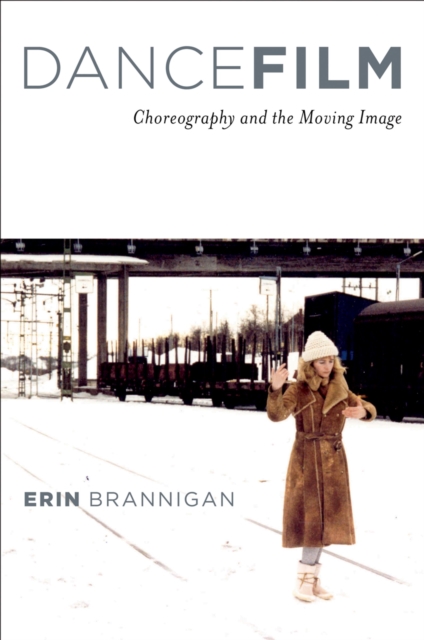
Dancefilm: Choreography and the Moving Image examines the choreographic in cinema - the way choreographic elements inform cinematic operations in dancefilm.
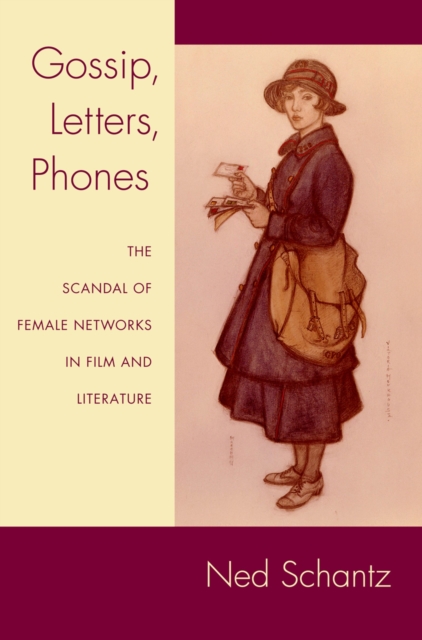
Although female communication networks abound in many contexts and have received a good measure of critical scrutiny, no study has addressed their unique significance within narrative culture writ large.
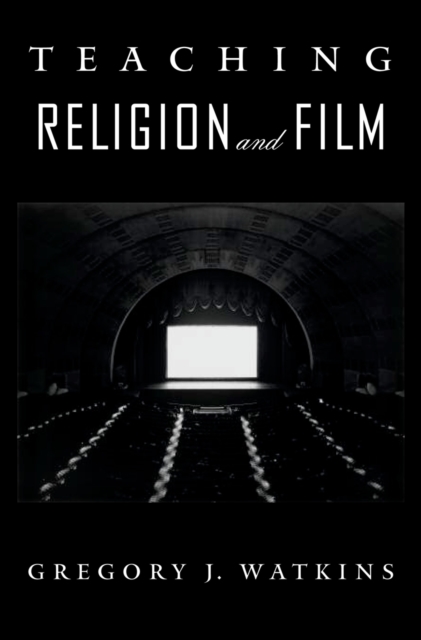
In a culture increasingly focused on visual media, students have learned not only to embrace multimedia presentations in the classroom, but to expect them.
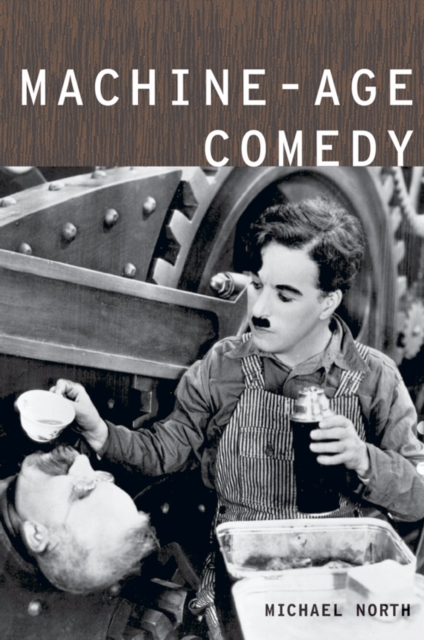
In this latest addition to Oxford's Modernist Literature & Culture series, renowned modernist scholar Michael North poses fundamental questions about the relationship between modernity and comic form in film, animation, the visual arts, and literature.
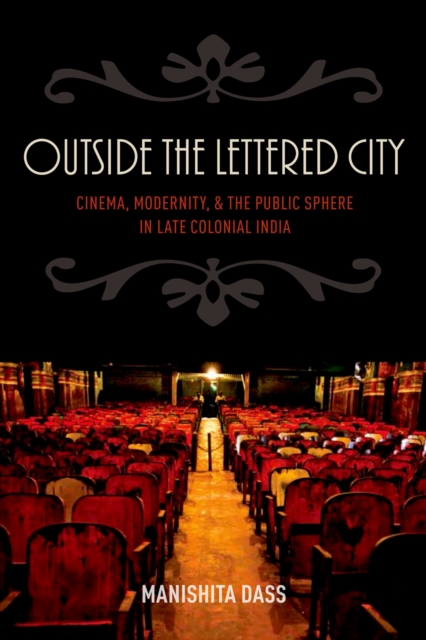
Outside the Lettered City traces how middle-class Indians responded to the rise of the cinema as a popular form of mass entertainment in early 20th century India, focusing on their preoccupation with the mass public made visible by the cinema and with the cinema's role as a public sphere and a mass medium of modernity.
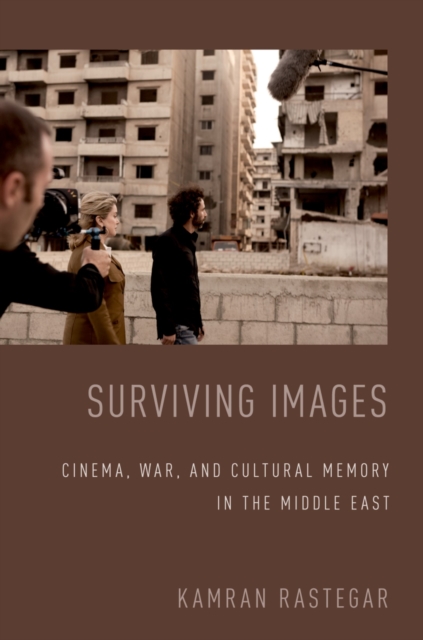
Surviving Images explores the prominent role of cinema in the development of cultural memory around war and conflict in colonial and postcolonial contexts.
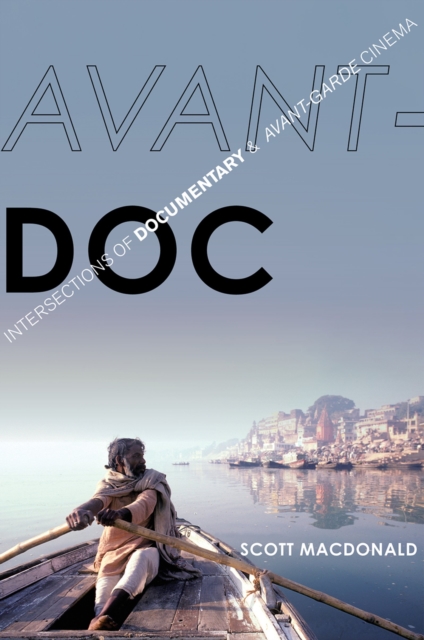
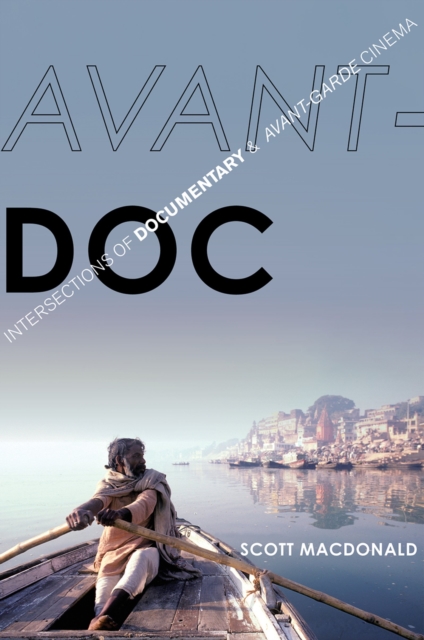
MacDonald explores the cinematic territory between the traditional categories of "e;documentary"e; and "e;avant-garde"e; film, through candid, in-depth conversations with filmmakers whose work has challenged these categories.
MacDonald explores the cinematic territory between the traditional categories of "e;documentary"e; and "e;avant-garde"e; film, through candid, in-depth conversations with filmmakers whose work has challenged these categories.
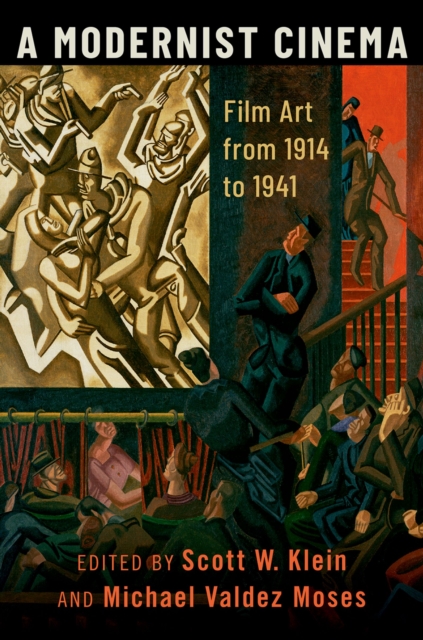
In A Modernist Cinema, sixteen distinguished scholars in the field of the New Modernist Studies explore the interrelationships among modernism, cinema, and modernity.
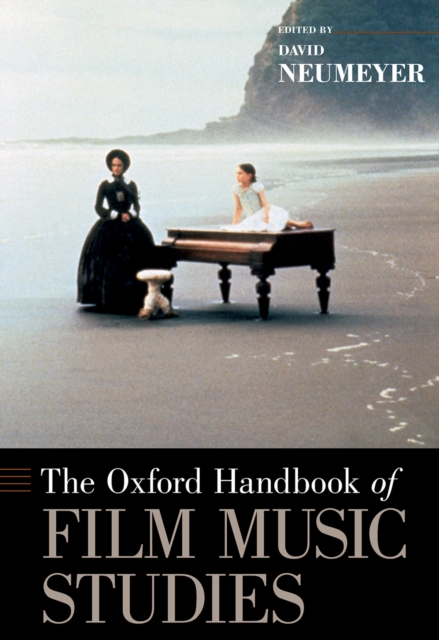
A theory of the soundtrack is concerned with what belongs to the soundtrack, how a soundtrack is effectively organized, how its status in a multimedia object affects the nature of the object, the tools available for its analysis, and the interpretive regime that the theory mandates for determining the meaning, sense, and structure that sound and music bring to film and other audiovisual media.
The Age of New Waves examines the origins of the concept of the "e;new wave"e; in 1950s France and the proliferation of new waves in world cinema over the past three decades.
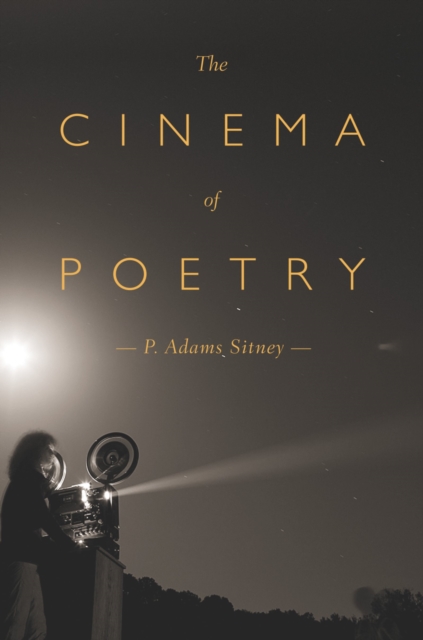
Informed by the criticism of iconic filmmaker Pier Pasolini, The Cinema of Poetry offers spirited explorations of poetry's influence on classic films by Dimitri Kirsanoff, Ingmar Bergman, and Andrey Tarkovsky.
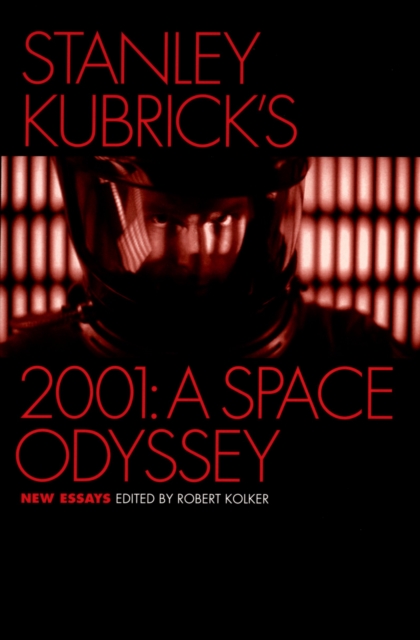
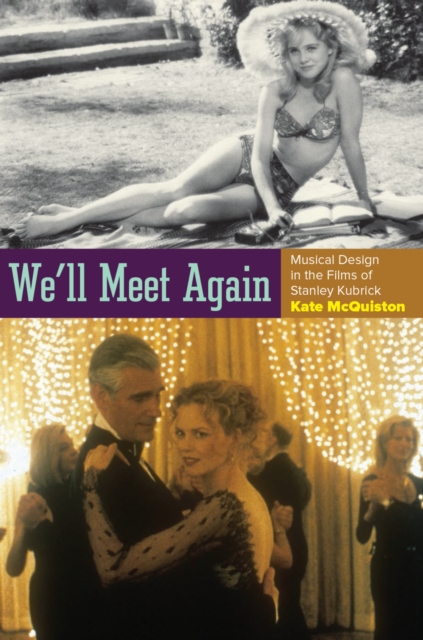
Unique and often startling encounters between music and the moving image in the films of Stanley Kubrick are trademarks of his style; witness the powerful effects of Strauss's "e;Also Sprach Zarathustra"e; in 2001: A Space Odyssey and of Beethoven's 9th Symphony in A Clockwork Orange, each excerpt vetted by Kubrick himself.
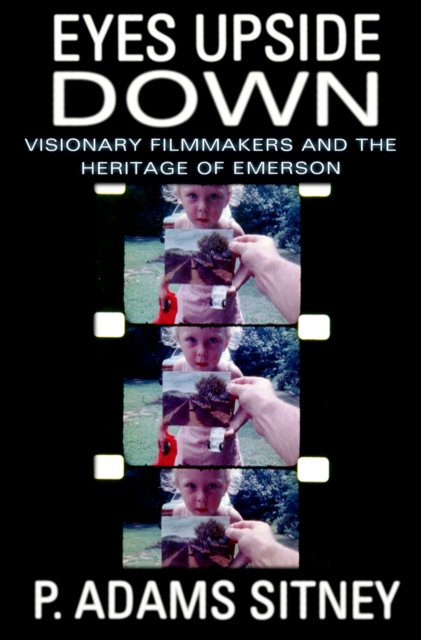
Sitney analyzes in detail the work of eleven American avant-garde filmmakers as heirs to the aesthetics of exhilaration and innovative vision articulated by Ralph Waldo Emerson and explored by John Cage, Charles Olson and Gertrude Stein.
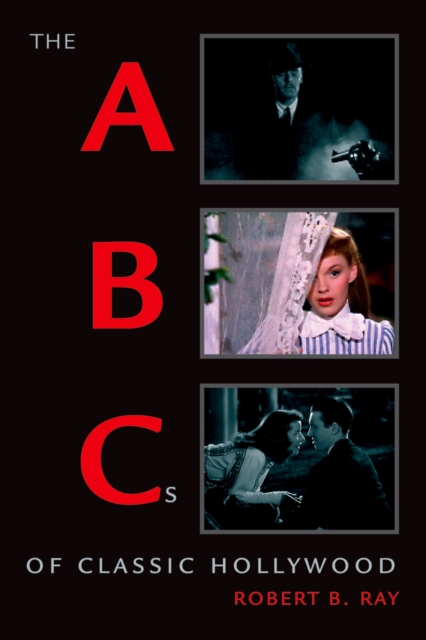
Speaking about the kind of filmmaking now known as Classic Hollywood, the most popular and influential cinema ever invented, Vincente Minnelli once gave away its secret: "e;I feel that a picture that stays with you is made up of a hundred or more hidden things.
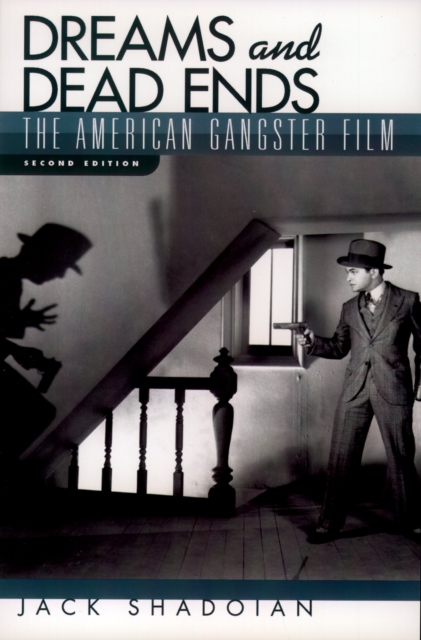
The second edition of this classic study provides a reintroduction to some of the major films and theoretical considerations of film noir and gangster films in twentieth-century America.
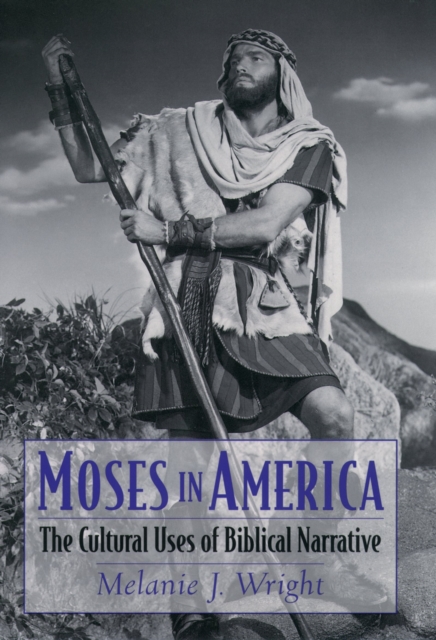
This book explores the retelling of the life of Moses in three 20th-century American narratives: Moses in Red, by Lincoln Steffens; Moses, Man of the Mountain, by Zora Neale Hurston; and Cecil B.
Movies play a central role in shaping our understanding of crime and the world generally, helping us define what is good and bad, desirable and unworthy, lawful and illicit, strong and weak.