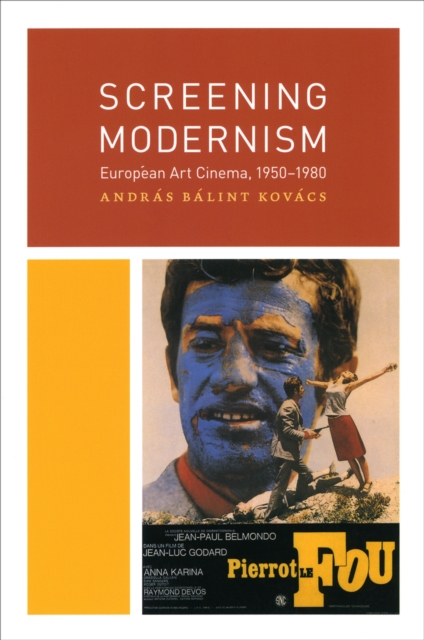
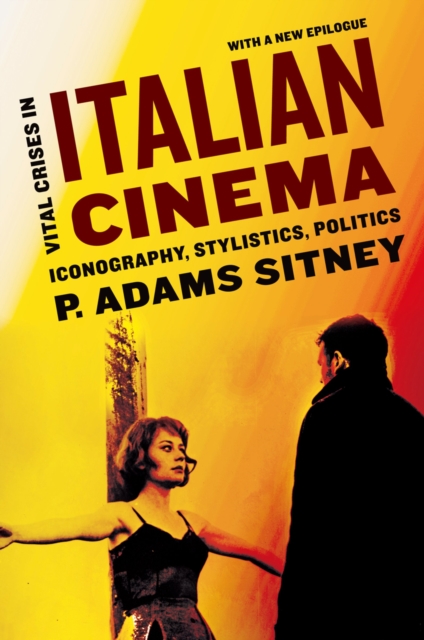
Casting fresh light on the renowned productions of auteurs like Antonioni, Fellini, and Bresson and drawing out from the shadows a range of important but lesser-known works, Screening Modernism is the first comprehensive study of European art cinema's postwar heyday.
In the French filmmaker Robert Bresson's cinematography, the linkage of fragmented, dissimilar images challenges our assumption that we know either what things are in themselves or the infinite ways in which they are entangled.
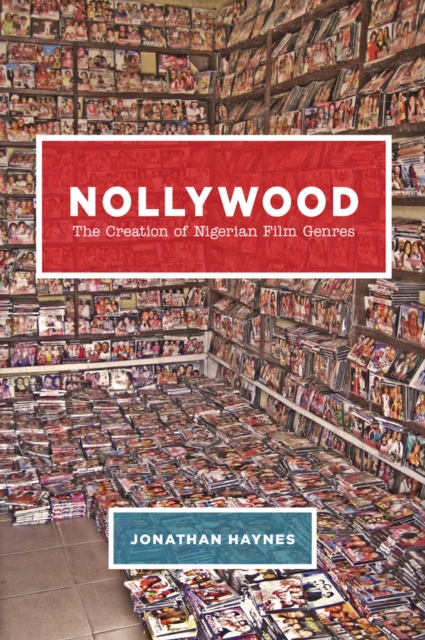
Nigeria's Nollywood has rapidly grown into one of the world's largest film industries, radically altering media environments across Africa and in the diaspora; it has also become one of African culture's most powerful and consequential expressions, powerfully shaping how Africans see themselves and are seen by others.
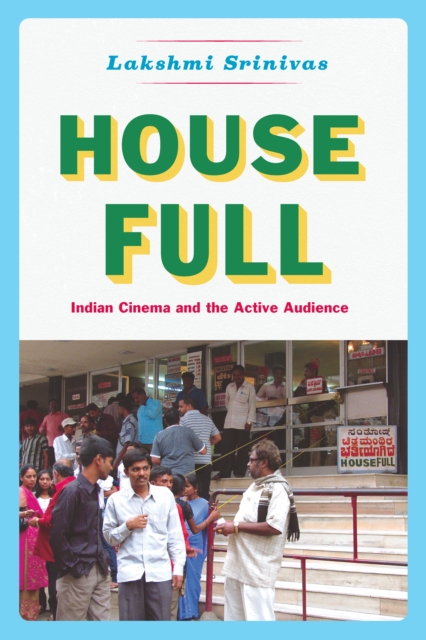
India is the largest producer and consumer of feature films in the world, far outstripping Hollywood in the number of movies released and tickets sold every year.
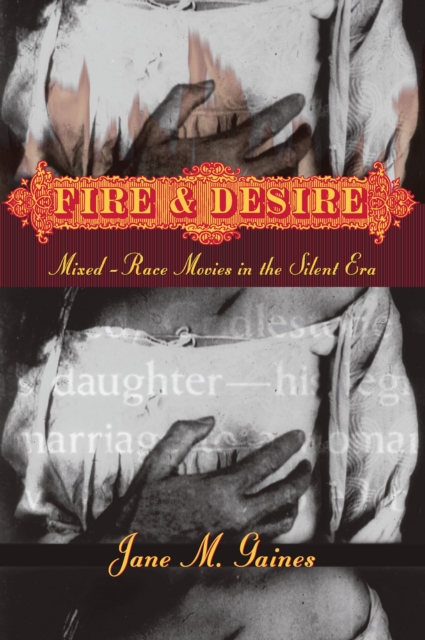
In the silent era, American cinema was defined by two separate and parallel industries, with white and black companies producing films for their respective, segregated audiences.
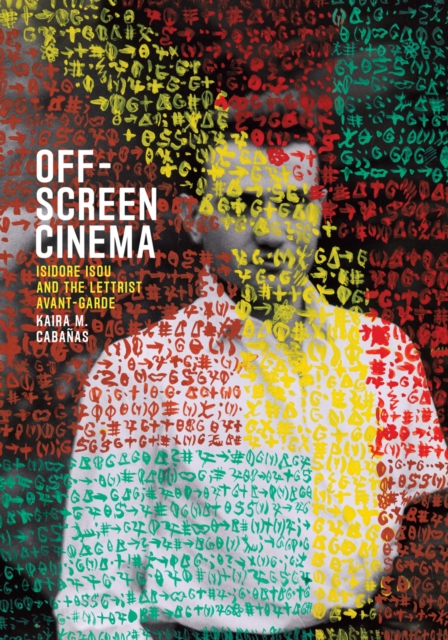
One of the most important avant-garde movements of postwar Paris was Lettrism, which crucially built an interest in the relationship between writing and image into projects in poetry, painting, and especially cinema.
Silent cinema and contemporaneous literature explored themes of mesmerism, possession, and the ominous agency of corporate bodies that subsumed individual identities.
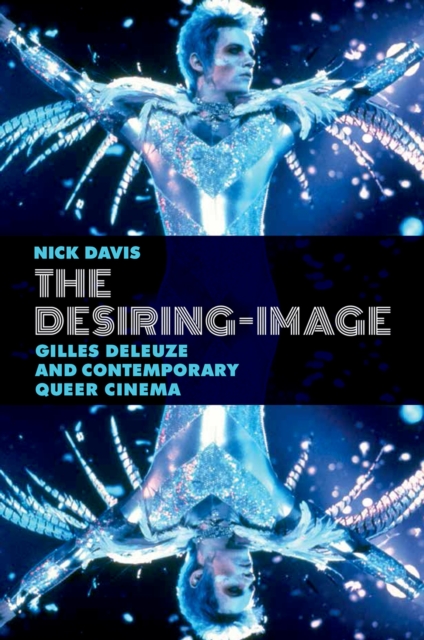
The Desiring-Image yields new models of queer cinema produced since the late 1980s, based on close formal analysis of diverse films as well as innovative contributions to current film theory.
The Desiring-Image yields new models of queer cinema produced since the late 1980s, based on close formal analysis of diverse films as well as innovative contributions to current film theory.
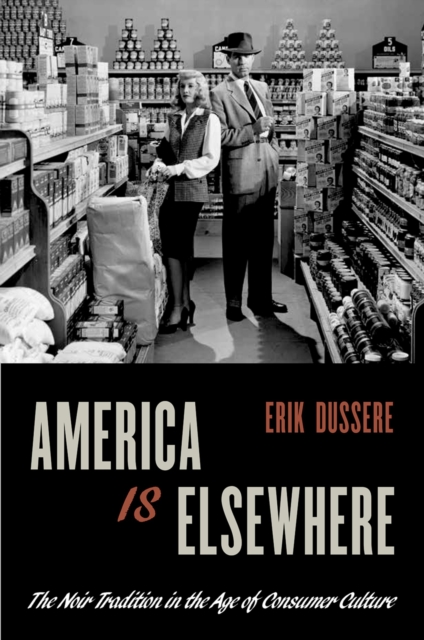
America is Elsewhere provides a rigorous and creative reconsideration of hard-boiled crime fiction and the film noir tradition within three related postwar contexts: 1) the rise of the consumer republic in the United States after World War II 2) the challenge to traditional notions of masculinity posed by a new form of citizenship based in consumption, and 3) the simultaneous creation of "e;authenticity effects"e; -- representational strategies designed to safeguard an image of both the American male and America itself outside of and in opposition to the increasingly omnipresent marketplace.
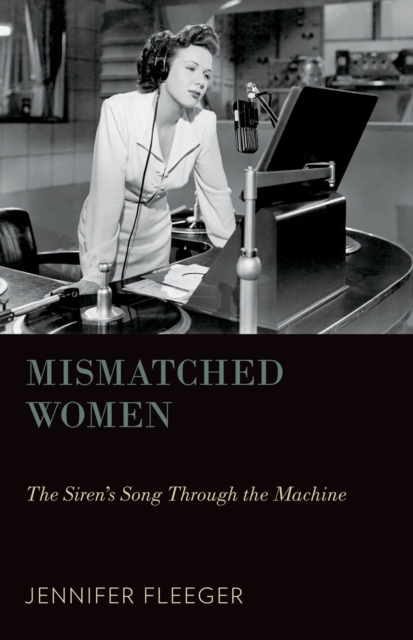
In Mismatched Women, author Jennifer Fleeger introduces readers to a lineage of women whose voices do not "e;match"e; their bodies by conventional expectations, from George du Maurier's literary Trilby to Metropolitan Opera singer Marion Talley, from Snow White and Sleeping Beauty to Kate Smith and Deanna Durbin.
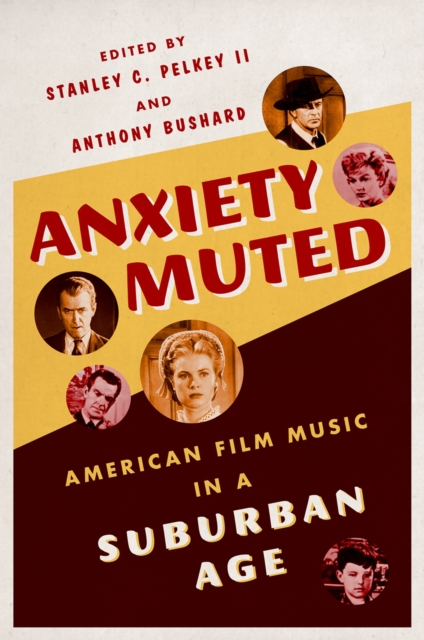
The most familiar entertainment icons and storylines from the 1950s and 60s remain potent signs that continue to resonate within contemporary American society and culture.
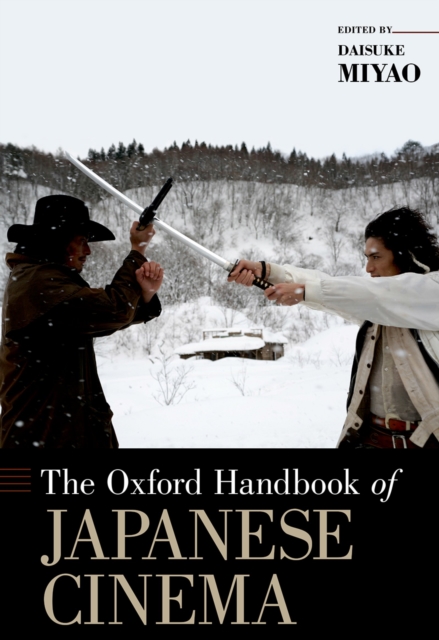
The reality of transnational innovation and dissemination of new technologies, including digital media, has yet to make a dent in the deep-seated culturalism that insists on reinscribing a divide between the West and Japan.
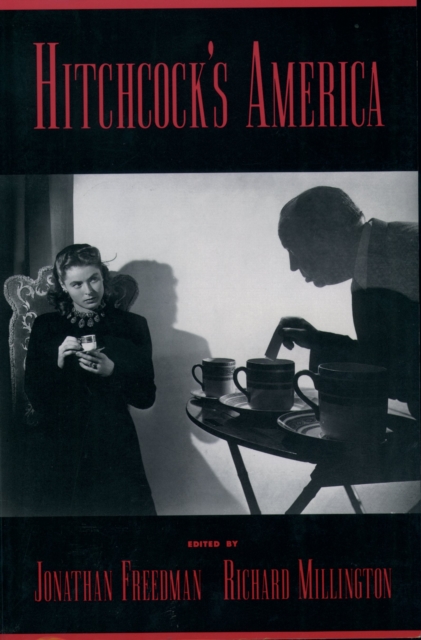
Alfred Hitchcock's American films are not only among the most admired works in world cinema, they also offer some of our most acute responses to the changing shape of American society in the 1940s, 50s, and 60s.
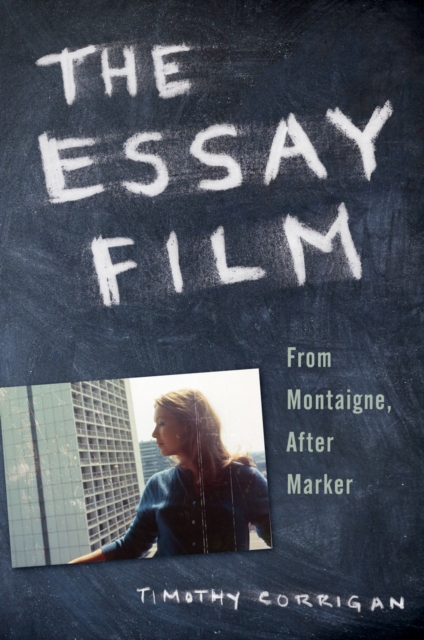
Why have certain kinds of documentary and non-narrative films emerged as the most interesting, exciting, and provocative movies made in the last twenty years?
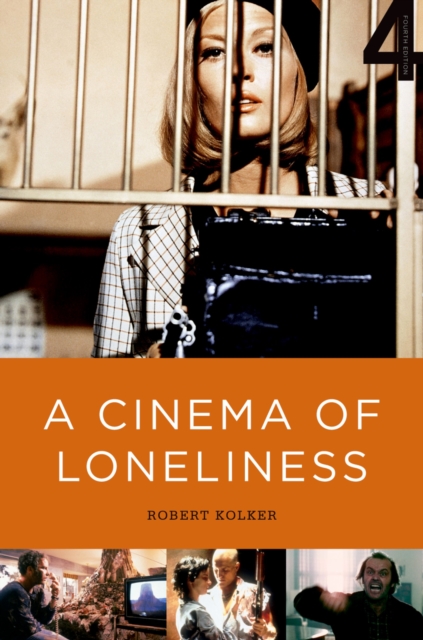
An updated and expanded version of this classic study of contemporary American film, the new edition of A Cinema of Loneliness reassesses the landscape of American cinema over the past decade, incorporating discussions of directors like Judd Apatow and David Fincher while offering assessments of the recent, and in some cases final, work from the filmmakers--Penn, Scorsese, Stone, Altman, Kubrick--at the book's core.
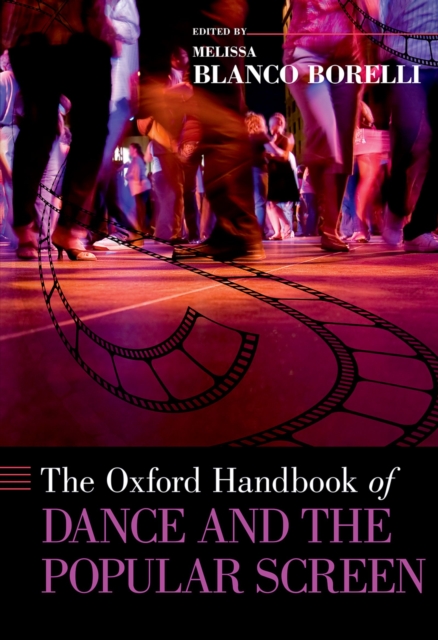
The Oxford Handbook of Dance and the Popular Screen sets the agenda for the study of dance in popular moving images - films, television shows, commercials, music videos, and YouTube - and offers new ways to understand the multi-layered meanings of the dancing body by engaging with methodologies from critical dance studies, performance studies, and film/media analysis.
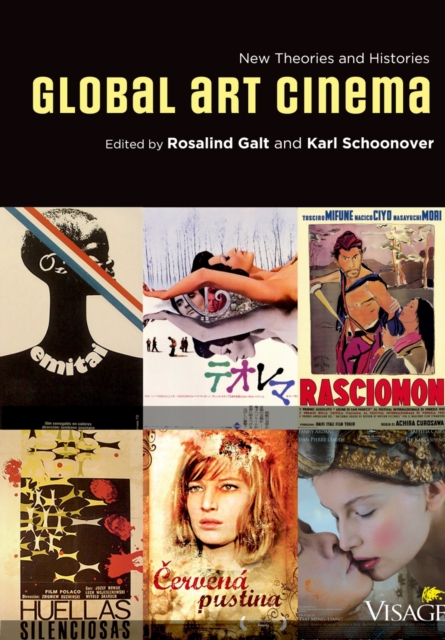
"e;Art cinema"e; has for over fifty years defined how audiences and critics imagine film outside Hollywood, but surprisingly little scholarly attention has been paid to the concept since the 1970s.
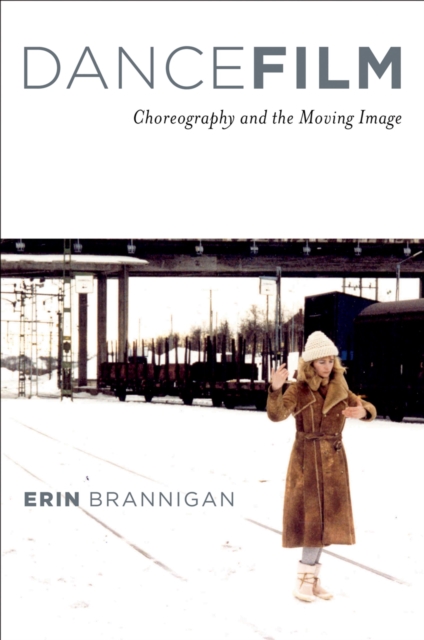
Dancefilm: Choreography and the Moving Image examines the choreographic in cinema - the way choreographic elements inform cinematic operations in dancefilm.
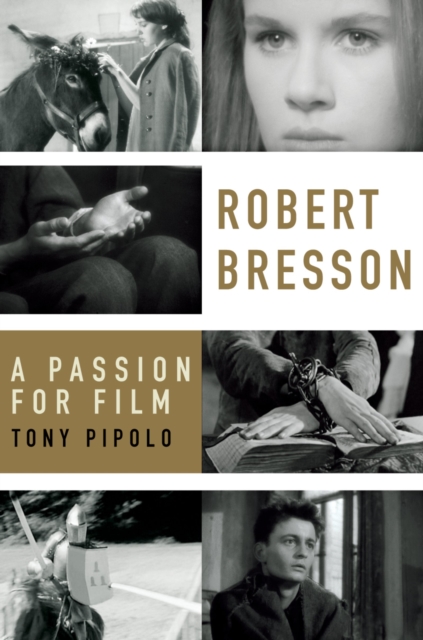
Perhaps the most highly regarded French filmmaker after Jean Renoir, Robert Bresson created a new kind of cinema through meticulous refinement of the form's grammatical and expressive possibilities.
Mechanical Witness is the first cultural and legal history charting the changing role and theoretical implications of film and video use as courtroom evidence.
Critics hailed previous editions of Visionary Film as the most complete work written on the exciting, often puzzling, and always controversial genre of American avant-garde film.
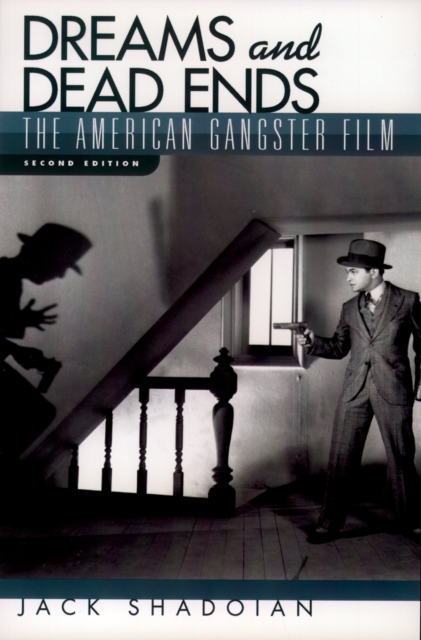
The second edition of this classic study provides a reintroduction to some of the major films and theoretical considerations of film noir and gangster films in twentieth-century America.
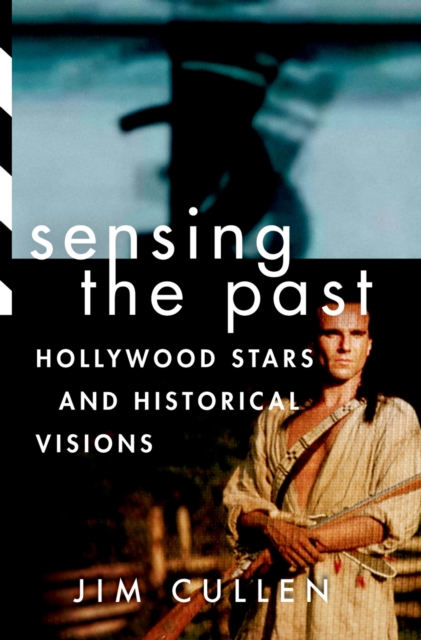
The immediacy and perceived truth of the visual image, as well as film and television's ability to propel viewers back into the past, place the genre of the historical film in a special category.
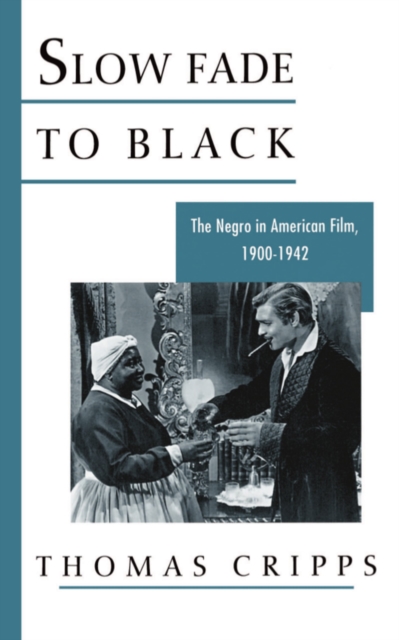
Set against the backdrop of the black struggle in society, Slow Fade to Black is the definitive history of African-American accomplishment in film--both before and behind the camera--from the earliest movies through World War II.
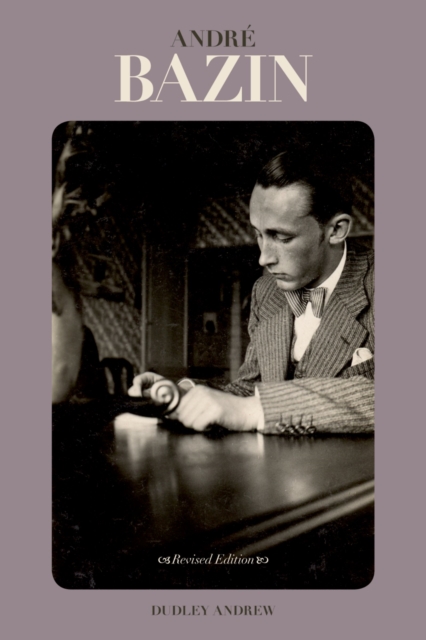
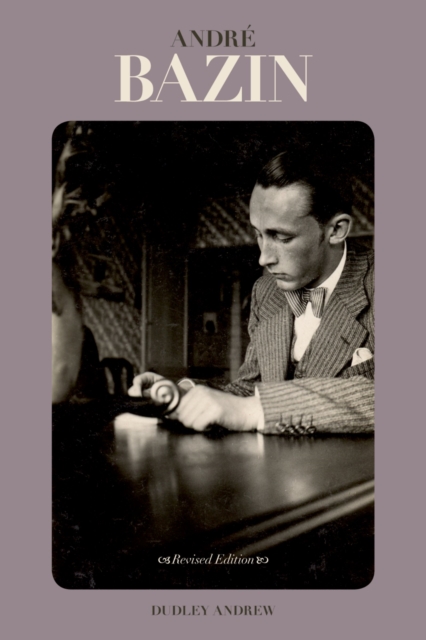
Both a history of film theory and an introduction to the work of the most important writers in the field, Andrew's volume reveals the bases of thought of such major theorists as Munsterberg, Arnheim, Eisenstein, Balazs, Kracauer, Bazin, Mitry, and Metz.
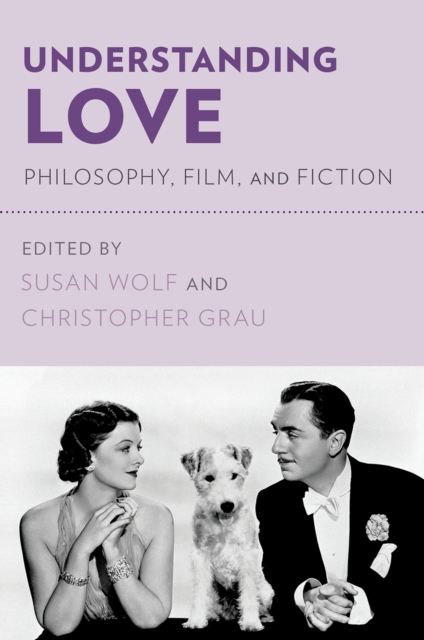
This collection of original essays, written by scholars from disciplines across the humanities, addresses a wide range of questions about love through a focus on individual films, novels, plays, and works of philosophy.
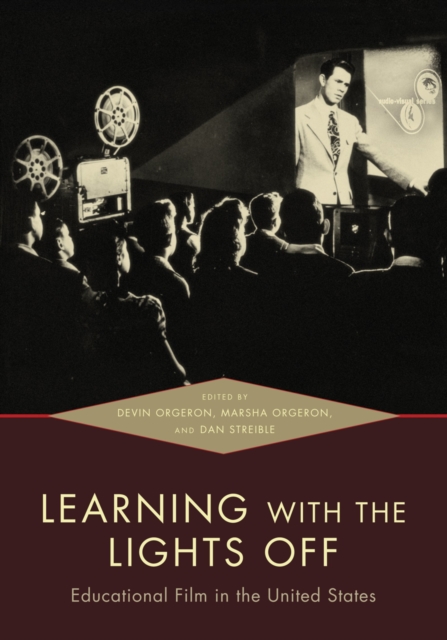
A vastly influential form of filmmaking seen by millions of people, educational films provide a catalog of twentieth century preoccupations and values.
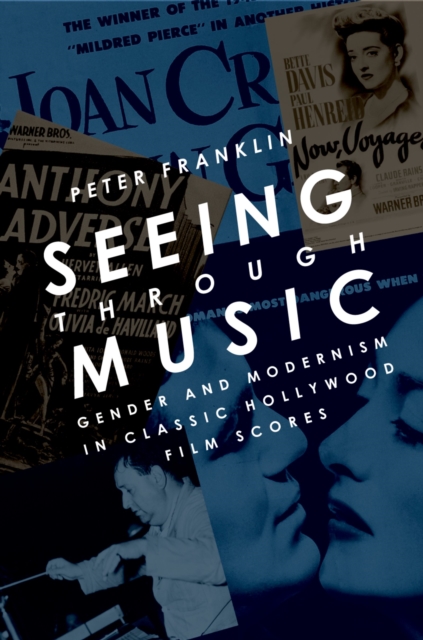
Hollywood film music is often mocked as a disreputably 'applied' branch of the art of composition that lacks both the seriousness and the quality of the classical or late-romantic concert and operatic music from which it derives.
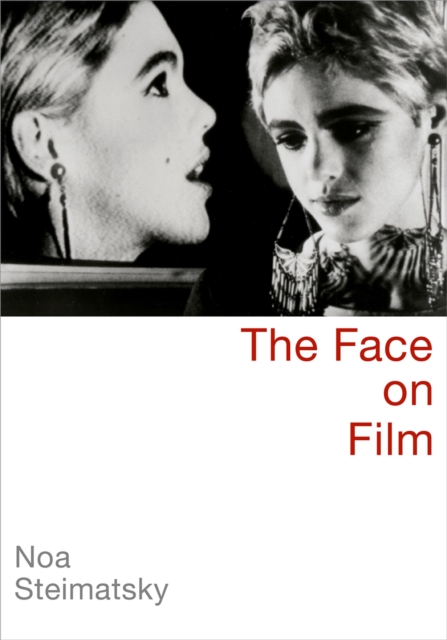
The human face was said to be rediscovered with the advent of motion pictures, in which it is often viewed as expressive locus, as figure, and even as essence of the cinema.
The Age of New Waves examines the origins of the concept of the "e;new wave"e; in 1950s France and the proliferation of new waves in world cinema over the past three decades.
Cinema by Other Means explores avant-garde endeavors to practice the cinema by using the materials and the techniques different from those commonly associated with the cinematographic apparatus.