This collection examines two recent phenomena: the return of realist tendencies and practices in world cinema and television, and the 'rehabilitation' of realism in film and media theory.
Taking as its point of departure the three recurrent themes of nostalgia, memory and local histories, this book is an attempt to map out a new poetics - the 'post-nostalgic imagination' - in Hong Kong cinema in the first decade of Chinese rule.
The first sustained examination of the depiction of American suburbia in gothic and horror films, television and literature from 1948 to the present day.
Over the past two decades, theatre practitioners across the West have turned to documentary modes of performance-making to confront new socio-political realities.
An exploration of the relationship between cinema and existentialism, in terms of their mutual ability to describe the human condition, this book combines analyses of topics in the philosophy of film with an exploration of specific existentialist themes expressed in the films of Fellini, Bergman and Woody Allen, among others.
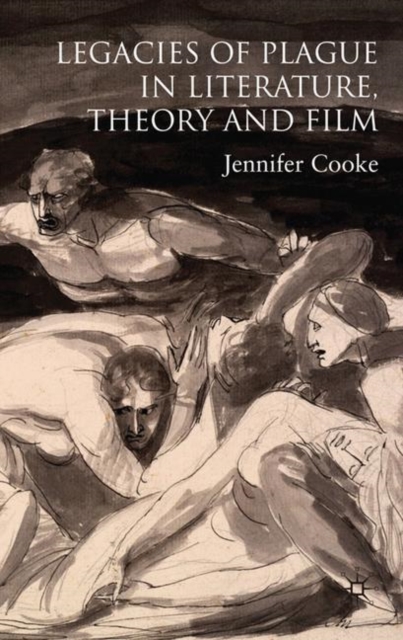
This book is an account of the history and continuation of plague as a potent metaphor since the disease ceased to be an epidemic threat in Western Europe, engaging with twentieth-century critiques of fascism, anti-Semitic rhetoric, the Oedipal legacy of psychoanalysis and its reception, and film spectatorship and the zombie genre.
In this timely volume, fourteen international contributors explore the relationship between media and trust, beginning with an examination of the decline of trust in key institutions.
The first major overview of the field of film history in twenty years, this book offers a wide-ranging account of the methods, sources and approaches used by modern film historians.
This book explores the role of emotion and affect in recent Latin American cinema (1990s-2000s) in the context of larger public debates about past traumas and current anxieties.
An exploration of the social significance of Shrek from a variety of theoretical perspectives, this book pursues two different, yet intertwined objectives.
Drawing on interviews with producers, directors, and scholars, and examining the DVD's supplementary features, this book explores how the format, at its best, combines the enthusiasm of a fan, cinematic nostalgia, and scholarly insight.
Exploring the dead/alive figure in such films as The Ring, American Beauty , and The Elephant Man , Vincent Hausmann charts the spectacular reduction of psychic life and assesses calls for shoring up psychic/social spaces that transfer bodily drives to language.
A groundbreaking study of Taiwan cinema, Hong provides helpful insight into how it is taught and studied by taking into account not only the auteurs of New Taiwan Cinema, but also the history of popular genre films before the 1980s.
When themes of historical and cultural identity appear and repeat in popular film, it is possible to see the real pulse of a nation and comprehend a people, their culture and their history.
Engaging some of the most canonical and thought-provoking anime, manga, and science fiction films, Tokyo Cyberpunk offers insightful analysis of Japanese visual culture.
This study seeks to understand the form of cinematic space referred to as 'the landscape of the mind,' in which natural, outdoor settings serve as outward manifestations of characters' inner subjective states.
Cinema After Fascism considers how postwar European films glance ambivalently backward from the postwar period to the fascist era and delves into issues of gender certainties and spectatorship.
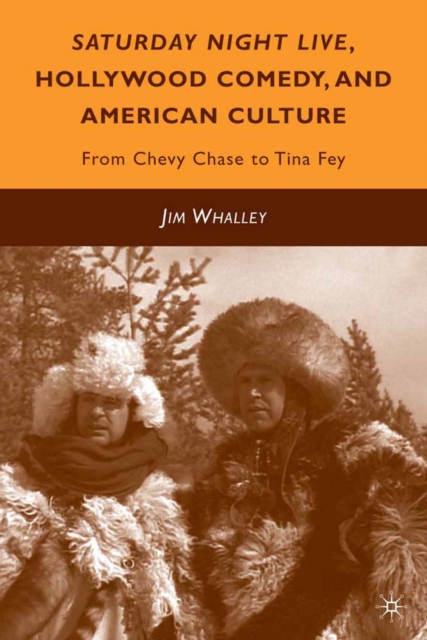
Saturday Night Live, Hollywood Comedy, and American Culture sheds new light on the ways in which Saturday Night Live s confrontational, boundary-pushing approach spilled over into film production, contributing to some of the biggest hits in Hollywood history, such as National Lampoon s Animal House, Ghostbusters, and Beverly Hills Cop.
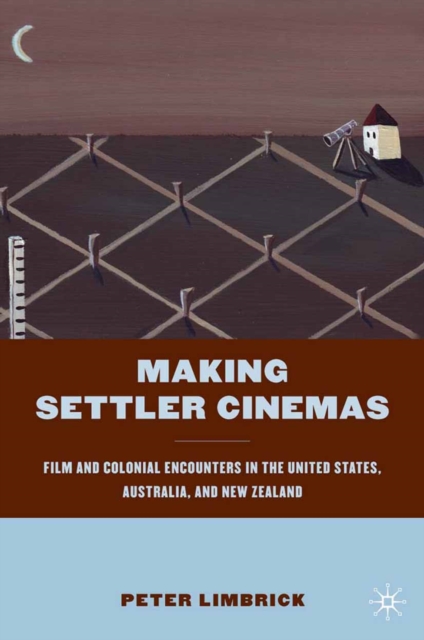
Through a shrewd analysis of the historical experience of imperialism and settler colonialism, Limbrick draws new conclusions about their effect on cinematic production, distribution, reception and filmic discourse.
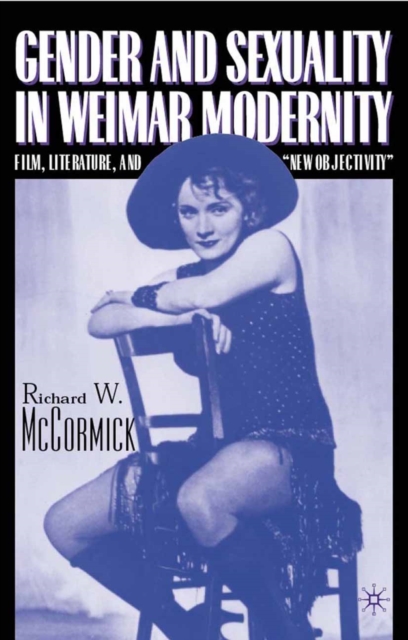
Richard McCormick takes a fresh look at the crisis of gender in Weimar Germany through the analysis of selected cultural texts, both literary and film, characterized under the label 'New Objectivity'.
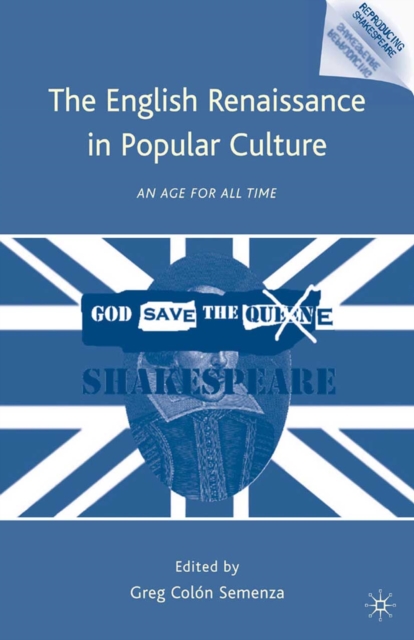
This book considers popular culture's confrontations with the history, thought, and major figures of the English Renaissance through an analysis of 'period films,' television productions, popular literature, and punk music.
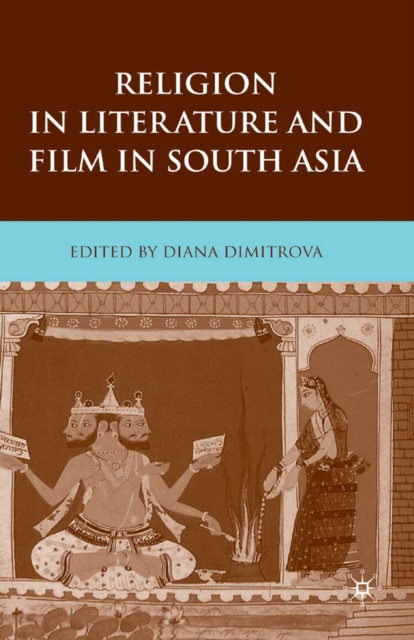
This innovative, interdisciplinary collection of essays by scholars based in Europe and the United States offers stimulating approaches to the role played by religion in present-day South Asia.
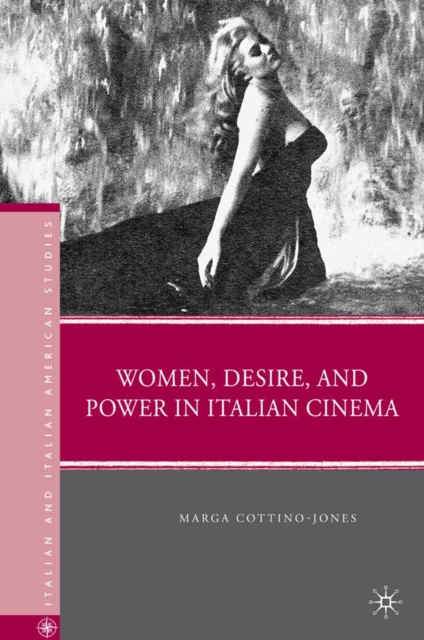
Women, Desire, and Power in Italian Cinema offers, for the first time in Italian Cinema criticism, a contextual study of the representation of women in twentieth-century Italian films.
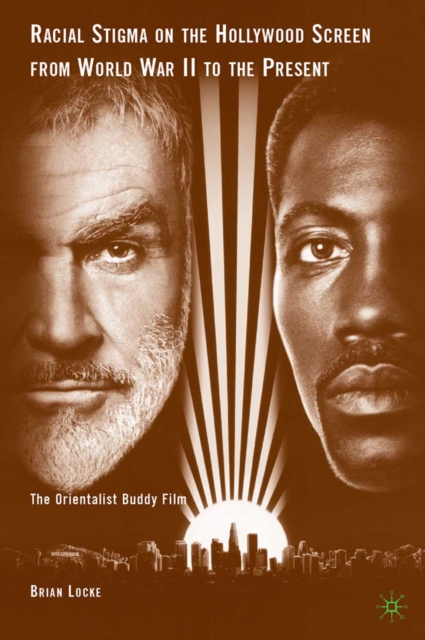
Racial Stigma on the Hollywood Screen from WWII to the Present charts how the dominant white and black binary of American racial discourse influences Hollywood s representation of the Asian.
This book is the first interdisciplinary treatment of the cultural significance of the Decembrists' mythic image in Russian literature, history, film and opera in a survey of its deployment as cultural trope since the original 1825 rebellion and through the present day.
Weyward Macbeth, a volume of entirely new essays, provides innovative, interdisciplinary approaches to the various ways Shakespeare's 'Macbeth' has been adapted and appropriated within the context of American racial constructions.
Bringing together cultural history, visual studies, and media archaeology, Bruno considers the interrelations of projection, atmosphere, and environment.
Italian director Michelangelo Antonioni claimed, three decades ago, that different conceptions of time helped define the split in film between European humanism and American science fiction.
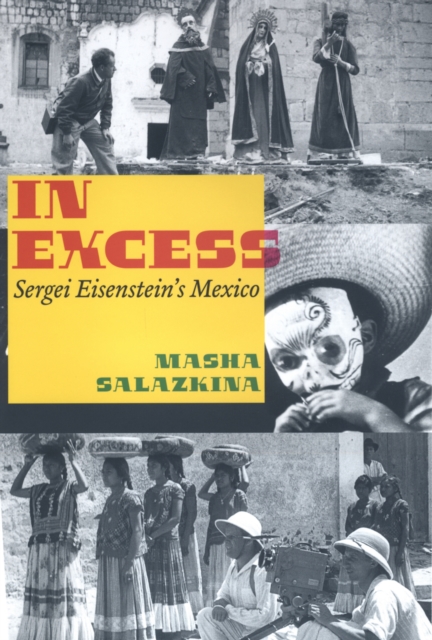
During the 1920s and '30s, Mexico attracted an international roster of artists and intellectuals-including Orson Welles, Katherine Anne Porter, and Leon Trotsky-who were drawn to the heady tumult engendered by battling cultural ideologies in an emerging center for the avant-garde.
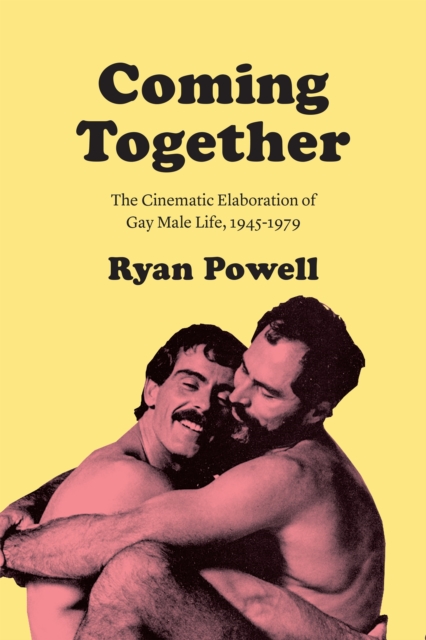
In Coming Together, Ryan Powell captures the social and political vitality of the first wave of movies made by, for, and about male-desiring men in the United States between World War II and the 1980s.
From the turn of the twentieth century through the late 1950s, Havana was a locus for American movie stars, with glamorous visitors including Errol Flynn, John Wayne, and Marlon Brando.
Leo Bersani, known for his provocative interrogations of psychoanalysis, sexuality, and the human body, centers his latest book on a surprisingly simple image: a newborn baby simultaneously crying out and drawing its first breath.
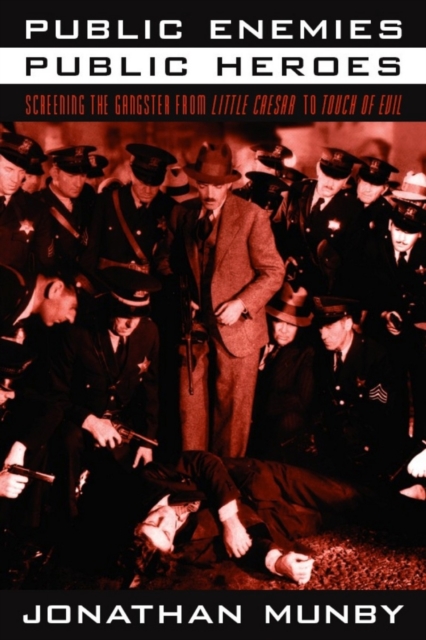
In this study of Hollywood gangster films, Jonathan Munby examines their controversial content and how it was subjected to continual moral and political censure.
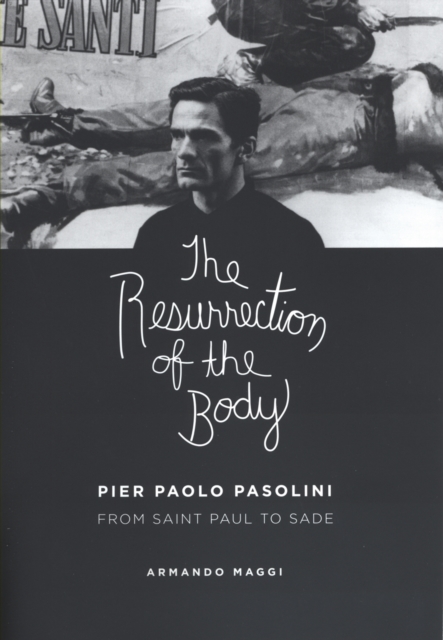
Italian novelist, poet, and filmmaker Pier Paolo Pasolini was brutally killed in Rome in 1975, a macabre end to a career that often explored humanity's capacity for violence and cruelty.