A comparative analysis of the evolution ofUK and German broadcasting policies, adding to the developing area of comparative research on media and communications policy.
Surveying irreverent and controversial representations of the Holocaust - from Sylvia Plath and the Sex Pistols to Quentin Tarantino and Holocaust comedy - Matthew Boswell considers how they might play an important role in shaping our understanding of the Nazi genocide and what it means to be human.
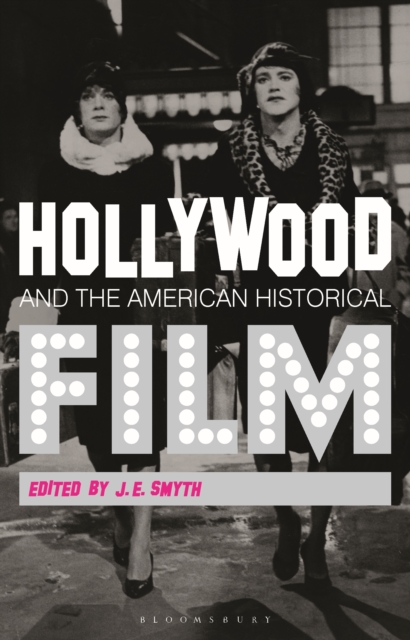
This definitive interdisciplinary collection by leading scholars probes the theoretical and historical contexts of films made about the American past, from silent film to the present.
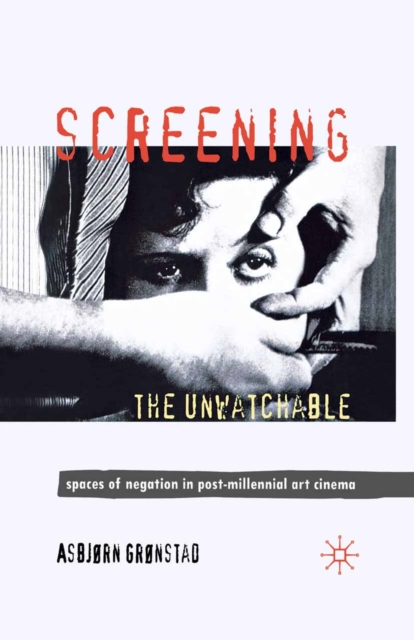
Tracing the rise of extreme art cinema across films from Lars von Trier's The Idiots to Michael Haneke's Cache, Asbjorn Gronstad revives the debate about the role of negation and aesthetics, and reframes the concept of spectatorship in ethical terms.
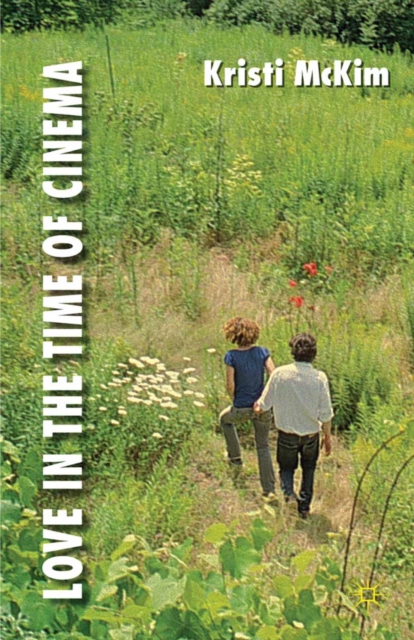
A critical appreciation of close relationships in the modern American movie, looking in detail at contemporary Hollywood films which explore intimacy and the connections of characters, their surroundings, and points of film style.
Kristi McKim offers close-analyses of films in which attachment and detachment, intimacy and distance, ephemera and endurance become more visible and meaningful.
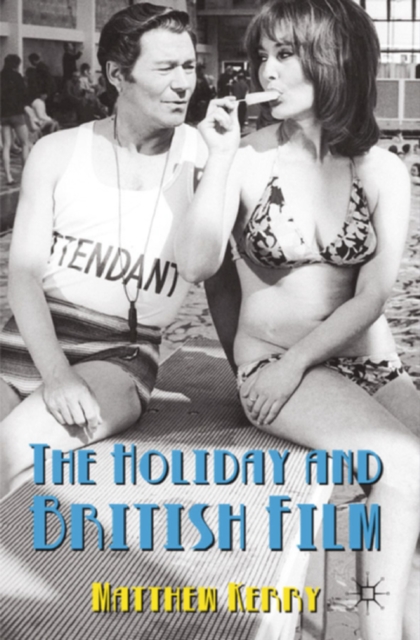
A refreshing insight into a previously neglected area of popular British cinema - the holiday film - including historical information about the British holiday and analyses of key films from the 1900s to the recent past.
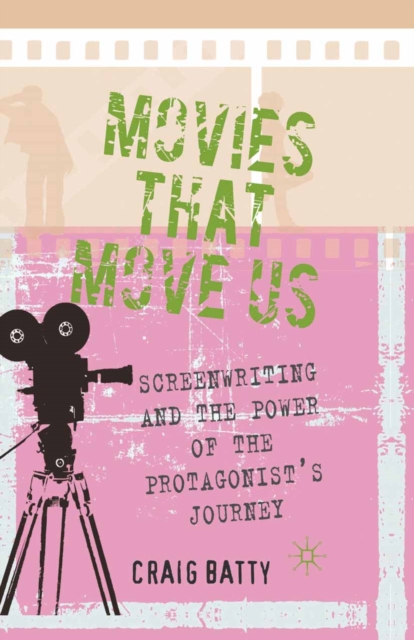
From a screenwriting perspective, Batty explores the idea that the protagonist's journey is comprised of two individual yet interwoven threads: the physical journey and the emotional journey.
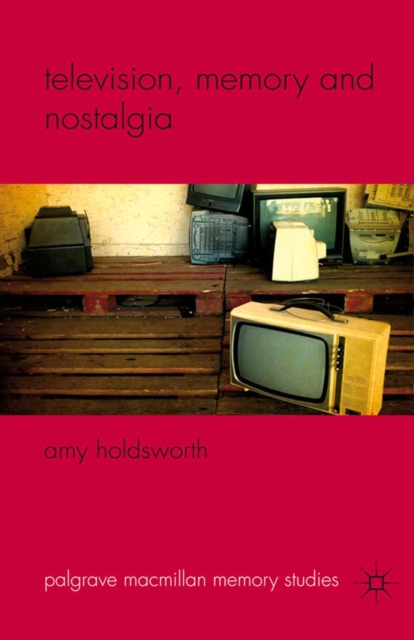
An innovative and original new study, Television, Memory and Nostalgia re-imagines the relationship between the medium and its forms of memory and remembrance through a series of case studies of British and North American programmes and practices.
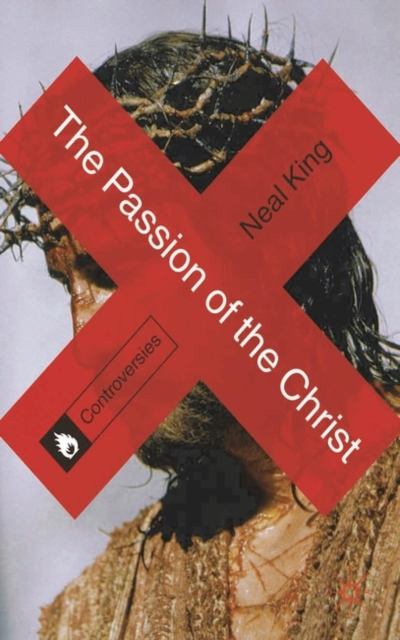
A study of controversies over The Passion of the Christ that shows how conservative Christians united in support of Mel Gibson and in opposition to liberal, secular and Jewish critics.
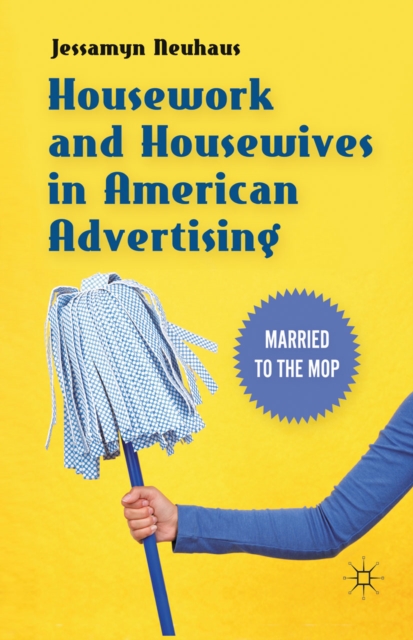
An analysis of how since the end of te 19th-century advertising agencies and their housework product clients utilized a remarkably consistent depiction of housewives and housework, illustrating that that although Second Wave feminism successfully called into question the housewife stereotype, homemaking has remained an American feminine ideal.
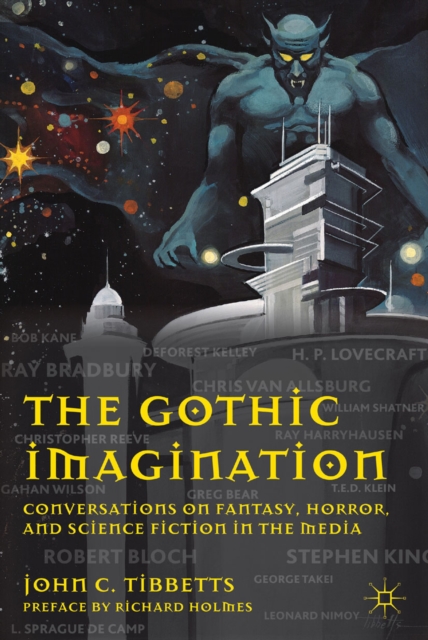
This book brings together the author's interviews with many prominent figures in fantasy, horror, and science fiction to examine the traditions and extensions of the gothic mode of storytelling over the last 200 years and its contemporary influence on film and media.
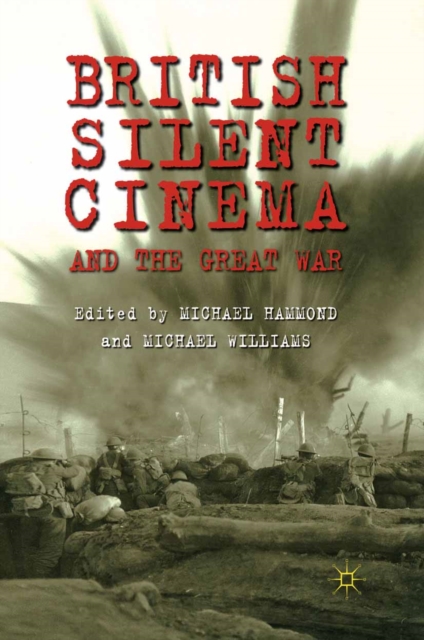
This innovative book presents for the first time detailed histories of the impact of the Great War on British cinema in the silent period, from actual war footage to fiction filmmaking.
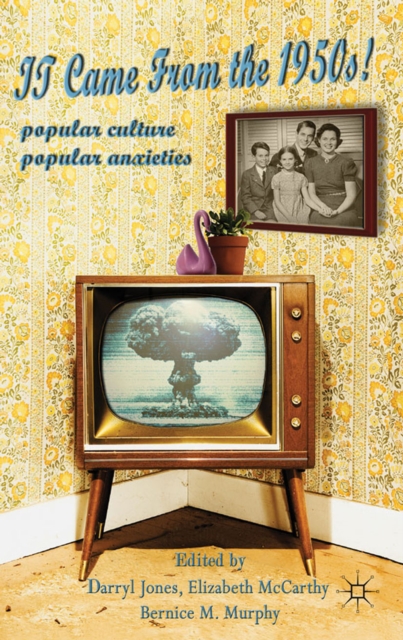
An eclectic and insightful collection of essays predicated on the hypothesis that popular cultural documents provide unique insights into the concerns, anxieties and desires of their times.
This book offers an up-to-date approach to the question of representing history through film, exploring how films represent crucial events in twentieth-century European history.
A lively and engaging study of on-screen and off-screen performances of masculinity, focusing on well-known male actors in American film and popular culture in the 1990s and 2000s.
Film and Female Consciousness analyses three contemporary films that offer complex and original representations of women's thoughtfulness and individuality: In the Cut (2003), Lost in Translation (2003) and Morvern Callar (2002).
This book is an original volume of essays that sheds new and critical light on current and emerging filmmaking trends and practices in China, Taiwan, Hong Kong, Japan and South Korea.
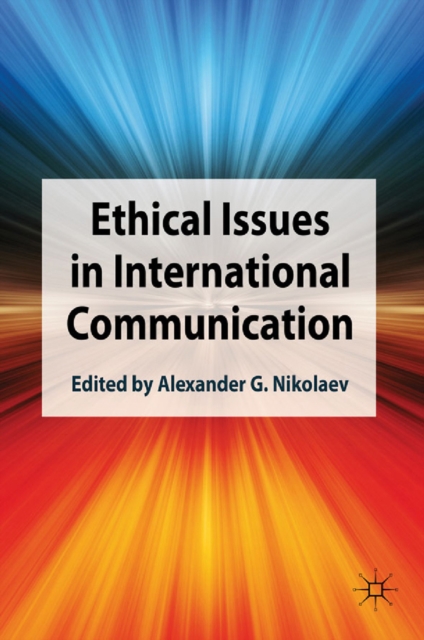
A collection of essays from scholars around the globe examining the ethical issues and problems associated with some of the major areas within contemporary international communication: journalism, PR, marketing communication, and political rhetoric.
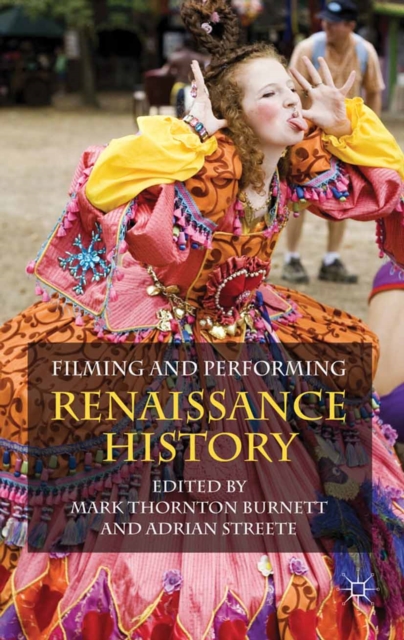
Over the last century, many 16th- and 17th-century events and personalities have been brought before home, cinema, exhibition, festival and theatrical audiences.
A collection of original essays from leading scholars in the field exploring the contemporary debates, concerns and controversies ongoing in Spanish film industry, culture and scholarship.
This timely study breaks new ground in exploring how recent film and television horror texts articulate a female rite of passage, updating the cautionary concerns found in fairy tales of the past, particularly in warning against predatory men, treacherous females and unhappy family situations.
Specially selected from The New Palgrave Dictionary of Economics 2nd edition, each article within this compendium covers the fundamental themes within the discipline and is written by a leading practitioner in the field.
This volume brings together scholars from across Europe to critically examine TV history programming in a period of political, economic and cultural change.
Boaz Hagin carries out a philosophical examination of the issue of death as it is represented and problematized in Hollywood cinema of the classical era (1920s-1950s) and in later mainstream films, looking at four major genres: the Western, the gangster film, melodrama and the war film.
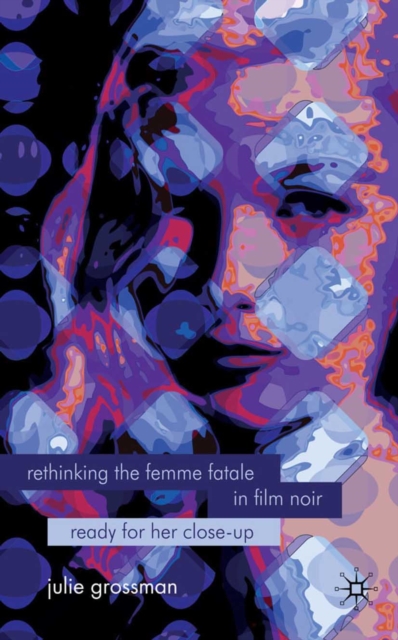
In the context of nineteenth-century Victorinoir and close readings of original-cycle film noir, Julie Grossman argues that the presence of the "femme fatale" figure, as she is understood in film criticism and popular culture, is drastically over-emphasized and has helped to sustain cultural obsessions with "bad" women.
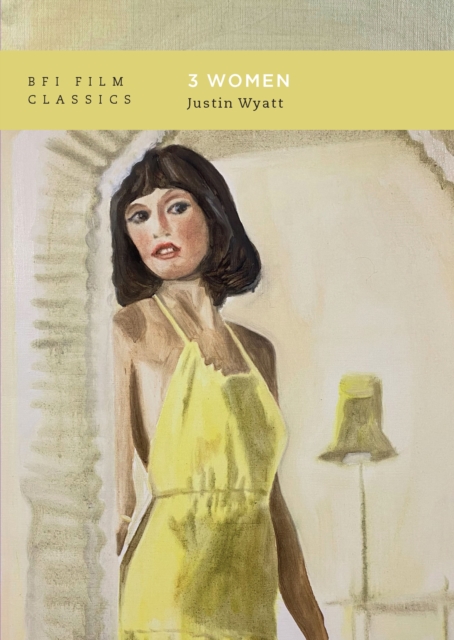
Released after the large-scale frescos of Nashville (1975) and Buffalo Bill and the Indians, or Sitting Bull's History Lesson (1976), 3 Women (1977) was seen as an intimate drama from director Robert Altman.
Martin Flanagan uses Bakhtin's notions of dialogism, chronotope and polyphony to address fundamental questions about film form and reception, focussing particularly on the way cinematic narrative utilises time and space in its very construction.
Belinda Smaill proposes an original approach to documentary studies, examining how emotions such as pleasure, hope, pain, empathy, nostalgia or disgust are integral both to the representation of selfhood in documentary, and to the way documentaries circulate in the public sphere.
One of the most popular, respected and controversial writers of the twentieth century, Greene's work has still attracted relatively little scholarly comment.