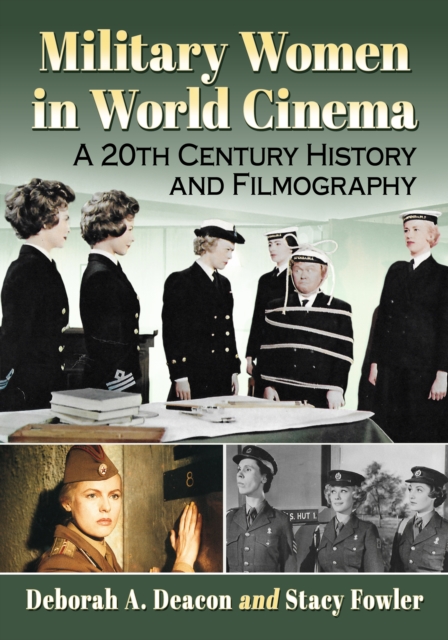
From British soldier Flora Sandes to the famed World War II Night Witches of the Soviet Air Force, women across the globe have stepped up to defend their countries during every major and minor conflict of the twentieth century, and filmmakers have long attempted to capture their stories.
Popular Music in Spanish Cinema analyses the aesthetics and stylistic development of soundtracks from national productions, considering how political instability and cultural diversity in Spain determined the ways of making art and managing culture.
Popular Music in Spanish Cinema analyses the aesthetics and stylistic development of soundtracks from national productions, considering how political instability and cultural diversity in Spain determined the ways of making art and managing culture.
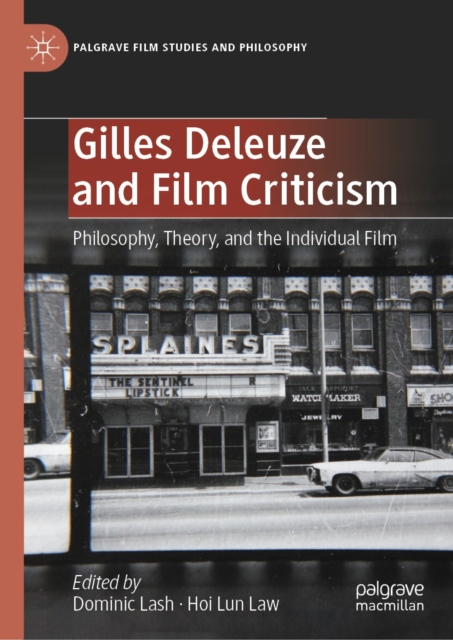
This book is the first collection of essays to offer detailed examinations of the role that close attention to individual films plays in the philosopher Gilles Deleuze's work on cinema.
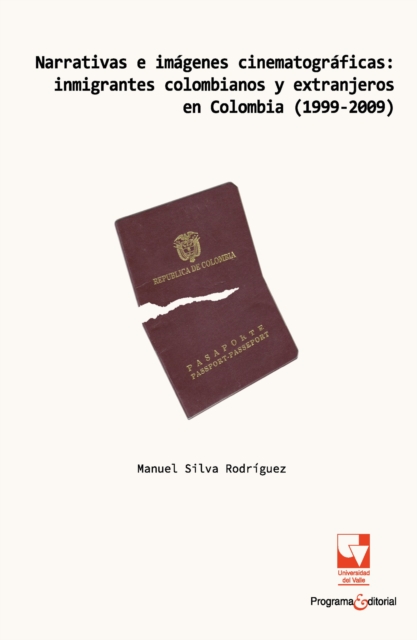
Ya que el cine de ficción nos posibilita rastrear discursos y construcciones simbólicas, nos permite reconocer narrativas e imágenes asociadas a la figuración de unos rasgos comunes, constantes o diversos de un posible "nosotros".
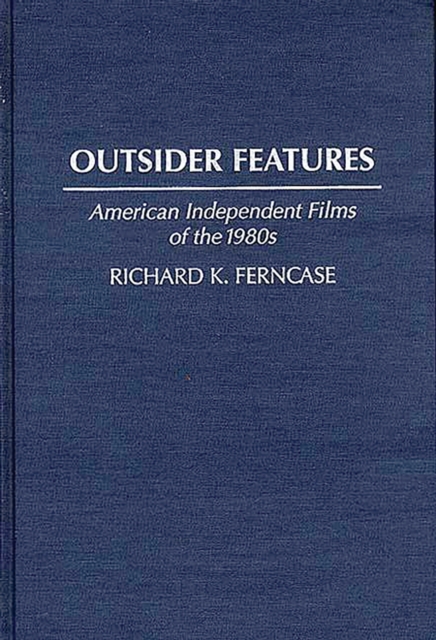
In the early 1980s, serious American independent films including Stranger Than Paradise, Blood Simple, and She's Gotta Have It attracted ever-widening audiences, culminating with Steven Soderbergh's award-winning sex, lies, and videotape.
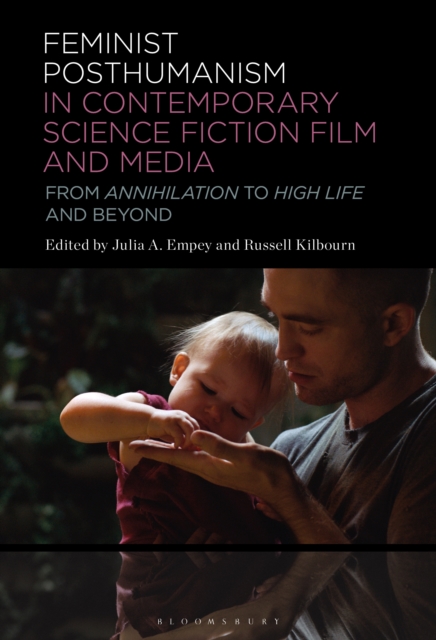
Feminist Posthumanism in Contemporary Science Fiction Film and Media: From Annihilation to High Life and Beyond places posthumanism and feminist theory into dialogue with contemporary science fiction film and media.
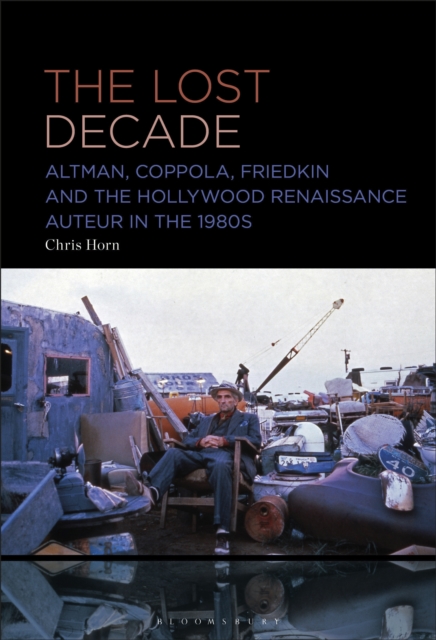
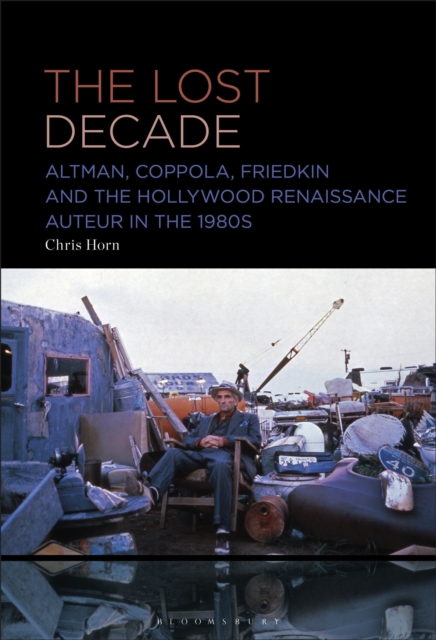
Provides an analysis of Hollywood from a fresh viewpoint that shows the careers of Robert Altman, Francis Coppola, William Friedkin, and others in the 1980s as far from conforming to a monolithic pattern of decline, but rather as diverse and complex responses to political and industrial changes.
Provides an analysis of Hollywood from a fresh viewpoint that shows the careers of Robert Altman, Francis Coppola, William Friedkin, and others in the 1980s as far from conforming to a monolithic pattern of decline, but rather as diverse and complex responses to political and industrial changes.
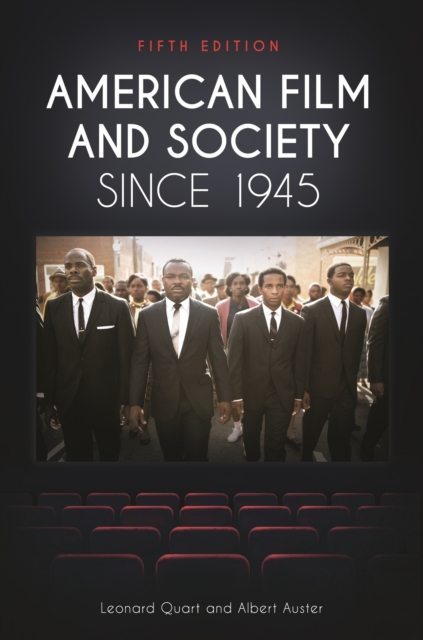
From Steven Spielberg's Lincoln to Clint Eastwood's American Sniper, this fifth edition of this classic film study text adds even more recent films and examines how these movies depict and represent the feelings and values of American society.
John Boorman's Point Blank (1967) has long been recognised as one of the seminal films of the sixties, with its revisionary mix of genres including neo-noir, New Wave, and spaghetti western.
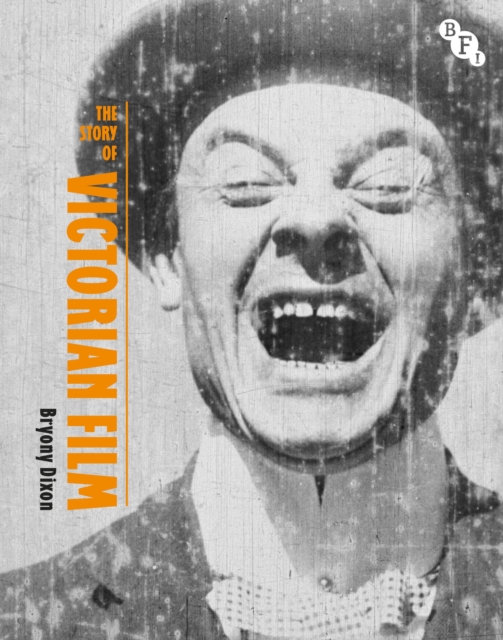
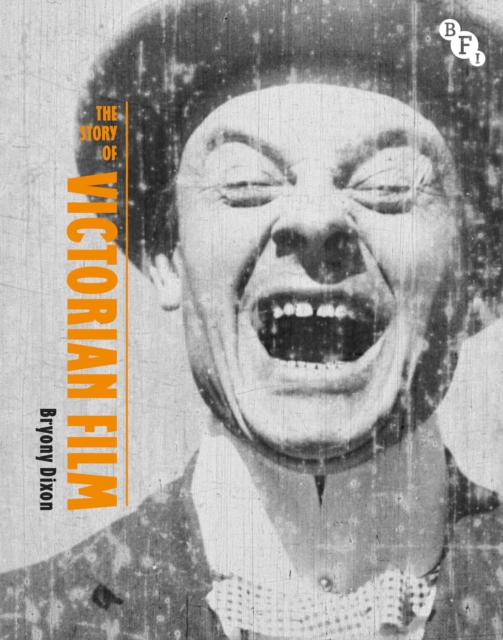
In this vivid and accessible new account of the dawn of film in Britain, internationally respected film historian and curator Bryony Dixon introduces us to Britain's first cinematic pioneers an eclectic mix of chemists, engineers, photography enthusiasts, fairground showmen and magicians who in a few short years built a vibrant new industry.
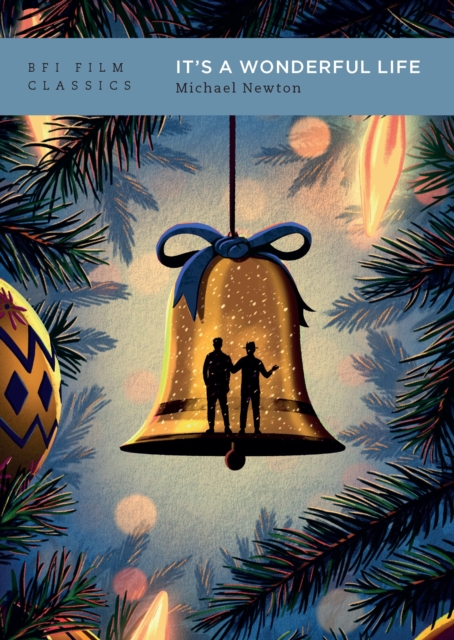
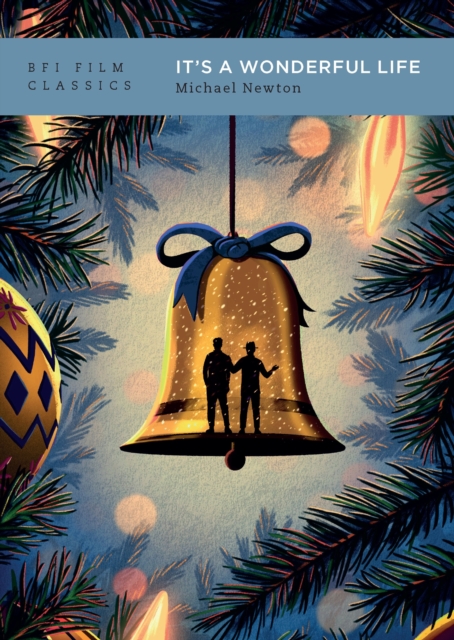
Frank Capra's It's a Wonderful Life is one of the best-loved films of Classical Hollywood cinema, a story of despair and redemption in the aftermath of war that is one of the central movies of the 1940s, and a key text in America's understanding of itself.
Frank Capra's It's a Wonderful Life is one of the best-loved films of Classical Hollywood cinema, a story of despair and redemption in the aftermath of war that is one of the central movies of the 1940s, and a key text in America's understanding of itself.
John Boorman's Point Blank (1967) has long been recognised as one of the seminal films of the sixties, with its revisionary mix of genres including neo-noir, New Wave, and spaghetti western.
In this vivid and accessible new account of the dawn of film in Britain, internationally respected film historian and curator Bryony Dixon introduces us to Britain's first cinematic pioneers an eclectic mix of chemists, engineers, photography enthusiasts, fairground showmen and magicians who in a few short years built a vibrant new industry.
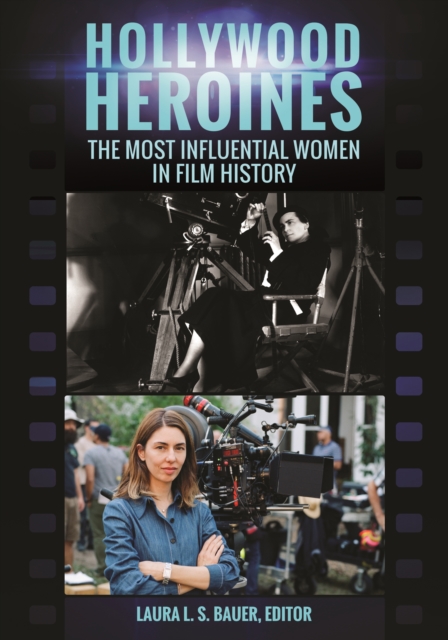
This is a topical resource that provides a comprehensive look at the most influential women in Hollywood cinema across a wide-range of occupations rarely found together in a single volume.
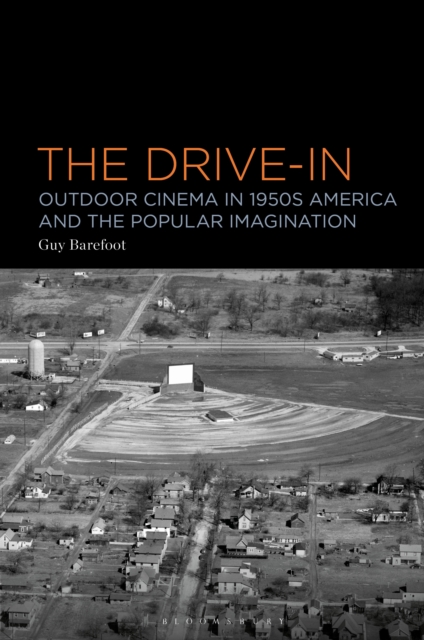
The Drive-In meaningfully contributes to the complex picture of outdoor cinema that has been central to American culture and to a history of US cinema based on diverse viewing experiences rather than a select number of films.
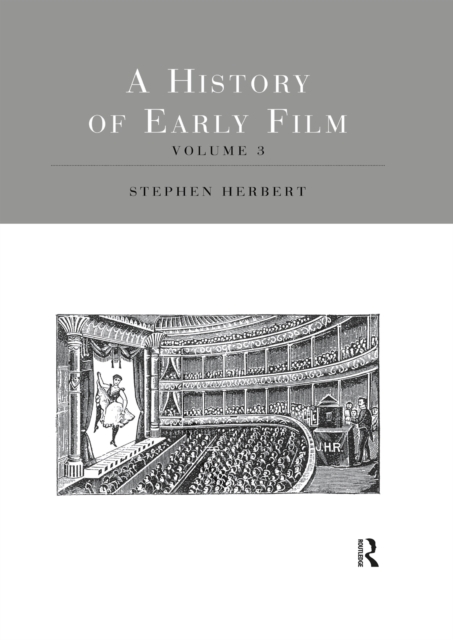
Volume 3 of A History of Early Film examines critical responses to early cinema, including the impassioned thoughts of one of the first film critics, the American poet Vachel Lindsay and considers some contemporary judgements of the social aspects of moving pictures.
South Asia in Alternative Cinema(s) explores the significance and relevance of parallel, the new wave, the new middle cinema, avant-garde and independent cinemas from and on India, Pakistan, Bhutan, Sri Lanka, Bangladesh and other parts of South Asia.
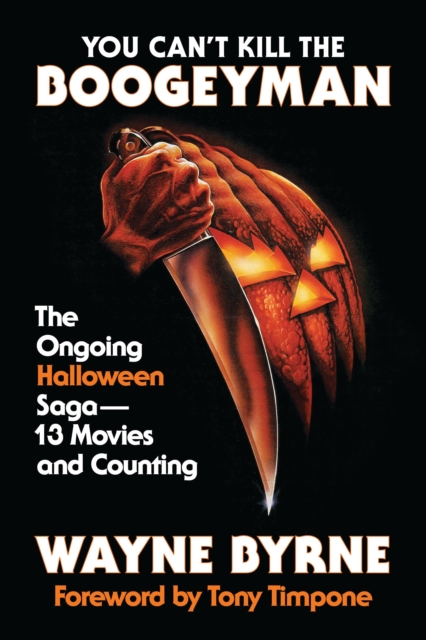
You Can't Kill the Boogeyman: The Ongoing Halloween Saga - 13 Movies and Counting is a cultural and critical examination of the legendary Halloween film franchise, considering the style, themes, and development of the series within temporal and industrial contexts.
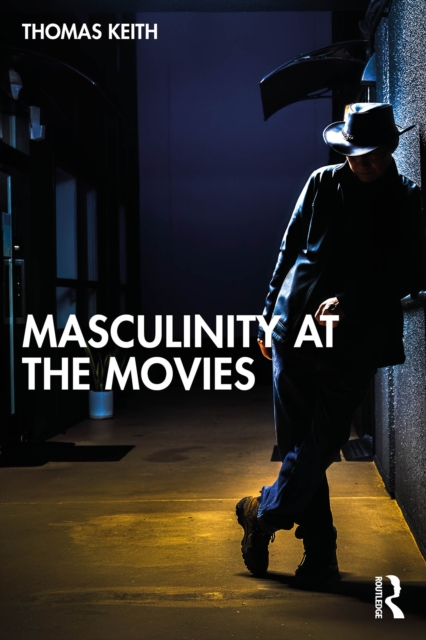
Masculinity at the Movies takes a deep dive into masculinity in film and how Hollywood movies continue to produce and promote masculine stereotypes that place boys and men in constraining identities and dysfunctional patterns of behaviour.