Widely believed to be Terry Gilliam's best film, Brazil's brilliantly imaginative vision of a retro-futuristic bureaucracy has had a lasting influence on genre cinema.
Offering a broad perspective on the Hollywood dad, looking at important Hollywood fathers and discussing films from many genres, this book adopts a multi-faceted theoretical approach, making use of psychoanalysis, sociology and masculinity studies and contextualising the father figure within both Hollywood and American history.
Offering a broad perspective on the Hollywood dad, looking at important Hollywood fathers and discussing films from many genres, this book adopts a multi-faceted theoretical approach, making use of psychoanalysis, sociology and masculinity studies and contextualising the father figure within both Hollywood and American history.
Ever since John Grierson popularized the term 'documentary,' British non-fiction film has been renowned, sometimes reviled, but seldom properly appreciated.
Ever since John Grierson popularized the term 'documentary,' British non-fiction film has been renowned, sometimes reviled, but seldom properly appreciated.
This study provides a detailed account of the 1960s film, 'L'avventura', arguing that in order to appreciate its greatness it is necessary to understand not only that the film is a classic but also that it represents a revolution in cinema.
This study provides a detailed account of the 1960s film, 'L'avventura', arguing that in order to appreciate its greatness it is necessary to understand not only that the film is a classic but also that it represents a revolution in cinema.
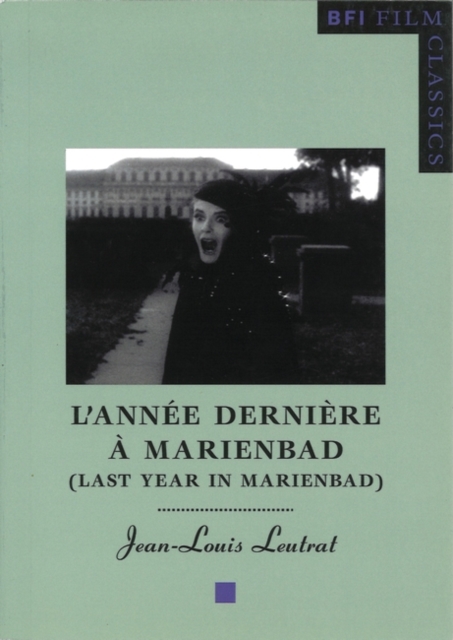
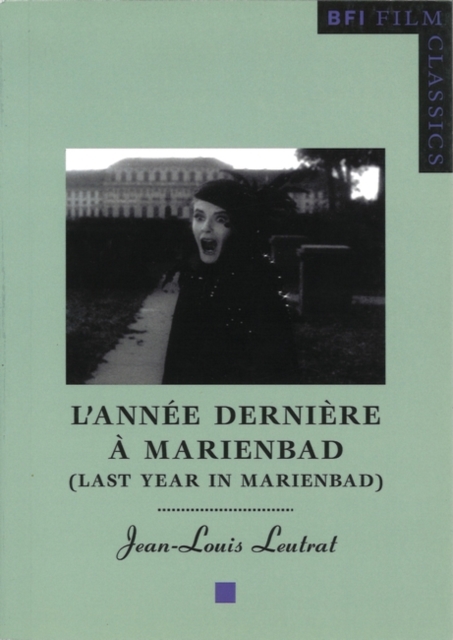
A quintessential work of 1960s European art cinema, L'Ann e derni re Marienbad (Last Year in Marienbad, 1961) was a collaboration between director Alain Resnais and 'New Novel' enfant terrible Alain Robbe-Grillet.
A quintessential work of 1960s European art cinema, L'Ann e derni re Marienbad (Last Year in Marienbad, 1961) was a collaboration between director Alain Resnais and 'New Novel' enfant terrible Alain Robbe-Grillet.
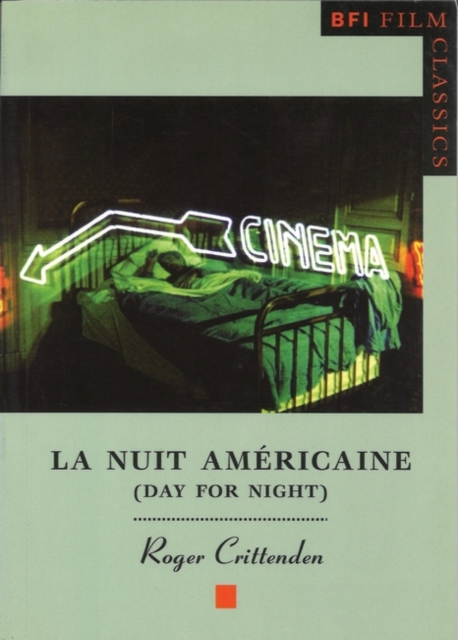
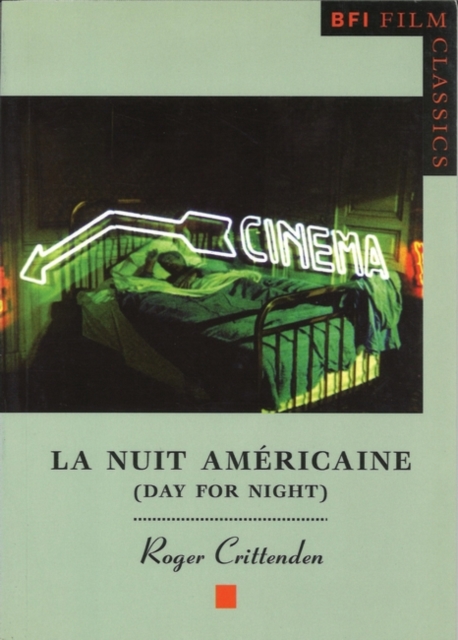
This intimate book draws extensively on research in the archives of Francois Truffaut's company, Les Films du Carrosse, and on interviews with many of La Nuit am ricaine cast and crew.
This intimate book draws extensively on research in the archives of Francois Truffaut's company, Les Films du Carrosse, and on interviews with many of La Nuit am ricaine cast and crew.
Author wrote bestselling bfi Publishing title David Lynch 'a joy to the reader of film criticism' Choice; 2001: A Space Odyssey to be re-released in cinemas in The Spring and highly likely to be the focus of much media attention in the new year; Stanley Kubrick's 2001: A Space Odyssey (1968), based on Arthur C Clarke's novel, is one of the most ambitious films ever made, an epic of space exploration that takes in the whole history of humanity (as well as speculation about its future).
Author wrote bestselling bfi Publishing title David Lynch 'a joy to the reader of film criticism' Choice; 2001: A Space Odyssey to be re-released in cinemas in The Spring and highly likely to be the focus of much media attention in the new year; Stanley Kubrick's 2001: A Space Odyssey (1968), based on Arthur C Clarke's novel, is one of the most ambitious films ever made, an epic of space exploration that takes in the whole history of humanity (as well as speculation about its future).
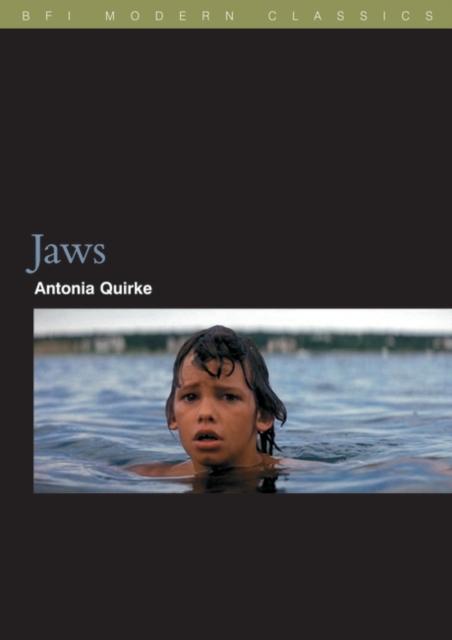
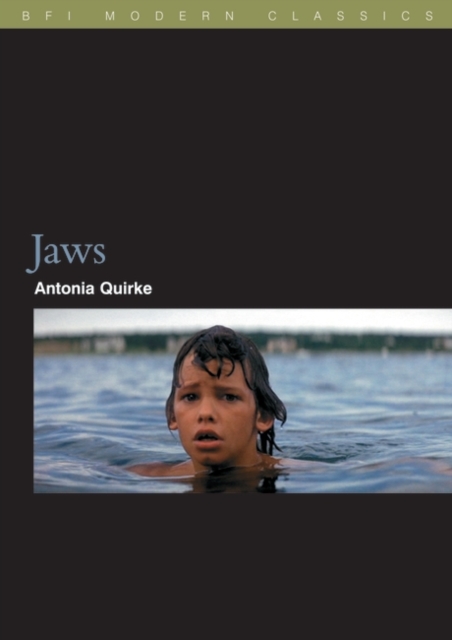
Jaws divides critics into those who dismiss it as infantile and sensational, and those who see the shark as freighted with political and psychosexual meaning.
Jaws divides critics into those who dismiss it as infantile and sensational, and those who see the shark as freighted with political and psychosexual meaning.
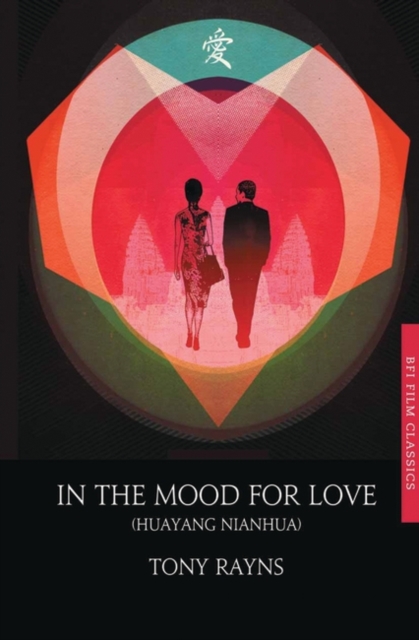
Set in Hong Kong, Singapore and Cambodia in the 1960s, Wong Kar Wai's In the Mood for Love (2000) is a film that luxuriates in the feeling of being in love without ever turning into a love story.
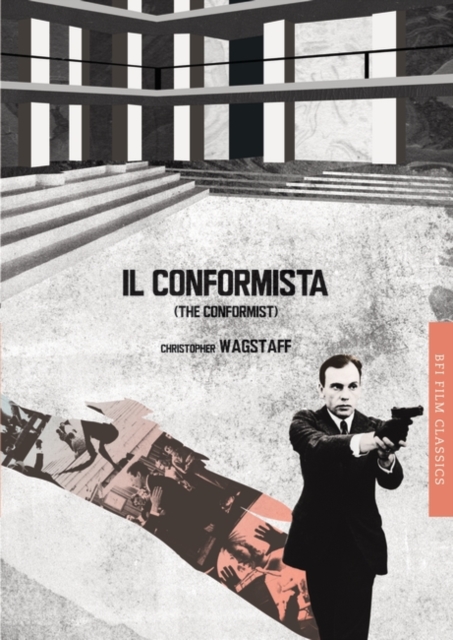
Il Conformist has mesmerised audiences by Bertulocci's mastery of the telling, the beauty of the images, the camera work, its soundtrack, and the intensity with which the characters convey powerful psychic energies.
Richard Roud, film writer and co-founder and director of the New York Film Festival, was one of the most influential film critics of the twentieth century.
Richard Roud, film writer and co-founder and director of the New York Film Festival, was one of the most influential film critics of the twentieth century.
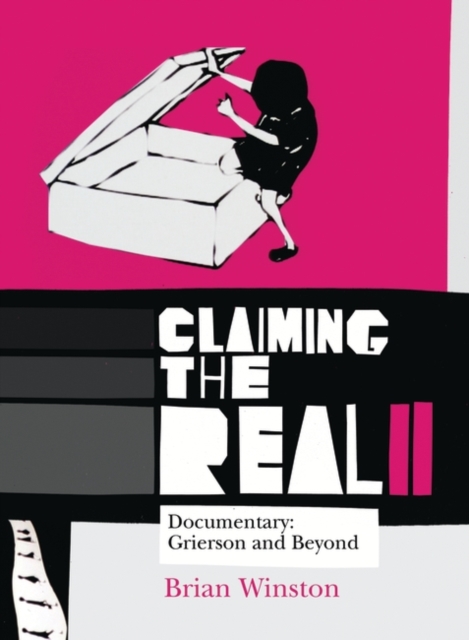
Claiming the Real II describes the origins, development and current state of documentary cinema, and the social, political, industrial and ethical factors that determine its production.