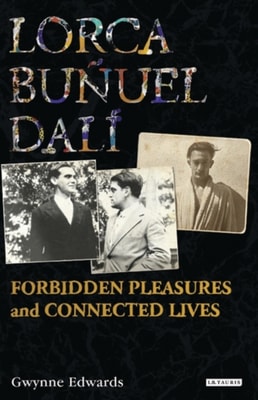
Lorca, Bunuel and Dali were, in their respective fields of poetry and theatre, cinema, and painting, three of the most imaginative creative artists of the twentieth century; their impact was felt far beyond the boundaries of their native Spain.
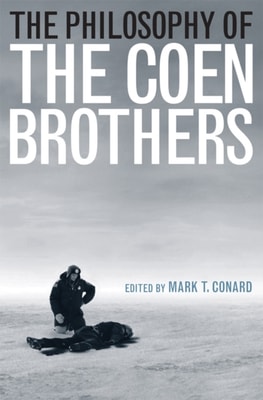
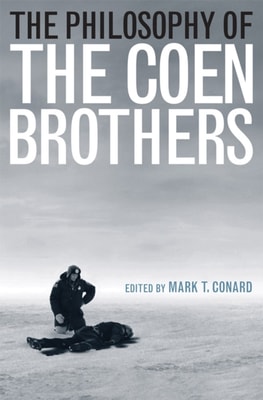
In 2008 No Country for Old Men won the Academy Award for Best Picture, adding to the reputation of filmmakers Joel and Ethan Coen, who were already known for pushing the boundaries of genre.
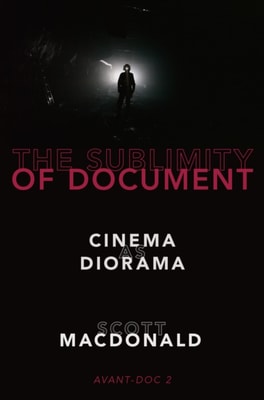
The Sublimity of Document: Cinema as Diorama is a collection of in-depth, substantive interviews with moving-image artists working "e;avant-doc, that is, making films that explore the territory between documentary and experimental cinema.
The Sublimity of Document: Cinema as Diorama is a collection of in-depth, substantive interviews with moving-image artists working "e;avant-doc, that is, making films that explore the territory between documentary and experimental cinema.
The life of Hollywood's number one movie actor, the elusive Robert De Niro, who shuns the limelight and rarely gives interviews, written by the leading film critic and biographer of Spielberg, Kubrick, Woody Allen and George Lucas.
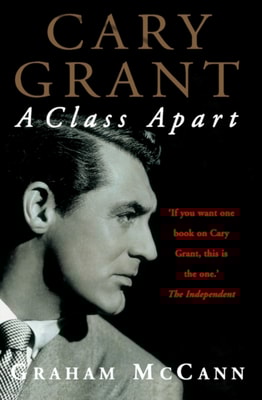
The ultimate biography of this ever-popular star and icon, from a young Cambridge don who has already made his name with a much praised biography of Marilyn Monroe.
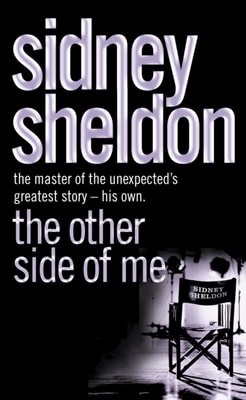
A brilliant, highly spirited memoir of Sidney Sheldon's early life that provides as compulsively readable and racy a narrative as any of his bestselling novels.
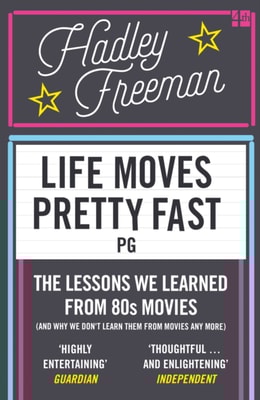
Hadley Freeman brings us her personalised guide to American movies from the 1980s - why they are brilliant, what they meant to her, and how they influenced movie-making forever.
Authorised and fully illustrated insight into the life and career of the award-winning director, from his childhood film projects up to King Kong, together with Jackson's revealing personal account of his six-year quest to film The Lord of the Rings.
The candid and heartbreakingly honest memoir of Sylvia Kristel, the cinema icon of the 1970s who played the lead role in the worldwide sensation erotic Emmanuelle films.
Ingmar Bergman's 1963 film The Silence was made at a point in his career when his stature as one of the great art-film directors allowed him to push beyond the boundaries of what was acceptable to censorship boards in Sweden and the United States.
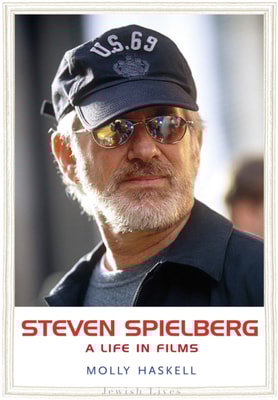
From the prizewinning Jewish Lives series, a film-centric portrait of the extraordinarily gifted movie director whose decades-long influence on American popular culture is unprecedented “Everything about me is in my films,” Steven Spielberg has said.
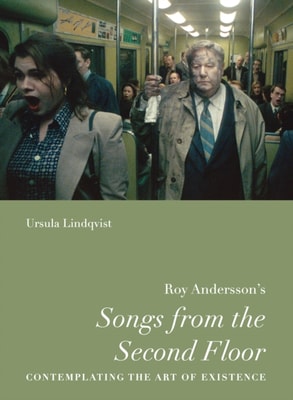
Swedish filmmaker Roy Anderssons celebrated and enigmatic film Songs from the Second Floor, his first feature film in twenty-five years, won the Special Jury Prize at the Cannes Film Festival in 2000.
Lone Scherfig was the first of a number of women directors to take up the challenge of Dogme, the back-to-basics, manifesto-based, rule-governed, and now globalized film initiative introduced by Danish filmmakers Lars von Trier and Thomas Vinterberg in 1995.
Ingmar Bergman's 1963 film The Silence was made at a point in his career when his stature as one of the great art-film directors allowed him to push beyond the boundaries of what was acceptable to censorship boards in Sweden and the United States.
The development of themes, motifs, and techniques in Bergman''s films, from the first intimations in the early work to the consummate resolutions in the final movies.
Ousmane Semb ne was one of the greatest, most groundbreaking filmmakers in the history of cinema, an acclaimed novelist, and the most renowned African director of the twentieth century.
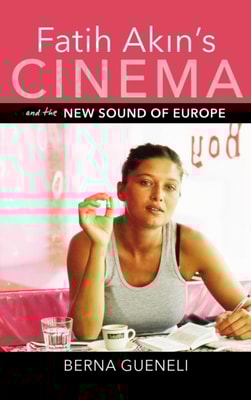
In Fatih Akin's Cinema and the New Sound of Europe, Berna Gueneli explores the transnational works of acclaimed Turkish-German filmmaker and auteur Fatih Akin.
In Fatih Akin's Cinema and the New Sound of Europe, Berna Gueneli explores the transnational works of acclaimed Turkish-German filmmaker and auteur Fatih Akin.
Oscar Micheaux-the most prolific African American filmmaker to date and a filmmaking giant of the silent period-has finally found his rightful place in film history.
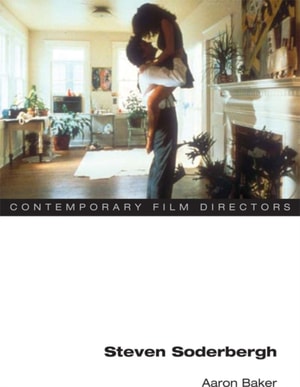
A Hollywood director who blends substance with the mainstream Steven Soderbergh's feature films present a diverse range of subject matter and formal styles: from the self-absorption of his breakthrough hit Sex, Lies, and Videotape to populist social problem films such as Erin Brockovich, and from the modernist discontinuity of Full Frontal and filmed performance art of Gray's Anatomy to a glossy, star-studded action blockbuster such as Ocean's Eleven.
Commanding a cult following among horror fans, Italian film director Dario Argento is best known for his work in two closely related genres, the crime thriller and supernatural horror, as well as his influence on modern horror and slasher movies.
In eleven feature films across two decades, Christian Petzold has established himself as the most critically celebrated director in contemporary Germany.
Nicole Brenez argues for Abel Ferrara's place in a line of grand inventors who have blurred distinctions between industry and avant-garde film, including Orson Welles, Monte Hellman, and Nicholas Ray.