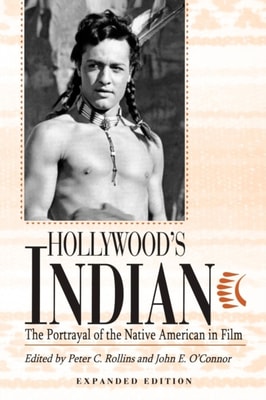
Offering both in-depth analyses of specific films and overviews of the industry's output, Hollywood's Indian provides insightful characterizations of the depiction of the Native Americans in film.
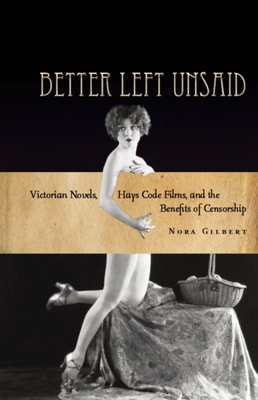
Eighteenth-century critics believed Gothic fiction would inspire deviant sexuality, instill heretical beliefs, and encourage antisocial violence--this book puts these beliefs to the test.
With his rugged features and earthy sex appeal, Victor Mature ushered in a new breed of postwar Hollywood actor, far removed from the debonair matinee idols of the 1930s.
Dolores del Rio's enormously successful career in Hollywood, in Mexico, and internationally illuminates issues of race, ethnicity, and gender through the lenses of beauty and celebrity.
It has become a commonplace that "e;images"e; were central to the twentieth century and that their role will be even more powerful in the twenty-first.
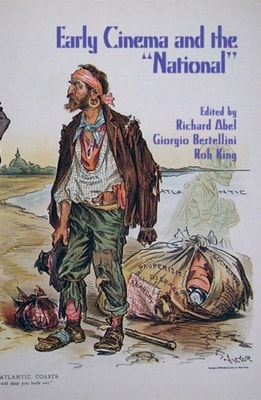
By identifying points at which "e;pure filmdiscourse merges with changing international trends and attitudes toward film, it offers an important resource for film, literary, and cultural historians.
During the Silent Era, when most films dealt with dramatic or comedic takes on the "e;boy meets girl, boy loses girl"e; theme, other motion pictures dared to tackle such topics as rejuvenation, revivication, mesmerism, the supernatural and the grotesque.
The award-winning television series Mystery Science Theater 3000 (1988-1999) has been described as "e;the smartest, funniest show in America,"e; and forever changed the way we watch movies.
Originally a euphemism for Princeton University's Female Literary Tradition course in the 1980s, "e;chick lit"e; mutated from a movement in American women's avant-garde fiction in the 1990s to become, by the turn of the century, a humorous subset of women's literature, journalism, and advice manuals.
One of the most versatile Hollywood filmmmakers, Robert Wise had a number of renowned films under his directorial belt, including The Day The Earth Stood Still, West Side Story, The Sound of Music, and Star Trek: The Motion Picture.
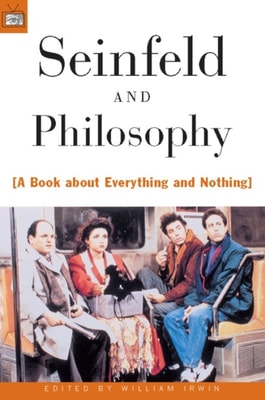
Designed for philosophers as well as readers with no particular philosophical background, the essays in this lively book are grouped into four amusing acts.
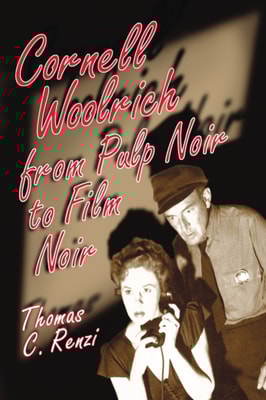
Extremely popular and prolific in the 1930s and 1940s, Cornell Woolrich still has diehard fans who thrive on his densely packed descriptions and his spellbinding premises.
Anime and Philosophy focuses on some of the most-loved, most-intriguing anime films and series, as well as lesser-known works, to find what lies at their core.
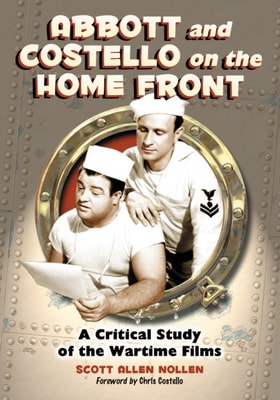
As two of the most popular entertainers of the mid-century film industry, comic greats Bud Abbott and Lou Costello offered an essential balm to the American public following the sorrows of the Great Depression and during the trauma of World War II.
With actress Pam Grier's breakthrough in Coffy and Foxy Brown, women entered action, science fiction, war, westerns and martial arts films--genres that had previously been considered the domain of male protagonists.
Beasts of the Deep: Sea Creatures and Popular Culture offers its readers an in-depth and interdisciplinary engagement with the sea and its monstrous inhabitants; through critical readings of folklore, weird fiction, film, music, radio and digital games.
"e; From his unique perspective of friendship with many of the actors and actresses about whom he writes, silent film historian Anthony Slide creates vivid portraits of the careers and often eccentric lives of 100 players from the American silent film industry.
This book makes available for the first time in English-and for the first time in its entirety in any language-an important yet little-known interview on the topic of photography that Jacques Derrida granted in 1992 to the German theorist of photography Hubertus von Amelunxen and the German literary and media theorist Michael Wetzel.
This is a comprehensive overview of zombie movies in the first 11 years of the new millennium, the most dynamic and vital period yet in the history of the zombie genre.
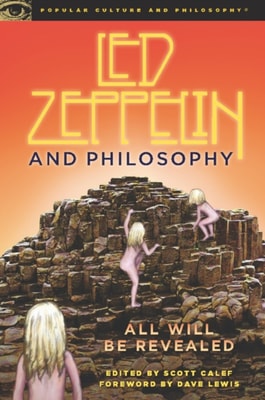
Led Zeppelin, who bestrode the world of rock like a colossus, have continually grown in popularity and influence since their official winding up in 1980.
Discussing such classic films as Sergeant York, Air Force, and All Quiet on the Western Front, as well as more modern blockbusters like Apocalypse Now and Saving Private Ryan, this outstanding volume focuses on Hollywood and its production of war films.
Cinema of/for the Anthropocene sheds new light on the question of how films can allow us to resituate ourselves within what is known today as the Anthropocene.
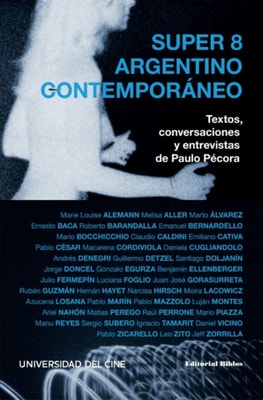
Este libro sobre la escena del súper argentino contemporáneo busca reflejar un espacio floreciente del que el autor se siente a la vez parte y observador.
Discussing such classic films as Sergeant York, Air Force, and All Quiet on the Western Front, as well as more modern blockbusters like Apocalypse Now and Saving Private Ryan, this outstanding volume focuses on Hollywood and its production of war films.
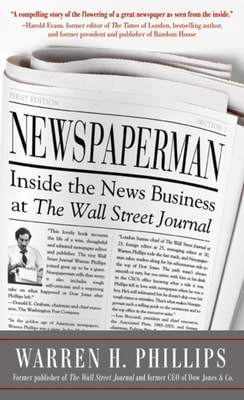
The captivating story of former Wall Street Journal publisher Warren Phillips's rise to the topNewspaperman is at once a fascinating narrative of one man's journey through the newspaper business and an expert analysis of how the news is made.
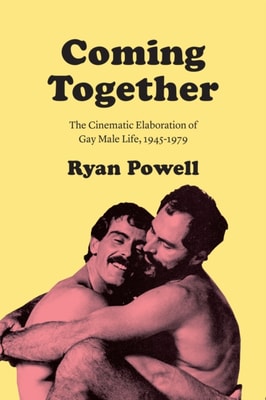
In Coming Together, Ryan Powell captures the social and political vitality of the first wave of movies made by, for, and about male-desiring men in the United States between World War II and the 1980s.