The tragic and mysterious circumstances surrounding the deaths of Elizabeth Short, or the Black Dahlia, and Marilyn Monroe ripped open Hollywood's glitzy faade, exposing the citys ugly underbelly of corruption, crime, and murder.
Twilight of the Idols revisits some of the sensational scandals of early Hollywood to evaluate their importance for our contemporary understanding of human deviance.
In the first book devoted to Charles Burnett, a crucial figure in the history of American cinema often regarded as the most influential member of the L.
The first of its sort, I Want You Around: The Ramones and the Making of Rock 'n' Roll High School provides readers with a detailed production history of this beloved film that draws upon extensive interviews the author has conducted with many of the people who contributed to the movie's creation, including lead actress P.
Winner of theNext Generation Indie Book AwardWinner of the Chinese American Librarian Association Best Book Award China's entry into the World Trade Organization in 2001 ignited a race to capture new global media audiences.
American Ethnographic Film and Personal Documentary is a critical history of American filmmakers crucial to the development of ethnographic film and personal documentary.
"e;Film noir"e; evokes memories of stylish, cynical, black-and-white movies from the 1940s and '50s-melodramas about private eyes, femmes fatales, criminal gangs, and lovers on the run.
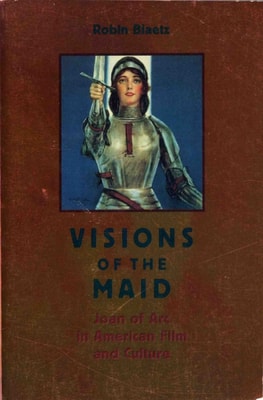
Representations of Joan of Arc have been used in the United States for the past two hundred years, appearing in advertising, cartoons, popular song, art, criticism, and propaganda.
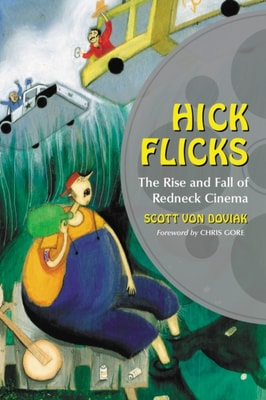
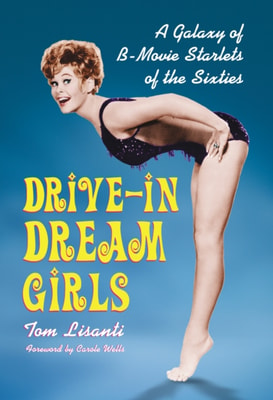
While the pimps and players of blaxploitation movies dominated inner-city theaters, good old boys with muscle under their hoods and moonshine in their trunks roared onto drive-in screens throughout rural America.
Characterized by grandiose song-and-dance numbers featuring ornate geometric patterns and mimicked in many modern films, Busby Berkeley's (1895-1976) unique artistry is as recognizable and striking as ever.
Exemplarity and Chosenness is a combined study of the philosophies of Jacques Derrida (1930-2004) and Franz Rosenzweig (1886-1929) that explores the question: How may we account for the possibility of philosophy, of universalism in thinking, without denying that all thinking is also idiomatic and particular?
The success of low-budget independent films like The Blair Witch Project and Paranormal Activity have clearly demonstrated that successful movies can be made with very small budgets.
Some of the most beloved characters in film and television inhabit two-dimensional worlds that spring from the fertile imaginations of talented animators.
Paul Bern, known throughout the movie business as "e;Hollywood's Father Confessor,"e; earned a reputation for being a loyal and supportive friend and for becoming one of MGM's most respected and creative directors.
In the early 1930s, George Raft, an actor and dancer from New York City's Hell's Kitchen, gained a name for himself playing stylish and charismatic gangsters in films like 1932's original Scarface.
Although film noir is traditionally associated with the mean streets of the Dark City, this volume explores the genre from a new angle, focusing on non-urban settings.
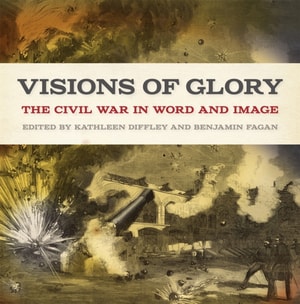
Visions of Glory brings together twenty-two images and twenty-two brisk essays, each essay connecting an image to the events that unfolded during a particular year of the Civil War.
Covering a range from supernatural fiction to dark fantasy to graphic horror, these 25 interviewees discuss the creative challenges, expectations and conventions of the horror genre.
Belligerent and evasive, Josef von Sternberg chose to ignore his illegitimate birth in Austria, deprived New York childhood, abusive father, and lack of education.
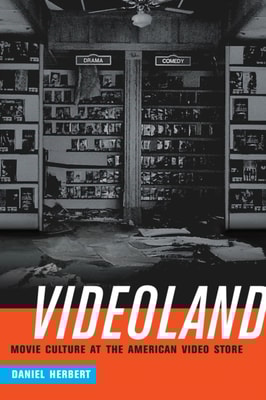
Videoland offers a comprehensive view of the "e;tangible phase"e; of consumer video, when Americans largely accessed movies as material commodities at video rental stores.