Youth and Theatre of the Oppressed investigates a performance strategy which aims to develop possible alternatives to oppressive forces in individual s lives.
Offstage Space, Narrative, and the Theatre of the Imagination is a study of extrascenic space and how playwrights have used narrative as an alternative to conventional scenic enactment.
This book explores the appropriation of Shakespeare by youth culture and the expropriation of youth culture in the manufacture and marketing of 'Shakespeare'.
Through thirteen essays, Teaching Theatre Today addresses the changing nature of educational theory, curricula, and teaching methods in theatre programs of colleges and universities of the United States and Great Britain.
Weyward Macbeth, a volume of entirely new essays, provides innovative, interdisciplinary approaches to the various ways Shakespeare's 'Macbeth' has been adapted and appropriated within the context of American racial constructions.
Renaissance Earwitnesses examines how maintaining masculinity on the early modern stage is intimately tied to 'earwitnessing,' or a sense of 'judicious listening' in his reading of plays by Marlowe, Shakespeare, Cary, and Jonson.
Travel to Planet Drag and explore the styles, influences, artists, and events that have made the art of drag so outrageously popular in 15 countries around the world.
Theatre in Dublin,17451820: A Calendar of Performances is the first comprehensive, daily compendium of more than 18,000 performances that took place in Dublin's many professional theatres, music halls, pleasure gardens, and circus amphitheatres between Thomas Sheridan's becoming the manager at Smock Alley Theatre in 1745 and the dissolution of the Crow Street Theatre in 1820.
This book strives to unmask the racial inequity at the root of the emergence of modern physical culture systems in the US Progressive Era (1890s-1920s).
Placing 'literature' at the centre of Renaissance economic knowledge, this book offers a distinct intervention in the history of early modern epistemology.
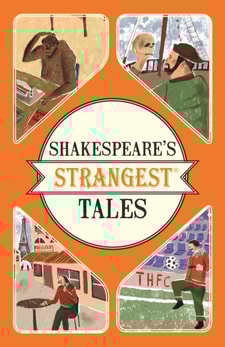
A fascinating playbill of stories from the weird and wonderful world of Shakespearean theatre through the centuries, including distinguished actors falling off stages, fluffed lines, performances in the dark, and why you must never, ever say the name of that Scottish play, especially if you are Peter O'Toole.
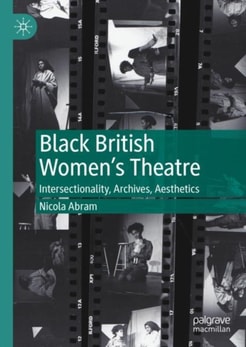
This book marks a significant methodological shift in studies of black British women's theatre: it looks beyond published plays to the wealth of material held in archives of various kinds, from national repositories and themed collections to individuals' personal papers.